


Delhi

Mumbai

Bengluru

Ahmedabad

Jaipur

Chennai

Hydrabad

Kolkatta

Lucknow

Pune
How to Advertise in Diamond Handbook of India: A Complete Magazine Advertising Rate and Booking Guide for Jewellery Brands
Most brands that approach us about gem and jewellery magazine advertising have already spent months running digital campaigns — and they arrive at the conversation slightly frustrated, because the cost-per-lead numbers from Instagram and Google simply do not reflect the quality of buyer they are trying to reach. The Diamond Handbook of India solves a problem that no social media algorithm can: it puts your brand in front of a captive audience of professional diamond traders, jewellery manufacturers, and high-value retail buyers who are actively consulting the publication as a business reference, not scrolling past it between cat videos. What surprises most of our clients, frankly speaking, is how affordable a full page magazine ad in this publication turns out to be relative to the depth of trade access it provides.
What Is the Diamond Handbook of India Magazine and Who Publishes It?
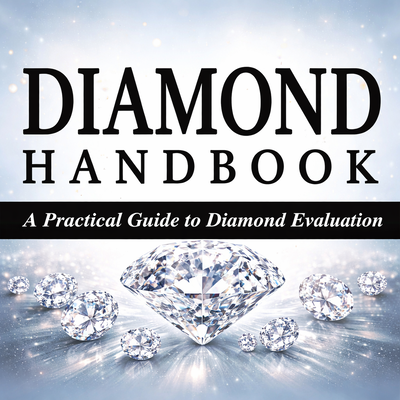
Few publications in the Indian gems and jewellery trade carry the institutional weight that the Diamond Handbook of India does — and that weight comes from decades of consistent editorial presence rather than aggressive marketing. The publication is part of the Diamond World Group, the same publishing house behind Diamond World magazine, which operates through diamondworld.net and has been one of the most authoritative voices in the Indian diamond industry since the 1960s. Mr. Alok Kala, who has long been associated with the editorial stewardship of the Diamond World Group, has helped build this into a reference-grade annual publication that industry professionals genuinely rely on rather than simply page through.
The Diamond Handbook of India functions primarily as an annual directory and trade reference — which is a format that gives it a shelf life no monthly magazine can match. Where a regular jewellery trade publication might be read once and set aside, this handbook is consulted repeatedly throughout the year as buyers, exporters, and manufacturers look up supplier listings, industry profiles, and trade contacts. That repeated-reference behaviour is something we always highlight to clients, because it fundamentally changes the ROI calculation for a print ad; your back cover advertisement or inside front cover ad is not seen once — it is seen every time someone opens the book, which in a busy trading office could be dozens of times across twelve months.
The publication's geographic footprint is genuinely national, with strong readership concentration in the diamond industry hubs of Surat, Mumbai, Jaipur, and Ahmedabad — cities that between them account for the overwhelming majority of India's diamond processing, gem trading, and jewellery manufacturing activity. Surat alone processes roughly 90% of the world's rough diamonds, which means that a publication with strong penetration in that market is reaching the very nerve centre of the global diamond trade. At SmartAds, we think of the Diamond Handbook of India less as a magazine and more as an annual industry passport — the kind of publication that sits on desks rather than in recycling bins.
Why Should Brands Advertise in the Diamond Handbook of India?
The gem and jewellery industry in India is not a niche market by any reasonable definition — it is one of the largest organised trade sectors in the country, with India's gems and jewellery market estimated at somewhere in the ballpark of $85 billion in 2025 and projected to reach $130 billion by 2030, according to industry estimates that have been widely cited in trade and policy circles including GJEPC reports. Advertising in a publication that serves this industry is not a boutique decision; it is a strategic play for brands that want to reach decision-makers who control purchasing budgets at precisely the moment when those decision-makers are in a professional, reference-seeking mindset.
What a lot of people miss about B2B magazine advertising in India is the difference between reach and resonance. A digital campaign might deliver a hundred thousand impressions across a broad jewellery-adjacent audience, but a full page magazine ad in the Diamond Handbook of India reaches a few thousand readers who are all active participants in the diamond and jewellery trade — traders, manufacturers, exporters, retailers, and gem dealers who are consulting the publication for professional reasons. The readership diamond handbook attracts is not casual; these are people who have paid attention to this publication for years, which gives the advertising environment a credibility that paid social placements simply cannot replicate.
We worked with a diamond jewellery manufacturer based in Surat who had been running digital campaigns for two years without meaningful B2B traction. When we shifted a portion of their budget toward a back cover advertisement in the Diamond Handbook of India combined with an advertorial placement, they reported receiving direct trade inquiries from buyers in Jaipur and Ahmedabad who specifically mentioned having seen the brand in the handbook. That kind of attribution — a buyer picking up the phone because of a print ad they saw in a reference publication — is the sort of outcome that justifies the investment in ways that a cost-per-click metric never quite captures.
What Are the Advertising Rates for the Diamond Handbook of India?
This is the question that most advertisers ask first, and it is also the question that most online sources either dodge entirely or answer with a vague "contact for pricing" non-answer — which is genuinely unhelpful for anyone trying to build a media plan or justify a budget to management. Based on our experience booking magazine advertising in India across jewellery trade publications, we can offer meaningful benchmarks, though rates do shift year to year and are subject to negotiation depending on position, frequency, and agency relationships.
A full page magazine ad in the Diamond Handbook of India works out to roughly somewhere between ₹40,000 and ₹80,000 for a standard colour full page ad position, which is a number that tends to surprise clients who have been comparing it to the cost of a full page in a mass-circulation lifestyle magazine india title — where rates can run into several lakhs. The back cover advertisement, which is the most premium ad position in any print publication and commands a significant premium for the visibility it delivers, is typically priced in the range of somewhere between ₹1.5 lakh and ₹2.5 lakh depending on the edition and the booking window. The inside front cover ad and inside back cover ad positions sit between these extremes, generally working out to somewhere between ₹80,000 and ₹1.5 lakh, which makes them the most competitive premium ad position magazine options for brands that want front-of-book visibility without paying back cover rates.
A half page magazine ad is available for advertisers working with tighter budgets, and the rate for this format is typically in the ballpark of ₹25,000 to ₹45,000 — which makes it one of the more accessible low cost magazine advertising india options in the gem and jewellery trade publication segment. A double spread ad, which spans two facing pages and creates the most visually commanding presence in the publication, is priced accordingly and can run somewhere between ₹1.2 lakh and ₹2 lakh depending on placement within the book. It is worth noting that these are indicative benchmarks drawn from our media buying experience; actual diamond handbook india ad rates should be confirmed at the time of booking since annual editions may carry revised rate cards. At SmartAds, we always tell our clients that the real value in magazine ad rates india is not in the gross rate but in the negotiated package — multi-position buys, advertorial combinations, and early-booking discounts can meaningfully reduce the effective cost per impression.
What Ad Formats and Positions Are Available in Diamond Handbook of India?
The range of ad formats available in the Diamond Handbook of India covers most of what a brand would need to build a visible, well-positioned presence in the publication — and the format hierarchy follows the logic of any well-structured print publication. The most sought-after positions are, predictably, the back cover advertisement and the inside front cover ad, both of which benefit from the physical behaviour of readers who open and close a reference book repeatedly; every time the handbook is picked up, these positions are seen first and last, which gives them a frequency advantage that interior placements cannot match.
Beyond the premium cover positions, the publication offers a full page magazine ad in both colour and black-and-white formats, though in our experience the overwhelming majority of advertisers in this category opt for colour given that jewellery and gemstone imagery depends entirely on colour accuracy to communicate product quality. A double spread ad is available for brands that want to make a statement — and in a reference publication where readers are already in a slow, deliberate reading mode, a well-designed double spread can hold attention in a way that a single page cannot. The half page magazine ad format is available in both horizontal and vertical orientations, which gives creative teams some flexibility in how they structure the layout.
What is less commonly discussed but genuinely worth considering is the advertorial magazine india format — a paid editorial placement that is designed to look and read like editorial content, which in a reference publication carries particular weight because readers are already in a content-consumption rather than ad-skipping mindset. The Diamond Handbook of India, like most jewellery trade publication india titles, offers advertorial or editorial sponsorship formats that allow brands to present their story, their manufacturing capabilities, or their product range in a narrative format rather than a display ad. We have found these placements to be particularly effective for brands that are trying to establish credibility with a new audience — a start-up jewellery brand or a manufacturer entering a new product category, for instance, where the brand story matters as much as the visual.
How Do You Book an Advertisement in Diamond Handbook of India?
The ad booking process india for a publication like the Diamond Handbook of India is more straightforward than most first-time print advertisers expect, but there are a few steps that can make the difference between a smooth campaign and a last-minute scramble. The publication is managed through the Diamond World Group, and direct booking can be initiated through diamondworld.net; however, working through an established advertising agency india or media buying india partner typically results in better positioning, more transparent rate negotiation, and access to package deals that are not always available to direct advertisers.
Online ad booking india for print publications has become considerably more accessible in recent years — platforms like The Media Ant have made it possible to browse available positions, compare magazine ad rates, and initiate bookings digitally, which is useful for advertisers who want transparency in the rate card before committing. That said, for premium positions like the back cover advertisement or inside front cover ad, we have found that direct negotiation through an agency relationship consistently delivers better outcomes than self-serve digital booking, because these positions are often pre-allocated to returning advertisers and require relationship-based access to unlock.
The deadline calendar for the Diamond Handbook of India is something that catches many advertisers off guard — this is an annual magazine india publication, which means the booking window is finite and the creative submission deadline is typically several weeks before the publication date. Based on our experience with annual jewellery trade publications, the advance booking window for premium positions opens roughly three to four months before the edition date, and high resolution print ad materials — which must be submitted in CMYK format at a minimum of 300 DPI, with bleed dimensions typically set at 3mm on all sides — are usually required four to six weeks before press. Missing this window means losing access to the best positions for an entire year, which is a real cost for brands in a competitive market. At SmartAds, we maintain a deadline calendar for all major annual magazine india publications in the gem and jewellery segment, which allows us to alert clients well in advance rather than scrambling at the last minute.
Who Is the Target Audience of Diamond Handbook of India Magazine?
The readership diamond handbook attracts is, by design, a highly concentrated professional audience rather than a broad consumer one — and this is precisely what makes it valuable for B2B magazine advertising india. The core reader profile includes diamond traders and wholesalers, jewellery manufacturers and exporters, gem dealers, retail jewellers, and industry professionals across the supply chain from rough diamond processing to finished jewellery retail. The GJEPC india estimates that the organised gems and jewellery trade in India employs upwards of four million people, and the Diamond Handbook of India is positioned squarely at the decision-making layer of that workforce.
The geographic concentration of the readership mirrors the structure of the Indian diamond industry itself. Surat diamond industry professionals represent a significant portion of the readership, given that the city's diamond processing ecosystem is the largest in the world by volume; the Mumbai diamond telephone directory and trade community adds another substantial layer, particularly among exporters and international traders who operate through the Bharat Diamond Bourse. Jaipur's gem and coloured stone community, Ahmedabad's jewellery manufacturing clusters, and Delhi's retail jewellery trade all contribute to a readership profile that is genuinely national in scope while remaining tightly focused on the industry.
What makes this target audience jewellery industry profile particularly attractive for advertisers is the purchasing power and decision-making authority concentrated in the readership. These are not aspirational consumers browsing jewellery content for inspiration; they are buyers, sourcing managers, and business owners who make procurement decisions worth lakhs and crores on a regular basis. The affluent readers india dimension of this audience is real, but it is secondary to the professional authority dimension — the reason a brand wants to be in this publication is not because its readers are wealthy, but because its readers are the people who decide which brands get shelf space, which suppliers get contracts, and which manufacturers get recommended to retail clients.
How Does Diamond Handbook of India Compare to Other Jewellery Magazines in India?
Frankly speaking, the Indian jewellery trade publication landscape is more crowded than most advertisers realise, and choosing the right vehicle requires understanding what each publication actually delivers rather than relying on the rate card alone. The Diamond Handbook of India occupies a specific niche as an annual directory-style reference publication, which differentiates it meaningfully from monthly or quarterly titles like Solitaire International, Indian Jeweller (IJ) Magazine, Gem & Jewellery Today, and Jewellery News India — all of which serve the same broad industry but with different editorial formats and reader behaviours.
Solitaire International is probably the most widely recognised consumer-facing jewellery magazine in India, with a readership that spans both trade professionals and affluent consumers; its advertising rates reflect this broader reach, and a full page colour ad in Solitaire typically costs considerably more than equivalent positions in the Diamond Handbook of India. The Indian Jeweller magazine, similarly, targets a mix of trade and retail audiences. The gem jewellery handbook india and related annual publications, including the Diamond Handbook of Surat, serve more geographically specific audiences — which can be an advantage for brands with concentrated regional distribution but a limitation for those seeking PAN India advertising reach.
Where the Diamond Handbook of India has a structural advantage over monthly jewellery trade publication india titles is in the annual reference format, which we have already discussed, and in its deep penetration of the diamond-specific trade community as opposed to the broader jewellery market. A brand selling diamond processing equipment, rough diamond sourcing services, or specialised manufacturing technology will find the Diamond Handbook of India's readership far more precisely targeted than any general jewellery magazine. The magazine circulation india numbers for an annual trade handbook are naturally lower than those of a monthly consumer title, but magazine circulation india is a somewhat misleading metric for reference publications — a single copy of the Diamond Handbook of India may be consulted by multiple people in a trading office across twelve months, which inflates the effective reach considerably beyond the print run figure.
What Makes Print Advertising in the Gem and Jewellery Segment Still Effective?
There is a version of this conversation that goes: print is dying, digital is everything, why would anyone spend money on a glossy magazine print ad in 2024? We have heard it, and to be honest, we have had to push back on it more times than we can count — because the data on print advertising india in trade and B2B contexts tells a different story than the headline narrative about print decline. TAM AdEx data has consistently shown that print advertising in specialised trade publications maintains stronger engagement metrics than equivalent digital placements in the same categories, precisely because the audience is self-selected and the reading context is professional rather than casual.
The brand visibility print media delivers in a reference publication is qualitatively different from digital display advertising, and this matters for brand awareness magazine india strategy in the jewellery sector. A display ad magazine placement in the Diamond Handbook of India is seen in a context where the reader is already engaged with industry content — they are consulting the publication for professional reasons, which means their cognitive engagement with the surrounding advertising is higher than it would be during a social media scroll. This captive audience advertising dynamic is something that print media planners have understood for decades, and it remains as true today as it was before smartphones existed.
On top of that, the return on investment print ads deliver in B2B contexts is often better than the headline CPM numbers suggest, because the conversion pathway is different. A brand manager who sees a well-designed back cover advertisement in the Diamond Handbook of India and decides to reach out to that supplier is not a cold lead — they are a warm, professionally motivated prospect who has made a deliberate decision to engage. We worked with a gemstone equipment supplier who tracked inquiries from the Diamond Handbook of India using a dedicated phone number and a unique landing page, and over the course of the year following the ad's publication, they attributed roughly eighteen direct B2B inquiries to that single placement — which, against a total ad spend of under ₹1 lakh, represented a return on investment that no digital campaign in their category had come close to matching. Print media india 2024 is not dead in trade segments; it is simply misunderstood by planners who are measuring it with the wrong metrics.
How Can You Design an Effective Ad for Diamond Handbook of India?
Magazine ad design tips india for a trade reference publication are somewhat different from what works in a consumer lifestyle magazine india context, and this is a distinction that creative teams often miss when they are handed a brief. The reader of the Diamond Handbook of India is not browsing for inspiration — they are looking for information, credibility signals, and contact details; which means that an effective ad in this publication needs to communicate what the brand does, why it is trustworthy, and how to reach it, all within a visual framework that is professional rather than aspirational.
The technical requirements for a high resolution print ad in the Diamond Handbook of India follow standard Indian print production specifications: artwork should be supplied in CMYK colour mode rather than RGB, at a resolution of 300 DPI minimum, with a 3mm bleed on all sides and all critical content kept at least 5mm inside the trim edge to avoid being cut. A colour full page ad india should be supplied as a press-ready PDF with fonts embedded and all images linked at full resolution; the editorial approval process typically involves a review of the artwork against the publication's content guidelines, which generally prohibit misleading claims about gemstone quality or certification. Getting these technical details right matters more than most advertisers realise — a beautiful ad that arrives in the wrong colour profile will look flat and dull on press, which in a glossy magazine print ad context can actively damage brand perception.
Beyond the technical, the strategic question is what message to lead with. In our experience working on advertising campaign india briefs for jewellery trade publications, the most effective ads in this category lead with a specific capability or credential rather than a generic brand statement. A manufacturer who leads with "Certified conflict-free diamonds, third-party verified, available in 0.01ct to 10ct" will outperform a brand that leads with a tagline about trust and tradition — because the reader is a professional who needs specific information to make a sourcing decision. The niche audience advertising india principle applies here: the more precisely your ad speaks to the professional concerns of the reader, the more likely it is to generate a response. Including a QR code that links to a product catalogue or a dedicated landing page is something we now recommend as standard for all print advertising india placements, because it creates a measurable bridge between the print impression and the digital conversion.
Frequently Asked Questions About Diamond Handbook of India Magazine Advertising
Q: What is the Diamond Handbook of India magazine?
The Diamond Handbook of India is an annual trade reference publication produced by the Diamond World Group, which also publishes Diamond World magazine through its platform at diamondworld.net. It functions as a directory and industry reference for the Indian gems and jewellery trade, covering diamond traders, manufacturers, exporters, gem dealers, and related industry service providers. The publication has been part of the Diamond World Group's editorial portfolio for decades and is widely consulted by trade professionals across Surat, Mumbai, Jaipur, Ahmedabad, and other major jewellery and diamond industry centres in India. Its annual format gives it a shelf life and reference value that monthly publications cannot match, making it a distinctive advertising environment within the jewellery trade publication india landscape.
Q: How much does it cost to advertise in the Diamond Handbook of India?
Based on our media buying experience with jewellery trade publications, indicative rates for the Diamond Handbook of India work out to roughly ₹40,000 to ₹80,000 for a standard colour full page ad, somewhere between ₹25,000 and ₹45,000 for a half page magazine ad, and in the ballpark of ₹1.5 lakh to ₹2.5 lakh for the back cover advertisement position. The inside front cover ad and inside back cover ad positions typically fall between these extremes. These are indicative benchmarks — actual diamond handbook india ad rates should be confirmed at the time of booking, as rates are revised annually and vary based on position, booking volume, and agency negotiation. Working through an advertising agency india partner like SmartAds often results in better effective rates than direct booking, particularly for premium positions.
Q: What ad formats are available in the Diamond Handbook of India?
The publication offers a range of standard magazine ad placement formats including a full page magazine ad in colour and black-and-white, a half page magazine ad in horizontal and vertical orientations, a double spread ad spanning two facing pages, and premium cover positions including the back cover advertisement, inside front cover ad, and inside back cover ad. Advertorial magazine india formats — paid editorial placements that present brand content in a narrative rather than display format — are also available and represent one of the higher-value native advertising options in the publication. Display ad magazine positions are distributed throughout the editorial content, with pricing varying by proximity to the front of the publication.
Q: Who reads the Diamond Handbook of India and what is its circulation?
The readership diamond handbook attracts is concentrated among professional participants in the Indian gems and jewellery trade — diamond traders, manufacturers, exporters, retail jewellers, gem dealers, and industry service providers. The geographic concentration of the readership reflects the structure of the Indian diamond industry, with strong penetration in Surat diamond industry circles, the Mumbai diamond trade community, Jaipur's gem sector, and Ahmedabad's manufacturing clusters. Magazine circulation india figures for annual trade publications are not always publicly disclosed, but the effective readership is amplified by the reference-use behaviour of the publication — a single copy in a trading office is typically consulted by multiple people across the year. The target audience jewellery industry profile is predominantly B2B, with high professional authority and purchasing power concentrated in the readership.
Q: How do I book an advertisement in the Diamond Handbook of India online?
Online ad booking india for the Diamond Handbook of India can be initiated through the Diamond World Group's platform at diamondworld.net, or through media buying platforms like The Media Ant, which list available positions and indicative rates for the publication. For premium positions — particularly the back cover advertisement and inside front cover ad — we recommend working through an established advertising agency india partner, because these positions are often pre-allocated and require relationship-based access. The ad booking process india for an annual publication requires advance planning; premium positions typically need to be booked three to four months before the edition date, with high resolution print ad materials submitted four to six weeks before press.
Q: Is the Diamond Handbook of India a B2B or B2C publication?
The Diamond Handbook of India is primarily a B2B publication. Its editorial content, directory listings, and industry profiles are designed for professional participants in the gems and jewellery trade rather than end consumers. This makes it a strong vehicle for B2B magazine advertising india — particularly for brands selling to manufacturers, exporters, traders, or retail jewellers rather than to the end consumer. That said, some affluent consumers india who are deeply engaged with the jewellery industry as collectors or connoisseurs do read the publication, which means there is a secondary consumer audience; but the dominant reader profile is professional and trade-oriented.
Q: How often is the Diamond Handbook of India published?
The Diamond Handbook of India is an annual magazine india publication — it is produced once per year, typically aligned with a major industry event or trade fair calendar. This annual cadence is both a limitation and an advantage: the limitation is that there is only one opportunity per year to advertise in the publication, which makes the booking deadline critically important; the advantage is that the annual format gives the publication a reference shelf life that monthly titles cannot match, meaning your ad is seen repeatedly across twelve months rather than once and discarded.
Q: Which advertising agency can help me place an ad in Diamond Handbook of India?
Several advertising agencies and media buying platforms handle magazine advertising in India for jewellery trade publications. SmartAds.in operates as an integrated media buying india agency across 500+ Indian cities and has experience booking advertising in the Diamond Handbook of India as part of broader jewellery sector campaigns. Other agencies active in this space include Excellent Publicity, which is based in Ahmedabad and handles print media across Gujarat-based trade publications, and Ginger Media Group, which manages print media india bookings nationally. The Media Ant is a digital platform that offers online ad booking india for print publications including jewellery trade titles. Working with an agency that has existing relationships with the Diamond World Group publisher typically results in better positioning and more competitive rates.
Q: What is the difference between Diamond Handbook of India and Diamond World magazine?
Diamond World is the parent monthly trade magazine published by the Diamond World Group through diamondworld.net, covering news, trends, and developments in the Indian and global diamond and jewellery industry on a regular publication cycle. The Diamond Handbook of India is a separate annual publication from the same group, functioning as a directory and reference handbook rather than a news magazine. The two publications serve complementary purposes — Diamond World delivers current industry news and analysis to an engaged trade readership, while the Diamond Handbook of India serves as a permanent reference document consulted throughout the year. For advertisers, the choice between the two depends on whether the goal is timely visibility aligned with a news cycle or sustained, repeated exposure through a reference-use publication.
Q: Why should jewellery brands advertise in the Diamond Handbook of India over digital media?
The honest answer is that it should not be an either/or decision — but for brands targeting the professional B2B jewellery trade, the Diamond Handbook of India offers something digital media cannot: captive audience advertising in a professional reference context. Digital campaigns in the jewellery category reach broad audiences with variable intent; the Diamond Handbook of India reaches a small, highly qualified audience with consistent professional intent. The return on investment print ads deliver in this context is often stronger on a per-qualified-lead basis than digital alternatives, particularly for brands targeting the diamond industry india supply chain rather than end consumers. Brand awareness magazine india in a trade reference publication also carries a credibility signal — being present in the Diamond Handbook of India signals that a brand is an established participant in the industry, which is a form of brand visibility print media delivers that a Facebook ad simply cannot replicate.
Q: What is the deadline to submit an ad for the next edition of Diamond Handbook of India?
The creative submission deadline for the Diamond Handbook of India typically falls four to six weeks before the publication's press date, with the booking deadline for position reservation coming three to four months before the edition date for premium positions. Because this is an annual magazine india publication, missing the deadline means waiting an entire year for the next opportunity — which is a real competitive cost in a market where rivals may be booking the same positions. We recommend contacting the Diamond World Group through diamondworld.net or working with a media buying india agency well in advance of the anticipated edition date to confirm the current deadline calendar. At SmartAds, we track deadline calendars for all major jewellery trade publications and proactively alert clients when booking windows open.
Q: Can small businesses or start-up jewellery brands afford to advertise in Diamond Handbook of India?
To be honest, yes — and this is one of the most underappreciated aspects of jewellery magazine advertising. The half page magazine ad format, which works out to roughly ₹25,000 to ₹45,000, makes the Diamond Handbook of India one of the more accessible low cost magazine advertising india options in the gem and jewellery trade publication category. For a start-up manufacturer or a small diamond trading firm trying to establish brand visibility with professional buyers, a well-designed half page ad in this publication can deliver more qualified exposure than months of digital spending at the same budget level. The key is to compare magazine ad rates not just in absolute terms but in terms of cost per qualified impression — and on that metric, a niche audience advertising india vehicle like the Diamond Handbook of India consistently outperforms broad-reach digital placements for B2B jewellery brands.
Planning Your Diamond Handbook of India Campaign — A Closing Perspective
The gem and jewellery industry in India is at an inflection point — the market is growing, the trade is professionalising, and the competition for attention among B2B buyers is intensifying in ways that make smart media placement more important than ever. Magazine advertising in India, particularly in trade reference publications like the Diamond Handbook of India, remains one of the most cost-efficient ways to reach a concentrated professional audience with sustained, repeated exposure; and the brands that understand this are the ones consistently showing up in the publication year after year, building cumulative brand recognition that a one-time digital campaign simply cannot replicate.
What we tell our clients at SmartAds is that the Diamond Handbook of India is not a vanity placement — it is a working advertising investment that earns its keep through the reference behaviour of a professional readership. A well-positioned back cover advertisement or inside front cover ad in this publication is seen by diamond traders in Surat, jewellery exporters in Mumbai, gem dealers in Jaipur, and retail buyers in Ahmedabad, all of whom are consulting the handbook in a professional context that makes them genuinely receptive to relevant advertising. The PAN India advertising reach of the publication, concentrated as it is in the most commercially significant gems and jewellery markets in the country, is a strategic asset for any brand that sells to the trade.
For brands considering their first placement, our recommendation is to start with a combination of a half page magazine ad and an advertorial placement — which together deliver both visual presence and narrative credibility at a total investment that typically falls well under ₹1 lakh. For established brands looking to reinforce their market position, the back cover advertisement or a double spread ad in a prominent interior position will deliver the kind of commanding visibility that signals market leadership to a professional audience. Either way, the booking process should begin earlier than feels necessary — premium positions in the Diamond Handbook of India are finite, the annual window is unforgiving, and the brands that plan ahead are the ones that consistently secure the best placements.
If you are planning a gem and jewellery advertising campaign india and want to understand how the Diamond Handbook of India fits into a broader media mix that might include digital, outdoor, or other print vehicles, the SmartAds media planning team is available to build a customised plan based on your specific budget, geographic targets, and audience objectives. Visit SmartAds.in to start the conversation — we have helped brands across the jewellery, diamond, and gems sector build media strategies that work harder and cost less than they expected.
