


Delhi

Mumbai

Bengluru

Ahmedabad

Jaipur

Chennai

Hydrabad

Kolkatta

Lucknow

Pune
Outdoor Pole Kiosks Advertising: Your Complete Guide to Pole Kiosk Advertising India
When we first started working with outdoor pole kiosks advertising fifteen years ago, most brands dismissed these compact advertising solutions as inferior alternatives to traditional billboards; however, what we have discovered through hundreds of campaigns across India is that advertising pole kiosks often deliver superior engagement rates precisely because they operate at eye level, which creates an intimate connection between brand and consumer that towering hoardings simply cannot match. The beauty of pole kiosk advertising lies in its strategic positioning along busy streets, near traffic signals, and at pedestrian crossings, which means your message reaches people during those crucial moments when they have time to absorb and process information.
Our experience managing pole kiosks advertising india campaigns across 500+ cities has taught us that this medium works exceptionally well for local businesses, retail chains, and service providers who need to build strong neighborhood presence without the massive investment that traditional outdoor advertising typically demands. What surprises most of our clients is how pole kiosk branding can generate brand recall rates that rival much larger format advertisements, primarily because commuters encounter the same pole kiosk ads during their daily routines, which creates the repeated exposure that advertising psychologists consider essential for message retention.
The thing is, outdoor advertising has evolved significantly beyond the era when bigger automatically meant better; today's consumers, especially in urban markets, respond more favorably to advertising that feels integrated into their environment rather than dominating it, which is exactly what well-executed pole kiosk advertising achieves.
What is Outdoor Pole Kiosk Advertising?
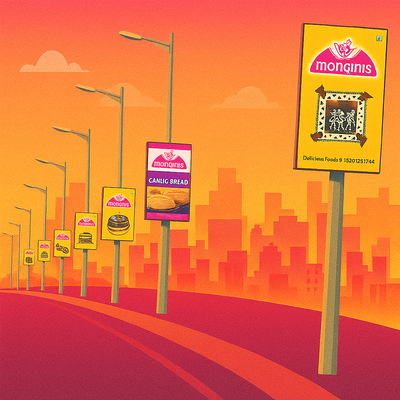
Frankly speaking, most people confuse pole kiosk advertising with other forms of street furniture advertising, but the distinction matters more than you might think when planning your outdoor media strategy. Pole kiosk advertisements are compact, weatherproof display units mounted on dedicated poles at strategic locations throughout urban and semi-urban areas, which typically measure 3 ft x 5 ft and are positioned at eye level to maximize visibility for both pedestrians and vehicle occupants.
What we tell our clients is that advertising pole kiosks function as neighborhood ambassadors for your brand; they are small enough to feel approachable yet prominent enough to command attention, which makes them particularly effective for businesses that need to establish local credibility and trust. The construction typically involves a sturdy metal frame with weather-resistant materials like sunboard or flex printing, which ensures your message remains vibrant and readable despite India's challenging weather conditions that include monsoons, extreme heat, and dust storms.
Our experience with pole kiosk branding across different Indian markets has shown us that these installations work best when they are part of a broader outdoor advertising strategy rather than standalone efforts; we often recommend combining pole kiosk ads with other outdoor media formats to create a comprehensive presence that guides consumers from initial awareness through to final purchase decision, which is something that single-format campaigns struggle to achieve effectively.
How Much Does Pole Kiosk Advertising Cost in India?
The cost structure for pole kiosk advertising varies dramatically across different cities and locations, but what we have found is that most brands are pleasantly surprised by how affordable this medium can be when compared to traditional billboard advertising or digital outdoor displays. In tier-1 cities like Mumbai and Delhi, pole kiosk advertising rates typically work out to somewhere between ₹8,000 to ₹15,000 per month per unit, which includes the basic mounting and maintenance services that ensure your advertisement remains in optimal condition throughout the campaign duration.
What gets interesting is how the advertising cost breaks down when you factor in the additional charges that many agencies do not discuss upfront during initial conversations. Our transparent pricing model includes printing charges that range from ₹2,500 to ₹4,000 depending on the material specifications you choose, installation services that typically add another ₹1,500 to ₹3,000 per location, and the often-overlooked municipal permissions that can cost anywhere from ₹500 to ₹2,000 per site depending on local regulations, which is why we always provide comprehensive quotes that account for these variables.
To be honest, the real value in pole kiosk advertising emerges when you consider the cost per impression metrics; a well-positioned pole kiosk in a high traffic area can generate roughly 25,000 to 40,000 impressions per day, which works out to an incredibly cost effective advertising solution when you calculate the monthly reach against your total investment including all ancillary costs.
What Are the Benefits of Pole Kiosk Advertising?
Here's where most outdoor advertising agencies get it wrong: they position pole kiosk advertising as a budget alternative to larger formats, when in reality, the benefits pole kiosk advertising offers are unique advantages that even premium outdoor media cannot replicate. The eye level positioning creates what we call "conversational distance" with your audience, which means people can actually read detailed information, phone numbers, and website addresses without straining their necks or squinting from a distance, something that becomes particularly valuable for service-based businesses that need to communicate specific offers or contact details.
What a lot of people miss is how pole kiosk ads excel at hyperlocal advertising in ways that larger outdoor media simply cannot match; when we place advertising kiosks near specific neighborhoods, shopping areas, or business districts, they become part of the local landscape that residents and regular commuters begin to trust and rely upon for information about local services, events, and offers. This integration into the community fabric generates brand recall rates that often surprise our clients, particularly when they compare the performance metrics against their previous experiments with larger format outdoor advertising.
On top of that, the flexibility that pole kiosk branding offers in terms of creative execution and campaign modifications makes it an ideal testing ground for new messaging, seasonal promotions, or market-specific adaptations; we have worked with retail clients who use pole kiosk advertising as their primary tool for announcing store openings, special sales, or new product launches because the relatively quick installation process and lower production costs allow for responsive marketing that larger outdoor formats cannot accommodate within reasonable timelines and budgets.
Where Can You Place Pole Kiosk Advertisements?
The strategic placement of advertising pole kiosks requires a deep understanding of traffic patterns, pedestrian behavior, and local regulations, which is something we have developed through years of working with municipal authorities across different Indian cities. High traffic areas near bus stops, metro stations, and major intersections typically offer the best visibility and engagement rates, but what we have learned is that the most effective pole kiosk advertising campaigns often combine these high-visibility locations with more targeted neighborhood placements that reach specific demographic groups during their daily routines.
Business districts and commercial areas present excellent opportunities for B2B focused pole kiosk ads, particularly when you position them near office complexes, co-working spaces, or professional service centers where decision-makers are likely to notice and remember your message during their regular commutes. We worked with a financial services client in Bangalore who achieved remarkable lead generation results by placing advertising kiosks strategically around IT parks and business centers, which allowed them to reach their target audience of young professionals at moments when they were naturally thinking about career and financial planning.
What gets particularly interesting is how residential area placements can work for certain types of businesses; local services like home maintenance, educational institutes, healthcare providers, and retail outlets often see their best ROI from pole kiosk advertising when the installations are positioned along routes that residents use for daily activities like school runs, grocery shopping, or evening walks, which creates the repeated exposure that builds familiarity and trust over time.
How to Choose the Right Pole Kiosk Advertising Agency?
Frankly speaking, the outdoor advertising industry includes plenty of agencies that promise comprehensive pole kiosk advertising services but lack the operational infrastructure to handle the complexities that effective campaigns require across multiple locations and cities. What we tell potential clients is that the right agency should demonstrate three critical capabilities: extensive location networks that provide genuine choice rather than limited inventory, transparent pricing that accounts for all associated costs including permits and maintenance, and proven experience with campaign management that ensures your advertisements remain in optimal condition throughout the agreed duration.
The thing is, successful pole kiosk branding requires much more than simply mounting your creative on available poles; it demands strategic site selection based on your target audience behavior, creative optimization for the specific viewing conditions that pole kiosks create, and ongoing maintenance that preserves your brand image even during challenging weather conditions. Our approach involves detailed site surveys that evaluate factors like traffic density, viewing angles, competing advertisements, and local demographics, which allows us to recommend locations that align with your campaign objectives rather than simply offering whatever inventory happens to be available.
What separates professional outdoor advertising services from basic installation providers is the ability to integrate pole kiosk advertising with broader marketing strategies; we regularly work with clients to ensure their pole kiosk campaigns complement their digital marketing, print advertising, and other outdoor media investments, which creates a unified brand presence that reinforces key messages across multiple touchpoints and maximizes the overall campaign effectiveness.
What Permits Are Required for Pole Kiosk Advertising?
The regulatory landscape for outdoor advertising in India varies significantly from city to city, but what we have learned through our extensive experience is that proper permit management can make the difference between a successful campaign and costly legal complications that damage both your budget and brand reputation. Municipal permissions typically require detailed documentation that includes site plans, structural specifications, duration agreements, and compliance certificates, which is why we maintain dedicated relationships with local authorities across all the markets where we operate pole kiosk advertising campaigns.
What most brands do not realize is that advertising permits often involve multiple approval stages that can include municipal corporations, traffic police, and sometimes state-level authorities depending on the specific locations you want to target; the timeline for securing these approvals typically ranges from two to six weeks, which is why we always recommend starting the permit process well before your desired campaign launch date to avoid delays that could impact seasonal promotions or time-sensitive marketing initiatives.
Our experience managing regulatory compliance for pole kiosks advertising india campaigns has taught us that working with agencies who have established relationships with local authorities can significantly streamline the approval process while ensuring that all installations meet the technical and safety standards that different municipalities require; this proactive approach to permit management not only protects your investment but also ensures that your pole kiosk ads remain in place for the full campaign duration without interruption from compliance issues.
What Creative Strategies Work Best for Pole Kiosk Advertising?
Here's what we have discovered through hundreds of pole kiosk advertising campaigns: the creative strategies that work for large format outdoor advertising often fail completely when applied to the intimate viewing environment that pole kiosks create. The 3 ft x 5 ft format demands a fundamentally different approach that prioritizes clear, bold messaging over complex visual storytelling, which means your creative team needs to distill your brand message down to its most essential elements while maintaining visual impact that commands attention from both pedestrians and vehicle occupants.
What works exceptionally well in our experience is creative that treats the pole kiosk as a conversation starter rather than a complete advertisement; we often recommend including QR codes, short URLs, or simple call-to-action phrases that drive people to digital platforms where they can engage more deeply with your brand story, which creates a bridge between the physical outdoor advertising and your digital marketing ecosystem. One retail client in Pune saw remarkable engagement rates when they used their pole kiosk ads to promote exclusive online offers that were only accessible through QR codes displayed on the kiosks, which created a sense of exclusivity while providing measurable ROI data.
The weather resistance requirements for outdoor pole kiosks advertising also influence creative decisions in ways that many brands overlook during the design phase; colors that look vibrant in digital proofs may fade differently under intense sunlight, and fine text that appears readable on screen can become illegible when viewed from moving vehicles, which is why we always recommend physical mockups and on-site testing before finalizing creative materials for large-scale pole kiosk campaigns.
How Do You Measure ROI from Pole Kiosk Advertising?
To be fair, measuring the effectiveness of traditional outdoor advertising has always been challenging, but pole kiosk advertising offers several measurement opportunities that larger format outdoor media cannot provide due to their positioning and scale. What we have developed over the years is a comprehensive measurement framework that combines traditional metrics like estimated impressions and reach with more sophisticated tracking methods that include QR code scans, unique promotional codes, and location-based digital engagement data, which provides our clients with actionable insights about campaign performance and audience response.
The thing is, pole kiosk ads generate measurable results most effectively when they are integrated with digital marketing strategies that can track user behavior and conversion paths; we regularly work with clients to create campaign-specific landing pages, phone numbers, or promotional codes that allow for direct attribution of leads and sales to specific pole kiosk locations, which provides the concrete ROI data that marketing managers need to justify outdoor advertising investments to senior management.
What gets particularly interesting is how foot traffic analysis and location intelligence tools can now provide detailed insights about the demographics and behavior patterns of people who pass by specific pole kiosk installations; this data allows us to optimize campaign performance by adjusting creative messages, refining location selection, and timing campaign launches to coincide with peak audience availability, which transforms pole kiosk advertising from a traditional awareness medium into a data-driven marketing channel that delivers measurable business results.
Which Cities Offer the Best Opportunities for Pole Kiosk Advertising?
Our experience managing outdoor advertising campaigns across 500+ Indian cities has given us unique insights into which markets offer the most favorable conditions for pole kiosk advertising success, and what we have found often surprises brands who assume that tier-1 cities automatically provide the best opportunities. Mumbai advertising markets offer incredible reach and frequency potential due to the city's dense population and extensive public transportation network, but the high costs and intense competition for prime locations mean that ROI calculations often favor tier-2 cities where advertising rates are more reasonable and local market penetration can be achieved more cost-effectively.
Delhi advertising presents unique opportunities for pole kiosk campaigns due to the city's extensive metro network and business districts that generate consistent pedestrian traffic throughout the day; however, what we tell our clients is that success in Delhi requires careful attention to seasonal factors and air quality considerations that can impact visibility and audience behavior patterns. Bangalore advertising markets have shown particularly strong performance for technology, education, and lifestyle brands that want to reach the city's young professional demographic, which responds well to pole kiosk advertising that incorporates digital integration and interactive elements.
What we find especially promising is how tier-2 and tier-3 cities like Pune, Hyderabad, Indore, and Coimbatore are developing sophisticated outdoor advertising ecosystems that offer excellent pole kiosk advertising opportunities at much more accessible price points; these markets often provide better audience attention and lower creative fatigue compared to the oversaturated outdoor advertising environments in major metropolitan areas, which means your pole kiosk ads can achieve stronger brand recall and engagement rates while operating within more reasonable budget parameters.
Frequently Asked Questions
Q: What is the standard size of pole kiosk advertisements?
The standard dimensions for pole kiosk advertisements in India are typically 3 ft x 5 ft, which we have found provides the optimal balance between visibility and cost-effectiveness for most advertising campaigns. However, what many brands do not realize is that the actual viewing area can vary slightly depending on the mounting system and frame design that different cities require; some municipalities mandate specific border widths or structural elements that can reduce the usable creative space by 2-3 inches on each side, which is why we always provide exact specifications during the campaign planning phase. Our experience has shown that this size works exceptionally well for most types of advertising content, from retail promotions and service announcements to event marketing and brand awareness campaigns, because it provides enough space for impactful visuals and essential information without overwhelming viewers or requiring the massive production budgets that larger outdoor formats demand.
Q: How much does pole kiosk advertising cost in India?
Pole kiosk advertising costs vary significantly across different cities and locations, but our typical pricing structure ranges from ₹8,000 to ₹15,000 per month per unit in major cities, with additional costs for printing, installation, and permits that can add another ₹4,000 to ₹8,000 to your total investment depending on the specific requirements and locations you choose. What we always explain to our clients is that the real value calculation should consider the cost per impression rather than just the absolute monthly rates; a well-positioned pole kiosk in a high-traffic area can generate 25,000 to 40,000 daily impressions, which works out to remarkably cost-effective advertising when compared to digital marketing or print advertising alternatives. Tier-2 and tier-3 cities typically offer much more affordable rates that range from ₹4,000 to ₹8,000 per month, which makes pole kiosk advertising an accessible option for local businesses and regional campaigns that need to maximize reach while operating within limited budgets.
Q: Do I need permits for pole kiosk advertising?
Yes, pole kiosk advertising requires proper municipal permissions and permits, which is something that many first-time outdoor advertisers overlook until they encounter compliance issues that can result in removal of their advertisements and potential legal complications. The permit requirements vary from city to city, but typically involve applications to municipal corporations, traffic authorities, and sometimes state-level agencies depending on the specific locations and local regulations that govern outdoor advertising activities. What we handle for our clients is the entire permit process, which usually takes 2-6 weeks and involves detailed documentation including site plans, structural specifications, duration agreements, and compliance certificates that demonstrate adherence to local safety and aesthetic standards. The permit costs typically range from ₹500 to ₹2,000 per location depending on the city and specific site requirements, but this investment is essential for ensuring that your pole kiosk advertisements remain in place for the full campaign duration without interruption from regulatory enforcement actions.
Q: What materials are used for pole kiosk advertisements?
The materials used for pole kiosk advertisements must withstand India's challenging weather conditions, which include intense sunlight, heavy monsoon rains, dust storms, and temperature variations that can quickly degrade inferior materials and damage your brand image. We typically recommend high-quality flex printing or sunboard materials that offer excellent color retention and weather resistance; flex materials work particularly well for campaigns longer than 3 months because they maintain their appearance and structural integrity even under extreme weather conditions, while sunboard options can be more cost-effective for shorter campaigns or indoor/covered installations. The mounting systems usually involve powder-coated aluminum or steel frames that resist corrosion and provide secure installation, which is essential for maintaining safety standards and preventing damage to your advertisements during high winds or storms. What we always emphasize to our clients is that investing in quality materials and professional installation pays for itself through reduced maintenance costs and better brand presentation throughout the campaign duration, which is why we never compromise on material specifications even when clients are working within tight budget constraints.
Q: How long can pole kiosk advertisements be displayed?
Pole kiosk advertisements can typically be displayed for periods ranging from one month to one year, depending on your campaign objectives, budget considerations, and local regulations that may impose maximum duration limits for outdoor advertising installations. What we have found through our extensive campaign experience is that most effective pole kiosk advertising campaigns run for 3-6 months, which provides sufficient time for message repetition and brand recall development while allowing for seasonal adjustments and creative refreshes that maintain audience interest and engagement. Shorter campaigns of 1-2 months work well for event promotions, product launches, or seasonal sales, but may not provide enough exposure time for complex messaging or brand building objectives that require sustained visibility to achieve meaningful results. Longer campaigns of 6-12 months offer excellent value for money and can be particularly effective for local businesses that want to establish ongoing presence in their target neighborhoods, but require careful attention to creative maintenance and potential message updates that keep the advertising content fresh and relevant to changing market conditions.
Q: Which cities offer the best pole kiosk advertising opportunities?
The best cities for pole kiosk advertising depend on your target audience, budget parameters, and campaign objectives, but our experience across 500+ Indian cities has shown us that tier-2 cities often provide superior ROI compared to major metropolitan areas due to lower costs, less advertising clutter, and higher audience attention rates. Cities like Pune, Indore, Coimbatore, Kochi, and Bhubaneswar offer excellent pole kiosk advertising opportunities with reasonable rates, cooperative municipal authorities, and growing consumer markets that respond well to outdoor advertising campaigns. Tier-1 cities like Mumbai, Delhi, Bangalore, and Chennai certainly offer massive reach potential and sophisticated target audiences, but the higher costs and intense competition for prime locations mean that campaign success requires larger budgets and more strategic planning to achieve meaningful market penetration. What we typically recommend is a mixed approach that combines high-impact locations in major cities with broader coverage in tier-2 markets, which allows brands to achieve both prestige positioning and cost-effective reach within a single integrated campaign that maximizes overall marketing effectiveness.
Q: What is the difference between pole kiosks and billboards?
The fundamental difference between pole kiosks and billboards lies in their scale, positioning, and audience engagement characteristics, which create distinct advantages and applications that smart advertisers can use strategically within comprehensive outdoor advertising campaigns. Pole kiosks operate at eye level with compact 3 ft x 5 ft dimensions that create intimate viewing experiences and allow for detailed information communication, while billboards are large-format installations positioned high above street level that focus on broad brand awareness and simple messaging that can be absorbed quickly by passing traffic. What we explain to our clients is that pole kiosks excel at local market penetration, detailed product information, and call-to-action messaging that drives immediate response, while billboards work better for brand building, mass awareness, and simple memorable messages that reinforce brand recognition across large geographic areas. The cost structures also differ significantly, with pole kiosk advertising typically requiring much lower monthly investments while billboards demand substantial budgets that may not be justified for local or regional campaigns; this makes pole kiosks an excellent entry point for businesses that want to test outdoor advertising effectiveness before committing to larger format investments.
Q: How do you measure the effectiveness of pole kiosk advertising?
Measuring pole kiosk advertising effectiveness requires a combination of traditional outdoor advertising metrics and modern digital tracking methods that provide comprehensive insights into campaign performance and audience response patterns. We typically track estimated daily impressions based on traffic counts and pedestrian flow data, but what provides more actionable insights is the integration of unique tracking mechanisms like QR codes, campaign-specific phone numbers, promotional codes, and dedicated landing pages that allow for direct attribution of leads and conversions to specific pole kiosk locations. Foot traffic analysis using location intelligence tools can provide detailed demographic and behavioral data about people who pass by your pole kiosk installations, which helps optimize creative messaging and site selection for future campaigns. What we have found most valuable is conducting pre and post-campaign brand awareness surveys in the specific geographic areas where pole kiosks are installed, combined with digital engagement tracking that measures how outdoor advertising exposure influences online search behavior, website visits, and social media engagement patterns; this comprehensive measurement approach transforms pole kiosk advertising from a traditional awareness medium into a data-driven marketing channel that delivers measurable business results and clear ROI justification for continued investment.
Maximizing Your Pole Kiosk Advertising Investment
The outdoor advertising landscape in India continues to evolve rapidly, but what remains constant is the fundamental effectiveness of well-executed pole kiosk advertising campaigns that combine strategic location selection, compelling creative execution, and professional campaign management to deliver measurable business results. Our experience working with hundreds of brands across diverse industries has convinced us that pole kiosk advertising represents one of the most accessible and cost-effective entry points into outdoor advertising, particularly for businesses that need to establish strong local presence without the massive investments that traditional billboard campaigns typically require.
What we consistently tell our clients is that successful pole kiosk advertising requires thinking beyond simple brand exposure toward creating integrated marketing experiences that connect physical outdoor advertising with digital engagement opportunities; this approach not only maximizes the immediate impact of your pole kiosk investments but also creates valuable data and insights that inform broader marketing strategies and future campaign optimizations. The brands that achieve the best results from pole kiosk advertising are those that view it as part of a comprehensive marketing ecosystem rather than an isolated advertising tactic, which allows them to leverage the unique advantages of eye-level outdoor advertising while building toward larger marketing objectives.
As India's advertising landscape becomes increasingly competitive and fragmented, the intimate scale and local focus of pole kiosk advertising offers brands a way to cut through the noise and connect meaningfully with their target audiences at moments when they are naturally receptive to new information and offers. Whether you are launching a new business, expanding into new markets, or looking for cost-effective ways to maintain ongoing brand presence in key locations, pole kiosk advertising provides the flexibility, affordability, and measurability that modern marketing demands, backed by the expertise and infrastructure that ensures your campaigns deliver the results your business needs to grow and thrive in today's competitive marketplace.
