
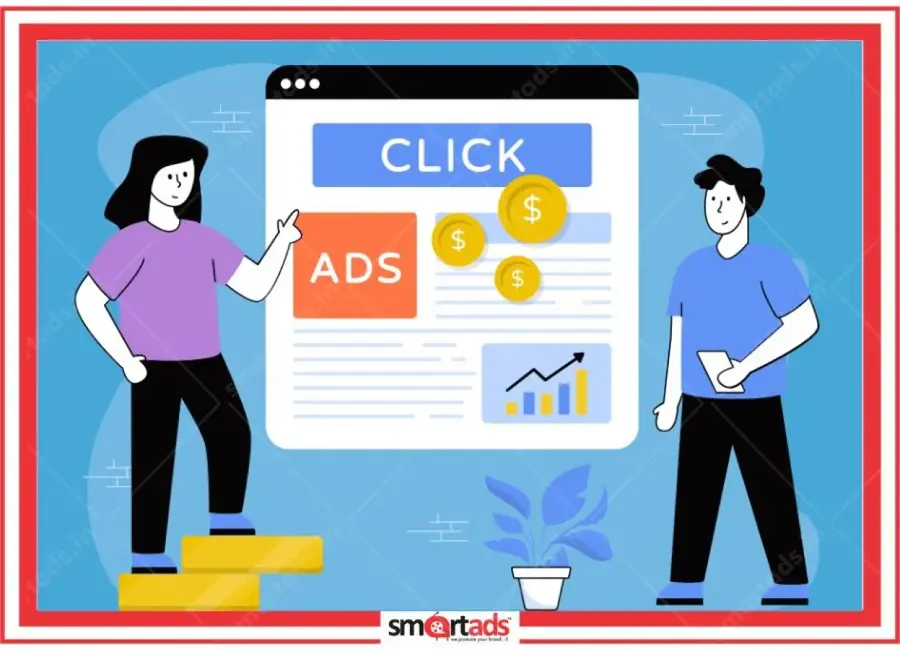
Banner
Display
Banner advertising is shown in a rectang
Rate per Click / Month
Choose a geographic location that meets
₹480.00
Showing 1 to 3 of 3 Results
MEDIA DETAILS
Display
Banner advertising is shown in a rectang
Rate per Click / Month
Choose a geographic location that meets
₹480.00
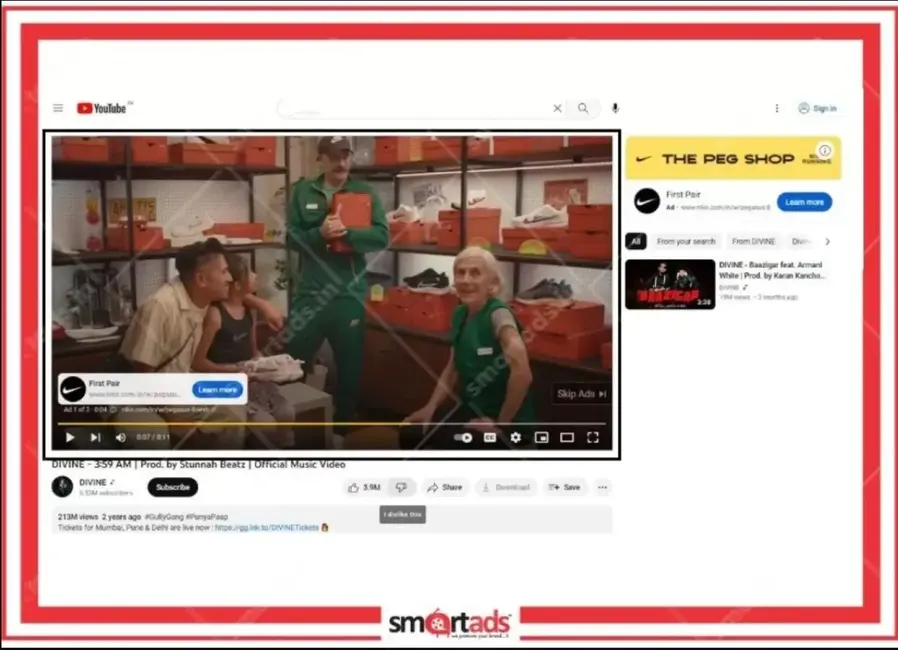
MP4/MKV
A video ad that includes a 0-20 second
Rate per Impressions / Month
Choose a geographic location that meets
₹270.00
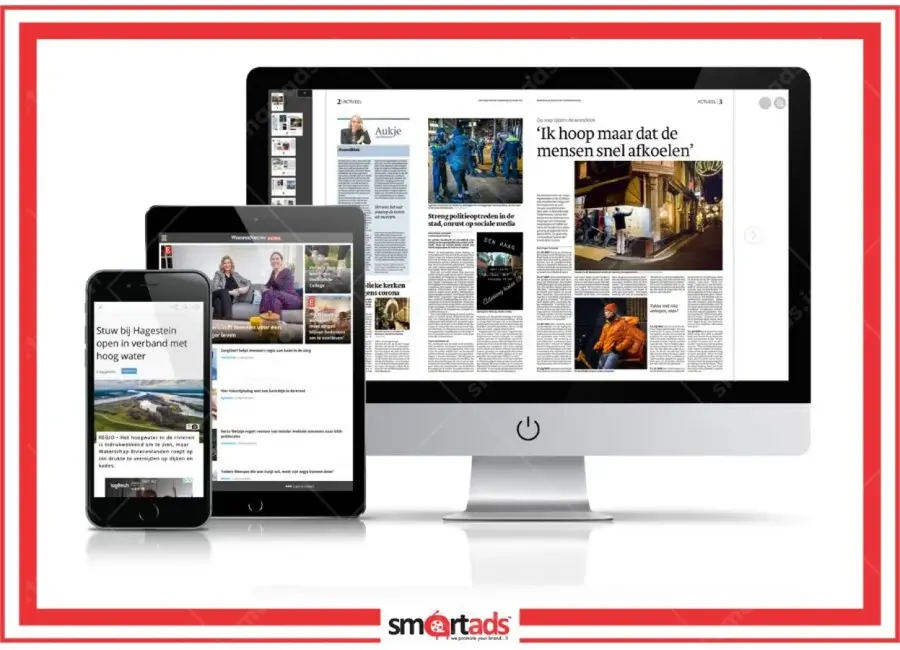
Min 500 words with video/Link
Min 300 to Max 1000 words in article inc
Rate per Article / Time
Choose a geographic location that meets
₹100.00
MEDIA REACH

Language :
English
MonthlyImpression :
20 Bn
Category :
Travel and Tourism
Medium :
Website
Duration :
10 Sec
PricingUnit :
CPM /CPC
Digital is the only medium with closed-loop measurement from impression to sale. Travel uses that to make every rupee accountable — but accountability isn't the same as performance. Available placements include SEM campaigns, social media ads, programmatic banners, OTT video spots, app install campaigns, and WhatsApp broadcast marketing.
Digital marketing connects brands with audiences who are actively searching, browsing, or engaging with content relevant to their needs and interests. travel campaigns work hardest when planned around demographic and psychographic targeting, geo-fencing for local relevance, frequency capping, creative rotation, and multi-platform budget distribution. Test 3-5 creative variants simultaneously and let data — not opinion — allocate budget. The creative you think will win rarely does.
Plan reach through audience targeting that maps to your customer profile, then optimise toward conversions rather than impressions — digital is most efficient when measured at the bottom of the funnel. Integrated campaigns where offline touchpoints feed digital conversion funnels. That's the play.
If you're planning Travel advertising in India, start by matching the medium to real audience attention. Digital marketing connects brands with audiences who are actively searching, browsing, or engaging with content relevant to their needs and interests. Keep the message simple and run long enough to build frequency, because repetition is where recall compounds. Plan Travel campaigns across India through measurable digital placements. Use Language (English) and Reach (20 Bn) to keep the plan practical, with emphasis on integrated campaigns where offline touchpoints feed digital conversion funnels.
Travel advertising in India uses Digital placements to keep a brand visible in moments that fit audience behavior. Unlike channels that are easy to skip, this medium works through contextual presence and repeated exposure. A good definition includes where it appears (SEM campaigns, social media ads, programmatic banners, OTT video spots, app install campaigns, and WhatsApp broadcast marketing), how it's planned (demographic and psychographic targeting, geo-fencing for local relevance, frequency capping, creative rotation, and multi-platform budget distribution), and what execution requires. For India, digital campaigns plan around audience signals, creative variants, and conversion tracking. When those parts are aligned upfront, campaigns feel intentional, look consistent, and build stronger recall over time.
Reach in India depends on how well placements map to audience movement, dwell time, and daily routines. Instead of buying isolated premium spots, build a cluster of placements your audience naturally encounters multiple times. Reach for digital in India is dictated by audience targeting precision and bid strategy. Structure frequency around campaign duration and audience density in your priority zones within India. For response-led goals, pair reach with tracking-ready CTAs and a clear path to action. Language (English) and Reach (20 Bn) help quantify the reach potential for this option.
Ready to plan Travel advertising in India? Share your goal, budget range, preferred dates, and priority zones. we'll recommend the right format mix from available Digital touchpoints, apply smart planning levers to protect your budget, and build a practical schedule that avoids wasted spend. If performance matters, we'll set tracking upfront so every impression is measurable. The final recommendation will stay focused on integrated campaigns where offline touchpoints feed digital conversion funnels. Get a customized media plan and pricing from SmartAds.
For India, the levers that move outcomes are: demographic and psychographic targeting, geo-fencing for local relevance, frequency capping, creative rotation, and multi-platform budget distribution.
Across India, travel that perform well share three common traits: tight audience targeting, consistent creative across exposures, and measurement that closes the loop on attribution.
end-to-end funnel analytics, click-to-conversion ratios, cost-per-acquisition benchmarks, and attribution modelling across online and offline channels
Specifications
Language: English
Reach: 20 Bn
Category: Travel and Tourism
Medium: Website
Duration: 10 Sec
Pricing Unit: CPM /CPC
Creative requirements for India: Write headlines that match user intent: informational queries need educational content, transactional queries need offers, and brand queries need reassurance.
