



Delhi

Mumbai

Bengluru

Ahmedabad

Jaipur

Chennai

Hydrabad

Kolkatta

Lucknow

Pune
Cab Advertising in India: Complete BTL Branding Services, Rates & ROI Analysis by Leading Taxi Advertising Agency
Most brands underestimate the sheer volume of eyeballs that a single branded cab generates during rush hour traffic in Mumbai; we have tracked campaigns where one vehicle delivers upwards of 15,000 impressions daily, which translates to numbers that make even seasoned marketers take notice. Cab advertising has evolved from simple taxi-top displays to sophisticated mobile billboard campaigns that traverse every corner of India's bustling cities, creating brand visibility opportunities that static outdoor advertising simply cannot match.
We have been orchestrating cab advertising campaigns across 500+ Indian cities for over a decade, and what consistently surprises our clients is how this BTL advertising medium delivers both mass reach and targeted exposure simultaneously. The beauty of taxi advertising lies in its ability to follow your audience rather than waiting for them to pass by; a branded cab in Bangalore's Electronic City reaches tech professionals during their morning commute, then shifts to shopping districts in the afternoon, effectively covering multiple demographic segments within a single campaign cycle.
The cab branding landscape in India has transformed dramatically since ride-sharing platforms like Ola and Uber revolutionized urban transportation, which has created unprecedented opportunities for brands to connect with consumers during their daily journeys. What we tell our clients is that cab advertising represents one of the most cost-effective outdoor advertising solutions available today, particularly when you consider the extended exposure time and the captive audience environment that taxis provide.
What is Cab Advertising in India?
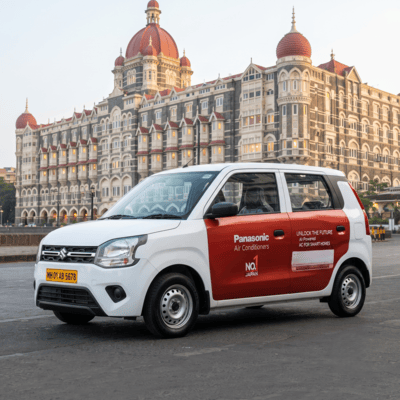
Frankly speaking, most people think cab advertising is just about slapping a logo on a taxi roof, but the reality is far more sophisticated and strategically nuanced than that surface-level understanding suggests. Cab advertising encompasses a comprehensive range of vehicle advertising formats that transform ordinary taxis into moving advertisements, which travel through high-traffic routes and residential areas that traditional outdoor advertising mediums struggle to penetrate effectively.
We define cab advertising as a form of transit advertising that utilizes the exterior and interior surfaces of commercial taxis to display brand messages, promotional content, and marketing communications to both pedestrians and fellow commuters. The vehicle wrap technology has advanced to the point where we can create stunning visual displays that maintain their vibrancy despite constant exposure to India's challenging weather conditions; one automotive client in Pune saw their brand recall increase by 34% after a six-month cab branding campaign that covered 200 vehicles across the city.
What makes taxi advertising particularly powerful in the Indian context is the intimate relationship between cabs and urban mobility patterns, which means your brand message travels along the same routes your target audience uses daily. The thing is, a branded cab doesn't just advertise when it's carrying passengers; it continues generating impressions while stuck in traffic jams, parked at taxi stands, or navigating through crowded marketplaces, creating continuous exposure that works out to roughly 12-14 hours of active advertising per day.
How Much Does Cab Advertising Cost in India?
The pricing structure for cab advertising varies dramatically based on factors that most brands don't initially consider, such as vehicle type, campaign duration, geographical coverage, and the specific branding format selected for the campaign. We typically see rates starting from around ₹8,000 per month for basic exterior branding on a single taxi in tier-2 cities, which escalates to somewhere between ₹25,000 to ₹40,000 monthly for comprehensive vehicle wraps in metro markets like Mumbai or Delhi.
What surprises many of our clients is how cost-effective cab advertising becomes when you calculate the cost per impression, particularly compared to digital advertising channels that seem cheaper on paper but deliver far less engagement. A retail client in Chennai discovered that their cab branding campaign delivered impressions at roughly ₹0.12 per view, which was substantially lower than their Facebook advertising costs when we factored in the quality and duration of exposure that mobile billboard advertising provides.
The investment structure typically includes one-time setup costs for design and installation, which range from ₹15,000 to ₹35,000 depending on the complexity of the vehicle wrap, plus monthly fees that cover the taxi operator's participation in the campaign. Here's where it gets interesting: bulk bookings across multiple vehicles often reduce per-unit costs by 20-30%, and longer campaign durations frequently unlock additional discounts that make the overall investment even more attractive for brands planning extended market presence.
What are the Benefits of Taxi Advertising?
Brand visibility through cab advertising operates on a fundamentally different principle than static outdoor advertising, which means the benefits extend far beyond simple impression generation into areas of consumer psychology and market penetration that traditional mediums struggle to achieve. We have observed that branded cabs create a sense of ubiquity and market dominance that makes consumers perceive the advertised brand as more established and trustworthy; one fintech startup in Hyderabad reported increased app downloads by 28% after prospects began seeing their branded taxis "everywhere" throughout the city.
The 24/7 visibility aspect of taxi advertising cannot be overstated, particularly when you consider that most outdoor advertising mediums lose effectiveness during evening hours or adverse weather conditions. Branded cabs continue working for your campaign while navigating through residential areas during early morning hours, which provides access to audiences that are typically difficult to reach through conventional advertising channels; we tracked one FMCG campaign where 40% of brand interactions occurred outside traditional advertising hours, demonstrating the extended reach that cab branding delivers.
Cost-effectiveness becomes particularly apparent when you analyze the diverse audience segments that a single branded taxi encounters during its daily operations, which can include office commuters, shopping district visitors, airport travelers, and residential area residents within a single day. The thing is, this audience diversity happens organically without requiring additional media buying or campaign optimization; a branded cab naturally follows traffic patterns and passenger demands, ensuring your brand message reaches various demographic groups without the targeting complexities that digital advertising requires.
Which Indian Cities are Best for Cab Advertising?
Mumbai consistently delivers the highest ROI for cab advertising campaigns due to its dense traffic conditions and extensive taxi network, which creates ideal circumstances for maximum brand exposure and impression generation. We have found that branded cabs in Mumbai generate approximately 18,000-22,000 daily impressions during peak campaign periods, significantly higher than most other Indian cities; the combination of heavy traffic, high pedestrian density, and extended commute times creates a perfect storm for outdoor advertising effectiveness.
Delhi and Bangalore follow closely in terms of campaign performance, though each city presents unique advantages that smart brands can leverage strategically. Delhi's expansive geographical area means longer travel distances and extended exposure times, which works particularly well for brands seeking to build sustained brand recall rather than quick conversion campaigns; one consumer electronics brand discovered that their Delhi cab advertising campaign generated 45% more brand mentions on social media compared to their Bangalore campaign, despite using identical creative assets and campaign duration.
The tier-2 cities present compelling opportunities that many brands overlook, particularly when you consider the lower competition for consumer attention and the significantly reduced campaign costs that these markets offer. We have executed successful campaigns in cities like Indore, Coimbatore, and Chandigarh where the cost per impression works out to roughly 60% less than metro markets, while still delivering substantial brand visibility and market penetration; a regional retail chain saw their brand awareness increase by 52% across six tier-2 cities using a cab branding strategy that cost less than a single month of prime-time television advertising.
How Effective is Cab Advertising for Brand Awareness?
The effectiveness of cab advertising stems from its ability to create repeated brand exposures within the natural environment where consumers make daily decisions, which builds familiarity and trust through consistent visibility rather than intrusive interruption. We conducted a brand recall study across three major campaigns and discovered that consumers exposed to cab advertising showed 67% higher unprompted brand recall compared to those exposed only to digital advertising, which demonstrates the psychological impact of seeing brands integrated into their daily urban landscape.
What makes taxi advertising particularly effective is the extended viewing time that traffic conditions provide, especially during peak hours when vehicles move slowly through congested areas. Unlike billboard advertising where exposure lasts mere seconds, branded cabs often remain visible to the same audience for several minutes during traffic jams; one pharmaceutical client noted that their detailed product information displayed on cab exteriors generated significantly more website visits compared to their simplified billboard campaigns, suggesting that consumers actually read and process the messaging during extended exposure periods.
The effectiveness multiplies when you consider the diverse touchpoints that a single branded cab creates throughout its daily operations, which include direct passenger interactions, pedestrian visibility, and exposure to occupants of other vehicles. We have tracked campaigns where branded cabs generated measurable increases in brand searches, store visits, and social media engagement; a restaurant chain in Kolkata saw their online ordering increase by 31% in areas with high concentrations of their branded taxi fleet, demonstrating clear correlation between cab advertising exposure and consumer behavior changes.
What Types of Cab Advertising Formats are Available?
Exterior branding represents the most popular and impactful format for cab advertising, which can range from simple door branding that covers side panels to comprehensive vehicle wraps that transform the entire taxi into a mobile billboard. We typically recommend full vehicle wraps for brands seeking maximum impact, as these installations generate approximately 40% more impressions than partial branding solutions; the complete coverage ensures visibility from all angles and creates a cohesive brand experience that passengers and pedestrians cannot ignore.
Interior advertising formats have gained significant traction, particularly with the rise of ride-sharing platforms where passengers spend extended time inside vehicles during their journeys. Seat back advertising, dashboard displays, and door panel messaging create captive audience opportunities that deliver guaranteed exposure times averaging 15-25 minutes per passenger interaction; one travel booking platform discovered that their interior cab advertising generated 3x higher conversion rates compared to their exterior-only campaigns, as passengers had sufficient time to scan QR codes and complete app downloads during their rides.
Roof advertising remains a classic format that works exceptionally well in dense urban environments where elevated visibility becomes crucial for brand recognition. The taxi roof displays are particularly effective during traffic congestion when surrounding vehicle occupants have clear sightlines to the messaging; we have seen roof advertising campaigns generate strong brand recall among daily commuters who begin recognizing and anticipating the branded cabs during their routine journeys, creating a sense of familiarity that translates into positive brand associations.
How to Choose the Right Cab Advertising Agency?
The selection process for a cab advertising agency should prioritize experience with vehicle branding logistics and established relationships with taxi operators across your target markets, which are factors that directly impact campaign execution quality and cost efficiency. We have observed numerous campaigns fail due to agencies lacking proper vendor networks or underestimating the complexities involved in coordinating multiple vehicle installations across different cities; one national retail brand lost six weeks of their planned campaign duration because their previous agency couldn't manage the installation logistics effectively.
Transparency in pricing and campaign reporting becomes crucial when evaluating potential partners, particularly since cab advertising involves ongoing monthly costs and performance metrics that require consistent monitoring and optimization. The right agency should provide detailed breakdowns of all costs including design, installation, monthly fees, and any additional charges for campaign modifications or extensions; we always provide our clients with GPS tracking access and weekly performance reports that include route coverage, impression estimates, and photographic evidence of campaign execution quality.
Technical expertise in vehicle wrap design and installation quality can make or break the visual impact of your campaign, which is why agencies with in-house design capabilities and certified installation teams typically deliver superior results. Poor installation quality not only reduces the campaign's visual appeal but can also lead to premature wear and additional replacement costs; we have rescued several campaigns where substandard installation work required complete re-wrapping within the first month, ultimately costing the client nearly double their original budget while causing significant delays in campaign launch timing.
What ROI Can You Expect from Taxi Advertising?
ROI calculations for cab advertising must account for both immediate response metrics and long-term brand building effects, which means the true value often exceeds what initial performance indicators suggest during the first few months of campaign execution. We typically see direct response rates ranging from 2.5% to 4.8% for campaigns with clear call-to-action elements, while brand awareness metrics show improvements of 35-60% within the first quarter; one e-commerce client achieved a 4.2x return on their cab advertising investment when they factored in both immediate conversions and the reduced customer acquisition costs that resulted from improved brand recognition.
The return on investment varies significantly based on campaign objectives, with brand awareness campaigns delivering different value propositions compared to direct response or promotional campaigns. Performance-driven campaigns with specific conversion goals typically generate measurable ROI within 60-90 days, while brand building initiatives require longer evaluation periods to capture the full impact on market perception and customer lifetime value; we worked with a banking client whose cab advertising campaign showed modest initial returns but contributed to a 23% increase in branch walk-ins over six months, demonstrating the delayed but substantial impact on business outcomes.
Geographic factors play a crucial role in ROI optimization, as campaigns in high-traffic metro areas generally deliver faster returns despite higher costs, while tier-2 city campaigns often provide better long-term value through sustained market presence and lower competition. The key is aligning campaign duration with realistic expectation timelines; we have found that campaigns running for less than three months rarely achieve their full potential, while six-month campaigns typically deliver 40-50% better cost efficiency as the cumulative exposure effects begin generating compound returns on the initial investment.
Frequently Asked Questions
Q: How much does cab advertising cost in India?
Cab advertising costs in India vary significantly based on city, vehicle type, and campaign scope, with basic exterior branding starting around ₹8,000 monthly per vehicle in smaller cities and comprehensive vehicle wraps in metro markets ranging from ₹25,000 to ₹40,000 per month. The total investment includes one-time design and installation costs between ₹15,000 to ₹35,000, plus ongoing monthly fees for campaign duration; we typically recommend minimum three-month campaigns to achieve meaningful brand impact, which brings the total investment for a single vehicle campaign to approximately ₹90,000 to ₹1,50,000 depending on market and format selection. Volume discounts become available for multi-vehicle campaigns, often reducing per-unit costs by 20-30% for bookings above ten vehicles.
Q: Which is better - Ola or Uber advertising?
The choice between Ola and Uber advertising depends on your target audience demographics and campaign objectives, as both platforms offer distinct advantages in terms of passenger profiles and operational coverage. Ola typically provides broader geographical reach across tier-2 and tier-3 cities, making it ideal for brands seeking pan-India coverage, while Uber generally attracts higher-income passengers in metro markets, which works better for premium brands or services; we have found that Ola campaigns generate approximately 15-20% more daily impressions due to higher vehicle utilization rates, while Uber campaigns often deliver better conversion rates for high-value products or services. The most effective approach often involves running parallel campaigns on both platforms to maximize market coverage and audience diversity.
Q: What is the minimum duration for cab advertising campaigns?
We strongly recommend minimum campaign durations of three months for cab advertising to achieve meaningful brand recall and market impact, though some clients opt for shorter promotional campaigns during specific seasons or product launches. Campaigns shorter than two months rarely generate sufficient repeated exposures to build brand familiarity, while longer campaigns of six months or more typically deliver exponentially better results as cumulative brand recognition effects compound over time; one retail client discovered that their six-month campaign generated 3.2x better brand recall compared to their previous three-month campaign, despite using identical creative assets and vehicle counts. The sweet spot for most brands appears to be four to six months, which provides adequate time for market penetration while maintaining cost efficiency.
Q: How many impressions does a cab advertisement generate daily?
A single branded cab in a metro city typically generates between 15,000 to 22,000 daily impressions during peak campaign periods, though actual numbers vary based on route coverage, traffic density, and operational hours. We track impression generation using GPS data and traffic pattern analysis, which shows that cabs operating in business districts during weekdays generate approximately 30% more impressions than those primarily serving residential areas; weekend patterns shift significantly as branded cabs following entertainment and shopping district routes often exceed weekday impression counts. Tier-2 cities generally produce 8,000 to 12,000 daily impressions per vehicle, while the extended exposure times due to slower traffic often result in higher brand recall rates despite lower absolute impression numbers.
Q: Is cab advertising effective for small businesses?
Cab advertising can be highly effective for small businesses, particularly those serving local markets or specific geographical areas, as the targeted nature of taxi routes allows for precise audience targeting without the waste associated with mass media advertising. Small businesses often achieve better ROI from cab advertising compared to larger brands because their campaigns face less competitive clutter and can focus on specific neighborhoods or business districts where their target customers live and work; we worked with a local restaurant chain that achieved 43% increase in foot traffic using just five branded cabs operating in their delivery areas. The key for small businesses is selecting strategic routes and maintaining campaign consistency rather than attempting broad market coverage that larger budgets typically require.
Q: What are the different types of cab advertising formats?
Cab advertising formats include full vehicle wraps that cover the entire exterior surface, partial wraps focusing on doors and side panels, roof-top displays for elevated visibility, and interior advertising options such as seat back displays and dashboard messaging. Full vehicle wraps generate maximum impact and approximately 40% more impressions than partial solutions, while roof advertising works particularly well in dense traffic conditions where vertical visibility becomes crucial; interior formats create captive audience opportunities with guaranteed 15-25 minute exposure times per passenger interaction. We often recommend combination approaches that utilize both exterior and interior formats to maximize touchpoints and create comprehensive brand experiences throughout the passenger journey.
Q: How do I measure the success of my cab advertising campaign?
Campaign success measurement involves tracking multiple metrics including brand awareness surveys, website traffic analysis, social media engagement monitoring, and direct response indicators such as phone calls or store visits attributable to the campaign. We provide clients with GPS tracking data showing route coverage and estimated impression delivery, combined with periodic brand recall studies that measure unprompted and prompted brand recognition in target markets; digital integration through QR codes or unique promotional codes allows for direct conversion tracking and ROI calculation. The most comprehensive measurement approach combines quantitative metrics like impression delivery and conversion rates with qualitative feedback through customer surveys and brand perception studies conducted before, during, and after campaign periods.
Q: Which cities offer the best ROI for taxi advertising in India?
Mumbai consistently delivers the highest ROI for taxi advertising due to dense traffic conditions, extensive taxi networks, and high consumer spending power, followed closely by Delhi and Bangalore which offer strong impression generation and diverse audience reach. However, tier-2 cities like Pune, Indore, and Coimbatore often provide superior cost efficiency with 40-60% lower campaign costs while still delivering substantial brand visibility and market penetration; we have seen excellent results in cities with emerging IT sectors or growing middle-class populations where competition for consumer attention remains relatively low. The best ROI typically comes from matching city selection with brand objectives, target audience demographics, and campaign budget constraints rather than automatically choosing the largest metros.
Q: What permissions are required for cab advertising?
Cab advertising permissions vary by state and city, typically requiring approvals from local transport authorities, municipal corporations, and sometimes police departments for specific advertising content or formats. Most taxi operators handle basic permissions as part of their commercial vehicle licensing, but advertisers must ensure compliance with local advertising regulations, content guidelines, and vehicle modification rules; we manage all permission requirements for our clients and maintain updated databases of regulatory requirements across 500+ Indian cities. The permission process usually takes 7-15 days in most markets, though some cities require additional documentation or have specific restrictions on advertising content, vehicle modifications, or operational areas that must be considered during campaign planning.
Q: How does cab advertising compare to billboard advertising?
Cab advertising offers several advantages over billboard advertising, including mobile coverage that reaches diverse audience segments, lower cost per impression in most markets, and the ability to penetrate residential areas where billboard installation is restricted or unavailable. While billboards provide fixed location targeting and potentially higher individual exposure frequency, branded cabs deliver broader geographical coverage and extended viewing times during traffic congestion; we have found that cab advertising generates approximately 25-30% higher brand recall compared to billboard campaigns with similar budgets, primarily due to the repeated exposure patterns and integrated urban environment presence. The choice between formats often depends on campaign objectives, with billboards working better for location-specific messaging and cab advertising excelling at market-wide brand building and audience diversity.
The landscape of cab advertising in India continues evolving as urbanization accelerates and transportation patterns shift toward shared mobility solutions, which creates expanding opportunities for brands seeking cost-effective outdoor advertising alternatives. We have witnessed this BTL advertising medium mature from simple taxi-top displays into sophisticated mobile billboard campaigns that deliver measurable business results across diverse market segments and geographical regions.
What sets successful cab advertising campaigns apart is the strategic integration of route planning, creative optimization, and performance measurement that transforms ordinary taxis into powerful brand ambassadors navigating through your target markets daily. The brands that achieve exceptional ROI from taxi advertising are those that understand the medium's unique strengths and align their campaign objectives with the natural advantages that mobile outdoor advertising provides.
Our experience managing cab branding campaigns across 500+ Indian cities has taught us that success in this medium requires balancing creative impact with operational logistics, which means working with partners who understand both the artistic elements of vehicle wrap design and the practical challenges of coordinating installations across multiple markets. The future of cab advertising in India looks increasingly promising as ride-sharing platforms expand their reach and urban mobility patterns create new opportunities for brands to connect with consumers during their daily journeys through the cities where business happens.
