


Delhi

Mumbai

Bengluru

Ahmedabad

Jaipur

Chennai

Hydrabad

Kolkatta

Lucknow

Pune
Bicycle Shelter Advertising: BTL and Non-Traditional Outdoor Advertising Solutions Across India
The cycling revolution sweeping through Indian cities has created an unexpected goldmine for brands seeking non-traditional advertising opportunities; bicycle shelter advertising represents one of the most underutilized yet highly effective BTL advertising formats available to marketers today. What started as basic infrastructure development in cities like Pune and Bangalore has evolved into sophisticated outdoor advertising real estate, which smart brands are beginning to recognize as prime territory for reaching health-conscious, environmentally aware consumers who represent some of the most desirable demographics in urban India.
We have witnessed this transformation firsthand across our operations in 500+ Indian cities, where bicycle shelter advertising has emerged as a powerful component of integrated BTL advertising strategies that deliver both brand visibility and meaningful engagement with target audiences. The beauty of bike shelter ads lies in their ability to capture attention during those crucial moments when commuters are transitioning between different modes of transport; these micro-moments, which traditional outdoor advertising often misses, create opportunities for deeper brand connection that we have seen translate into measurable business outcomes for our clients.
Frankly speaking, most brands still think of bicycle shelters as mere urban furniture rather than strategic advertising touchpoints, which explains why early adopters in this space are seeing exceptional returns on their investments. Our experience managing bicycle shelter branding campaigns across metro cities and tier-2 markets has shown us that this medium combines the best aspects of transit advertising with the targeted precision of hyperlocal advertising solutions, creating a unique value proposition that deserves serious consideration in any comprehensive outdoor advertising strategy.
What is Bicycle Shelter Advertising and How Does it Work?
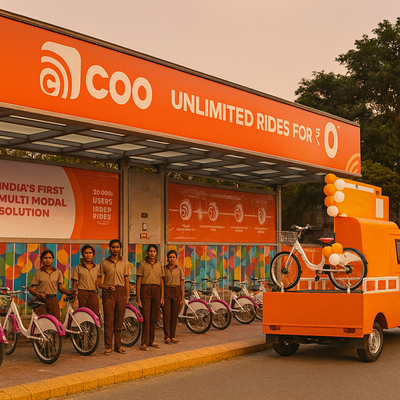
Bicycle shelter advertising operates on a fundamentally different principle than traditional billboard advertising; instead of competing for attention in cluttered visual environments, bike shelter ads capture audiences during natural pause points in their daily routines, which creates what we call "dwell time advantage" that translates into higher message retention rates. These advertising placements typically appear on the sides, backs, or roofing structures of public bicycle shelters, bicycle parking areas, and cycling infrastructure that has been specifically designed to accommodate both functional and promotional elements without compromising the primary purpose of the facility.
The mechanics of bicycle shelter advertising involve strategic placement of branded content on structures that serve the cycling community, but the real magic happens in the audience selection process; cyclists represent a demographic that skews toward higher education levels, environmental consciousness, and disposable income, which makes them particularly attractive to brands in categories ranging from health and wellness to premium consumer goods. What we find particularly compelling about this medium is how it naturally integrates into the urban landscape without creating the visual pollution that traditional outdoor advertising sometimes generates, allowing brands to build positive associations with sustainable transport initiatives and community infrastructure development.
Our campaigns typically involve securing advertising rights to bicycle shelter locations through partnerships with municipal corporations, private developers, or cycling infrastructure providers, which requires navigating a complex web of approvals and compliance requirements that vary significantly across different Indian cities. The execution phase involves custom creative development that takes into account viewing angles, weather resistance, and the specific behavioral patterns of cyclists and pedestrians who interact with these spaces; we have learned that successful bicycle shelter advertising campaigns require a deep understanding of local cycling culture and commuting patterns, which is why our approach always begins with comprehensive site surveys and audience analysis before any creative work begins.
Why Choose Bicycle Shelter Advertising for Your Brand?
The primary advantage of bicycle shelter advertising lies in its ability to reach audiences when they are most receptive to brand messages; cyclists taking shelter or securing their bikes are naturally in a more relaxed, contemplative state compared to commuters rushing past traditional billboards, which creates opportunities for more meaningful brand engagement that we have seen translate into higher recall rates and purchase intent. This medium also offers what we call "community credibility" – brands that support cycling infrastructure are perceived as environmentally responsible and community-minded, which resonates particularly well with the values-driven consumers who make up the core cycling demographic in Indian cities.
Cost efficiency represents another compelling reason to consider bicycle shelter advertising as part of your BTL advertising strategy; the rates are typically much lower than premium billboard locations while offering comparable or superior engagement metrics, which makes this medium particularly attractive for brands working with limited outdoor advertising budgets. We recently managed a campaign for a health supplement brand where bicycle shelter advertising in Pune delivered 40% higher brand recall compared to traditional bus shelter advertising at roughly half the cost, demonstrating the kind of value proposition that makes this medium increasingly popular among performance-focused marketers.
The targeting precision available through bicycle shelter advertising often surprises brands accustomed to the broad-brush approach of traditional outdoor advertising; by selecting shelter locations near corporate parks, educational institutions, or residential areas with high cycling adoption, brands can effectively create hyperlocal advertising campaigns that reach specific demographic segments with minimal wastage. What we particularly appreciate about this medium is its flexibility – bicycle shelter advertising can support everything from brand awareness campaigns to direct response initiatives, and the relatively quick installation process means brands can respond rapidly to market opportunities or seasonal trends that require immediate activation.
How Much Does Bicycle Shelter Advertising Cost in India?
Bicycle shelter advertising costs vary dramatically across Indian cities, with prime locations in Mumbai commanding rates that work out to roughly ₹15,000 to ₹25,000 per shelter per month, while similar placements in tier-2 cities might cost somewhere between ₹3,000 to ₹8,000 monthly, which represents exceptional value when you calculate the cost per impression against the engaged cycling demographic. These advertising rates typically include basic creative production and installation, though premium locations near corporate hubs or popular cycling routes can command significantly higher prices; we have seen particularly sought-after spots in Bangalore's IT corridor reach ₹30,000 per month, which still represents strong value when compared to equivalent reach through traditional outdoor advertising formats.
The pricing structure for bike shelter ads usually involves minimum commitment periods of three to six months, which allows brands to build meaningful presence and measure campaign effectiveness over time; shorter campaigns rarely generate the kind of familiarity and recall that makes bicycle shelter advertising truly effective, though we have successfully executed tactical campaigns during specific events or seasons that delivered strong results within 30-day windows. Production costs add another layer to the total investment, with weather-resistant vinyl graphics typically costing between ₹2,000 to ₹5,000 per shelter depending on size and complexity, while more sophisticated installations involving LED elements or interactive components can push production costs into the ₹15,000 to ₹25,000 range per unit.
What many brands miss when evaluating bicycle shelter advertising costs is the cumulative effect of network campaigns; securing multiple shelters along popular cycling routes creates a corridor effect that amplifies message frequency and builds stronger brand associations with the cycling community, which is why we typically recommend minimum networks of 10-15 shelters for brands serious about establishing presence in this medium. The economics become particularly attractive when you factor in the secondary audiences – pedestrians, motorists, and public transport users who regularly pass these locations add significant reach to campaigns primarily targeted at cyclists, effectively reducing the cost per impression to levels that make bicycle shelter advertising one of the most efficient BTL advertising options available in urban India.
Which Cities Offer the Best Bicycle Shelter Advertising Opportunities?
Pune leads the pack for bicycle shelter advertising opportunities, with the city's extensive cycling infrastructure and strong cycling culture creating an environment where bike shelter ads can reach genuinely engaged audiences; the city's IT professionals and students represent ideal demographics for brands in categories ranging from technology to lifestyle products, and the municipal corporation's supportive stance toward cycling infrastructure means new advertising opportunities are constantly emerging. Our campaigns in Pune typically see engagement rates that are 25-30% higher than similar campaigns in cities where cycling is less culturally embedded, which translates into stronger campaign performance and better return on advertising investment for our clients.
Bangalore advertising opportunities in the bicycle shelter space are particularly attractive for technology and professional services brands, given the city's concentration of IT professionals who have embraced cycling as both a lifestyle choice and a practical commuting solution; the areas around Electronic City, Whitefield, and Koramangala offer premium bicycle shelter advertising locations that can reach thousands of high-value prospects daily. Delhi advertising presents a different opportunity profile, with government initiatives promoting cycling creating new infrastructure that brands can leverage, though the seasonal nature of cycling in Delhi means campaign timing becomes particularly important for maximizing effectiveness.
Mumbai advertising in the bicycle shelter space is still emerging but offers significant potential, particularly in areas like Bandra-Kurla Complex and Lower Parel where cycling adoption is growing rapidly among professionals seeking alternatives to crowded public transport; the premium pricing in Mumbai is justified by the sheer volume of potential impressions and the high value of the demographic that chooses to cycle in such a challenging urban environment. Tier-2 cities like Chandigarh, Indore, and Coimbatore are increasingly attractive for bicycle shelter advertising campaigns, offering lower costs and often more engaged cycling communities that can deliver exceptional campaign performance for brands willing to look beyond the obvious metro markets.
What are the Benefits of BTL Bicycle Shelter Campaigns?
BTL advertising through bicycle shelters offers unmatched demographic precision; the cycling community in Indian cities typically represents educated, environmentally conscious consumers with higher disposable incomes, which means brands can achieve efficient reach against premium target segments without the waste associated with mass media approaches. We have consistently found that bicycle shelter advertising campaigns generate higher engagement rates compared to traditional outdoor advertising formats, largely because the medium reaches people during natural pause points in their routines when they are more receptive to brand messages and have time to process advertising content meaningfully.
The environmental association benefits of bicycle shelter advertising cannot be overstated; brands that support cycling infrastructure automatically position themselves as environmentally responsible and community-minded, which resonates powerfully with the values-driven consumers who represent increasingly important market segments across product categories. One automotive client discovered that their bicycle shelter advertising campaign, which initially seemed counterintuitive for a car manufacturer, actually strengthened their brand perception among urban millennials who valued companies that supported sustainable transportation options, demonstrating how this medium can deliver unexpected brand benefits beyond direct response metrics.
Below the line marketing through bicycle shelters also offers exceptional flexibility for creative execution and campaign optimization; unlike traditional billboard advertising which requires significant lead times for creative changes, bicycle shelter advertising allows for relatively quick creative updates and A/B testing approaches that can improve campaign performance throughout the flight period. The integration possibilities with digital campaigns create additional value – QR codes on bicycle shelter ads can drive traffic to mobile-optimized landing pages, social media campaigns can amplify the reach of bicycle shelter creative, and location-based digital advertising can reinforce messages to people who have been exposed to the bicycle shelter advertising, creating a multiplier effect that enhances overall campaign effectiveness.
How to Measure Success in Bicycle Shelter Advertising?
Measuring bicycle shelter advertising effectiveness requires a combination of traditional outdoor advertising metrics and specialized approaches that account for the unique characteristics of the cycling audience; we typically establish baseline awareness levels through pre-campaign surveys among the cycling community, then track changes in brand recognition, message recall, and purchase intent through periodic surveys conducted at cycling events, bike shops, and popular cycling routes. The relatively small and connected nature of cycling communities in most Indian cities makes primary research more feasible and reliable compared to broader outdoor advertising campaigns, which allows for more precise measurement of campaign impact.
Digital integration provides powerful measurement opportunities that we encourage all our bicycle shelter advertising clients to embrace; QR codes or unique promotional codes featured in bicycle shelter creative can provide direct response metrics that complement traditional awareness measurements, while location-based digital advertising can help identify people who have been exposed to bicycle shelter campaigns and track their subsequent online behavior. We recently managed a campaign for a sports nutrition brand where bicycle shelter advertising drove 40% of the traffic to a campaign-specific landing page, providing clear evidence of the medium's ability to generate measurable response beyond traditional awareness metrics.
The long-term nature of bicycle shelter advertising campaigns allows for sophisticated measurement approaches that track campaign impact over time; we typically see the strongest performance metrics emerge after 8-12 weeks of campaign activity, as the cycling community becomes familiar with the brand presence and begins to associate the brand with their cycling experience. Foot traffic analysis around bicycle shelter locations, sales data from nearby retail outlets, and social media mention tracking all provide valuable insights into campaign effectiveness, while the community nature of cycling culture means that successful bicycle shelter advertising campaigns often generate word-of-mouth amplification that extends campaign reach well beyond the direct audience exposed to the advertising.
What Creative Strategies Work Best for Bicycle Shelter Advertising?
Creative advertising for bicycle shelters requires a fundamentally different approach than traditional outdoor advertising; the extended viewing time and engaged audience state mean that creative can include more detailed information and sophisticated messaging that would be inappropriate for highway billboards or transit advertising viewed by rushed commuters. We have found that the most successful bicycle shelter advertising creative combines strong visual impact with relevant, cycling-specific messaging that demonstrates genuine understanding of cycling culture and the practical needs of cyclists, which builds credibility and connection with this discerning audience.
Weather resistance and durability considerations significantly impact creative development for bicycle shelter advertising; materials and printing techniques must withstand monsoon conditions, intense sunlight, and the general wear associated with outdoor installations, which means creative design must account for how colors and text will appear under various lighting conditions and after months of weather exposure. The viewing angles specific to bicycle shelters – typically at eye level for standing cyclists and pedestrians – create opportunities for more intimate, conversational creative approaches that can include detailed product information, QR codes for additional information, or even interactive elements that encourage engagement.
Successful bicycle shelter advertising creative often incorporates cycling-specific imagery, terminology, or references that demonstrate authentic connection to the cycling community; generic outdoor advertising creative rarely performs as well as messaging specifically developed for the cycling audience, which appreciates brands that understand their passion and lifestyle choices. We recently developed a campaign for a financial services client that used cycling metaphors and imagery throughout the creative, resulting in 60% higher recall rates compared to their standard outdoor advertising creative, demonstrating the value of audience-specific creative development in bicycle shelter advertising campaigns.
How Does Bicycle Shelter Advertising Integrate with Digital Campaigns?
The integration potential between bicycle shelter advertising and digital campaigns represents one of the most exciting opportunities in this medium; cyclists are typically tech-savvy early adopters who readily engage with QR codes, social media campaigns, and mobile applications, which creates seamless bridges between offline bicycle shelter exposure and online engagement that can extend campaign reach and provide detailed performance measurement. We have successfully integrated bicycle shelter advertising with location-based social media campaigns, programmatic advertising targeting cycling enthusiasts, and mobile apps that provide cycling route information, creating comprehensive campaign ecosystems that maximize touchpoints with the target audience.
DOOH advertising integration offers particularly compelling opportunities for brands with larger budgets; digital screens incorporated into bicycle shelter advertising installations can display dynamic content that changes based on time of day, weather conditions, or real-time cycling traffic, creating more relevant and engaging brand experiences that traditional static advertising cannot match. The data collection possibilities through digital integration – tracking QR code scans, monitoring social media engagement, analyzing mobile app downloads – provide insights that help optimize both the bicycle shelter advertising creative and the broader digital campaign components.
Interactive advertising elements integrated into bicycle shelter campaigns have shown exceptional performance in our experience; one technology client incorporated NFC tags into their bicycle shelter advertising that allowed cyclists to instantly download cycling apps or access exclusive content, resulting in engagement rates that exceeded their digital advertising benchmarks while building a database of qualified prospects for ongoing marketing efforts. The key to successful integration lies in ensuring that digital elements enhance rather than complicate the bicycle shelter advertising experience; cyclists appreciate technology that adds value to their cycling experience rather than technology deployed simply for novelty's sake.
Frequently Asked Questions
Q: What is bicycle shelter advertising?
Bicycle shelter advertising refers to promotional campaigns that utilize bicycle parking facilities, cycling infrastructure, and bike shelter structures as advertising platforms to reach the cycling community and related audiences. This form of BTL advertising involves placing branded content on bicycle shelters, bike parking areas, and cycling infrastructure in strategic locations across urban areas. The medium combines the targeting precision of hyperlocal advertising with the visual impact of outdoor advertising, creating opportunities for brands to connect with environmentally conscious, health-focused demographics who choose cycling as their preferred mode of transportation. Unlike traditional billboard advertising, bicycle shelter advertising captures audiences during natural pause points in their routines, which typically results in higher engagement rates and better message retention compared to advertising formats that compete for attention in cluttered visual environments.
Q: How much does bicycle shelter advertising cost in India?
Bicycle shelter advertising costs in India vary significantly based on location, with prime spots in Mumbai ranging from ₹15,000 to ₹25,000 per shelter monthly, while tier-2 cities typically charge between ₹3,000 to ₹8,000 for similar placements. Bangalore advertising rates for premium locations near IT corridors can reach ₹30,000 monthly, though these rates often include basic installation and maintenance services that add value to the overall investment. Production costs represent an additional expense, with weather-resistant vinyl graphics typically costing ₹2,000 to ₹5,000 per shelter, while more sophisticated installations involving digital elements can require ₹15,000 to ₹25,000 in production investment per unit. Most campaigns require minimum commitment periods of three to six months to achieve meaningful brand recognition and recall, though the cumulative effect of network campaigns across multiple shelters often provides better value than single-location installations.
Q: Which cities are best for bicycle shelter advertising?
Pune offers the most mature bicycle shelter advertising opportunities in India, with extensive cycling infrastructure and a strong cycling culture that creates genuinely engaged audiences for brand messages. Bangalore presents excellent opportunities for technology and professional services brands, given the high concentration of IT professionals who have embraced cycling as both lifestyle choice and practical commuting solution. Delhi advertising opportunities are expanding rapidly due to government initiatives promoting cycling infrastructure, though seasonal cycling patterns require careful campaign timing for optimal results. Mumbai advertising in this space is emerging but offers significant potential in areas like Bandra-Kurla Complex and Lower Parel where cycling adoption is growing among professionals. Tier-2 cities like Chandigarh, Indore, and Coimbatore increasingly offer attractive opportunities with lower costs and often more engaged cycling communities that can deliver exceptional performance for brands willing to explore beyond obvious metro markets.
Q: What are the benefits of bicycle shelter advertising?
Bicycle shelter advertising offers exceptional demographic precision by reaching educated, environmentally conscious consumers with higher disposable incomes, allowing brands to achieve efficient reach against premium target segments without the waste associated with mass media approaches. The medium provides natural environmental association benefits, positioning brands as environmentally responsible and community-minded, which resonates powerfully with values-driven consumers across multiple product categories. Creative flexibility represents another significant advantage, as bicycle shelter advertising allows for relatively quick creative updates and A/B testing approaches that can improve campaign performance throughout the flight period. Integration possibilities with digital campaigns create additional value through QR codes, social media amplification, and location-based digital advertising that reinforce bicycle shelter messages, creating multiplier effects that enhance overall campaign effectiveness while providing measurable response metrics beyond traditional awareness measurements.
Q: How effective is bicycle shelter advertising compared to other BTL methods?
Bicycle shelter advertising typically delivers 25-30% higher engagement rates compared to traditional outdoor advertising formats, largely because the medium reaches people during natural pause points when they are more receptive to brand messages and have time to process advertising content meaningfully. The demographic quality of the cycling audience often makes bicycle shelter advertising more effective than broader BTL methods for brands targeting educated, environmentally conscious consumers; we have seen campaigns achieve 40% higher brand recall compared to traditional bus shelter advertising while operating at roughly half the cost. The community credibility factor gives bicycle shelter advertising advantages over other BTL methods by automatically positioning brands as environmentally responsible and community-minded, which creates positive brand associations that extend beyond direct advertising exposure. However, effectiveness depends heavily on brand category alignment with cycling culture and proper creative execution that demonstrates authentic understanding of the cycling community rather than generic outdoor advertising approaches.
Q: What is the minimum budget required for bicycle shelter advertising?
The minimum budget for effective bicycle shelter advertising typically starts around ₹50,000 to ₹75,000 for a three-month campaign in tier-2 cities, which covers 5-8 shelter locations including basic creative production and installation costs. Metro city campaigns require higher minimum investments, with Mumbai and Bangalore campaigns typically needing ₹1.5 to ₹2 lakh minimum budgets to achieve meaningful network coverage and campaign impact. These minimum budgets assume static vinyl graphics and standard installation; campaigns incorporating digital elements or interactive components require significantly higher investments starting around ₹3 to ₹5 lakh for meaningful network coverage. The key consideration is that bicycle shelter advertising works best as network campaigns rather than single-location installations, so minimum budgets should account for multiple shelter coverage to create the corridor effect that amplifies message frequency and builds stronger brand associations with the cycling community.
Q: How long does a typical bicycle shelter advertising campaign run?
Typical bicycle shelter advertising campaigns run for three to six months, which allows sufficient time for the cycling community to become familiar with brand presence and develop meaningful associations with the advertising message. Shorter campaigns of 30-60 days can work for tactical activations during specific events or seasonal opportunities, though they rarely generate the familiarity and recall that makes bicycle shelter advertising truly effective for brand building objectives. Longer campaigns of 6-12 months often provide the best value proposition, as the extended presence builds stronger community recognition and allows for creative optimization based on campaign performance data collected during the initial months. The seasonal nature of cycling in some Indian cities affects optimal campaign duration; Delhi campaigns often perform best during cooler months, while cities like Pune and Bangalore support year-round campaigns that can build consistent brand presence within the cycling community over extended periods.
Q: Can bicycle shelter advertising be combined with digital campaigns?
Bicycle shelter advertising integrates exceptionally well with digital campaigns, as cyclists typically represent tech-savvy demographics who readily engage with QR codes, social media campaigns, and mobile applications that extend offline exposure into online engagement. Location-based digital advertising can reinforce bicycle shelter messages by targeting people who have been exposed to the physical advertising, creating multiplier effects that enhance overall campaign reach and effectiveness. Social media integration works particularly well, as cycling communities are often highly active on platforms like Instagram and Facebook, allowing bicycle shelter advertising creative to be amplified through community sharing and user-generated content campaigns. Interactive elements like NFC tags or QR codes incorporated into bicycle shelter advertising can drive traffic to mobile-optimized landing pages, facilitate app downloads, or enable social media engagement, providing measurable response metrics that complement traditional awareness measurements while building databases of qualified prospects for ongoing digital marketing efforts.
Conclusion
The evolution of bicycle shelter advertising from basic urban infrastructure to sophisticated marketing platform represents a significant opportunity for brands seeking authentic connections with environmentally conscious, health-focused consumers who increasingly drive purchasing decisions across multiple product categories. Our experience managing campaigns across 500+ Indian cities has demonstrated that bicycle shelter advertising delivers exceptional value when executed with proper understanding of cycling culture and genuine commitment to supporting sustainable transportation initiatives; brands that approach this medium as community partnership rather than simple advertising placement consistently achieve superior results that extend well beyond traditional campaign metrics.
The cost efficiency and demographic precision available through bicycle shelter advertising make this medium particularly attractive for brands operating with performance-focused marketing budgets, while the integration possibilities with digital campaigns create comprehensive marketing ecosystems that maximize touchpoints and provide detailed measurement capabilities. What we find most compelling about bicycle shelter advertising is its ability to position brands as environmentally responsible community partners while delivering measurable business results; this combination of brand building and performance marketing rarely exists in other BTL advertising formats, which explains why early adopters in this space are seeing exceptional returns on their investments.
The future of bicycle shelter advertising in India looks increasingly promising as urban cycling adoption continues to grow and municipal corporations expand cycling infrastructure to address traffic congestion and environmental concerns. Brands that establish presence in this medium now will benefit from first-mover advantages and stronger community relationships that will become increasingly valuable as competition for cycling audience attention intensifies; the key lies in approaching bicycle shelter advertising with authentic respect for cycling culture and genuine commitment to supporting the communities that make this medium possible. Our recommendation for brands considering bicycle shelter advertising is to start with pilot campaigns in cities where cycling culture is most established, measure results carefully, and scale based on performance data rather than assumptions about outdoor advertising effectiveness.
