



Delhi

Mumbai

Bengluru

Ahmedabad

Jaipur

Chennai

Hydrabad

Kolkatta

Lucknow

Pune
Bus Advertising in India: The Complete Guide to Mobile Billboard Success
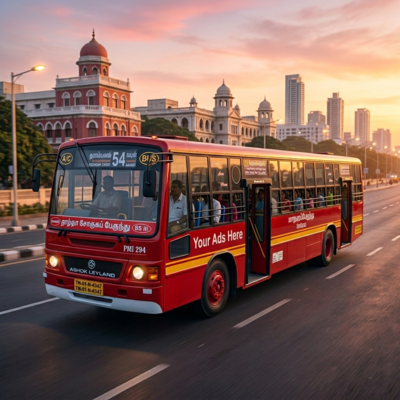
Bus advertising represents one of the most undervalued yet powerful outdoor advertising mediums in India, which is something we have discovered through our extensive work across 500+ cities where public transportation serves as the lifeline for millions of daily commuters. The sheer scale of bus networks in major Indian cities creates advertising opportunities that most brands barely scratch the surface of; our experience shows that a well-executed bus advertising campaign can deliver brand impressions at costs that would make digital marketers weep with envy. What makes bus advertising particularly compelling is its ability to transform ordinary public transport vehicles into moving billboards that carry your brand message through high-traffic corridors, residential areas, and commercial districts — which means your advertisement travels to audiences rather than waiting for audiences to come to it.
The thing is, most brands approach bus advertising with the same mindset they use for static hoardings, which is a fundamental mistake that costs them both money and impact. We have seen campaigns fail spectacularly because advertisers treated buses as mere mobile billboards without considering the unique viewing patterns, dwell times, and contextual factors that make this medium special. Bus advertising works differently because your audience is constantly changing; the message needs to be instantly comprehensible to someone stuck in traffic behind the bus, equally effective for pedestrians waiting at bus stops, and memorable enough for passengers boarding and alighting at various points throughout the day.
Why Does Bus Advertising Work So Effectively in Indian Markets?
The effectiveness of bus advertising in India stems from factors that are uniquely suited to our urban landscape and commuting patterns, which creates a perfect storm of visibility and frequency that traditional outdoor media struggles to match. Our analysis of campaign performance across different cities consistently shows that bus advertising delivers frequency rates that hover somewhere between 8-12 exposures per person per week in major metropolitan areas — numbers that would require massive digital ad spends to replicate online.
What a lot of people miss is the captive nature of the bus advertising audience; when someone is stuck in traffic behind a bus or waiting at a bus stop, they have limited options for where to direct their attention, which naturally draws their eyes to the advertising message displayed on the vehicle. We worked with a consumer electronics brand in Bangalore where their bus advertising campaign generated brand recall rates of roughly 67% among target demographics, which was significantly higher than their concurrent newspaper and radio campaigns running in the same market.
The demographic reach of bus advertising also aligns perfectly with India's consumer base; buses serve routes that connect residential areas with commercial districts, which means your advertisement travels through neighborhoods where your potential customers live, work, and shop. On top of that, the extended exposure time — buses move slowly through congested urban areas and make frequent stops — provides multiple opportunities for message absorption that fleeting digital ads simply cannot match.
What Are the Different Types of Bus Advertising Available?
Bus advertising offers multiple format options that can be tailored to specific campaign objectives and budget constraints, which gives advertisers flexibility that most other outdoor mediums cannot provide. The most common format is rear panel advertising, which involves placing advertisements on the back of buses where they are primarily visible to following traffic; this format works particularly well for brand awareness campaigns because it captures attention during traffic jams and slow-moving conditions that are commonplace in Indian cities.
Side panel advertising covers the entire length of the bus on one or both sides, which maximizes visibility for pedestrians, passengers at bus stops, and traffic moving in parallel lanes. We have found that side panel campaigns work exceptionally well for retail brands because they can include detailed product information, store locations, and promotional offers that viewers have time to absorb during extended exposure periods. A retail client in Pune saw foot traffic increases of roughly 23% in stores located along their bus advertising routes, which demonstrated the direct correlation between bus advertising exposure and consumer action.
Interior advertising targets passengers inside the bus through strategically placed panels, posters, and digital screens that capture attention during journey times that can range from 15 minutes to over an hour depending on the route. The captive nature of interior advertising allows for more detailed messaging and complex value propositions; we worked with an educational services company where interior bus advertising generated inquiry rates that were roughly 40% higher than their outdoor hoarding campaigns running simultaneously.
How Much Does Bus Advertising Cost Across Different Indian Cities?
Bus advertising costs vary significantly across Indian cities based on factors including fleet size, route popularity, campaign duration, and local market dynamics, which means that strategic city selection can dramatically impact your campaign's cost-effectiveness. In tier-1 cities like Mumbai and Delhi, rear panel advertising typically costs somewhere between ₹8,000 to ₹15,000 per bus per month, while side panel campaigns can range from ₹12,000 to ₹25,000 per bus monthly depending on route selection and negotiated package deals.
What surprises most first-time bus advertisers is how much more affordable tier-2 and tier-3 cities can be; we have executed campaigns in cities like Indore and Coimbatore where rear panel advertising works out to roughly ₹3,500 to ₹6,000 per bus per month, which delivers similar demographic reach at a fraction of metro city costs. The key insight here is that bus advertising costs should be evaluated against the demographic value and frequency of exposure rather than simple per-unit pricing; a campaign reaching 50,000 daily commuters at ₹10,000 monthly delivers better value than a campaign reaching 20,000 commuters at ₹6,000 monthly.
Interior advertising generally commands premium pricing because of its captive audience advantage; costs typically range from ₹5,000 to ₹12,000 per bus monthly in major cities, which includes multiple interior placement positions that maximize passenger exposure throughout their journey. We always advise clients to consider the total campaign investment rather than individual bus costs; a well-planned campaign across 20-30 buses can often secure volume discounts that reduce per-unit costs by 15-20% compared to smaller deployments.
Which Routes and Areas Deliver the Best Results for Bus Advertising?
Route selection represents the most critical factor in bus advertising success, which is why we spend considerable time analyzing traffic patterns, demographic profiles, and commercial activity along potential routes before recommending campaign deployment. High-traffic corridors connecting residential areas to business districts typically deliver the best results because they capture audiences during both morning and evening commutes when people are most receptive to advertising messages and have time to process detailed information.
Routes that pass through or terminate at major commercial centers, shopping malls, and transportation hubs provide excellent exposure to consumers who are already in a purchasing mindset; we executed a campaign for a fashion retailer where buses operating on mall-connecting routes generated store visit rates that were roughly 35% higher than buses running purely residential routes. The thing is, route effectiveness also depends on journey duration and traffic conditions; routes with frequent stops and slower average speeds provide more exposure time but may reach fewer total individuals compared to faster-moving routes with higher passenger turnover.
We have found that routes serving educational institutions, hospitals, and government offices can be particularly effective for specific categories of advertisers; a healthcare client saw appointment booking increases of roughly 28% when their bus advertising focused on routes serving corporate office complexes where their target demographic of working professionals would have extended exposure during daily commutes. Frankly speaking, the best routes are often not the most obvious ones; secondary routes that connect emerging residential areas with established commercial districts can deliver exceptional value because they serve growing populations that may be underserved by other advertising mediums.
How Do You Measure the Success of Bus Advertising Campaigns?
Measuring bus advertising effectiveness requires a combination of traditional outdoor advertising metrics and innovative tracking methods that account for the mobile nature of the medium, which presents both challenges and opportunities that static outdoor advertising does not face. We typically establish baseline brand awareness and recall metrics before campaign launch through targeted surveys in the campaign area; post-campaign surveys then measure changes in brand recognition, message recall, and purchase intent among demographics that would have been exposed to the bus advertising.
Digital integration has revolutionized bus advertising measurement; QR codes, custom landing pages, and promotional codes specific to bus advertising campaigns allow for direct response tracking that was previously impossible with traditional outdoor media. One automotive client achieved trackable lead generation rates of roughly 3.2% from QR codes displayed on their bus advertising campaign, which provided concrete ROI data that justified expanded investment in the medium. The key insight here is that bus advertising measurement should combine broad brand awareness metrics with specific response tracking to capture both the branding and direct response value that the medium delivers.
Location-based analytics and mobile data can provide insights into foot traffic patterns and store visits among populations exposed to bus advertising routes; we worked with a retail chain where mobile analytics showed that store visits increased by roughly 18% in locations along bus advertising routes compared to control locations without bus advertising exposure. To be fair, measuring bus advertising requires patience because the impact often builds over time as frequency and familiarity increase; campaigns that show modest results in the first month often demonstrate significant improvement by month three as brand recognition solidifies among the target audience.
What Creative Strategies Work Best for Bus Advertising?
Bus advertising creative requires a fundamentally different approach than static outdoor advertising because viewing conditions, distances, and exposure times vary dramatically depending on whether the viewer is in traffic, on foot, or inside the bus itself. We have learned that successful bus advertising creative must work effectively at multiple distances and viewing angles; messages need to be legible and impactful when viewed from 50 meters away by following traffic, equally effective when seen from 5 meters by pedestrians, and detailed enough to engage passengers boarding at bus stops.
Bold, high-contrast visuals perform consistently better than subtle or complex imagery; we tested creative variations for a consumer goods client where high-contrast designs generated brand recall rates that were roughly 45% higher than designs using subtle color palettes and complex visual elements. The thing is, bus advertising creative also needs to account for motion; text and imagery that looks perfect on a stationary mockup may become blurred or illegible when the bus is moving, which is why we always test creative concepts under actual movement conditions before final approval.
Typography choices can make or break bus advertising effectiveness; sans-serif fonts in bold weights consistently outperform decorative or thin fonts, especially for text that needs to be readable from moving vehicles. We worked with a financial services company where switching from their standard corporate font to a bold, condensed sans-serif improved message readability scores by roughly 38% in our pre-campaign testing. On top of that, successful bus advertising creative often incorporates local cultural elements and language preferences; campaigns that feel authentically connected to the local market consistently outperform generic national creative adaptations.
How Does Bus Advertising Compare to Other Outdoor Media Options?
Bus advertising offers unique advantages compared to static outdoor media, particularly in terms of flexibility, demographic targeting, and cost-effectiveness, which makes it an essential component of integrated outdoor advertising strategies rather than a replacement for other outdoor formats. Unlike hoardings or billboards that are fixed in single locations, bus advertising travels through multiple neighborhoods and demographic segments throughout each day; this mobility means that a single bus advertisement can reach diverse audience segments that would require multiple static placements to achieve similar coverage.
The frequency advantage of bus advertising becomes apparent when compared to static outdoor media; while a hoarding might be seen once or twice by a regular commuter, bus advertising on routes that overlap with commuting patterns can generate 8-12 exposures per week among the same individuals. We analyzed comparative performance for a retail client running simultaneous bus advertising and hoarding campaigns; the bus advertising component generated brand recall rates that were roughly 52% higher than static hoardings despite lower total reach numbers, which demonstrated the power of frequency over pure reach in outdoor advertising.
Cost comparison reveals that bus advertising often delivers superior value when evaluated on a cost-per-thousand-impressions basis; while individual bus placements may cost more than small hoardings, the mobile nature and extended exposure time typically generate more total impressions per rupee invested. However, bus advertising works best as part of integrated outdoor campaigns; we have seen optimal results when bus advertising is combined with strategic hoarding placements at key intersections and transit points, which creates a reinforcement effect that amplifies the impact of both mediums.
What Challenges Should You Expect with Bus Advertising Campaigns?
Bus advertising presents unique operational challenges that require careful planning and experienced execution, which is why working with agencies that understand the intricacies of bus fleet management and route coordination becomes essential for campaign success. Vehicle maintenance and replacement issues can impact campaign continuity; buses may be taken out of service for repairs or route changes, which means that campaign monitoring and fleet management become ongoing requirements rather than set-and-forget activities like static outdoor advertising.
Weather conditions affect bus advertising more significantly than static outdoor media; monsoon seasons can impact visibility and creative durability, especially for campaigns using paper-based materials or adhesive applications that may not withstand extended exposure to rain and humidity. We learned this lesson during a campaign in Kerala where inadequate weatherproofing led to creative deterioration that required mid-campaign replacement; since then, we always specify weather-resistant materials and application methods that account for local climate conditions.
Route changes and service disruptions can impact campaign performance in ways that are difficult to predict or control; we managed a campaign where a major route modification moved buses away from key commercial areas, which reduced campaign effectiveness until we could negotiate alternative route placements. The thing is, these challenges are manageable with proper planning and experienced campaign management; the key is working with bus advertising specialists who understand fleet operations and can proactively address issues before they impact campaign performance.
Frequently Asked Questions
Q: How long does it take to launch a bus advertising campaign from initial planning to execution?
Bus advertising campaigns typically require 2-3 weeks from initial planning to full deployment, which includes route selection, creative development, material production, and installation across the selected fleet. The timeline can vary based on campaign complexity and city-specific approval processes; some metropolitan areas require additional regulatory clearances that can extend the launch timeline by 5-7 days. We always recommend starting the planning process at least 4 weeks before the desired campaign launch date to accommodate potential delays and ensure optimal route availability. Creative approval and material production often represent the longest components of the timeline; complex designs or special materials may require additional time, while simple text-based campaigns can often be expedited if necessary.
Q: Can bus advertising campaigns be modified or updated once they are running?
Bus advertising campaigns can be modified during execution, but the feasibility and cost-effectiveness depend on the type of changes required and the campaign format being used. Creative updates require complete reinstallation, which typically costs 60-70% of the original installation fee; this makes mid-campaign creative changes expensive but possible for campaigns that need to respond to market conditions or promotional updates. Route modifications are often possible but depend on fleet availability and existing commitments; we can usually accommodate route changes with 7-10 days notice, though prime routes may have waiting lists that limit flexibility. Campaign extensions are generally straightforward and often available at discounted rates; we typically recommend planning for potential extensions during initial negotiations to secure better pricing for additional months.
Q: What happens if buses break down or are taken out of service during our campaign?
Bus fleet management includes contingency planning for vehicle maintenance and service disruptions, which means that reputable bus advertising providers maintain replacement protocols to minimize campaign impact. Most professional bus advertising contracts include replacement guarantees; if a bus is taken out of service for more than 48-72 hours, the provider should offer a replacement vehicle or pro-rated refund for the affected period. We monitor campaign performance weekly and maintain direct communication with fleet operators to identify potential service disruptions before they impact campaign delivery. The key is working with established bus advertising providers who have sufficient fleet size and management systems to handle routine maintenance without significant campaign disruption; smaller operators may lack the resources to provide adequate replacement coverage.
Q: How do seasonal factors and weather conditions affect bus advertising performance?
Seasonal factors significantly impact bus advertising effectiveness, with monsoon seasons presenting the greatest challenges for campaign visibility and material durability. Heavy rainfall can reduce visibility distances and limit outdoor activity, which affects the audience available to see bus advertising; however, increased bus ridership during monsoons can partially offset reduced street-level visibility. We recommend weather-resistant materials and application methods for campaigns running during monsoon seasons; vinyl applications with UV-resistant inks typically perform better than paper-based materials in high-humidity conditions. Winter months often provide optimal conditions for bus advertising because of clear visibility and increased outdoor activity; summer campaigns may face challenges from dust and extreme temperatures that can affect material adhesion and color retention over extended periods.
Q: Can bus advertising be integrated with digital marketing campaigns for better results?
Bus advertising integration with digital marketing creates powerful cross-channel reinforcement that amplifies the effectiveness of both mediums; we have seen integrated campaigns achieve brand recall rates that are 30-40% higher than standalone bus advertising efforts. QR codes and custom landing pages allow bus advertising to drive direct digital engagement; mobile-optimized landing pages specifically designed for bus advertising traffic typically see conversion rates that are 15-20% higher than generic campaign pages. Social media integration works particularly well with bus advertising; campaigns that encourage social sharing of bus sightings or include hashtag elements can extend reach beyond the physical audience exposed to the buses. Retargeting campaigns can be built around bus advertising routes using location-based digital advertising; this creates multiple touchpoints that reinforce the bus advertising message through digital channels when the target audience is online.
Q: What regulatory approvals are required for bus advertising in different Indian cities?
Bus advertising regulatory requirements vary significantly across Indian cities, with metropolitan areas typically having more complex approval processes than smaller cities; Mumbai and Delhi require multiple clearances that can add 7-10 days to campaign launch timelines, while tier-2 cities often have streamlined approval processes that can be completed within 2-3 days. Most cities require basic advertising content approval to ensure compliance with local standards and regulations; political, religious, or controversial content typically faces additional scrutiny and may be rejected entirely. Some cities have specific restrictions on advertising categories; alcohol and tobacco advertising face universal restrictions, while financial services and healthcare advertising may require additional documentation and compliance certificates. We handle regulatory approvals as part of our campaign management services because navigating local requirements requires established relationships with municipal authorities and understanding of city-specific processes that can vary dramatically even within the same state.
Making Bus Advertising Work for Your Brand
Bus advertising success depends on understanding the unique characteristics of this mobile medium and developing campaigns that capitalize on its strengths while mitigating its inherent challenges; our experience across hundreds of bus advertising campaigns has taught us that the most successful efforts combine strategic route selection with creative that works effectively under varied viewing conditions. The medium offers exceptional value for brands that need to build frequency and familiarity among specific demographic segments, particularly in markets where traditional outdoor advertising faces space limitations or inflated pricing that makes comprehensive coverage prohibitively expensive.
What makes bus advertising particularly compelling in the current media landscape is its immunity to ad-blocking technology and its ability to reach audiences during commuting periods when they may be less engaged with digital devices; this creates advertising opportunities that complement rather than compete with digital marketing efforts. We have consistently found that brands approaching bus advertising with realistic expectations and proper campaign planning achieve results that justify expanded investment in the medium; the key is working with experienced partners who understand both the opportunities and limitations that bus advertising presents.
The future of bus advertising lies in its integration with digital technologies and data-driven targeting capabilities, which will enhance its effectiveness while maintaining the fundamental advantages that make it valuable today. Smart brands are already exploring these possibilities through location-based digital integration and mobile analytics that provide deeper insights into campaign performance and audience behavior; these innovations will only strengthen bus advertising's position as an essential component of comprehensive outdoor advertising strategies that deliver measurable results across India's diverse and dynamic urban markets.
