
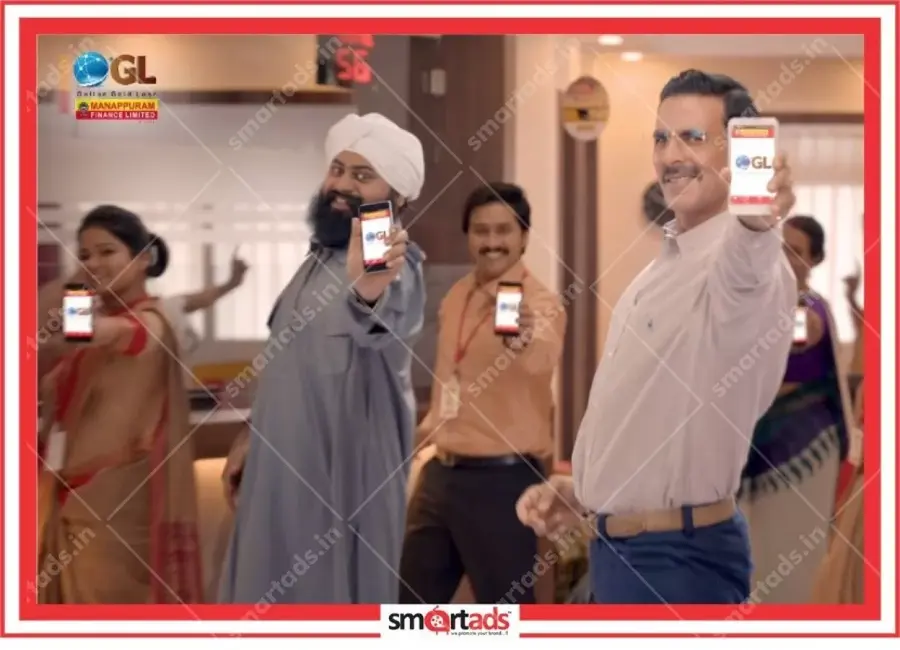
Commercial Prime Time
10 Sec Video
Commercial Prime Time ads are one type o
Rate per Slot / Day
0600-1200, 1800-2400, Mon-Sun
₹860.00
Showing 1 to 8 of 8 Results
MEDIA DETAILS
10 Sec Video
Commercial Prime Time ads are one type o
Rate per Slot / Day
0600-1200, 1800-2400, Mon-Sun
₹860.00
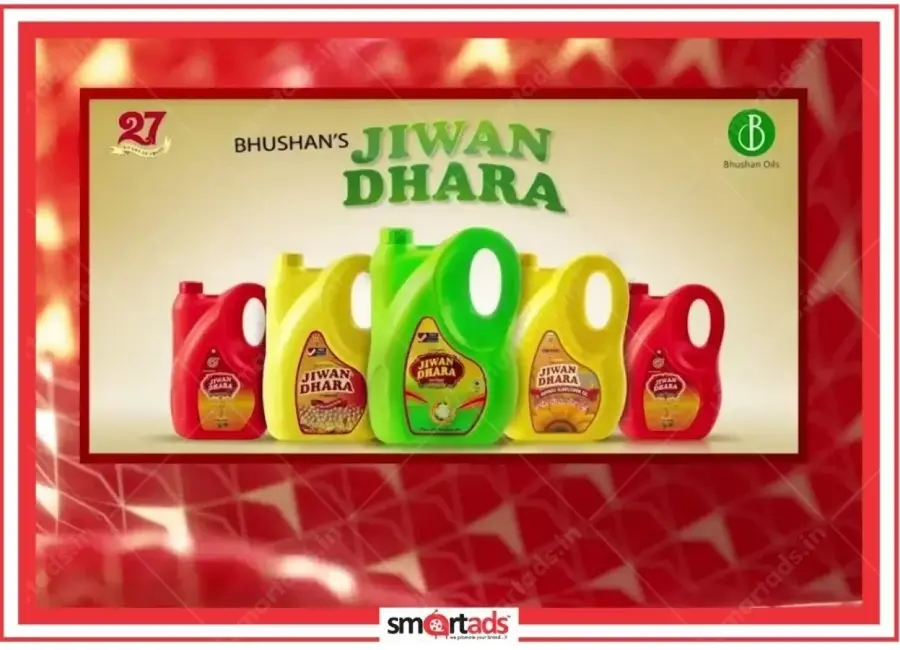
10 Sec Video
Commercial ads are one type of video ad
Rate per Slot / Day
0600-2400, Mon-Sun
₹575.00
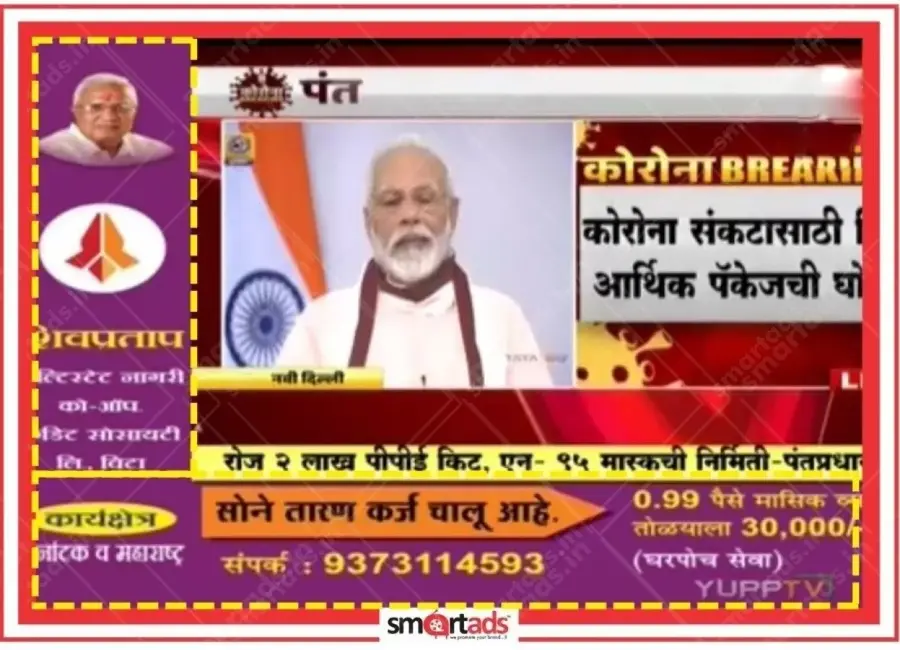
10 Second
L-Band ads are generally seen on News Ch
Rate per Slot / Day
0600-1200, 1800-2400, Mon-Sun
₹2500.00
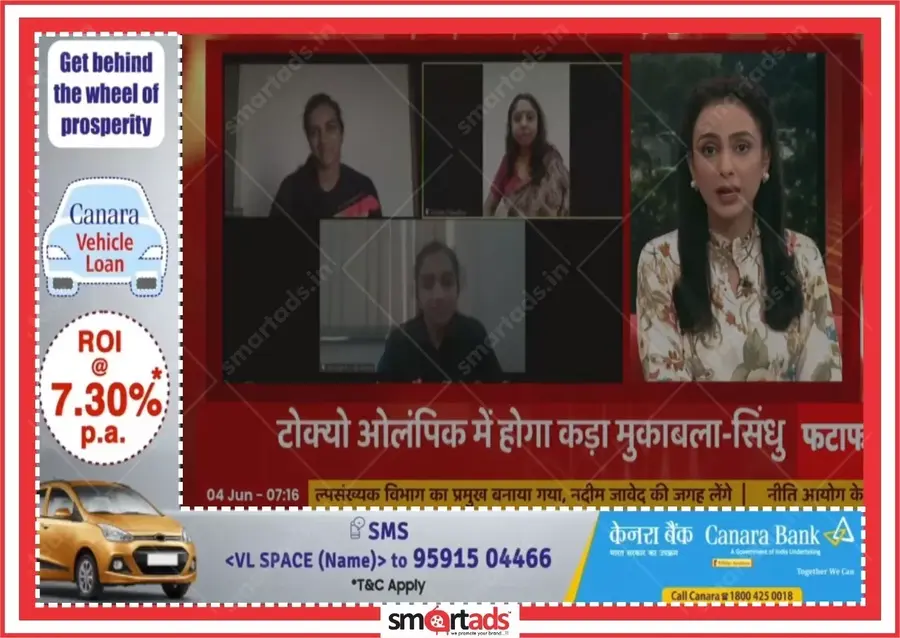
10 Second
L-Band ads are generally seen on News Ch
Rate per Slot / Day
0600-2400, Mon-Sun
₹1700.00

10 Second
Aston Band ads are different from Commer
Rate per Slot / Day
0600-1200, 1800-2400, Mon-Sun
₹1725.00

10 Second
Aston Band ads are different from Commer
Rate per Slot / Day
0600-2400, Mon-Sun
₹1150.00

80 Exposure
Scroll ad is only broadcast on news and
Rate per Exposure / Month
0600-2400, Mon-Sun
₹57500.00

5 Sec
Logo Bug is generally broadcast during n
Rate per Slot / Day
0600-2400, Mon-Sun
₹460.00
MEDIA REACH

Language :
Marathi
ChannelGenre :
News
MinimumBilling :
100000
WeeklyView :
632514
PricingUnit :
Per 10 Sec
ChannelName :
Lokshashi News
Broadcast :
National
Most brands entering the Marathi television market underestimate how deeply regional news channels shape purchase intent — and Lokshahi News, which has built a remarkably loyal viewership base since its Republic Day 2020 launch, is a case in point that surprises even experienced media planners. The channel, operated by Swaraj Marathi Broadcasting LLP, punches well above its age in terms of audience engagement, particularly among the urban Maharashtra demographic that most FMCG and financial services brands are chasing. What a lot of people miss is that Lokshahi Marathi advertising offers something the bigger, noisier news channels sometimes cannot: a concentrated, politically aware, news-hungry audience that actually watches the screen rather than having it on as background noise.
Frankly speaking, the story of Lokshahi News is one of the more interesting channel-building exercises in Marathi broadcasting over the last five years. Launched on Republic Day 2020 — a deliberate symbolic choice — the channel positioned itself as a credible, Maharashtra-first news platform at a time when the regional news genre was already crowded with established players like ABP Majha, TV9 Marathi, Saam TV, and Zee 24 Taas. Despite entering a competitive field, Lokshahi News carved out a distinct identity by focusing on Maharashtra-specific political coverage, rural Maharashtra stories, and the kind of ground-level reporting that resonates in cities like Nagpur and Pune as much as it does in Mumbai.
What this means for advertisers is significant. The 24-hour news channel format ensures continuous broadcast, which creates multiple ad inventory windows across morning, afternoon, prime time, and late night — giving media planners genuine flexibility in how they structure a campaign budget. The channel's Maharashtra and Goa broadcast region coverage makes it particularly valuable for brands whose distribution footprints align with those geographies; we have found, working with clients ranging from cooperative banks to real estate developers, that the audience reach on Lokshahi News tends to skew toward exactly the decision-making demographic that regional advertisers need.
At SmartAds, we always tell our clients that choosing a Marathi news channel is not simply about picking the one with the highest TRP on a given week — it is about matching the channel's editorial personality to the brand's own values and the audience's trust in that editorial voice. Lokshahi News has built genuine credibility in the news genre, which means the advertising environment carries a certain authority; brands that appear on credible news programming tend to benefit from what researchers call a halo effect, where the channel's trustworthiness transfers, at least partially, to the advertiser's message.
This is the question every brand manager asks first, and the honest answer is that Lokshahi news ad rates are structured around a per-ten-seconds pricing model, which is standard across Indian television but varies considerably based on time slot, campaign volume, and the time of year. Based on our media buying experience and current rate card benchmarks, a standard 10-second spot on Lokshahi News during non-prime time works out to somewhere in the ballpark of ₹800 to ₹1,500 per 10 seconds, which is a number that often surprises clients who have been quoted much higher figures by vendors working on commission-heavy structures. Prime time slots — typically the 7 PM to 11 PM window, which captures the highest viewership — are priced considerably higher, generally ranging from roughly ₹2,000 to ₹4,500 per 10 seconds depending on the specific programme and the season.
The thing is, Lokshahi Marathi advertising rates are not fixed in stone; they are negotiated, and the negotiation depends heavily on the total FCT (Free Commercial Time) commitment you bring to the table. A brand committing to a monthly FCT package of, say, 500 seconds will receive meaningfully better per-second rates than a brand booking a one-off 30-second spot for a single week. Minimum billing on Lokshahi News typically starts at around ₹50,000 to ₹75,000 for a basic campaign, which makes it accessible to mid-sized regional advertisers — though serious brand-building campaigns tend to run in the ₹3 lakh to ₹15 lakh range per month, depending on the media mix and frequency goals.
Seasonal pricing is another dimension that most advertisers discover only after their first campaign. During Maharashtra's major festival periods — Ganesh Chaturthi, Diwali, and the Gudi Padwa season — ad rates on Lokshahi News can climb by 20 to 40 percent above base card rates, simply because inventory tightens as more brands compete for the same prime time slots. Election seasons, which in Maharashtra tend to be frequent given the state's political complexity, drive rates up even further; political advertising on Marathi news channels during assembly or Lok Sabha elections is among the most intensely contested inventory in regional television. We have seen this dynamic catch clients off guard when they had not budgeted for seasonal premiums, which is why we always build a 25 to 30 percent buffer into annual campaign budgets for clients who plan to advertise on Lokshahi News year-round.
BARC ratings data for the Marathi news genre consistently shows that news channel viewership in Maharashtra skews toward the age group of 22 to 60, with a particularly strong concentration in the 35 to 55 bracket — which happens to be the sweet spot for categories like financial services, real estate, automobiles, and consumer durables. Lokshahi News, as a channel that covers both urban Maharashtra and rural Maharashtra stories with equal seriousness, draws a genuinely mixed audience; the metro viewership share from Mumbai and Pune is meaningful, but so is the viewership from Tier 2 cities like Nashik, Aurangabad, Kolhapur, and Nagpur, which gives the channel an unusual breadth for a regional news platform.
The Marathi language itself is a powerful targeting mechanism that media planners sometimes undervalue. With approximately 83 million Marathi speakers — a number that places Marathi among the top five most spoken languages in India — the Marathi-language television market represents a substantial and linguistically cohesive audience; brands that communicate in Marathi signal cultural respect, which translates into measurably higher brand affinity among this demographic. The weekly views for Lokshahi News, as tracked through BARC India's panel data, position it as a consistent performer in the Maharashtra news genre, though viewership numbers naturally fluctuate based on breaking news cycles and political events.
What our experience at SmartAds shows is that the Lokshahi News audience tends to be particularly engaged during morning and evening news bulletins, which are the programmes where viewer attention is highest and ad recall tends to be strongest. The urban Maharashtra audience that watches Lokshahi News during prime time is, broadly speaking, a household decision-maker — someone who is actively consuming news, forming opinions, and, critically, making purchase decisions in categories ranging from insurance to home appliances. This is not a passive entertainment audience; it is an active, information-seeking audience, which is a meaningful distinction when you are trying to justify television advertising ROI to a skeptical CFO.
Television advertising on a 24-hour news channel like Lokshahi News is considerably more varied than most first-time TV advertisers assume. The most familiar format is the standard video commercial — a 10, 20, or 30-second TV commercial that airs during commercial breaks — but this is really just the beginning of what is available. L-Band advertising, which refers to the horizontal banner that runs across the lower portion of the screen during live programming, is one of the most cost-effective formats on Lokshahi News; it delivers brand visibility without interrupting the viewer's news consumption, which means the viewer is less likely to change the channel or mute the audio. L-Band advertising rates are typically lower than full-screen commercial spots, making them an attractive option for brands with tighter campaign budgets.
J-Band advertising, which appears on the side of the screen in a vertical strip format, is another non-interruptive format that works particularly well for brands seeking incremental reach beyond their core video commercial campaign. Scroll ads — the text-based ticker that runs at the bottom of the screen — are available on Lokshahi News and are frequently used by local businesses, event promoters, and political campaigns because they carry a news-like visual authority. Sponsorship packages, which associate a brand with a specific programme or news segment, represent the premium end of the Lokshahi News advertising inventory; sponsoring a flagship bulletin or a political debate show on Lokshahi News gives the brand extended on-screen presence, verbal mentions by anchors, and a contextual association with high-viewership content.
Beyond the broadcast screen, Lokshahi News has a meaningful digital extension through its YouTube channel and website, which opens up pre-roll ad and mid-roll ad formats for brands that want to complement their TV commercial campaign with digital touchpoints. A post-roll ad on the Lokshahi News YouTube channel, for instance, can reach viewers who consume news content on mobile — a segment that is growing rapidly, particularly among the younger end of the 22 to 60 age group demographic. At SmartAds, we have increasingly recommended cross-platform packages to clients, combining the broadcast reach of Lokshahi News TV advertising with digital retargeting on the channel's digital properties; this OTT complement approach creates a full-funnel campaign where the TV commercial builds awareness and the digital layer drives consideration and conversion.
Most brand managers have heard the terms GRP and CPRP, but the honest truth is that very few people outside specialist media planning circles can explain exactly how these metrics translate into real campaign decisions for a specific channel like Lokshahi News. A GRP — Gross Rating Point — represents one percent of the target audience exposed to an advertisement once; so if Lokshahi News reaches, say, 5 percent of the target audience in Maharashtra during a particular time slot, a single spot in that slot delivers 5 GRPs. A campaign that runs across multiple spots and time slots accumulates GRPs, and the total GRP count for a campaign is the sum of all individual spot ratings — which means a 200 GRP campaign on Lokshahi News has, in theory, delivered the equivalent of reaching the entire target audience twice over.
CPRP — Cost Per Rating Point — is the metric that allows media planners to compare the efficiency of different channels and time slots. For Lokshahi News, the CPRP works out to somewhere between ₹1,500 and ₹4,000 depending on the target audience definition and the time slot mix, which is a range that positions it competitively against other Marathi news channels when you account for the channel's specific audience composition. What a lot of people miss is that a lower CPRP is not always better — what matters is whether the rating points being purchased are coming from your actual target audience; a channel with a lower CPRP but a poor demographic match delivers less value than a slightly more expensive channel whose audience profile aligns precisely with the brand's customer.
At SmartAds, our media planning team cross-references BARC ratings data with TRP trends across a rolling four-week period before recommending a time slot mix for any Lokshahi News campaign; this approach ensures that the GRP targets we set for a campaign are grounded in actual recent viewership rather than historical averages, which can be misleading during periods of news intensity or channel schedule changes. We have found that campaigns on Lokshahi News which are planned around specific high-TRP programmes — major political debates, evening prime time bulletins, and breaking news windows — consistently deliver 15 to 25 percent better CPRP efficiency than campaigns booked on a run-of-channel basis.
This is a question we get asked constantly, and the answer is more nuanced than a simple ranking. ABP Majha, TV9 Marathi, Saam TV, and Zee 24 Taas are all established players in the Marathi news channel advertising market, each with distinct audience profiles and rate structures; Lokshahi News, as a younger channel, operates at a different point on the price-reach curve, which creates specific strategic advantages for certain advertiser profiles. Broadly speaking, the established channels command higher absolute rates because their TRP histories are longer and their audience bases are larger — but Lokshahi Marathi advertising often delivers a better cost-per-reach for brands targeting specific Maharashtra districts or audience segments that the channel has built particular strength in.
The comparison becomes especially interesting when you look at the news genre's overall share of television advertising in Maharashtra. According to FICCI-EY Media Report data, news channels account for a disproportionately high share of television advertising spend relative to their viewership share, precisely because the news audience is considered a premium demographic — educated, employed, and actively engaged with current events. Within this premium news environment, Lokshahi News offers what we would describe as an efficiency play: the channel's ad rates are more accessible than the top-tier Marathi news channels, but the audience quality — in terms of demographic targeting and engagement — is comparable, which means the effective cost per impression is often lower.
One automotive brand we worked with had been running exclusively on the top two Marathi news channels for three years; when we introduced Lokshahi News into the media mix as a third channel, the incremental reach delivered by Lokshahi News was substantial — roughly 18 percent additional unique audience reach at a campaign cost increase of only about 9 percent, which represented a meaningful improvement in overall campaign efficiency. That kind of incremental reach argument is often the most compelling case for adding Lokshahi News advertising to an existing Marathi television plan, rather than replacing an existing channel entirely.
The prime time window on Lokshahi News — broadly the 7 PM to 11 PM time slot — is where the channel's viewership peaks, driven by the evening news bulletin cycle that Marathi audiences have built viewing habits around over decades of regional television consumption. Advertising in this window costs more, as we have noted, but the audience density justifies the premium for brands that need mass reach within a short campaign window; a retail client in Pune running a Diwali sale campaign, for instance, would almost certainly prioritise prime time spots on Lokshahi News because the concentrated viewership during that window delivers the kind of frequency needed to drive footfall within a 7 to 10 day promotional period.
Non-prime time on Lokshahi News — which covers the morning news window from roughly 6 AM to 9 AM, the afternoon slot from noon to 4 PM, and the late-night window after 11 PM — offers a genuinely different value proposition. The morning news time slot, in particular, is underrated by many advertisers; Marathi-speaking audiences in Maharashtra have strong morning news habits, and the 6 AM to 9 AM window on a 24-hour news channel like Lokshahi News captures viewers who are engaged, alert, and consuming news as part of their daily routine. The cost per 10 seconds in the morning non-prime window is meaningfully lower than prime time, which makes it an attractive option for brands with longer campaign durations that need to build frequency without exhausting the budget in the first week.
The strategic approach we recommend at SmartAds is a blended time slot mix — typically 60 to 65 percent of FCT in prime time and the remainder spread across morning and afternoon non-prime time slots — which delivers the reach of prime time viewership while using the non-prime inventory to build frequency among the audience that has already seen the ad in prime time. This approach consistently delivers better GRP efficiency than a pure prime time buy, and it also reduces the risk of over-concentration in a single time window, which can lead to audience fatigue if the same creative runs too frequently in the same slot.
The ad booking process for Lokshahi News follows the standard Indian television advertising workflow, but there are a few practical nuances that are worth understanding before you begin. The channel's advertising inventory is managed through its sales team, which operates out of Mumbai with regional representatives covering Pune, Nagpur, and other major Maharashtra markets; most serious campaign bookings, however, are handled through accredited media buying agencies rather than directly, because agencies have established rate negotiations, priority access to premium inventory, and the ability to cross-reference BARC data when recommending time slot mixes.
The creative requirements for a Lokshahi News TV commercial are standard for Indian broadcast television: the ad must be in the Marathi language or carry Marathi subtitles if the primary audio is in another language, the file format must meet broadcast specifications (typically MPEG-2 or H.264 at broadcast resolution), and the content must comply with ASCI guidelines as well as the Cable Television Networks (Regulation) Act. For political advertising — which is a significant category on Marathi news channels — additional compliance requirements apply, including mandatory disclaimers and, during election periods, pre-certification from the relevant election commission authority. We have seen campaigns delayed by 48 to 72 hours because creative materials arrived without the correct technical specifications, which is an avoidable problem if the production brief is aligned with broadcast requirements from the start.
A retail client in Nagpur we worked with last year wanted to launch a campaign on Lokshahi News with a two-week lead time — which is tight but manageable if the creative is ready. The campaign was booked, the creative was delivered in the correct broadcast format, and the spots aired on schedule; but what made the difference was that the time slot selection was done based on a four-week BARC ratings analysis rather than simply accepting the channel's default package, which resulted in a 22 percent improvement in GRP delivery against the original estimate. That kind of data-driven ad booking approach is what separates a media planning exercise from simply spending money on television advertising.
The minimum billing threshold for Lokshahi News advertising, based on current market practice, is generally in the range of ₹50,000 to ₹75,000 for a basic campaign — which makes it genuinely accessible to small and medium businesses, not just large national advertisers. To be honest, a campaign at the ₹50,000 level will deliver limited reach and frequency, and we would typically recommend it only as a test or for hyper-local campaigns targeting a very specific geography within Maharashtra; for meaningful brand visibility and audience reach, a campaign budget of ₹2 lakh to ₹5 lakh per month is where the numbers start to work in the advertiser's favour.
For SMEs and small businesses that want to advertise on Lokshahi News without committing to large monthly budgets, the most practical approach is to concentrate the campaign around a specific event or season — a Diwali sale, a product launch, or a local event sponsorship — rather than trying to maintain a year-round presence on a minimal budget. A focused two-week campaign with a well-chosen time slot mix can deliver meaningful brand visibility at a fraction of the cost of a sustained monthly campaign, and it allows the brand to measure response before committing to a larger ongoing investment. L-Band advertising and scroll ads are also worth considering for budget-constrained advertisers, as these formats deliver on-screen presence at lower cost per second than full video commercials.
Q: What is the cost of advertising on Lokshahi News in Maharashtra?
The cost of Lokshahi news advertising in Maharashtra is calculated on a per-10-seconds basis, with non-prime time rates working out to roughly ₹800 to ₹1,500 per 10 seconds and prime time rates ranging from approximately ₹2,000 to ₹4,500 per 10 seconds depending on the specific programme and the time of year. These figures are indicative; actual Lokshahi Marathi advertising rates are negotiated based on campaign volume, FCT commitment, and seasonal demand. A full campaign budget — including production and agency fees — typically starts at around ₹2 lakh to ₹3 lakh per month for a meaningful presence on the channel, though entry-level packages can be structured from ₹50,000 upward for short-duration or format-specific campaigns.
Q: What is the minimum budget required to advertise on Lokshahi News?
The minimum billing for a Lokshahi News campaign is generally around ₹50,000 to ₹75,000, which covers a basic run of spots over a short campaign period. That said, the minimum budget to achieve meaningful audience reach and ad recall — which is the real measure of whether a campaign is working — is closer to ₹1.5 lakh to ₹2 lakh, structured around a focused time slot strategy rather than a scattered run-of-channel approach. Small businesses and first-time television advertisers are often better served by a concentrated short-burst campaign than by spreading a limited budget thinly across a longer period.
Q: What ad formats are available on Lokshahi News TV?
Lokshahi News offers a range of advertising formats including standard video commercials in 10, 20, and 30-second durations, L-Band advertising (the lower-screen horizontal banner that runs during live programming), J-Band advertising (the vertical side-screen format), scroll ads (text-based ticker at the bottom of the screen), and programme sponsorships which associate a brand with a specific news segment or bulletin. On the channel's digital platforms, pre-roll ad, mid-roll ad, and post-roll ad formats are available for brands seeking to extend their Lokshahi News TV advertising into the digital environment.
Q: What are the prime time slots for Lokshahi News advertising?
Prime time on Lokshahi News runs broadly from 7 PM to 11 PM, which is when the channel's viewership peaks and when the evening news bulletins draw the highest audience concentration. Within this window, the 8 PM to 10 PM period is typically the most competitive for ad inventory, as it coincides with the flagship news programmes that drive the highest TRP for the channel. Morning prime time — roughly 7 AM to 9 AM — is a secondary peak that is often underutilised by advertisers, offering strong viewership at rates that are meaningfully lower than the evening prime time window.
Q: Who is the target audience of Lokshahi News in Maharashtra?
The Lokshahi News audience is predominantly Marathi-speaking, spanning the age group of 22 to 60, with strong representation from urban Maharashtra cities like Mumbai, Pune, and Nagpur as well as significant rural Maharashtra viewership. The audience skews toward educated, employed, and politically engaged individuals — which makes it particularly valuable for categories like banking and financial services, real estate, automobiles, consumer durables, healthcare, and government communication. The channel's Maharashtra and Goa broadcast region coverage gives it a geographic footprint that aligns well with brands whose distribution or service areas match those geographies.
Q: How do I book a TV commercial on Lokshahi News?
A Lokshahi News TV commercial can be booked directly through the channel's sales team or, more commonly, through an accredited media buying agency that has established relationships with the channel's inventory management team. The ad booking process involves agreeing on a time slot mix and FCT commitment, submitting the creative in broadcast-compliant format, and completing the necessary compliance documentation — including ASCI adherence and, for political advertising, election commission pre-certification. Working through an experienced media planning partner typically results in better rate negotiations, priority access to premium inventory, and data-driven time slot selection based on BARC ratings analysis.
Q: What is the difference between L-Band and video ads on Lokshahi News?
L-Band advertising on Lokshahi News refers to the horizontal banner overlay that appears across the lower portion of the screen during live news programming, without interrupting the broadcast; it delivers brand visibility in a non-intrusive format and is priced lower than full-screen video commercials. A standard video TV commercial, by contrast, airs during designated commercial breaks and occupies the full screen for its duration — typically 10, 20, or 30 seconds. L-Band advertising is better suited for brand name and logo visibility, while video commercials are more effective for communicating a full brand message, showcasing a product, or driving a specific call to action.
Q: How does Lokshahi News compare to other Marathi news channels for advertising?
Lokshahi News occupies a specific position in the Marathi news channel advertising landscape — it is newer than ABP Majha, TV9 Marathi, Saam TV, and Zee 24 Taas, which means its absolute audience numbers are smaller but its ad rates are more accessible. For brands seeking incremental reach beyond their existing Marathi news channel plan, Lokshahi News delivers additional unique audience reach at a cost-per-reach that is often more efficient than adding more spots on the already-saturated top channels. The channel's particular strength in Maharashtra-specific political and regional news coverage gives it a distinct editorial identity, which can be advantageous for brands whose values align with Maharashtra-first positioning.
Q: What are GRPs and CPRP and how do they apply to Lokshahi News campaigns?
GRP — Gross Rating Point — measures the total audience exposure delivered by a campaign, calculated as the sum of ratings across all spots; one GRP represents one percent of the target audience reached once. CPRP — Cost Per Rating Point — divides the total campaign cost by the total GRPs delivered, giving a standardised efficiency metric that allows comparison across channels and time periods. For Lokshahi News campaigns, the CPRP typically works out to somewhere between ₹1,500 and ₹4,000 depending on the target audience definition, time slot mix, and negotiated rates — a range that positions the channel competitively within the Marathi news genre when the audience quality and demographic alignment are factored into the calculation.
Q: Can small businesses advertise on Lokshahi News with a limited budget?
Yes — and frankly, Lokshahi News is one of the more accessible Marathi news channels for small business advertisers precisely because its minimum billing thresholds are lower than the established top-tier channels. A focused campaign using L-Band advertising, scroll ads, or a concentrated run of non-prime time video commercials can be structured within a budget of ₹75,000 to ₹1.5 lakh, which is within reach for many regional SMEs. The key for small business advertisers is to concentrate the budget around a specific campaign period — a seasonal sale, a product launch, or a local event — rather than spreading it thinly across a long duration.
Q: What is the weekly viewership of Lokshahi News in Maharashtra?
Weekly viewership figures for Lokshahi News are tracked through BARC India's panel measurement system, which publishes ratings data for the Marathi news genre on a weekly basis. While specific weekly views figures fluctuate based on news cycles, political events, and competitive programming, Lokshahi News has established itself as a consistent performer in the Maharashtra news genre, with viewership that is particularly strong during breaking news events and major political developments in the state. For the most current viewership data, BARC India's published ratings reports are the authoritative source, and any serious media planning exercise for Lokshahi News advertising should be grounded in the most recent four-week rolling average rather than point-in-time figures.
Q: How is ad pricing calculated on Lokshahi News — per second or per 10 seconds?
Lokshahi News ad rates, like most Indian television channels, are quoted on a per-10-seconds basis; a 30-second TV commercial is therefore priced at three times the 10-second rate, and a 20-second spot at twice the 10-second rate. The cost per second can be derived from the per-10-seconds pricing by simple division, but the industry convention is to quote and negotiate on the 10-second unit. Some packages, particularly sponsorship deals, may be quoted as flat monthly fees rather than per-second rates, which can simplify budgeting for brands that prefer predictable fixed costs over variable FCT-based pricing.
Q: Does advertising on Lokshahi News complement digital and OTT campaigns?
It does — and this is an area where we see significant untapped opportunity for brands that are already investing in digital. Lokshahi News TV advertising builds mass awareness among the Marathi-speaking audience in Maharashtra, which creates a primed audience that is more receptive to digital retargeting; someone who has seen a brand's TV commercial on Lokshahi News is meaningfully more likely to engage with a digital ad from the same brand than someone who has had no prior TV exposure. The channel's digital extension — its YouTube channel and website — allows brands to run pre-roll ad and mid-roll ad campaigns that reach the same editorial audience in a digital context, creating a cross-platform presence that supports both brand attribution and performance marketing objectives. This OTT complement approach is something we at SmartAds have been building into integrated campaign plans for clients across Maharashtra, with consistently positive results in terms of overall campaign recall and conversion rates.
Q: What industries or sectors benefit most from Lokshahi News advertising in Maharashtra?
The news genre's premium demographic — educated, employed, politically aware, and household decision-making — makes Lokshahi News advertising particularly effective for financial services (banking, insurance, mutual funds), real estate, automobile dealerships, consumer durables, healthcare and pharmaceutical brands, educational institutions, and government and public sector communication. FMCG brands with strong Maharashtra distribution also benefit from the channel's broad geographic coverage across both urban Maharashtra and rural Maharashtra. Political advertising is, naturally, a major category on any Marathi news channel, and Lokshahi News is no exception — the channel's political coverage makes it a natural environment for political communication during election seasons.
The brands that get the most out of Lokshahi Marathi advertising are not necessarily the ones with the largest budgets; they are the ones that approach the channel with a clear understanding of its audience, a time slot strategy grounded in BARC data, and a creative message that respects the intelligence of the Marathi-speaking viewer. We have seen campaigns on Lokshahi News deliver exceptional brand visibility for clients who brought ₹3 lakh campaigns with sharp creative and smart time slot selection, outperforming competitors who spent three times as much on a run-of-channel basis without a coherent media plan behind it.
The channel's position in the Marathi news genre — credible, Maharashtra-focused, and accessible in terms of ad rates — makes it a genuinely valuable component of any integrated Maharashtra advertising strategy, whether the brand is a national FMCG company seeking regional penetration, a financial services firm targeting the urban Maharashtra professional, or a local SME building awareness in a specific district. The key is to treat Lokshahi News advertising in Maharashtra not as a standalone television buy but as one layer of a broader media plan that includes digital retargeting, OTT complement campaigns, and, where relevant, outdoor and print support in the same geographies.
At SmartAds, we work with brands across Maharashtra and beyond to build media plans that are grounded in real data, negotiated at competitive rates, and measured against clear GRP and CPRP targets — not just impressions and reach numbers that look good in a presentation but do not connect to business outcomes. If you are considering Lokshahi News TV advertising as part of your next campaign, or if you want an independent assessment of how Lokshahi Marathi advertising fits into your existing media mix, we would be glad to work through the numbers with you. Visit SmartAds.in to get in touch with our media planning team and request a customised campaign proposal for Maharashtra.
