
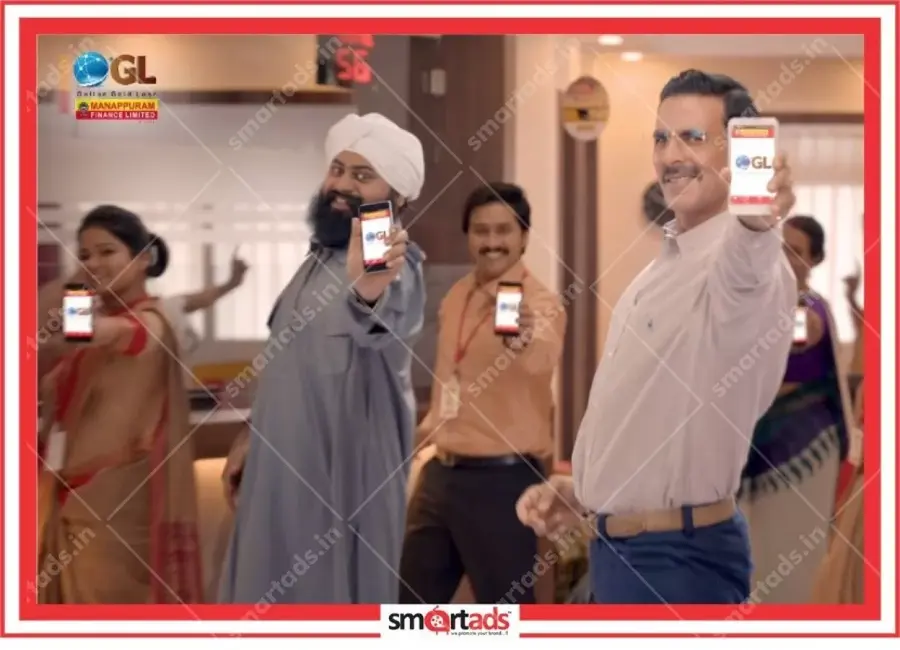
Commercial Prime Time
10 Sec Video
Commercial ads are one type of video ads
Rate per Slot / Day
18:00-24:00, Mon-Fri
₹480.00
Showing 1 to 2 of 2 Results
MEDIA DETAILS
10 Sec Video
Commercial ads are one type of video ads
Rate per Slot / Day
18:00-24:00, Mon-Fri
₹480.00
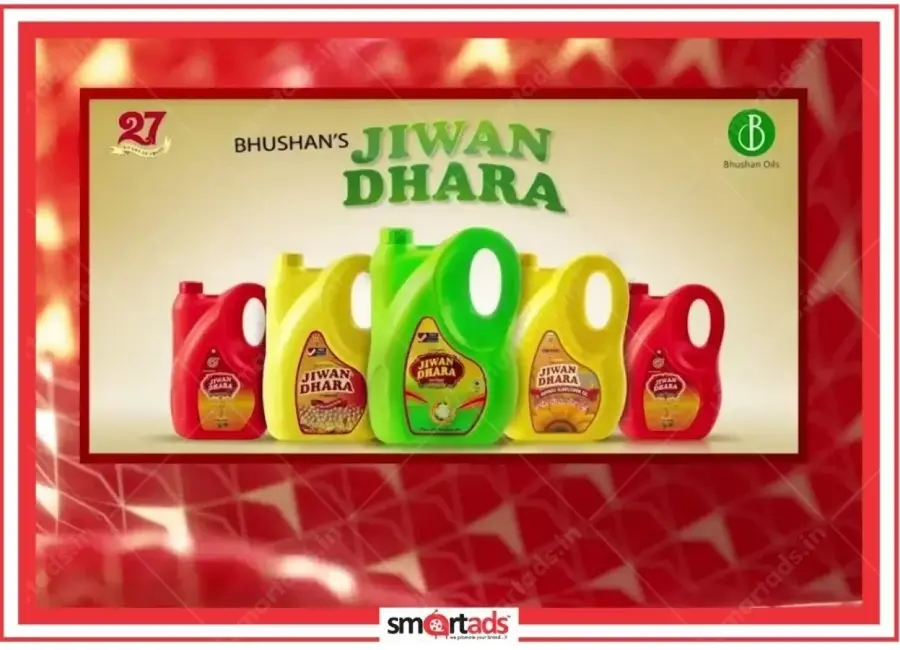
10 Sec Video
Commercial RODP ads are one type of vide
Rate per Slot / Day
06:00-24:00, Mon-Fri
₹360.00
MEDIA REACH

Language :
Punjabi
ChannelGenre :
Music
MinimumBilling :
100000
WeeklyView :
65522
PricingUnit :
Per 10 Sec
Teleshoping :
No
Network :
PTC Network
ChannelName :
PTC Music
Broadcast :
National
Most brands entering the Punjab television advertising market for the first time assume that PTC Punjabi is the obvious choice — the flagship, the safe bet, the one everyone knows. What they miss is that PTC Music channel quietly delivers something PTC Punjabi often cannot: a younger, more emotionally engaged audience that is actively choosing to watch, not passively channel-surfing. That distinction matters enormously when you are trying to build brand recognition rather than just buy impressions.
PTC Music advertising in Punjab sits in a peculiar sweet spot — it combines the emotional power of sight, sound, and motion that television uniquely delivers with the cultural specificity of Punjabi pop music and bhangra, genres that carry genuine affective weight for audiences across Punjab, Haryana, and the Punjabi diaspora worldwide. We have run campaigns on this channel for clients ranging from real estate developers in Mohali to agricultural input brands in Amritsar, and the pattern we keep seeing is that brands which understand the channel's audience tend to outperform their own projections.
PTC Music is a 24-hour Punjabi music channel operated by G Next Media Private Limited, the broadcasting arm of the PTC Network headquartered in Mohali. The channel launched as part of the broader PTC Network bouquet — which also includes PTC Punjabi, PTC Chak De, PTC Punjabi Gold, PTC News, and PTC Simran — and has grown to become one of the most-watched Punjabi language channels specifically in the music entertainment category. Its programming is built almost entirely around Punjabi pop music videos, bhangra performances, countdown shows, music-based reality content, and live event coverage, which gives it a tonal consistency that general entertainment channels simply cannot replicate.
For advertisers, this tonal consistency is actually a strategic asset. When a viewer tunes into PTC Music channel, they are in a specific emotional state — celebratory, energetic, culturally connected — and that state transfers to the advertising environment around it. We have found, across dozens of television ad campaigns on this network, that ad recall scores tend to be meaningfully higher on music channels compared to general entertainment, precisely because the viewer's attention is more active. The BARC India viewership data for the Punjabi language channel category consistently shows PTC Music performing strongly in the 15–34 age demographic, which is the cohort that most FMCG, personal care, and telecom brands are chasing in the Punjab Haryana market.
The channel is distributed across major DTH platforms including Airtel DTH and Dish TV, as well as cable network advertising infrastructure across Punjab, Haryana, Himachal Pradesh, and parts of Delhi-NCR. On top of that, PTC Music broadcasts internationally — reaching Punjabi-speaking audiences in the United Kingdom, Canada, the United States, and Australia — which makes it one of the few regional TV advertising vehicles in India that simultaneously serves domestic and NRI audience targeting objectives. That international reach is something most media planners in the Chandigarh advertising market do not factor into their planning, and it represents a genuine competitive advantage for brands with cross-border ambitions.
Frankly speaking, PTC Music ad rates are more accessible than most brand managers expect when they first sit down to plan a Punjab television advertising campaign. The channel operates on a per-second FCT (Free Commercial Time) pricing model, which means your cost scales directly with the duration of your TV commercial spots. Based on our current rate intelligence and recent ad booking experience, the cost per second on PTC Music channel works out to somewhere in the ballpark of ₹150 to ₹400 per second for standard non-prime time slots, which is a number that often surprises clients who have been quoted much higher figures for Hindi general entertainment channels.
Prime time slots — broadly the 7 PM to 11 PM window, which we will address in more detail shortly — carry a premium, with ad rates per second typically running somewhere between ₹400 and ₹900 depending on the specific programme, the time of year, and the volume of FCT being committed. A 10-second TV commercial spot in prime time, for instance, works out to roughly ₹4,000 to ₹9,000 per spot, which means a modest campaign running 20 spots per day across a two-week period can be planned for a total outlay in the range of ₹15 to ₹25 lakh — a figure that delivers genuine viewership reach across the Punjab Haryana market at a cost per reach that competes favourably with most digital alternatives for this specific demographic. The PTC Music channel advertising cost per second in India varies by season, with festive periods like Diwali, Lohri, and Baisakhi commanding a 20–35% premium over base rates, which is something we always flag to clients during the media planning stage.
What a lot of people miss is that these rates are not fixed in the way that print rate cards are; PTC Music advertising rates carry meaningful negotiability, particularly when campaigns are booked through an advertising agency rather than directly. The channel's sales team works on volume-based incentives, and an agency that is placing regular business across the PTC Network bouquet — across PTC Punjabi, PTC Chak De, and PTC Music simultaneously — will consistently secure better effective rates than a brand going direct. At SmartAds, we always tell our clients that the published rate card is a starting point, not a ceiling, and that smart media buying on regional TV advertising in India is as much about relationship leverage as it is about budget size.
The standard video ad — the 10, 20, 30, or 45-second TV commercial spot — is what most brands think of when they consider PTC Music advertising, and it remains the workhorse format for good reason. It delivers the full sight, sound, and motion advertising experience that television uniquely enables, and on a music channel where the visual and audio quality of content is already high, a well-produced video ad does not look out of place. FCT bookings on PTC Music channel are structured around timebands, with each timeband carrying its own pricing tier; the channel's traffic department allocates spots within these timebands based on availability and priority, which is why early booking — particularly for festive periods — is strongly advisable.
Beyond the standard video ad, PTC Music channel offers a range of non-FCT formats that are often underutilised by advertisers but deliver strong brand visibility at a lower cost per impression. The L-Band is a horizontal strip that appears at the bottom of the screen during programming — typically running for 10 seconds at a time — and it is particularly effective for brand recognition objectives where you want repeated exposure without interrupting the viewing experience. The Aston Band is a similar lower-third format, slightly smaller than the L-Band, which is often used for short promotional messages or brand name reinforcement. Both formats are priced considerably below FCT rates, making them excellent tools for frequency capping TV ads within a fixed budget — you can maintain brand presence throughout the day at a fraction of the cost of buying additional commercial spots.
In-show branding opportunities on PTC Music include Mug Branding — where your brand logo appears on the anchor's or host's mug during studio segments — as well as weather report sponsorships, countdown show title sponsorships, and sponsored ticker elements. Show sponsorship on PTC Music is a format we particularly recommend to clients in the automobile advertising Punjab TV space and to real estate developers, because it associates the brand with a recurring, appointment-viewing programme rather than a single spot that may or may not be seen. One automotive brand we worked with in the Chandigarh advertising market ran a three-month show sponsorship on a weekly countdown programme on PTC Music channel, combined with L-Band advertising during the same show, and achieved a brand recall score — measured through a post-campaign dipstick — that was roughly 2.3 times higher than their previous campaign which had relied exclusively on FCT spots.
The audience profile of PTC Music Punjab is one of the most clearly defined in the regional TV advertising India landscape, which is precisely what makes Punjab audience targeting on this channel so efficient. BARC India's viewership data for the Punjabi language channel category places PTC Music's core audience in the 15–35 age bracket, with a near-equal gender split that skews marginally male — a profile that reflects the channel's heavy emphasis on Punjabi pop music and bhangra, genres with strong cross-gender appeal but historically stronger male fandom. The channel's viewership reach is estimated at somewhere above 12 million viewers across its primary markets, which makes it one of the larger Punjabi music channel properties in terms of raw audience scale.
Geographically, the Punjabi-speaking audience for PTC Music is concentrated in Punjab — with Amritsar, Ludhiana, Jalandhar, and Patiala representing the highest-density viewing markets — but extends meaningfully into Haryana, Himachal Pradesh, and the Delhi-NCR belt, where Punjabi-speaking communities are large and culturally active. The channel also draws significant viewership from urban and semi-urban markets in Chandigarh, which functions as the commercial hub of the Punjab Haryana market and is therefore a priority geography for most national brands running regional TV advertising campaigns. What our media planning team at SmartAds has observed across multiple campaigns is that PTC Music's urban audience tends to be more aspirational and brand-conscious than the general regional TV average — these are viewers who are engaged with contemporary culture, responsive to lifestyle messaging, and more likely to be in active purchase consideration for categories like personal care, telecom, and consumer electronics.
The socioeconomic profile of PTC Music viewers skews toward SEC B and SEC B+ households, with meaningful penetration into SEC A in urban Punjab — a distribution that makes the channel relevant for both mass-market FMCG campaigns and for premium brand positioning exercises. TRP ratings for PTC Music channel, as tracked through BARC India's panel, have shown consistent performance in the music channel sub-genre, and the channel's Average Minute Audience (AMA) during prime time compares favourably with other Punjabi language channels in its competitive set. To be honest, the channel's TRP numbers are not always the headline figure that media planners lead with in presentations, but when you calculate cost per reach against the Punjabi-speaking audience specifically — rather than the broader North India TV advertising universe — the efficiency argument becomes very compelling.
Prime time on PTC Music channel runs broadly from 7 PM to 11 PM, with the 8 PM to 10 PM window representing the peak viewership period; this is when the channel airs its highest-rated music countdown shows, live performance segments, and anchor-hosted programming, which draws the largest simultaneous audience. Prime time slots carry the highest ad rates per second on the channel, and rightly so — the viewership reach during these hours is meaningfully higher than at any other point in the broadcast day, and the competitive demand for these slots from advertisers means that inventory fills up quickly, particularly during festive seasons.
Non-prime time on PTC Music — which covers the morning (6 AM to 12 PM), afternoon (12 PM to 4 PM), and late-night (11 PM to 2 AM) bands — offers a very different value proposition. The rates are lower, sometimes substantially so, and while the absolute audience numbers are smaller, the cost per reach often works out more efficiently for campaigns where frequency matters more than peak simultaneous reach. We have found that for categories like real estate and education — where the purchase decision is slow and repeated brand exposure matters more than a single high-impact moment — a strategy that spreads FCT across non-prime time slots and uses L-Band advertising during prime time can deliver better return on investment than an all-prime-time buy at a higher cost. A retail client in Ludhiana ran exactly this kind of split strategy for a Diwali campaign, allocating roughly 40% of their budget to prime time video ads and 60% to non-prime time FCT plus L-Band, and achieved a frequency of 12+ exposures per viewer over a three-week period — a number that drove measurable footfall uplift in their stores.
The thing is, the right time-band strategy depends entirely on your campaign objective; demand generation television campaigns that need to reach the broadest possible audience in the shortest time should concentrate budget in prime time, while brand recognition campaigns with longer flight periods benefit from spreading across timebands. Seasonal timing matters enormously on PTC Music Punjab — Lohri (January), Baisakhi (April), and the pre-Diwali period (October) are the three windows when Punjabi cultural engagement peaks and when advertising on a Punjabi music channel carries the highest contextual relevance. Booking 4–6 weeks in advance for these windows is not just advisable, it is effectively mandatory if you want the specific slots you need.
This is the question we get asked most often by brand managers who are new to the PTC Network, and the honest answer is that all three channels serve meaningfully different strategic purposes — they are not interchangeable, and treating them as such is one of the most common media planning errors we see in the Punjab television advertising space. PTC Punjabi is the general entertainment flagship of the network; it carries drama serials, news programming, and variety content, which means its audience is broader, older on average, and more heterogeneous in its cultural engagement. PTC Chak De, by contrast, is a sports and youth entertainment channel with a strong male skew and a particular resonance with the 18–30 demographic that follows Punjabi sports culture.
PTC Music channel occupies a distinct position as the dedicated Punjabi music channel in the bouquet, which gives it a programming purity that the other two channels do not have. Every piece of content on PTC Music is music-related, which creates a consistent emotional environment that is hard to replicate on a general entertainment or sports channel. For brands in personal care, fashion, lifestyle, beverages, and telecom advertising Punjabi channel campaigns, PTC Music's audience is often the most relevant; for brands in financial services, insurance, or political advertising, PTC Punjabi's broader reach and older demographic may be more appropriate. PTC Chak De makes most sense for brands targeting young men — automobile advertising Punjab TV campaigns, energy drinks, and sports equipment brands have performed particularly well there in our experience.
The channel also differs from competitors outside the PTC Network. MH One Music and Punjabi Hits are the other significant players in the Punjabi music channel space, and while they offer competitive reach numbers, the PTC Music channel's association with marquee properties like the PTC Music Awards and the PTC Punjabi Film Awards gives it a prestige positioning that the others have not matched. From a media buying perspective, booking across multiple channels in the Punjabi music category — PTC Music plus one or two others — is a strategy worth considering for campaigns where maximum frequency among the Punjabi-speaking audience is the goal, but PTC Music should typically anchor that buy given its stronger brand equity in the category.
The ad booking process for PTC Music advertising begins with a brief to the channel's sales team or, more commonly, through a media buying agency that holds a relationship with the PTC Network. The process involves four broad stages: rate negotiation and package finalisation, creative material submission, traffic scheduling, and campaign monitoring. Rate negotiation happens first, and this is where the value of working through an experienced advertising agency Punjab becomes most tangible — agencies with existing volume commitments to the PTC Network can negotiate effective rates that are 15–30% below the published rate card, depending on the total FCT commitment and the duration of the campaign.
Creative material for PTC Music channel must meet specific technical specifications: video ads are typically required in HDCAM or MXF format at 1920x1080 resolution, with audio delivered at -23 LUFS integrated loudness to comply with broadcast standards; the channel's traffic team will reject material that does not meet these specifications, which is why we always recommend submitting creative for technical review at least 7–10 working days before the campaign start date. For non-FCT formats like L-Band advertising and Aston Band, the creative specifications are different — these are typically delivered as graphic files with specific pixel dimensions and safe-zone requirements that the channel's design team can advise on. Mug Branding and in-show branding formats require coordination with the channel's production team, which adds additional lead time.
The minimum lead time for a standard FCT campaign on PTC Music is roughly 5–7 working days for non-peak periods, but for prime time slots during Lohri, Baisakhi, or Diwali, we strongly advise initiating the booking process 4–6 weeks in advance. Inventory in peak timeband windows fills up fast, and the brands that book early not only secure the slots they want but also have more leverage in rate negotiations because they are committing budget before the channel's inventory is under pressure. At SmartAds, our ad booking process includes a post-campaign performance review where we reconcile the scheduled spots against the actual spots aired — a step that many advertisers skip but which is essential for accurate return on investment calculation and for building the evidence base for future media planning decisions.
The industries that consistently see the strongest results from PTC Music advertising in Punjab for local brands are those whose target customer overlaps most naturally with the channel's core demographic: young, aspirational, culturally engaged Punjabi-speaking consumers in urban and semi-urban markets. Telecom advertising Punjabi channel campaigns have historically performed extremely well on PTC Music — the 18–35 audience is the primary battleground for telecom brands in Punjab, and the channel's reach into this cohort is among the highest of any regional TV advertising vehicle in North India. Personal care brand TV ads Punjab campaigns — particularly for hair care, skincare, and grooming products — have also delivered strong results, partly because the channel's music video content creates a natural aspirational context for beauty and lifestyle brands.
Real estate developers in the Chandigarh advertising market and across the Amritsar Ludhiana advertiser landscape have found PTC Music advertising to be particularly effective for project launches and awareness campaigns, because the channel's audience profile — SEC B and above, urban, aspirational — maps closely onto the first-time homebuyer and upgrade buyer segments that drive residential real estate demand in Punjab. Agricultural input brands — seeds, fertilisers, pesticides, farm equipment — represent another strong category, particularly for non-prime time slots where the channel reaches rural and semi-rural viewers who are part of Punjab's agricultural economy. One agri-input brand we worked with ran a six-week campaign on PTC Music Punjab during the pre-Kharif season, targeting non-prime time slots specifically, and reported a 40% increase in dealer enquiries from districts in central Punjab — a result that the brand's marketing team attributed directly to the television ad campaign's reach into smaller towns and villages.
Automobile advertising Punjab TV is another category where PTC Music delivers strong results, particularly for two-wheeler and entry-level four-wheeler launches where the target buyer is young, male, and aspirationally motivated. FMCG brands — food and beverages, packaged snacks, dairy products — round out the list of high-performing categories, because the channel's broad daily reach makes it effective for the kind of sustained frequency that FMCG brand recognition campaigns require. The thing is, almost any category can work on PTC Music channel if the creative is culturally resonant and the media planning is done thoughtfully; what we caution against is running generic national creative on a culturally specific channel, because Punjabi audiences are perceptive about whether a brand is genuinely speaking to them or simply repurposing a national campaign.
Show sponsorship on PTC Music is one of the most underutilised advertising formats in the Punjab television advertising market, and frankly, that underutilisation represents a genuine opportunity for brands that are willing to think beyond the standard FCT buy. The channel's programming includes several recurring shows — music countdown programmes, request shows, and special event specials — which are available for title sponsorship, co-sponsorship, or presenting sponsorship, each carrying different levels of brand integration and visibility. A title sponsorship typically includes your brand name in the show's title ("Brand X presents PTC Music Top 20"), on-screen branding throughout the programme, anchor mentions, and a package of FCT spots within the show — all of which combine to create a level of in-show branding that a standalone video ad simply cannot achieve.
The PTC Music Awards — the channel's flagship annual event, which celebrates the best in Punjabi music across multiple categories — represents the most premium sponsorship and live event advertising property in the PTC Music calendar. The awards ceremony draws significant viewership across the Punjabi-speaking audience both in India and internationally, and it generates substantial social media and press coverage that extends the brand's exposure well beyond the broadcast itself. Sponsorship packages for the PTC Music Awards are structured at multiple tiers — from presenting sponsorship, which carries the highest brand prominence and the largest FCT allocation, down to category sponsorship, which associates a brand with a specific award category at a lower investment level. We have seen brands in the automobile, telecom, and personal care categories use PTC Music Awards sponsorship as an anchor event around which to build a broader Punjab television advertising campaign, using the awards as a high-impact launch moment and then sustaining awareness through regular FCT in the weeks that follow.
Beyond the awards, PTC Music channel also covers live concerts, music festivals, and cultural events across Punjab — and these broadcast properties often carry sponsorship opportunities that are priced more accessibly than the awards while still delivering strong contextual brand relevance. The PTC Punjabi Film Awards, which is a related property within the PTC Network, is another live event advertising opportunity worth considering for brands that want to reach the broader Punjabi entertainment audience. At SmartAds, our media planning team maps out the full PTC Network events calendar at the start of each financial year and builds these sponsorship windows into our clients' annual media plans, because the best sponsorship packages are almost always committed 3–4 months in advance.
The minimum spend for PTC Music advertising is a question that comes up in almost every initial conversation we have with new clients, and the honest answer is that there is no single universal floor — it depends on the format, the timeband, and the campaign duration. For a basic FCT campaign using non-prime time slots, a meaningful campaign can be structured for a minimum spend of somewhere in the range of ₹3 to ₹5 lakh, which would typically buy enough spots over a two-week period to generate useful frequency among the target audience. That said, a campaign at this investment level is more of a proof-of-concept than a full-scale brand-building exercise, and we generally advise clients to think of ₹10 to ₹15 lakh as the realistic minimum for a campaign that will deliver measurable brand visibility outcomes.
For prime time slots specifically, the minimum spend threshold is higher because the per-second rates are higher and the minimum number of spots required to generate meaningful frequency in a competitive inventory environment is also higher. A prime time campaign that runs for four weeks with a reasonable frequency target — say, 8–10 exposures per viewer over the campaign period — would typically require a minimum spend in the range of ₹20 to ₹35 lakh, depending on the specific timebands and the volume of FCT committed. Show sponsorship packages on PTC Music channel are typically priced on a per-episode or per-series basis, with entry-level co-sponsorship packages starting somewhere around ₹5 to ₹8 lakh per month and title sponsorship packages running considerably higher.
The thing that a lot of first-time regional TV advertising India clients do not fully appreciate is that the minimum spend question is less important than the minimum effective spend question — the level of investment below which the campaign simply does not generate enough frequency to move brand recognition metrics. Television ad campaigns work on repetition; a viewer needs to see your ad multiple times before it registers at a level that influences behaviour, and a campaign that is too thin in terms of spot frequency will underperform relative to its potential regardless of how good the creative is. Our media planning team at SmartAds builds frequency modelling into every PTC Music advertising brief, so clients understand not just what their budget will buy in terms of spots, but what it will deliver in terms of effective reach and frequency against their target audience.
PTC Music channel's international broadcast footprint is one of its most strategically significant and least-discussed attributes. The channel is available via satellite and IPTV in the United Kingdom, Canada, the United States, Australia, and several European markets — geographies where the Punjabi diaspora is large, economically active, and deeply connected to Punjabi music and culture. For brands that are trying to reach NRI audience advertising targets — whether that is a real estate developer marketing NRI investment properties in Punjab, a financial services brand targeting remittance-sending diaspora households, or a jewellery brand running a campaign ahead of the wedding season — PTC Music's international reach creates a genuinely rare opportunity to reach the same audience simultaneously in India and abroad through a single media buy.
The NRI audience on PTC Music is, in many respects, even more culturally engaged than the domestic audience; for Punjabi diaspora communities in Canada or the UK, watching PTC Music channel is an active act of cultural connection rather than passive entertainment, which means the advertising environment carries higher emotional salience. NRI audience advertising on PTC Music is typically structured as part of a broader PTC Network package, with the international broadcast rights bundled into the domestic rate negotiation — which means the incremental cost of reaching the diaspora audience is often surprisingly low relative to the additional reach it delivers. We have worked with a jewellery brand based in Amritsar that specifically wanted to reach Punjabi families in Canada ahead of the Diwali gifting season; the campaign ran on PTC Music channel's international feed alongside the domestic Punjab buy, and the brand reported a meaningful increase in international online enquiries during the campaign period.
The Punjabi diaspora's purchasing behaviour is also worth noting from a media planning perspective: diaspora audiences tend to be higher-income, more brand-conscious, and more likely to be in the market for premium products — real estate, luxury goods, financial services, travel — than the average domestic viewer. This makes PTC Music advertising a particularly efficient vehicle for brands in these categories that want to reach affluent Punjabi-speaking consumers regardless of geography. The GroupM TYNY Report and the FICCI-EY Media Report have both noted the growing importance of regional language satellite channels as vehicles for reaching diaspora audiences, a trend that has been accelerating as DTH platform penetration among overseas Indian communities has increased.
Several variables shape the final effective rate that an advertiser pays for PTC Music advertising, and understanding these factors is essential for anyone trying to build an accurate media planning budget. The most significant variable is timeband — prime time slots command rates that are sometimes three to four times higher than equivalent non-prime time inventory, which means a campaign's time-band allocation has a larger impact on total cost than almost any other planning decision. The second major factor is campaign duration and volume commitment; the PTC Network's sales team prices on a volume basis, and a 13-week campaign commitment will typically yield a significantly better effective rate per second than a two-week burst, even if the total budget is similar.
Seasonality is the third major factor, and it is one that catches many first-time advertisers off guard. PTC Music ad rates spike during Lohri (January), Baisakhi (April), and the pre-Diwali window (September–October), because demand from advertisers in these periods is high and inventory — particularly in prime time — is genuinely constrained. The premium during these windows can run to 25–40% above base rates, which is a material budget consideration for any campaign planning exercise. Conversely, the post-Diwali and summer months (May–June) tend to be softer demand periods where rates are more negotiable and inventory is more freely available — making them attractive windows for brand-building campaigns that do not have a hard seasonal dependency.
The format mix also affects the effective rate significantly. A campaign that combines FCT with non-FCT formats like L-Band advertising and Aston Band will typically achieve a lower blended cost per impression than a pure FCT campaign, because the non-FCT formats are priced at a fraction of the per-second FCT rate while still delivering meaningful brand visibility. Finally, the booking channel matters — as we noted earlier, advertising agencies with established PTC Network relationships consistently secure better rates than direct advertisers, because the agency's aggregate volume across multiple clients gives it negotiating leverage that no single brand can replicate on its own. At SmartAds, our media buying team tracks PTC Music ad rates across all timebands on a rolling basis, which allows us to advise clients on the optimal booking window and format mix for their specific budget and objective.
Q: What is the cost of advertising on PTC Music channel in Punjab?
PTC Music advertising rates vary by timeband, format, and season, but as a general benchmark, non-prime time FCT rates work out to roughly ₹150 to ₹400 per second, while prime time rates typically fall somewhere between ₹400 and ₹900 per second depending on the specific programme and time of year. A 30-second video ad in prime time, for instance, might cost somewhere in the range of ₹12,000 to ₹27,000 per spot at published rates, though agencies routinely negotiate these figures down by 15–30% through volume commitments. Non-FCT formats like L-Band advertising and Aston Band are priced considerably lower and represent an efficient way to maintain brand visibility within a constrained budget. Seasonal premiums during Lohri, Baisakhi, and Diwali can add 25–40% to base rates, so timing your campaign outside these windows — if your category allows it — can deliver meaningfully better cost efficiency.
Q: How do I book an ad on PTC Music in India?
The ad booking process for PTC Music channel involves contacting the PTC Network's sales team directly or, more efficiently, working through a media buying agency that holds an established relationship with the network. The process begins with a campaign brief — objectives, target audience, geography, budget, and duration — followed by rate negotiation, package finalisation, creative material submission, and traffic scheduling. Creative material must meet the channel's technical specifications, which include HDCAM or MXF video format at 1920x1080 resolution and broadcast-standard audio levels; submitting material that does not meet these specs will result in rejection and delay. The minimum lead time for a standard campaign is 5–7 working days, though prime time slots during peak seasons should be booked 4–6 weeks in advance. Working through an agency like SmartAds.in streamlines this process considerably, because the agency handles rate negotiation, creative compliance, traffic coordination, and post-campaign reconciliation on the advertiser's behalf.
Q: What is the minimum spend required for PTC Music advertising?
There is no single universal minimum spend for PTC Music advertising, but a practically meaningful campaign — one that generates enough frequency to actually move brand recognition metrics — typically requires a minimum investment of somewhere between ₹5 and ₹10 lakh for a non-prime time FCT campaign over two to four weeks. For prime time campaigns, the realistic minimum spend is higher, typically in the ₹15 to ₹25 lakh range for a four-week flight. Show sponsorship packages start at roughly ₹5 to ₹8 lakh per month for co-sponsorship arrangements. The key principle is that the minimum effective spend — the level below which the campaign does not generate sufficient frequency to influence audience behaviour — is more important than any nominal minimum floor set by the channel.
Q: What ad formats are available on PTC Music Punjab?
PTC Music channel offers both FCT and non-FCT advertising formats. FCT formats include the standard video ad in durations of 10, 20, 30, and 45 seconds, which are scheduled within commercial breaks across all timebands. Non-FCT formats include L-Band advertising, which is a lower-third strip that appears during programming; Aston Band, a smaller lower-third graphic element; Mug Branding, where the brand logo appears on the host's mug during studio segments; weather report sponsorship; show title sponsorship; and countdown show presenting sponsorship. In-show branding integrations — where the brand is woven into the programme content itself — are also available for select programmes, typically as part of a larger show sponsorship package. Each format serves a different strategic purpose, and the most effective campaigns typically combine two or three formats to create layered brand visibility across the viewing experience.
Q: What is the difference between PTC Music, PTC Chak De, and PTC Punjabi for advertisers?
PTC Punjabi is the general entertainment flagship of the PTC Network, carrying drama serials, variety shows, and news content; its audience is broader and older on average, making it appropriate for categories like financial services, insurance, and government communication. PTC Chak De is a sports and youth entertainment channel with a strong male skew and a particular resonance in the 18–30 bracket, making it the right choice for automobile advertising Punjab TV campaigns, energy drinks, and sports-related brands. PTC Music channel is the dedicated Punjabi music channel in the bouquet, with a young, aspirational, culturally engaged audience that skews toward the 15–35 demographic and is particularly receptive to personal care, telecom, lifestyle, and FMCG brand messaging. The channels are not interchangeable, and the best campaigns on the PTC Network typically use a combination of two or three channels to reach different segments of the Punjabi-speaking audience with tailored messaging.
Q: What is the viewership and reach of PTC Music channel in Punjab?
PTC Music channel's viewership reach is estimated at over 12 million viewers across its primary markets, which include Punjab, Haryana, Himachal Pradesh, and parts of Delhi-NCR. BARC India's viewership data places the channel among the leading Punjabi language channels in the music entertainment sub-genre, with particularly strong performance in the 15–35 age demographic. The channel is distributed across major DTH platforms including Airtel DTH and Dish TV, as well as cable
