
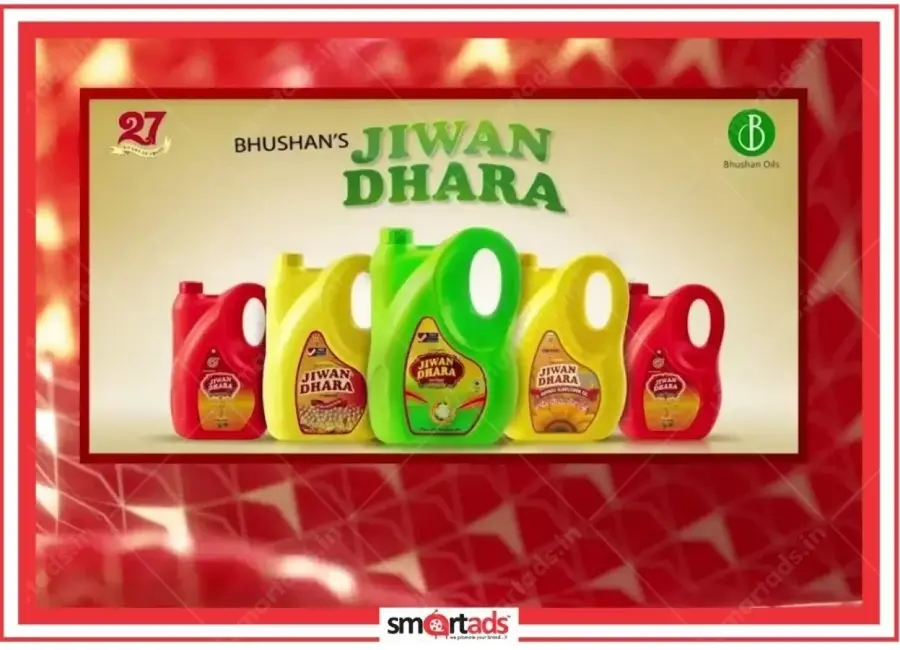
Commercial RODP
10 Sec Video
Commercial ads are one type of video ad
Rate per Slot / Day
06:00-24:00, Mon-Sun
₹400.00
Showing 1 to 4 of 4 Results
MEDIA DETAILS
10 Sec Video
Commercial ads are one type of video ad
Rate per Slot / Day
06:00-24:00, Mon-Sun
₹400.00
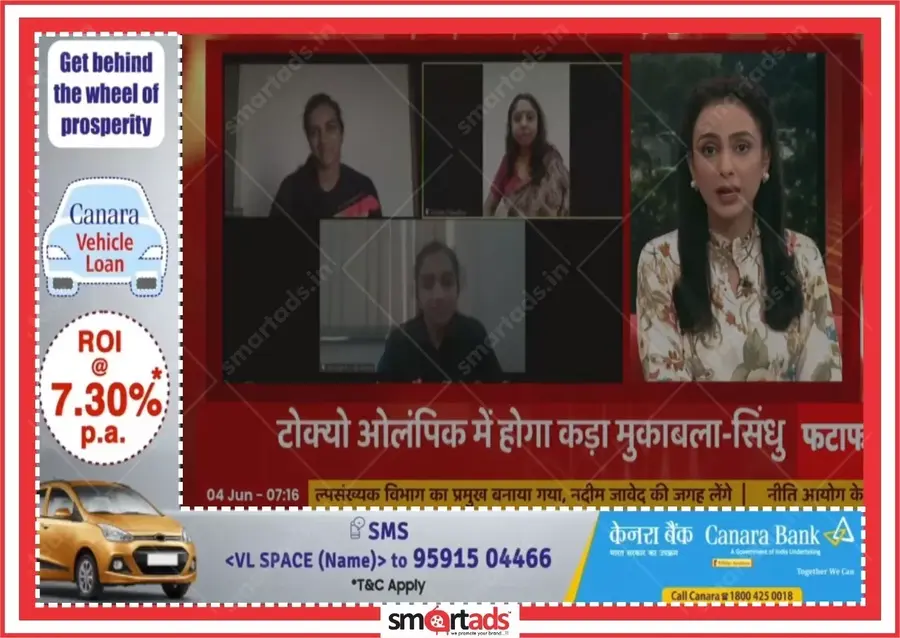
10 Second
L-Band ads are generally seen on the New
Rate per Slot / Day
06:00-24:00, Mon-Sun
₹780.00
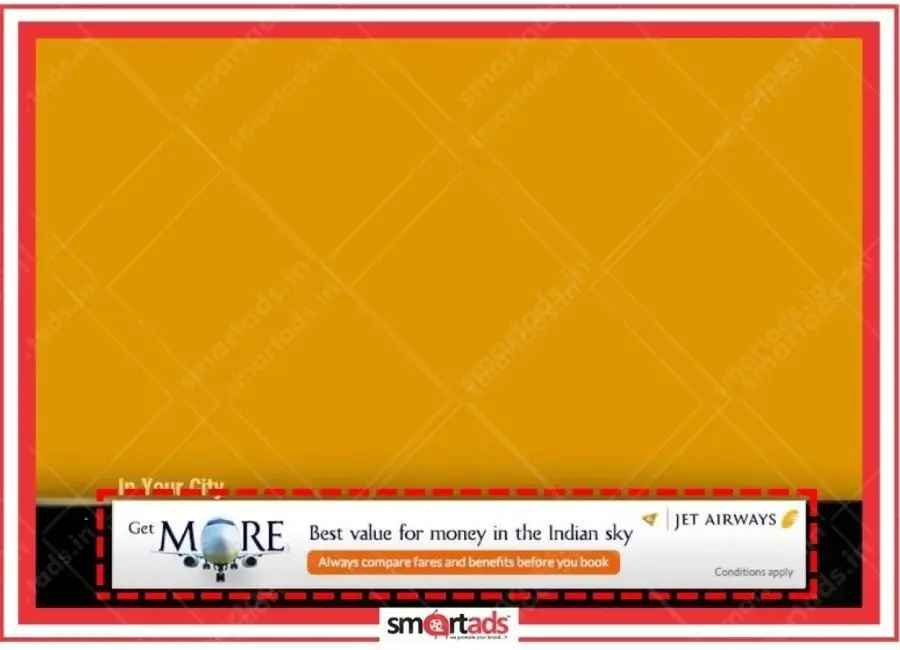
10 Second
Aston Band ads are different from commer
Rate per Slot / Day
06:00-24:00, Mon-Sun
₹380.00
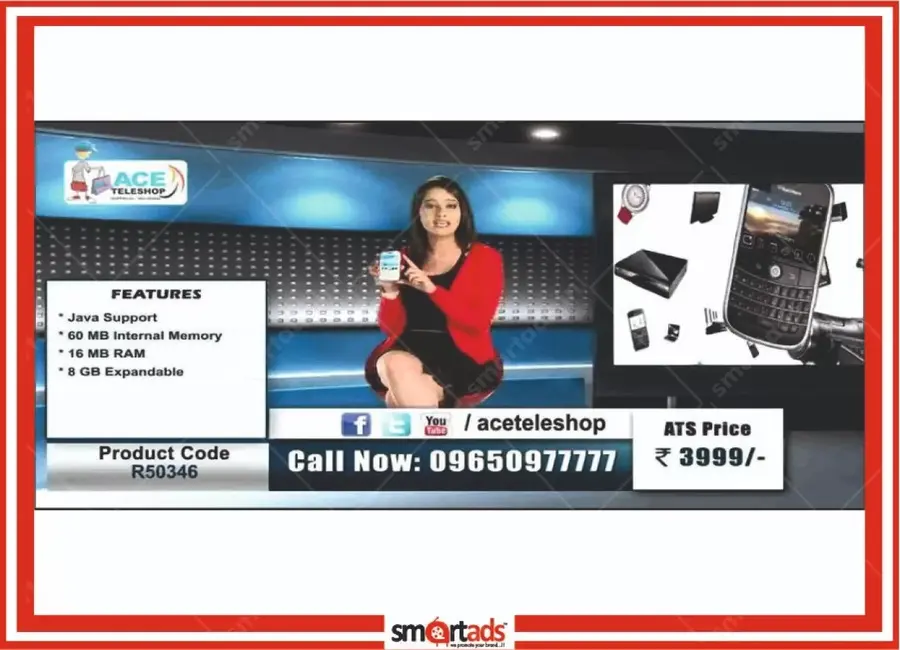
22 Minute
Teleshopping is generally started after
Rate per Slot / Day
12 AM Onwards
₹17250.00
MEDIA REACH

Language :
Telugu
ChannelGenre :
Spritual
MinimumBilling :
100000
WeeklyView :
108650
PricingUnit :
Per 10 Sec
Teleshoping :
Teleshopping
Network :
Rachana Network
ChannelName :
Bhakthi TV
Broadcast :
National

Devotional television in Andhra Pradesh punches well above its weight in terms of advertiser ROI — and Bhakthi TV sits at the centre of that story. What surprises most brand managers when they first look at the numbers is how efficiently a Telugu devotional channel can deliver a Gen X and senior citizen audience that is nearly impossible to reach through digital channels at any comparable cost. We have worked with enough Andhra Pradesh advertisers across FMCG, jewellery, real estate, and education sectors to say, without hesitation, that Bhakthi TV advertising deserves a more prominent place in regional media plans than most agencies give it.
The first thing to understand about Bhakthi TV ad rates is that the card rate — the officially published rate — is almost never what you actually pay. The card rate for a 10-second FCT slot on Bhakthi TV during prime time works out to somewhere in the ballpark of ₹3,000 to ₹5,000 per 10 seconds, which is a figure that varies depending on the daypart, the season, and the volume of inventory you are booking. Non-prime time slots, which include the morning puja blocks between 6 AM and 9 AM and the afternoon programming window, typically come in at roughly ₹1,000 to ₹2,500 per 10 seconds — making them genuinely attractive for advertisers who are working with tighter budgets but still want consistent brand visibility across the Telugu-speaking heartland.
The offer rate, which is what a media agency negotiates after applying volume discounts and seasonal corrections, can be 30% to 50% below the card rate in lean periods; during peak festival seasons like Karthika Masam and Sankranti, however, that discount window narrows considerably, and advertisers who have not locked in inventory early often find themselves paying close to card rate. At SmartAds, we always tell our clients that the real value in Bhakthi TV advertising in Andhra Pradesh lies not just in the per-second rate but in the cost per reach — because the audience delivered by a devotional channel is far more concentrated and less fragmented than what you get on a general entertainment channel where you are paying for a lot of eyeballs that have no relevance to your product. The CPRP on Bhakthi TV, when calculated against the specific demographic of adults aged 35 and above in AP, tends to be considerably more efficient than the headline rate suggests.
For advertisers considering a RODP (Run of Day Part) buy rather than fixed-position spots, the rates drop further — a RODP package across non-prime time on Bhakthi TV can be structured at roughly ₹80,000 to ₹1,20,000 per week for a reasonable frequency, which is a number that makes this channel accessible even for mid-size regional brands. The minimum billing threshold to initiate a Bhakthi TV ad campaign in Andhra Pradesh is generally around ₹1,00,000, which is worth understanding in context: this is not a barrier designed to exclude small businesses but rather a practical floor that ensures the campaign has enough weight to generate meaningful GRP delivery. A well-structured ₹1,00,000 campaign, planned intelligently across the right dayparts, can deliver a respectable television campaign for a local business in Vijayawada or Visakhapatnam.
Bhakthi TV occupies a very specific and defensible position in the Telugu language television ecosystem — it is the channel that a large segment of the Andhra Pradesh population turns to not out of habit but out of intent. Viewers are not passively scrolling; they are actively seeking devotional content, which means the attention quality is higher than on a general entertainment channel where the remote control gets a workout during ad breaks. This is a distinction that matters enormously for advertisers in categories like gold jewellery, ayurvedic health products, religious tourism, insurance, and educational institutions — categories where the audience's mindset during viewing is already aligned with considered, trust-based purchasing decisions.
The channel is part of the Rachana Television Network, which also operates NTV and Vanitha TV, and this network affiliation is strategically significant for advertisers. Bhakthi TV's editorial positioning as a Free To Air (FTA) channel on satellite television platforms including DD Free Dish, Airtel DTH, and Tata Play means its reach extends deep into rural Andhra Pradesh, which is where a substantial portion of the devotional audience lives. Urban-rural viewership on devotional channels in AP tends to skew more rural than on news or entertainment channels, which is a critical insight for brands targeting Tier 2 and Tier 3 markets across the state. We have found, through campaign analysis across multiple Andhra Pradesh advertisers, that brands in the agri-input, microfinance, and regional retail sectors see disproportionately strong brand recall from Bhakthi TV advertising compared to what they achieve on urban-skewing digital platforms.
Frankly speaking, one of the most underappreciated aspects of advertising on a Telugu devotional channel like Bhakthi TV is the trust transfer. When a brand appears repeatedly in the context of devotional programming — puja shows, bhajan telecasts, temple darshan content — there is a psychological association with reliability and authenticity that is very difficult to manufacture through other media. One FMCG client we worked with in the health supplement category saw a measurable uplift in brand trust scores in Andhra Pradesh markets after a sustained 8-week Bhakthi TV advertising campaign, which they attributed specifically to the contextual alignment between their product's ayurvedic positioning and the channel's devotional environment.
The FCT slot — Free Commercial Time, which is the standard ad break insertion — is the most familiar format and the one most advertisers default to, but it is not always the most cost-effective or impactful choice on a channel like Bhakthi TV. A 10-second ad slot during a prime time devotional program on Bhakthi TV delivers frequency efficiently, but the L-Band format, which is the horizontal banner that appears across the lower third of the screen during programming without interrupting it, offers something qualitatively different: the viewer is watching content they have actively chosen, and your brand message sits within that experience rather than interrupting it. L-Band advertising on Bhakthi TV is priced at a premium over standard FCT on a per-impression basis, but the recall rates we have observed across campaigns suggest the premium is justified for categories where brand salience matters more than direct response.
The Aston Band, which is a smaller text-and-logo overlay typically positioned at the bottom of the screen, is a format that works particularly well for local advertisers — a jewellery store in Tirupati, a hospital in Vijayawada, or a real estate developer in Visakhapatnam — because it keeps the brand name in frame for an extended duration without requiring a full video ad production. The cost of Aston Band advertising on Bhakthi TV is considerably lower than FCT, which makes it an accessible entry point for advertisers who are exploring devotional channel advertising for the first time and want to test the medium before committing to a full television campaign. At SmartAds, we often recommend a combination of FCT and Aston Band for clients with moderate budgets, because the two formats complement each other — the FCT drives awareness through a complete video ad, while the Aston Band sustains recall throughout the programming block.
Teleshopping is a distinct format that occupies longer blocks — typically 15 to 30 minutes — and is best suited for direct-response advertisers in categories like kitchen appliances, fitness equipment, health products, and religious merchandise. Bhakthi TV's audience in Andhra Pradesh is particularly receptive to teleshopping content that is aligned with their lifestyle and values, which is why we have seen strong conversion rates for clients in the ayurvedic and devotional merchandise categories who have used this format. The production requirement for teleshopping is more intensive than for a standard FCT video ad, but the per-minute cost of airtime is significantly lower, and the extended format allows for demonstration and storytelling that a 10-second ad slot simply cannot accommodate.
The weekly viewership figure for Bhakthi TV in Andhra Pradesh sits at roughly 1,08,650 weekly impressions based on available BARC ratings data, which is a number that needs to be contextualised carefully before it is used in a media plan. This figure represents the combined AP and Telangana universe in most BARC reporting, because the two states share a Telugu-speaking audience that is not always cleanly separated in broadcast measurement; for state-specific buyers focused exclusively on Andhra Pradesh, the effective AP-only viewership is estimated to be in the range of 55% to 65% of the combined figure, which still represents a meaningful and highly targeted audience for regional advertisers. The distinction matters particularly for advertisers whose distribution or service footprint is limited to AP — a real estate developer in Amaravati, for instance, has no reason to pay for Telangana-side viewership.
The audience profile on Bhakthi TV skews heavily toward the Gen X and senior citizen demographic — adults aged 35 and above account for the overwhelming majority of viewership, with women in the 35-55 age bracket representing the single largest viewer segment. This demographic is the primary decision-maker for household purchases in categories like gold, insurance, health products, and educational institutions for children and grandchildren, which explains why these categories consistently appear among the top advertisers on Telugu devotional channels. Urban rural viewership on Bhakthi TV is more balanced than on entertainment channels, with a meaningful proportion of the audience coming from smaller towns and rural districts of Andhra Pradesh — Kurnool, Kadapa, Nellore, Chittoor, and East Godavari districts all show strong devotional channel viewership in BARC data.
What a lot of people miss when they look at devotional channel demographics is the household influence dynamic. The viewer who watches Bhakthi TV in the morning is often the person who controls household spending decisions — the homemaker, the retired professional, the family elder — and reaching this person through a medium they trust and respect creates a very different brand relationship than reaching a younger audience through a social media scroll. BARC India's viewership data has consistently shown that devotional programming on Telugu language television maintains strong average time spent per viewer, which is a metric that matters for brand recall in ways that raw reach numbers do not fully capture.
GRP — Gross Rating Points — is the currency of television campaign planning, and understanding how it applies to a niche channel like Bhakthi TV requires a slightly different lens than you would apply to a general entertainment channel. One GRP on Bhakthi TV represents 1% of the target audience universe in Andhra Pradesh watching the channel at a given time; because the channel's universe is defined by the Telugu-speaking devotional audience rather than the total AP television universe, the absolute GRP numbers will always be smaller than what you see on a mass entertainment channel, but the quality of those GRPs — in terms of audience relevance and attention — is substantially higher for the right advertiser categories. We typically advise clients to target a minimum of 100-150 GRPs per week on Bhakthi TV to achieve meaningful frequency within the core audience, which is achievable within a reasonable budget when the RODP buying strategy is applied intelligently.
The CPRP — Cost Per Rating Point — on Bhakthi TV in Andhra Pradesh works out to somewhere between ₹800 and ₹2,500 depending on the daypart and the season, which compares very favourably with what you would pay on a larger Telugu GEC for the same demographic. The morning puja block, which is the highest-viewership daypart on devotional channels, tends to command a CPRP at the higher end of this range; the afternoon block, which still delivers a loyal and attentive audience, is typically at the lower end and represents the best value for advertisers who are optimising for cost efficiency rather than peak reach. At SmartAds, our media planning team calculates CPRP not just against the total viewership but against the specific target audience segment — which is why a campaign that looks expensive on a headline CPRP basis often reveals itself to be highly efficient once you filter for the actual demographic that matters to the advertiser.
To be fair, there is a limitation to BARC ratings data for a channel of Bhakthi TV's scale — the sample size in any given week can produce some volatility in the GRP numbers, which means campaign evaluation should be done over a minimum 4-week window rather than week-by-week. This is standard practice for regional niche channels across India, and it is something we always flag to clients who are used to evaluating large-channel campaigns on weekly GRP reports. The TAM AdEx data, which tracks advertising volumes across channels, provides a useful supplementary lens on Bhakthi TV's advertising activity and can help media planners understand category-level competitive intensity on the channel.
The morning block between 5:30 AM and 9 AM is, without question, the prime real estate on Bhakthi TV — this is when the channel's core audience is most actively engaged, watching morning puja telecasts, devotional music programs, and temple darshan content as part of their daily ritual. Prime time on Bhakthi TV does not follow the 8-10 PM convention of general entertainment channels; instead, the channel sees a second viewership peak in the early evening between 6 PM and 8 PM, when devotional content again draws a concentrated and attentive audience. Advertisers who understand this daypart structure — and plan their FCT slot purchases accordingly — get significantly better value than those who apply a GEC-style prime time logic to a devotional channel buy.
Seasonally, Karthika Masam advertising on Bhakthi TV commands a significant premium, and rightfully so — this is the month in the Telugu calendar when devotional viewership spikes most dramatically, with audiences actively seeking content related to Shiva worship, lamp-lighting rituals, and temple visits. The rate premium during Karthika Masam can be anywhere from 20% to 40% above the standard card rate, which means advertisers who want to be present during this peak period need to book inventory at least 6 to 8 weeks in advance. Ugadi advertising and Sankranti advertising also see elevated demand on Bhakthi TV, as these festivals carry deep cultural significance for the Telugu-speaking audience and drive a natural spike in viewership. Vinayaka Chavithi and Diwali round out the key seasonal peaks, though their impact on devotional channel viewership is slightly less pronounced than Karthika Masam and Sankranti.
One automotive brand we worked with — a two-wheeler manufacturer targeting rural AP buyers — made the strategic decision to concentrate their Bhakthi TV advertising budget specifically in the Karthika Masam and Sankranti windows rather than spreading it thinly across the full year; the result was a significantly higher brand recall score in their post-campaign research in Tier 2 AP markets, compared to a previous campaign that had used the same total budget but spread it across 12 months. The lesson here is that on a devotional channel, contextual timing is not just a nice-to-have — it is a fundamental driver of campaign effectiveness.
The booking process for Bhakthi TV advertising in Andhra Pradesh begins with a media brief — and the quality of that brief determines almost everything that follows. A good brief specifies the target geography (AP-only or AP plus Telangana), the target audience demographic, the campaign duration, the budget range, and the ad formats being considered; without this clarity, the rate negotiation process becomes inefficient and the final media plan often ends up misaligned with the advertiser's actual objectives. How to advertise on Bhakthi TV in Andhra Pradesh is not a complicated process, but it does require working through either the channel's sales team directly or through a recognised media agency, because the channel does not typically accept ad bookings from individual advertisers without an intermediary for campaigns below a certain scale.
The creative material — the video ad — needs to be delivered in the correct technical specifications, which for Bhakthi TV includes a high-definition video file in .mov or .mp4 format, typically at a resolution of 1920x1080 at 25 frames per second, with stereo audio at -10 dBFS. This is a specification that catches a surprising number of first-time TV advertisers off guard, particularly smaller businesses that have been producing social media video content at lower resolutions; the production cost of a broadcast-quality TVC for a 10-second or 20-second FCT slot is an investment that needs to be factored into the overall campaign budget from the outset. At SmartAds, we assist clients with creative specifications guidance and can connect them with production partners who understand the technical requirements of Telugu language television, which saves a significant amount of time and avoids costly last-minute rejections.
Once the creative is approved and the media plan is confirmed, the ad booking process involves a formal release order, which is the document that authorises the channel to run the campaign on the agreed schedule. The campaign is then monitored against the booked GRP delivery, and any shortfall — which can occur due to pre-emptions or scheduling changes — is typically made good through bonus spots or credit notes. A Bhakthi TV Andhra Pradesh ad booking agency with established relationships with the Rachana Television Network's sales team can negotiate these makegoods more effectively than a first-time direct buyer, which is one of the practical reasons why working through a media agency tends to deliver better outcomes even after accounting for agency fees.
The competitive landscape for devotional channel advertising in Andhra Pradesh is anchored by three players — Bhakthi TV, SVBC (Sri Venkateswara Bhakthi Channel), and CVR Spiritual OM — each of which occupies a distinct position in the market and serves a somewhat different advertiser need. SVBC, which is operated by the Tirumala Tirupati Devasthanams and is therefore deeply associated with the Tirupati pilgrimage ecosystem, carries an extraordinary level of credibility and devotional authority among the Telugu-speaking Hindu audience; its viewership in Andhra Pradesh, particularly in the southern districts, tends to be strong among pilgrimage-oriented viewers, and advertisers in the religious tourism, prasadam, and devotional merchandise categories often find SVBC to be the more targeted buy. The ad rates on SVBC are generally in a comparable range to Bhakthi TV for standard FCT slots, though SVBC's FTA availability on DD Free Dish gives it strong rural AP penetration.
CVR Spiritual OM, which is part of the CVR News network, is a newer entrant in the Telugu devotional channel space and has been building its audience base steadily; its BARC ratings in Andhra Pradesh are currently lower than both Bhakthi TV and SVBC, which means it offers lower absolute reach but also lower ad rates — making it an interesting option for advertisers who want to test devotional channel advertising at a lower entry cost before committing larger budgets to Bhakthi TV. The audience overlap between all three channels is significant, which means a media plan that includes spots across two or three of these channels can achieve meaningful incremental reach within the devotional audience segment without excessive duplication.
Where Bhakthi TV holds a distinct advantage over both SVBC and CVR Spiritual OM for most commercial advertisers is in its network affiliation with NTV and Vanitha TV through the Rachana Television Network. This affiliation creates a genuine multi-channel bundle opportunity — advertisers who commit to a combined NTV, Bhakthi TV, and Vanitha TV buy can negotiate package discounts that make the effective CPM across the bundle considerably lower than buying each channel individually. We have structured several such bundle campaigns for Andhra Pradesh advertisers in the jewellery and real estate categories, and the combined reach across the three Rachana Network channels typically delivers a more complete demographic profile — news viewers on NTV, women's lifestyle audience on Vanitha TV, and the devotional audience on Bhakthi TV — than any single-channel buy can achieve.
The AP-specific festival calendar creates a series of predictable and highly valuable advertising windows on Bhakthi TV, and the brands that plan around these windows consistently outperform those that run always-on campaigns without seasonal weighting. Karthika Masam, which typically falls between October and November, is the single most important advertising period on the channel — viewership during this month is estimated to increase by 25% to 35% above the annual average, and the audience's engagement with devotional content during this period is at its most intense. Advertisers in gold jewellery, home appliances, and religious merchandise categories should be treating Karthika Masam advertising as a non-negotiable priority in their AP media plans.
Sankranti, which is the most widely celebrated Telugu festival and falls in mid-January, drives a different kind of viewership spike — one that is more family-oriented and celebratory, which opens up the audience to a broader range of advertiser categories including food and beverages, apparel, and consumer durables. Ugadi advertising in March-April is particularly relevant for categories associated with new beginnings — financial products, real estate, and education institutions see strong response rates from campaigns timed around Ugadi on devotional channels. Vinayaka Chavithi, which falls in August-September, is another significant window, especially for advertisers targeting the AP market specifically, as the festival is celebrated with particular intensity in coastal Andhra Pradesh.
A regional education brand we worked with — a coaching institute based in Vijayawada — ran a concentrated Bhakthi TV campaign across the Ugadi and Sankranti windows targeting parents of school-age children in Andhra Pradesh; the campaign delivered a 40% increase in inquiry calls compared to their previous year's campaign, which had used the same budget on a digital-only strategy. The insight here was straightforward: the parents making education decisions for their children were watching Bhakthi TV during festival seasons, and reaching them in that context — when they were already thinking about family, future, and auspicious beginnings — created a receptivity that digital ads simply could not replicate.
Q: What are the current Bhakthi TV advertising rates in Andhra Pradesh?
The current Bhakthi TV advertising rates in Andhra Pradesh vary by daypart, format, and season. For a standard 10-second FCT slot, the card rate during prime time (morning puja block and evening devotional programming) is roughly in the range of ₹3,000 to ₹5,000 per 10 seconds, while non-prime time slots are available at somewhere between ₹1,000 and ₹2,500 per 10 seconds. These are card rates — the offer rate, which is what advertisers actually pay after negotiation through a media agency, can be 30% to 50% lower depending on the volume of the buy and the time of year. During peak festival periods like Karthika Masam and Sankranti, rate premiums of 20% to 40% above standard card rates are common, and early booking is strongly advised to secure preferred inventory.
Q: How do I book an ad on Bhakthi TV for the Andhra Pradesh market?
Booking a Bhakthi TV ad campaign for the Andhra Pradesh market involves preparing a detailed media brief, working with a recognised media agency or directly with the Rachana Television Network's sales team, submitting creative material in the correct technical specifications, and issuing a formal release order. The process from brief to on-air typically takes between 7 and 14 working days for standard campaigns, though peak season bookings should be initiated at least 6 to 8 weeks in advance to secure preferred dayparts. A media agency with established relationships with the Rachana Network can significantly streamline this process and negotiate better rates and positions than a direct first-time buyer.
Q: What ad formats are available on Bhakthi TV — FCT, L-Band, Aston Band, or Teleshopping?
All four formats are available on Bhakthi TV. The FCT slot is the standard ad break insertion, available in 10-second, 20-second, 30-second, and 40-second durations. The L-Band is a horizontal banner overlay that runs during programming without interrupting it, which is particularly effective for brand visibility campaigns. The Aston Band is a smaller text-and-logo overlay that is cost-effective for local advertisers who want sustained on-screen presence. Teleshopping blocks, typically 15 to 30 minutes in duration, are available for direct-response advertisers in product categories that benefit from demonstration and extended storytelling. Sponsorship advertising — where a brand sponsors an entire devotional program or segment — is also available and is a powerful format for building deep contextual association with the channel's content.
Q: Are Bhakthi TV advertising rates negotiable for small businesses in Andhra Pradesh?
Yes, Bhakthi TV advertising rates are negotiable, and small businesses in Andhra Pradesh should not assume that the card rate is fixed. The degree of negotiation possible depends on the total budget being committed, the flexibility on daypart (RODP buys are more negotiable than fixed-position prime time spots), and the duration of the campaign. A small business committing to a 4-week RODP campaign at the minimum billing threshold can typically negotiate a meaningful discount from card rate, particularly in non-peak periods. Working through a media agency that handles volume across multiple clients gives small businesses access to rate negotiations that they could not achieve independently.
Q: What is the minimum billing amount to start a Bhakthi TV ad campaign in Andhra Pradesh?
The minimum billing threshold for a Bhakthi TV advertising campaign in Andhra Pradesh is generally around ₹1,00,000. This floor exists because below this level, the campaign does not have sufficient weight to generate meaningful GRP delivery or frequency within the target audience. For small businesses, this means that a ₹1,00,000 campaign — structured intelligently across non-prime time RODP slots — can deliver a genuine television campaign presence on a regional devotional channel, which is a very different proposition from what a ₹1,00,000 digital budget achieves in terms of audience quality and brand perception.
Q: What is the weekly viewership and audience reach of Bhakthi TV in Andhra Pradesh?
Bhakthi TV's weekly viewership in the combined Andhra Pradesh and Telangana market is approximately 1,08,650 weekly impressions based on BARC ratings data. It is important to note that BARC measurement for Bhakthi TV covers the combined Telugu-speaking market across both states, and the AP-specific viewership is estimated to represent roughly 55% to 65% of this combined figure. The channel's availability as a Free To Air channel on DD Free Dish, Airtel DTH, and Tata Play means its actual reach — including audiences in households that are not captured in the BARC urban sample — is likely higher than the measured figure, particularly in rural Andhra Pradesh.
Q: How does Bhakthi TV compare to SVBC Telugu and CVR Spiritual OM for Andhra Pradesh advertisers?
Bhakthi TV offers a strong combination of commercial flexibility, network bundle opportunities through the Rachana Television Network, and broad AP-Telangana reach that makes it the most versatile of the three Telugu devotional channels for most commercial advertisers. SVBC carries higher devotional authority and is particularly strong in the southern AP districts and among Tirupati pilgrimage-oriented audiences, making it the preferred choice for advertisers in religious tourism and devotional merchandise. CVR Spiritual OM offers lower rates and lower reach, making it suitable for budget-constrained advertisers testing the devotional channel medium. For most mid-size to large advertisers in AP, a combination of Bhakthi TV and SVBC delivers the best coverage of the devotional audience.
Q: What are the best time slots (dayparts) to advertise on Bhakthi TV in Andhra Pradesh?
The morning block between 5:30 AM and 9 AM is the highest-viewership daypart on Bhakthi TV and delivers the most concentrated devotional audience; this is the prime time on a devotional channel, which is a different convention from general entertainment channels. The early evening block between 6 PM and 8 PM is the second peak. For advertisers optimising for cost efficiency, the afternoon block between 12 PM and 4 PM delivers a loyal audience at significantly lower rates and is particularly effective for RODP campaigns targeting women in the 35-55 age bracket.
Q: Does Bhakthi TV charge higher rates during Karthika Masam, Ugadi, and Sankranti in Andhra Pradesh?
Yes, Bhakthi TV advertising rates in Andhra Pradesh are higher during peak festival periods. Karthika Masam commands the largest premium — typically 20% to 40% above standard card rates — because it is the most significant devotional season in the Telugu calendar and drives the largest viewership spike on the channel. Sankranti and Ugadi advertising also attract rate premiums, though generally in the 15% to 25% range. Advertisers planning campaigns around these festivals should initiate the booking process at least 6 to 8 weeks in advance, as premium inventory — particularly morning puja block positions — tends to sell out quickly.
Q: Can I advertise on Bhakthi TV specifically for Andhra Pradesh, or does it cover Telangana too?
Bhakthi TV is a satellite television channel that broadcasts across the entire Telugu-speaking market, which means a campaign on the channel reaches audiences in both Andhra Pradesh and Telangana simultaneously. There is no mechanism to geographically restrict a broadcast television campaign to AP-only transmission. However, advertisers with AP-specific objectives can factor the AP-Telangana audience split into their CPRP calculations and evaluate the campaign's efficiency on the basis of AP-side reach alone. For advertisers who genuinely need AP-only targeting, digital video advertising on platforms with geographic targeting capability can be used as a complement to the Bhakthi TV buy.
Q: How is GRP and CPRP calculated for a Bhakthi TV campaign in Andhra Pradesh?
GRP for a Bhakthi TV campaign in Andhra Pradesh is calculated by multiplying the channel's rating (the percentage of the target audience universe watching at a given time) by the number of spots aired. BARC ratings data provides the rating inputs, though for a channel of Bhakthi TV's scale, weekly averages over a 4-week period are more reliable than individual week readings. The CPRP is calculated by dividing the total campaign cost by the total GRPs delivered; on Bhakthi TV, the CPRP against the 35-plus adult audience in AP typically works out to somewhere between ₹800 and ₹2,500 depending on daypart and season, which is competitive relative to the demographic value being delivered.
Q: What video format and creative specifications are required for a Bhakthi TV advertisement?
Bhakthi TV requires broadcast-quality video material in HD format — typically 1920x1080 resolution at 25 frames per second, delivered as a .mov or .mp4 file with stereo audio mixed to approximately -10 dBFS. The ad must be in Telugu language or carry Telugu subtitles if the primary language is different. For a 10-second FCT slot, the video ad must be exactly 10 seconds in duration — not 9.5 or 10.5 seconds. Advertisers producing creative material specifically for Bhakthi TV should ensure that the visual and audio tone is appropriate for the devotional channel context; overly loud, aggressive, or jarring creative tends to perform poorly in this environment, and a measured, warm tone tends to generate better recall and response.
Regional television advertising in India is at an interesting inflection point — digital budgets continue to grow, but the evidence from market after market suggests that for audiences above 35 in Tier 2 and Tier 3 geographies, television remains the most powerful brand-building medium available. Bhakthi TV advertising in Andhra Pradesh sits at the intersection of two durable truths: devotional content commands genuine attention, and the Telugu-speaking audience in AP has a deep and enduring relationship with this channel that no algorithm-driven platform can replicate.
The brands that get the most out of Bhakthi TV advertising in Andhra Pradesh are the ones that treat it as a strategic medium rather than a remnant buy — they plan their campaigns around the festival calendar, they invest in broadcast-quality creative that respects the channel's tone, they use the Rachana Network bundle to extend their reach across NTV and Vanitha TV, and they evaluate their campaigns on CPRP against the specific demographic they are targeting rather than on raw GRP numbers. We have seen this approach deliver results that consistently exceed what the same budget achieves on a general entertainment channel for the same advertiser, particularly in categories where the 35-plus audience is the primary decision-maker.
The low-cost TV advertising opportunity in Andhra Pradesh that Bhakthi TV represents — particularly for small and mid-size businesses that have assumed television is beyond their reach — is one that deserves more attention than it typically receives in media planning conversations. A ₹1,00,000 to ₹3,00,000 campaign, structured intelligently with the right daypart mix and timed to a relevant festival window, can deliver brand visibility on satellite television that builds credibility in ways that digital advertising simply cannot match for this audience.
If you are evaluating a Bhakthi TV campaign for your Andhra Pradesh marketing plan — whether you are a regional brand looking for your first television campaign or a national advertiser seeking to deepen your presence in the Telugu market — the SmartAds media planning team brings direct
