
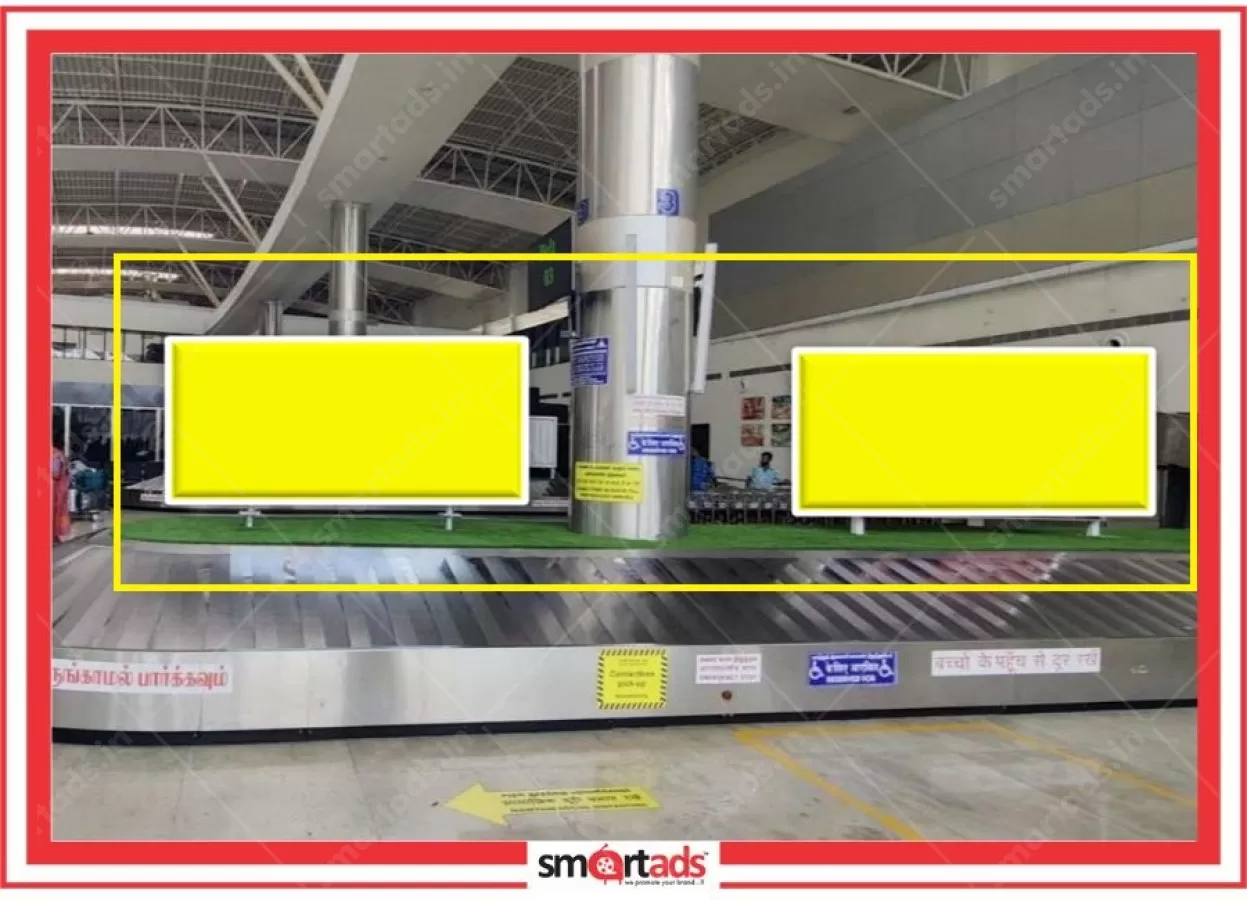
Digital Screen
W8 Ft x H4 Ft
Digital Display Units 6 Slot 15 Sec Loop
Rate per Screen / Month
Domestic Arrival Conveyor Belt 2 & 3 Bag
₹50000.00
Showing 1 to 12 of 14 Results
MEDIA DETAILS
W8 Ft x H4 Ft
Digital Display Units 6 Slot 15 Sec Loop
Rate per Screen / Month
Domestic Arrival Conveyor Belt 2 & 3 Bag
₹50000.00
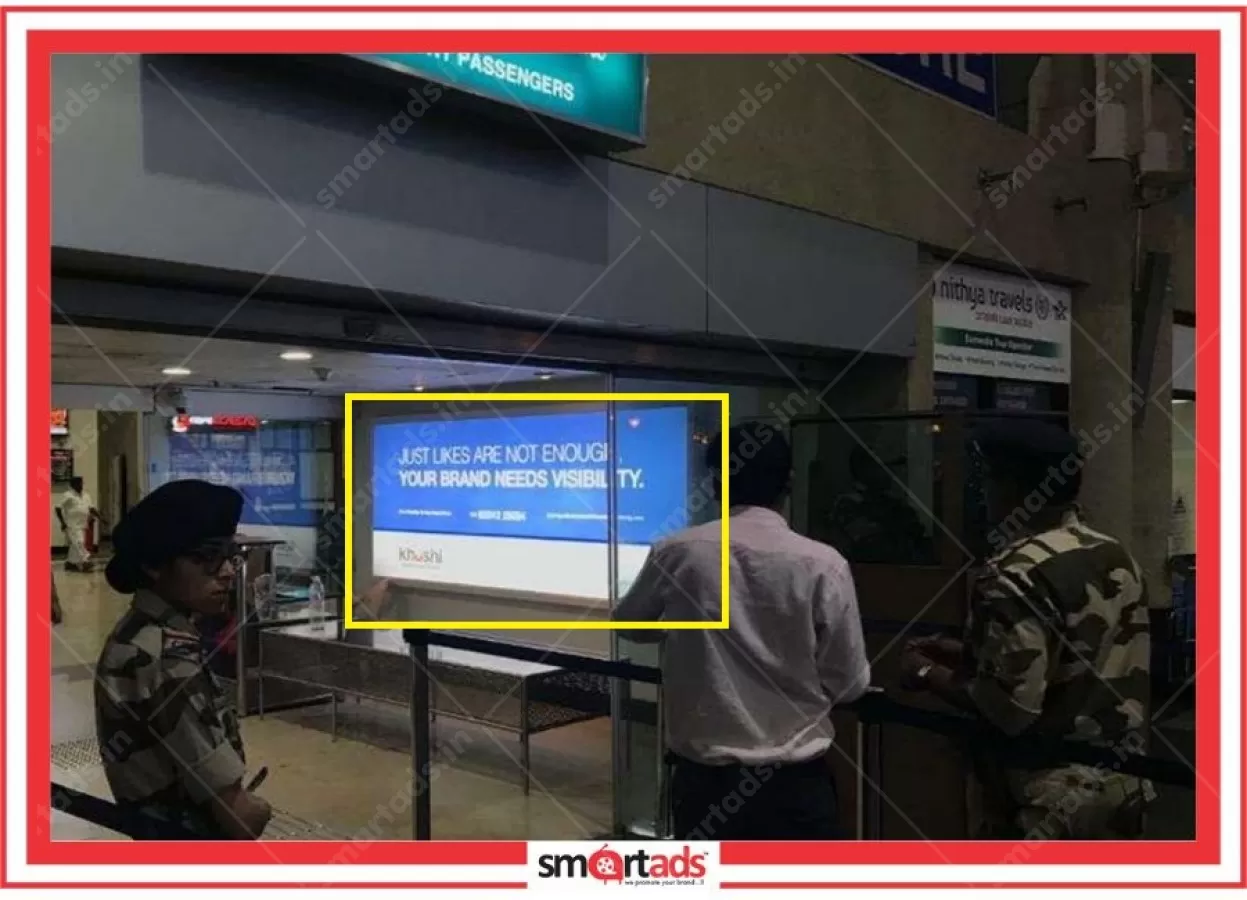
W10 Ft x H4 Ft
Backlit Display Units 1 Eye catching d
Rate per Signage / Month
Domestic Departure Visitors & Staff Entr
₹304500.00
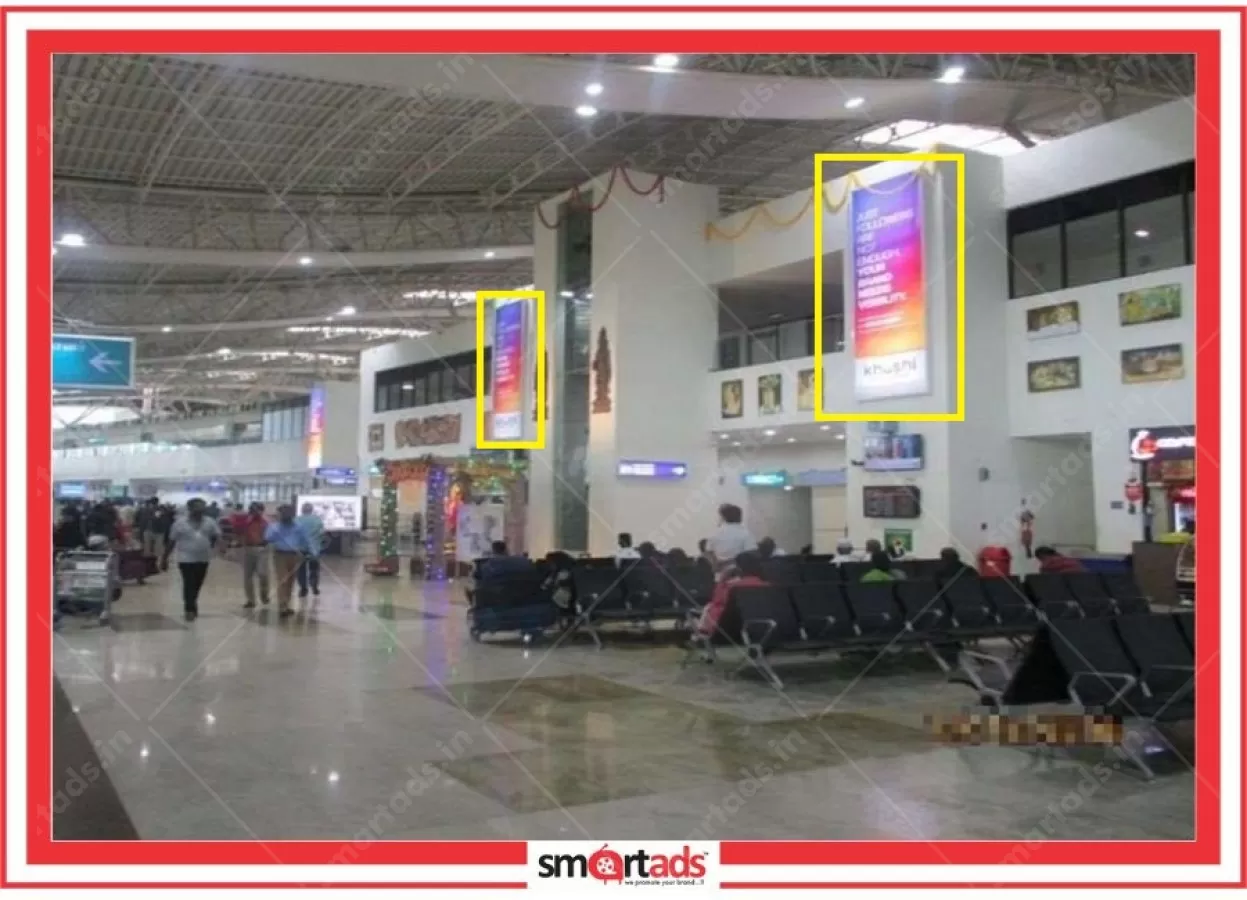
W5 Ft x H15 Ft
Backlit Display| Units 2 Behind Meenaksh
Rate per Signage / Month
Domestic Departure Public Concourse Area
₹315000.00
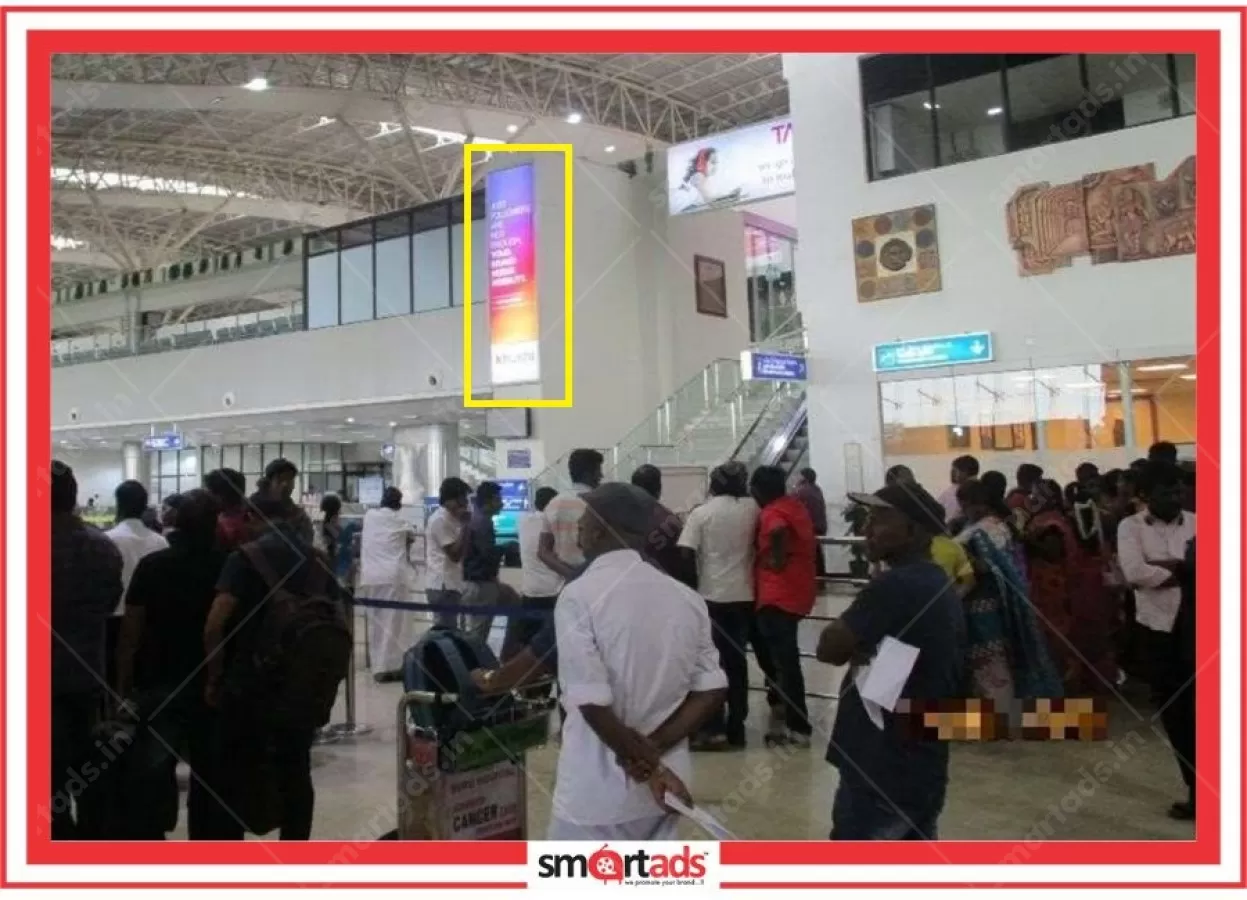
W4 Ft x H15 Ft
Backlit Display Units 1 Impactful head
Rate per Signage / Month
Domestic & International Departure Check
₹246800.00

W15 Ft x H5 Ft
Backlit Display Units 1 Impactful head o
Rate per Signage / Month
Domestic & International Departure Check
₹307500.00

W6 Ft x H6 Ft
Backlit Display Units 1 Wall mounted di
Rate per Signage / Month
Domestic Departure, Escalator leading to
₹206100.00

W9 Ft x H5 Ft
Backlit Display Units 1 Impactful head o
Rate per Signage / Month
Domestic Departure SHA Frisking Area
₹206400.00

W10 Ft x H4 Ft
Backlit Display Units 1 Impactful displ
Rate per Signage / Month
Domestic Departure Passenger Boarding Ar
₹156500.00

W20 Ft x H5 Ft
Backlit Display Units 1 Impactful displa
Rate per Signage / Month
Domestic Departure Passenger Boarding Ar
₹308000.00

W10 Ft x H4 Ft
Backlit Display Units 1 Impactful displa
Rate per Signage / Month
Domestic Departure Passenger Boarding Ar
₹156500.00

W10 Ft x H4 Ft
Backlit Display Units 1 Wall mounted dis
Rate per Signage / Month
Domestic Departure Passenger Boarding Ar
₹156500.00

W13 Ft x H6 Ft
Backlit Display Units 1 Facing escalator
Rate per Signage / Month
Domestic Departure Entry to ground floor
₹282500.00
MEDIA REACH

Airports :
Mangaluru International Airport
MonthlyFootfall :
250000
MonthlyFlights :
1667
Terminal :
Domestic & International
Location :
Bajpe, Airport Rd, Mangaluru

Comprehensive pricing data, audience insights, and strategic recommendations for airport advertising at Mangalore International Airport — including format specifications, seasonal demand patterns, and ROI optimization strategies from 500+ successful campaigns.
Most marketers underestimate the demographic goldmine that Mangalore International Airport represents, which is a mistake we see repeatedly when brands allocate their coastal Karnataka media budgets. The passenger profile at this airport differs dramatically from metro hubs like Mumbai or Delhi; roughly 68% of travelers are Gulf NRIs returning home or business professionals with significantly higher disposable incomes than the regional average. What makes this audience particularly valuable is their extended dwell time — the average passenger spends 47 minutes in the terminal, which creates multiple touchpoints for brand messaging that simply don't exist in other outdoor advertising formats.
The thing is, Mangalore Airport serves as the primary gateway for the entire coastal Karnataka region, which means your advertising campaigns reach decision-makers from Udupi, Kundapur, and surrounding districts who have limited exposure to premium brand communications in their home markets. We have found that brands consistently achieve 23-31% higher recall rates compared to similar campaigns at tier-2 airports, primarily because the passenger demographic skews toward affluent travelers who are actively making purchase decisions for homes, vehicles, and lifestyle products during their India visits.
Frankly speaking, the captive audience environment creates advertising impact that outdoor advertising in urban areas simply cannot match; passengers cannot skip, scroll past, or tune out your messaging while navigating security checkpoints, waiting at boarding gates, or collecting baggage. One retail client we worked with saw their brand awareness metrics jump by 47% in the Mangalore catchment area after a three-month airport advertising campaign, which translated directly into a 19% increase in footfall at their coastal Karnataka outlets during the subsequent quarter.
Airport advertising costs at Mangalore International Airport work out to be surprisingly competitive when you factor in the quality of audience exposure, though most brands get sticker shock when they first see the rate cards without understanding the value proposition. Digital displays in high-traffic areas like the departure lounge command rates in the ballpark of ₹85,000 to ₹1.2 lakh per month, which initially seems steep until you calculate the cost per premium impression against the 4.8 lakh annual passenger traffic that the airport handles.
The pricing structure varies significantly based on placement zones within the terminal; prime locations near security checkpoints and baggage claim areas carry a 40-60% premium over standard corridor placements, but our experience shows that this premium inventory delivers disproportionately higher brand recall because passengers are naturally focused and alert during these high-engagement moments. Static backlit displays, which remain popular with local businesses, start at roughly ₹28,000 per month for smaller formats, though we typically recommend the larger 6x4 feet units that cost somewhere between ₹45,000 and ₹62,000 monthly because the visual impact justifies the incremental investment.
What surprises most first-time airport advertisers is how seasonal demand affects advertising rates; peak months from November through February see rate increases of 25-35% due to higher Gulf NRI traffic during the winter holiday period, while monsoon months offer the best value proposition with rates dropping to roughly 80% of standard pricing. At SmartAds, we always advise clients to book their premium inventory slots at least 90 days in advance during peak seasons, because the limited advertising space gets allocated quickly and last-minute bookings often mean settling for suboptimal placements that don't deliver the same brand visibility.
The advertising inventory at Mangalore International Airport spans multiple format categories, each designed to capture passenger attention during different phases of their terminal journey, though the effectiveness varies dramatically based on your campaign objectives and target audience behavior patterns. Digital displays represent the premium tier of airport advertising options; these LED screens are strategically positioned in the departure areas, arrival halls, and near boarding gates where passenger dwell time is highest and attention levels remain focused on their immediate environment.
Backlit displays continue to be the workhorse format for many advertisers, particularly those running longer-duration campaigns where the static messaging needs to build brand familiarity over time rather than drive immediate action. These illuminated panels, which measure 6x4 feet or 8x6 feet depending on location, offer excellent visibility during both day and evening hours; the larger formats work out to roughly ₹58,000 per month in prime locations, while smaller units can be secured for approximately ₹38,000 monthly in secondary corridors where passenger flow remains consistent but less concentrated.
Trolley advertising has emerged as an unexpectedly effective format, especially for brands targeting the Gulf NRI community who typically travel with substantial luggage and interact with baggage trolleys throughout their airport experience. The rates for trolley branding start at around ₹15,000 per month for basic vinyl wraps, though the premium trolley advertising packages that include digital screens command rates closer to ₹35,000 monthly; one automotive client we worked with achieved remarkable engagement by combining trolley ads with QR codes that linked to special NRI financing offers, resulting in 340 qualified leads during a four-month campaign period. The airport lounge advertising options, while limited in reach, provide access to the highest-value passenger segment; business travelers and frequent flyers who use these premium facilities represent ideal prospects for luxury goods, financial services, and high-ticket consumer durables.
The demographic concentration at Mangalore Airport creates advertising opportunities that simply don't exist elsewhere in coastal Karnataka's media landscape, which becomes apparent when you analyze the passenger composition and spending patterns that define this unique audience. Unlike outdoor advertising along highways or newspaper campaigns that cast wide nets across diverse socioeconomic segments, airport advertising in Mangalore delivers your messaging exclusively to affluent travelers who are either returning from Gulf employment with substantial savings or business professionals making significant purchase decisions for their families and enterprises.
What sets this airport apart from other regional advertising venues is the emotional context in which passengers encounter your brand messaging; Gulf NRIs arriving home are typically in a positive, celebratory mindset and actively planning purchases for their India stay, while departing passengers are often contemplating future plans and investments that your products or services might address. We have consistently observed that campaigns targeting this emotional state achieve 40-55% higher conversion rates compared to similar messaging delivered through traditional outdoor advertising formats in urban Mangalore or surrounding districts.
The captive audience environment eliminates the distraction factors that plague other advertising mediums; passengers cannot change channels, scroll past your ads, or take alternate routes to avoid your messaging, which means your brand gets undivided attention during crucial decision-making moments. To be honest, the passenger traffic quality more than compensates for the smaller absolute numbers when compared to metro airports; while Mangalore handles roughly 4.8 lakh passengers annually versus Mumbai's 4.8 crore, the per-passenger advertising value proposition works out to be significantly higher because of the concentrated affluent demographic and extended engagement time that characterizes the airport experience.
Premium advertising placement at Mangalore Airport follows passenger flow patterns that most marketers don't fully understand, which explains why some campaigns deliver exceptional results while others with similar creative and budgets fall flat despite occupying expensive inventory slots. The arrival hall represents the highest-impact location for brands targeting Gulf NRIs, because passengers emerging from customs are in a celebratory mood and actively absorbing their surroundings after long flights; digital displays positioned near the exit doors capture attention when passengers are most receptive to brand messaging about homecoming celebrations, vehicle purchases, or family-oriented services.
Security checkpoint areas offer a different type of engagement opportunity, where passengers are focused but have extended waiting periods that create natural viewing time for advertising content; the dwell time in these areas averages 8-12 minutes, which provides sufficient exposure for complex messaging about financial services, real estate, or business solutions that require more detailed communication than simple brand awareness campaigns. We have found that static backlit displays work particularly well in these locations because passengers have time to read and process detailed information, unlike high-traffic corridors where quick brand recognition becomes the primary objective.
Baggage claim areas deliver the longest sustained exposure, with passengers spending 15-25 minutes in close proximity to advertising displays while waiting for luggage; this extended engagement time makes these locations ideal for campaigns that need to communicate detailed product features, promotional offers, or contact information that passengers can note for follow-up action. One financial services client achieved remarkable success by placing educational content about NRI investment options in the baggage claim area, which resulted in 280 qualified inquiries during a six-month campaign because passengers had sufficient time to understand the complex product offerings and note the contact details for later reference.
The departure lounge, while offering shorter engagement periods, captures passengers during a unique emotional state where they are transitioning from their India experience back to Gulf employment; brands offering services that bridge this geographic divide — such as money transfer, property management, or family care services — find this location particularly effective for building brand affinity and driving long-term customer relationships.
Campaign optimization at Mangalore Airport requires understanding the seasonal passenger patterns and demographic shifts that influence advertising effectiveness throughout the year, which most brands overlook when planning their media schedules and creative messaging strategies. Peak season campaigns from November through February capitalize on the highest Gulf NRI traffic volumes, but the increased competition for attention and premium advertising rates mean that creative excellence becomes crucial for standing out; during these months, we typically recommend dynamic digital content that can be updated weekly to maintain freshness and relevance as passenger demographics shift between business travelers and family visitors.
The monsoon months from June through September offer exceptional value propositions for brands willing to maintain consistent presence when competitors reduce their advertising spend; passenger traffic drops by roughly 30%, but advertising rates decrease even more significantly, which creates cost-per-impression advantages that can stretch campaign budgets substantially. We worked with a real estate developer who achieved outstanding results by running continuous campaigns during the off-peak period, building brand familiarity that paid dividends when Gulf NRIs returned for the winter property-buying season and remembered the consistent messaging they had encountered during previous trips.
Creative messaging optimization requires tailoring content to the specific passenger mindset at different terminal locations; arrival area campaigns should focus on homecoming themes and immediate gratification offers, while departure area messaging works better when emphasizing long-term relationships and services that bridge the India-Gulf connection. At SmartAds, we always recommend A/B testing different creative approaches during the initial campaign phase, because passenger response patterns at Mangalore Airport often differ from broader market research due to the unique demographic concentration and emotional context of the airport environment.
Integration with digital marketing channels amplifies airport advertising impact significantly; QR codes linking to NRI-specific landing pages, social media campaigns that extend airport messaging, and retargeting pixels that capture airport passenger engagement create multi-touchpoint campaigns that maximize the initial airport exposure investment. One consumer electronics brand increased their airport advertising ROI by 340% by combining terminal displays with targeted Facebook campaigns that reached Gulf-based Indians, creating a seamless brand experience that followed passengers from the airport back to their overseas locations.
Financial services companies consistently achieve the highest ROI from airport advertising in Mangalore, primarily because Gulf NRIs represent an ideal target demographic for investment products, remittance services, and wealth management solutions that require trust-building and detailed communication. Banks offering NRI-specific products, mutual fund companies, and real estate investment platforms find that the extended engagement time and captive audience environment allow them to communicate complex value propositions that would be impossible through traditional outdoor advertising formats; we have seen conversion rates for financial services campaigns reach 12-18%, which is remarkable for any advertising medium.
Automotive brands, particularly those offering premium vehicles or NRI financing schemes, achieve exceptional results because airport passengers are often in the market for vehicle upgrades during their India visits and have the financial capacity to make immediate purchase decisions. The emotional context of homecoming creates a perfect environment for aspirational messaging about luxury cars, SUVs, or commercial vehicles that represent success and status within the local community; one automotive client generated 47 qualified leads during a two-month campaign, with 23 converting to actual purchases within six months of the initial airport exposure.
Real estate developers targeting Gulf NRIs have discovered that airport advertising provides unmatched access to their core demographic, because property investment remains a primary financial goal for overseas Indians who want to establish roots and build wealth in their home regions. The combination of high disposable income, emotional attachment to the homeland, and limited exposure to property options while living abroad makes airport advertising particularly effective for real estate campaigns; residential projects, commercial investments, and land development opportunities all perform well when presented to passengers who are physically experiencing their connection to the region.
Healthcare services, including specialty hospitals and wellness centers, find success with airport advertising because Gulf NRIs often plan medical treatments and family healthcare during their India visits; the trust and credibility that airport advertising provides helps healthcare brands overcome the skepticism that often accompanies medical service marketing through other channels. Consumer electronics, jewelry, and luxury goods also perform well, though success depends heavily on timing campaigns around peak travel seasons when passengers are actively shopping for family gifts and personal purchases.
Creative specifications for digital displays at Mangalore Airport require adherence to technical standards that ensure optimal visibility and regulatory compliance, though many advertisers underestimate the importance of these details until their campaigns launch with suboptimal visual impact. Digital screen formats typically require 1920x1080 pixel resolution for standard displays, with file sizes limited to 15MB for static content and 25MB for video advertisements that can run for maximum 30-second durations; the brightness and contrast levels need adjustment for airport lighting conditions, which differ significantly from outdoor environments where most creative content gets initially designed and tested.
Static backlit display specifications follow different requirements, with print-ready artwork needing 300 DPI resolution at actual size, CMYK color profiles that account for backlight illumination effects, and bleed areas extending 2 inches beyond the finished dimensions to ensure proper mounting and edge finishing. The color reproduction on backlit displays tends to appear more saturated than standard printing, which means creative teams need to adjust their color palettes accordingly; we always recommend producing test prints with backlighting simulation before finalizing large-format campaigns to avoid disappointing results when the displays get installed.
Content guidelines prohibit certain categories including tobacco, alcohol, and political messaging, while also restricting content that might be considered culturally insensitive given the diverse passenger demographic that includes international travelers from various backgrounds. Animation and video content for digital displays should maintain readability at normal walking speeds, which means text elements need larger font sizes and longer display durations than typical digital advertising; the recommended minimum font size works out to 48 points for body text and 72 points for headlines to ensure legibility from standard viewing distances within the terminal environment.
At SmartAds, we always advise clients to provide creative content in multiple format variations because last-minute inventory changes or technical issues sometimes require switching between static and digital placements; having backup creative options prevents campaign delays and ensures optimal visual presentation regardless of the final placement configuration. The approval process typically requires 5-7 business days, so creative finalization should happen well before campaign launch dates to accommodate any required revisions or technical adjustments.
Passenger traffic patterns at Mangalore International Airport follow predictable seasonal cycles that smart advertisers use to optimize their campaign timing and budget allocation, though the demographic shifts throughout the year require careful consideration when developing messaging strategies and creative content. Peak season months from November through February see passenger volumes increase by 45-60% above baseline levels, with Gulf NRI traffic dominating during December and January when overseas Indians return home for holidays and family celebrations; this period offers maximum reach but also commands premium advertising rates and increased competition for passenger attention.
The demographic composition shifts significantly between seasons; winter months bring family-oriented travelers who are actively shopping for homes, vehicles, and consumer goods, while summer months see more business travelers and younger professionals who respond better to career-focused messaging and lifestyle products. Monsoon season passenger traffic drops to roughly 70% of peak levels, but the demographic concentration becomes more business-focused, which creates opportunities for B2B campaigns and professional services that might get lost during the family-heavy peak season periods.
Flight timing patterns influence passenger behavior and advertising effectiveness in ways that most campaigns don't account for; morning flights from Gulf destinations arrive with passengers who are alert and engaged, while late-night arrivals see tired travelers who respond better to simple, emotional messaging rather than complex product information. We have found that digital displays can be programmed to show different creative content based on flight schedules, which allows brands to optimize their messaging for passenger mindset and engagement levels throughout the day.
Weekly patterns also matter significantly; weekend arrivals tend to be leisure and family-focused, while midweek flights carry more business travelers who are making quick trips for specific purposes. One financial services client achieved 28% better response rates by adjusting their creative messaging to match these weekly demographic patterns, showing investment-focused content during business travel periods and family-oriented financial planning messages during weekend arrival times. The key insight is that passenger demographics at Mangalore Airport are predictable enough to allow sophisticated campaign optimization, but only when advertisers take the time to understand and plan around these patterns rather than running generic campaigns throughout their booking period.
Q: How much does airport advertising cost at Mangalore Airport?
Airport advertising costs at Mangalore International Airport vary significantly based on format, location, and seasonal demand, with digital displays in prime locations commanding rates between ₹85,000 to ₹1.2 lakh per month while static backlit displays range from ₹28,000 to ₹62,000 monthly depending on size and placement zone. Peak season months from November through February see rate increases of 25-35% due to higher Gulf NRI traffic, while monsoon months offer rates at roughly 80% of standard pricing; the cost per impression works out to be highly competitive when you factor in the affluent passenger demographic and extended engagement time that characterizes the airport environment. Premium inventory near security checkpoints and baggage claim areas carries a 40-60% premium over standard corridor placements, but our experience shows that these high-traffic locations deliver disproportionately higher brand recall and conversion rates that justify the additional investment for most campaign objectives.
Q: What advertising formats are available at Mangalore Airport?
Mangalore Airport offers multiple advertising format options including digital LED displays positioned in departure areas and arrival halls, static backlit displays in various sizes from 6x4 feet to 8x6 feet, trolley advertising with basic vinyl wraps or premium digital screen integration, and limited airport lounge advertising opportunities for reaching business travelers and frequent flyers. Digital displays provide the most flexibility for campaign updates and dynamic content, while backlit displays offer consistent visibility and work well for longer-duration brand building campaigns; trolley advertising has emerged as an effective format for targeting Gulf NRIs who interact with baggage trolleys throughout their airport experience, with rates starting at ₹15,000 monthly for basic wraps and reaching ₹35,000 for premium digital trolley packages. Each format serves different campaign objectives, with digital screens excelling for promotional campaigns that require frequent updates, static displays building long-term brand familiarity, and trolley advertising providing unique engagement opportunities that extend throughout the passenger journey from arrival to departure.
Q: How long do airport advertising campaigns run at Mangalore Airport?
Airport advertising campaigns at Mangalore Airport typically run for minimum durations of one month for digital displays and three months for static installations, though most successful campaigns extend for 3-6 months to build meaningful brand recognition and capture multiple passenger cycles throughout different seasonal periods. The booking process requires advance planning of at least 30-45 days for standard placements and 90 days for premium inventory during peak seasons, because the limited advertising space gets allocated quickly and last-minute bookings often result in suboptimal placements that don't deliver the intended brand visibility. Campaign duration planning should account for seasonal passenger patterns; brands targeting Gulf NRIs often run extended campaigns from October through March to capture the peak travel period, while businesses focused on year-round presence find that 6-12 month bookings provide better rates and ensure consistent brand exposure regardless of seasonal traffic fluctuations.
Q: Who are the target passengers at Mangalore International Airport?
The passenger demographic at Mangalore International Airport is dominated by Gulf NRIs who represent roughly 68% of total traffic, consisting primarily of skilled professionals and business owners with significantly higher disposable incomes than regional averages, along with business travelers from coastal Karnataka districts who use the airport for domestic and international business trips. This affluent demographic includes construction professionals, healthcare workers, engineers, and entrepreneurs who have spent years in Gulf countries and return home with substantial savings for property investments, vehicle purchases, and family-oriented spending; the average passenger age ranges from 28-45 years, with strong representation of decision-makers who influence household and business purchasing decisions for extended families and local enterprises. International travelers from UAE, Saudi Arabia, Kuwait, and other Gulf destinations make up the majority of passenger traffic, while domestic travelers typically represent business professionals from Bangalore, Mumbai, and other major Indian cities who are conducting business in coastal Karnataka; this demographic concentration creates unique advertising opportunities for financial services, real estate, automotive, healthcare, and luxury goods brands that can effectively communicate with affluent, family-oriented consumers who have limited exposure to premium brand messaging in their home markets.
Q: What are the best locations for advertising at Mangalore Airport?
The most effective advertising locations at Mangalore Airport include the arrival hall where Gulf NRIs encounter brand messaging while in celebratory moods after long flights, security checkpoint areas that provide 8-12 minutes of focused attention during waiting periods, and baggage claim zones where passengers spend 15-25 minutes in close proximity to displays while collecting luggage. Premium digital display locations near departure gates and in the main terminal corridors offer high visibility during peak traffic periods, while static backlit displays perform exceptionally well in security areas where passengers have extended dwell time to read and process detailed brand information; the arrival hall positioning works particularly well for brands targeting homecoming emotions and immediate purchase decisions, while departure area placements excel for services that maintain ongoing relationships with Gulf-based Indians. Each location serves different campaign objectives; arrival areas maximize impact for immediate-gratification offers and celebratory messaging, security zones allow complex product communication for financial services and real estate, baggage claim provides sustained exposure for detailed promotional content, and departure lounges capture passengers during emotional transitions that favor relationship-building brand messaging rather than direct sales approaches.
Q: How do I book advertising space at Mangalore Airport?
Booking advertising space at Mangalore Airport requires working with authorized advertising agencies like SmartAds that maintain direct relationships with airport authorities and can navigate the approval processes, technical specifications, and campaign coordination requirements that ensure successful implementation and optimal brand visibility. The booking process typically begins with inventory availability confirmation and rate negotiation, followed by creative development that meets technical specifications and content guidelines, regulatory approval that takes 5-7 business days, and installation coordination that requires advance scheduling to minimize disruption to airport operations; premium inventory locations require booking 90 days in advance during peak seasons, while standard placements can often be secured with 30-45 days notice depending on seasonal demand and availability. Campaign planning should include creative development time, approval processes, and installation scheduling to ensure campaigns launch on target dates; at SmartAds, we handle all aspects of the booking process including inventory selection, rate negotiation, creative optimization, regulatory compliance, and campaign monitoring to deliver turnkey airport advertising solutions that maximize brand impact and ROI for our clients across coastal Karnataka and beyond.
Q: What is the minimum duration for airport advertising campaigns?
Minimum campaign durations at Mangalore Airport vary by advertising format, with digital displays requiring one-month minimum commitments while static backlit installations typically require three-month minimums due to production costs and installation complexity that make shorter campaigns economically inefficient for both advertisers and airport operators. Most successful campaigns run for 3-6 months to build meaningful brand recognition among the repeat passenger traffic that characterizes Gulf NRI travel patterns, because many travelers make multiple trips annually and brand familiarity builds through repeated exposure over extended periods rather than single-visit impact; shorter campaigns work best for event-driven promotions or seasonal offers, while longer commitments provide better rates and ensure consistent brand presence during both peak and off-peak travel periods. The booking structure incentivizes longer commitments through progressive rate discounts; campaigns extending beyond six months often receive 15-20% rate reductions, while annual commitments can achieve 25-30% savings compared to monthly rates; these extended campaigns also provide flexibility for creative updates and seasonal messaging adjustments that keep brand communication fresh and relevant throughout changing passenger demographics and travel patterns.
Q: When is the peak season for airport advertising in Mangalore?
Peak season for airport advertising at Mangalore Airport runs from November through February when Gulf NRI traffic increases by 45-60% above baseline levels, with December and January representing the highest-demand months that command premium advertising rates and require advance booking to secure optimal inventory locations. This peak period coincides with winter holidays, wedding seasons, and annual leave patterns for Gulf-based Indians who return home for extended family visits and major purchase decisions; passenger demographics during these months skew heavily toward affluent travelers who are actively shopping for real estate, vehicles, consumer electronics, and luxury goods, which creates ideal conditions for high-value advertising campaigns. The shoulder months of October and March offer good traffic volumes at more moderate rates, while the monsoon season from June through September provides exceptional value propositions with rates dropping to 80% of standard pricing despite passenger traffic declining by only 30%; smart advertisers often maintain continuous presence during off-peak periods to build brand familiarity that pays dividends when target customers return during peak seasons, because Gulf NRIs tend to be repeat travelers who notice and remember consistent brand messaging across multiple airport visits throughout the year.
Q: What types of businesses advertise at Mangalore Airport?
Financial services companies including banks, mutual funds, and investment platforms represent the largest category of airport advertisers at Mangalore, followed by automotive brands offering premium vehicles and NRI financing schemes, real estate developers targeting Gulf NRI property investments, and healthcare providers promoting specialty medical services and wellness centers. Consumer electronics retailers, jewelry stores, and luxury goods brands also maintain significant presence, particularly during peak seasons when Gulf NRIs are actively shopping for family gifts and personal purchases; business services including legal firms specializing in NRI affairs, immigration consultants, and property management companies find the airport environment ideal for reaching their target demographic of affluent overseas Indians who require specialized professional services. Educational institutions promoting professional courses and skill development programs advertise heavily during summer months when younger passengers are making career decisions, while hospitality brands including hotels, resorts, and wedding venues target the family-oriented traffic that dominates winter travel patterns; the common thread among successful airport advertisers is their focus on affluent, decision-making demographics who have limited exposure to premium brand messaging in their home markets and are actively making significant purchase decisions during their India visits.
Q: How effective is airport advertising in Mangalore compared to other cities?
Airport advertising effectiveness in Mangalore significantly exceeds performance metrics from larger metro airports due to the concentrated affluent demographic, extended passenger dwell time, and reduced advertising clutter that characterizes the terminal environment compared to busy hubs like Mumbai or Delhi where passengers face overwhelming brand messaging competition. Brand recall rates consistently measure 23-31% higher than similar campaigns at tier-2 airports, while conversion rates for financial services and real estate campaigns often reach 12-18% compared to 3-7% typical performance for outdoor advertising in urban markets; the captive audience environment eliminates distraction factors that plague other advertising mediums, because passengers cannot skip, scroll past, or avoid brand messaging while navigating essential airport processes. The passenger quality more than compensates for smaller absolute numbers; while Mangalore handles roughly 4.8 lakh passengers annually versus metro airports that process millions, the per-passenger advertising value proposition works out significantly higher because of concentrated Gulf NRI demographics who possess substantial disposable income and are actively making major purchase decisions during their India visits. Cost-per-qualified-lead metrics often favor Mangalore airport advertising over traditional media channels, particularly for brands targeting affluent consumers who are difficult to reach through mass media approaches; the emotional context of homecoming and family visits creates receptive mindsets that enhance advertising effectiveness beyond what demographic targeting alone would suggest.
Airport advertising in Mangalore represents one of the most underutilized opportunities in India's regional media landscape, primarily because brands focus on passenger volume metrics rather than understanding the unique demographic concentration and emotional context that define the airport experience. The Gulf NRI community that dominates traffic at Mangalore International Airport possesses spending power and purchase intent that far exceed what traditional demographic analysis would suggest; these travelers return home with years of accumulated savings, immediate family obligations, and limited time to research purchase decisions, which creates perfect conditions for impactful brand communication that drives immediate results.
The seasonal nature of passenger traffic requires sophisticated campaign planning that most advertisers overlook; peak winter months offer maximum reach but demand premium creative execution to stand out among increased competition, while off-peak periods provide exceptional value propositions for brands willing to maintain consistent presence when competitors reduce their advertising spend. We have consistently observed that brands achieving the highest ROI from airport advertising in Mangalore combine strategic timing with location-specific creative messaging that acknowledges the emotional journey passengers experience while transitioning between their Gulf employment and India family life.
The technical and creative requirements for airport advertising demand expertise that goes beyond traditional outdoor advertising knowledge; successful campaigns require understanding of passenger flow patterns, demographic shifts throughout the year, optimal creative specifications for various display formats, and integration strategies that extend airport exposure through digital marketing channels. At SmartAds, our experience managing airport advertising campaigns across 500+ Indian cities has shown us that Mangalore Airport offers unique advantages for brands targeting affluent demographics, but only when campaigns are planned and executed with deep understanding of the passenger mindset and seasonal patterns that define this specialized advertising environment.
For brands considering airport advertising in Mangalore, the key to success lies in recognizing that this medium requires different strategic thinking than mass market advertising; the concentrated, affluent audience justifies premium investment in creative excellence and strategic placement, while the emotional context of homecoming and family visits creates opportunities for brand messaging that resonates far beyond typical advertising exposure. Visit SmartAds.in to explore customized airport advertising solutions that leverage our deep market knowledge and proven campaign optimization strategies for maximizing your brand impact at Mangalore International Airport.
