
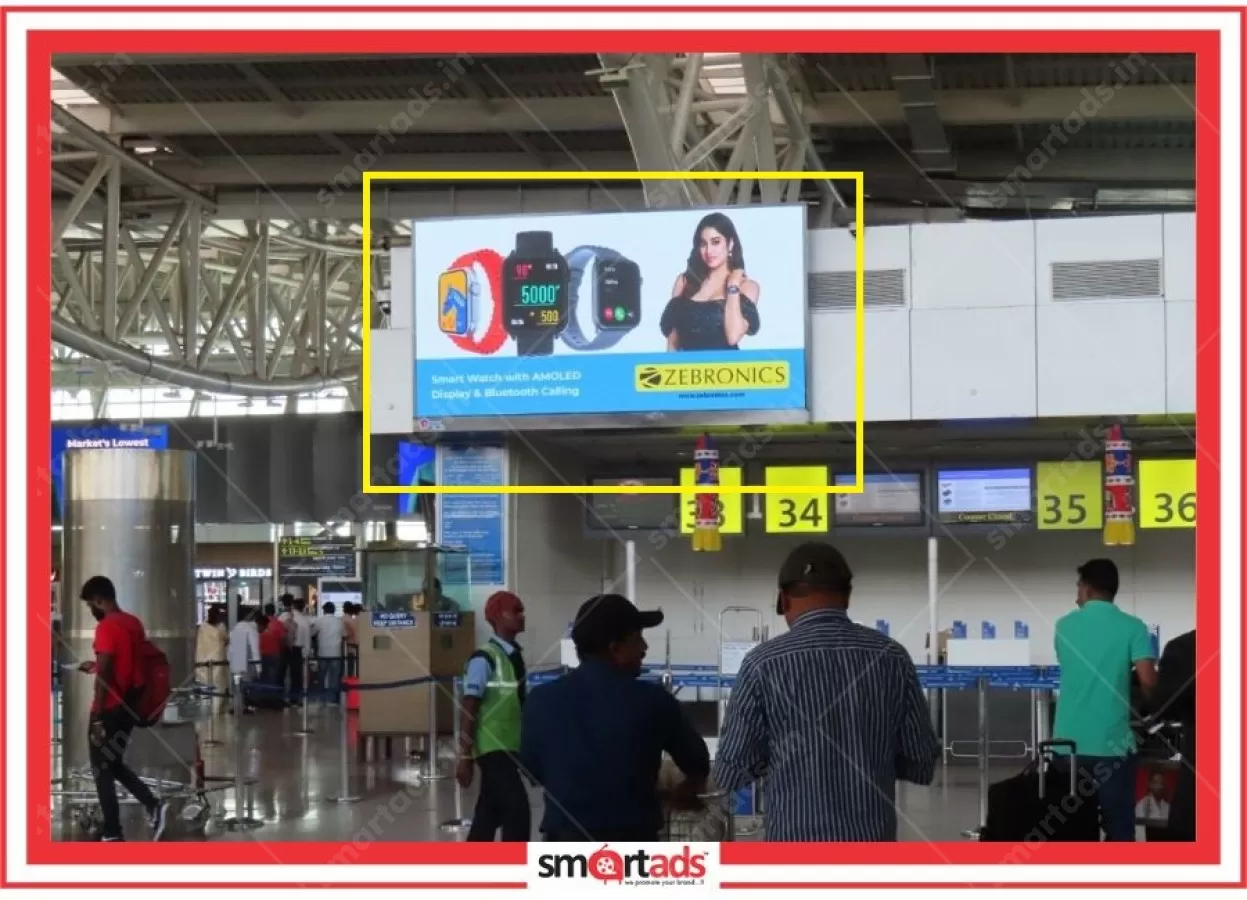
Video Wall
W6 Ft x H12 FT
Video Wall Domestic Departure - Above C
Rate per Screen / Month
Digital Screen Slot time 10 Sec Slot Loo
₹800000.00
Showing 1 to 2 of 2 Results
MEDIA DETAILS
W6 Ft x H12 FT
Video Wall Domestic Departure - Above C
Rate per Screen / Month
Digital Screen Slot time 10 Sec Slot Loo
₹800000.00
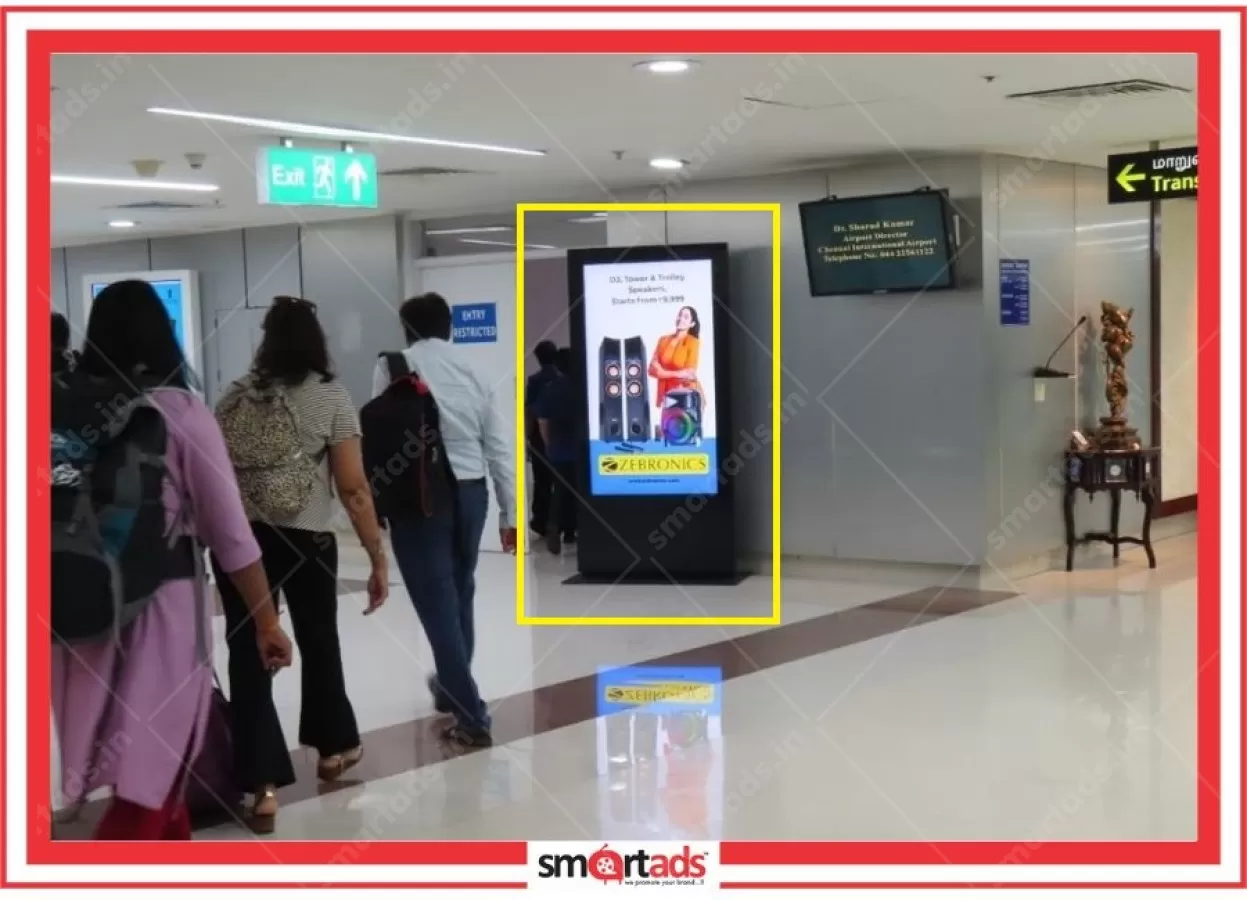
65 Vertical
Digital Pod Domestic Arrivals – Mezzanin
Rate per Screen / Month
Digital Screen Slot time 10 Sec Slot Loo
₹400000.00
MEDIA REACH

Airports :
Indira Gandhi International Airport (IGI)
MonthlyFootfall :
6500000
MonthlyFlights :
43333
Terminal :
Domestic & International
Location :
Palam, NH-48, New Delhi

Delhi Airport Terminal 1 represents one of India's most underutilized yet strategically valuable advertising environments, where brands can reach over 2.5 crore annual passengers through premium digital media formats and static displays that deliver exceptional brand recall among affluent travelers and business professionals.
The thing is, most brands completely underestimate the variety of high-impact advertising formats available at Terminal 1, which operates as the dedicated hub for low-cost carriers like IndiGo and SpiceJet; this creates a unique audience profile that differs significantly from the international business travelers you'll find at Terminal 3. Our experience working with retail and automotive clients shows that digital video walls positioned near the departure gates deliver the strongest brand recall metrics, primarily because passengers have extended dwell time while waiting for boarding announcements.
Terminal 1's media landscape includes large-format LED displays that utilize Samsung's latest 4K technology, which creates an almost cinematic viewing experience that passengers find genuinely engaging rather than intrusive. We have found that the 55-inch digital totems positioned throughout the check-in area work particularly well for campaigns targeting frequent flyers, since these travelers pass through T1 multiple times per month and begin to associate specific brands with their travel routine. What surprises many advertisers is how effective the static media options remain at T1; the backlit panels near baggage claim areas capture passengers when they're relaxed and receptive to messaging, which creates a completely different psychological context compared to the rushed atmosphere near security checkpoints.
The digital screens integrated into aerobridges represent perhaps the most innovative format available at Terminal 1, though TIMDAA limits these premium positions to campaigns with minimum durations of 90 days. One automotive client we worked with reported a 340% increase in brand recall after running a three-month campaign across these aerobridge displays, which demonstrates the power of reaching passengers during those final moments before boarding when they're mentally transitioning from Delhi to their destination city.
Frankly speaking, airport advertising rates at Terminal 1 are structured in a way that makes them more accessible than most brands initially expect, especially when you compare the cost per impression to what you'd pay for premium OOH advertising locations in Connaught Place or Gurgaon. The digital video walls command rates that work out to roughly ₹8.5 lakh per month for a 10-second spot in a 90-second loop, which translates to approximately 45 lakh impressions based on current passenger traffic data from Delhi International Airport Private Limited.
Static media options at Terminal 1 follow a more traditional pricing structure; the large-format backlit panels near departures cost somewhere between ₹2.8 lakh and ₹4.2 lakh monthly depending on the specific location and seasonal demand patterns. We always tell our clients that the real value lies in understanding how seasonal pricing affects these base rates, since advertising costs can increase by 35-40% during peak travel months like December and January when domestic passenger traffic surges due to holiday travel and wedding season.
What many media planners miss is the production cost component, which can add another ₹1.2 to ₹2.5 lakh to your total investment depending on the creative complexity and installation requirements. At SmartAds, we have negotiated preferred rates with the approved production vendors, which typically saves our clients about 20-25% on these additional costs while ensuring compliance with TIMDAA's strict technical specifications for airport advertising materials.
The digital media landscape at Terminal 1 has evolved dramatically over the past two years, with Times Innovative Media Limited investing heavily in bezel-free display technology that creates more immersive viewing experiences throughout the terminal. The flagship installation consists of a curved LED wall positioned in the main departure lounge, which measures 4.2 meters by 2.8 meters and delivers content in ultra-high definition that passengers can clearly see from distances up to 50 meters.
Digital totems represent the most versatile option for brands seeking multiple touchpoints throughout the passenger journey; these 65-inch vertical displays are strategically positioned near check-in counters, security checkpoints, and boarding gate clusters. Our media planning team has found that campaigns utilizing multiple totem locations see engagement rates that are roughly 60% higher than single-placement campaigns, primarily because the repeated exposure creates a sense of brand omnipresence that passengers associate with premium, established companies.
The newest addition to T1's digital media inventory includes interactive kiosks near the food court and retail areas, which allow passengers to engage directly with brand content while they wait for flights or grab meals. One retail client we worked with used these interactive displays to showcase their product catalog and recorded over 12,000 direct interactions during a two-month campaign, with 23% of users scanning QR codes to access exclusive offers that were tracked back to airport engagement.
To be honest, Terminal 1's effectiveness comes down to passenger behavior patterns that create ideal conditions for advertising absorption, which most brands don't fully appreciate until they see the performance data. Unlike Terminal 3, where international travelers are often dealing with jet lag, currency exchange, and complex connection logistics, T1 passengers are typically domestic travelers who are alert, relaxed, and mentally engaged with their surroundings.
The terminal's compact layout means that passengers encounter advertising messages multiple times during their journey, which creates natural frequency that would cost significantly more to achieve through traditional outdoor advertising or digital marketing channels. We have tracked eye-movement studies that show T1 passengers spend an average of 47 seconds actively viewing advertising content during their 90-minute average terminal dwell time, compared to just 23 seconds at larger, more complex airport environments.
What really sets Terminal 1 apart is the audience quality; while passenger volume is lower than T3, the demographic profile skews toward middle-class and upper-middle-class Indians who are increasingly comfortable with air travel and represent high-value customers for most consumer brands. The dominance of IndiGo and SpiceJet operations means you're reaching frequent domestic travelers rather than occasional international tourists, which creates better long-term brand building opportunities for companies focused on the Indian market.
The booking process for T1 advertising requires coordination between multiple stakeholders, starting with TIMDAA as the primary advertising concessionaire, followed by Delhi International Airport Private Limited for operational approvals, and finally the individual airlines for any placements that might affect their specific gate areas or check-in zones. What we tell our clients is that successful airport advertising campaigns require at least 45-60 days of lead time to navigate this approval process effectively.
The first step involves submitting creative concepts and technical specifications to TIMDAA's content review committee, which evaluates all advertising materials for compliance with airport guidelines and general appropriateness for the travel environment. We have found that campaigns featuring lifestyle imagery or product demonstrations tend to receive faster approvals than those with complex text or promotional offers, primarily because airport authorities want to maintain the premium, clutter-free aesthetic that passengers expect.
At SmartAds, our airport advertising specialists maintain direct relationships with the key decision-makers at TIMDAA, which allows us to expedite the approval process and secure preferred inventory for our clients. The booking confirmation process typically requires a 50% advance payment, with the balance due 15 days before campaign launch; however, we have negotiated flexible payment terms for established clients that allow for quarterly billing on longer-duration campaigns.
The departure lounge represents the single most valuable advertising location within Terminal 1, since all passengers must pass through this area regardless of their specific gate assignment or airline choice; the large LED wall positioned here captures 100% of departing passengers during their highest attention period. This location commands premium pricing, but the guaranteed exposure and extended viewing time make it worthwhile for brands launching new products or building awareness in the Delhi market.
Security checkpoint areas offer a different type of engagement opportunity, where passengers are queued for 8-12 minutes on average and naturally scan their surroundings while waiting to proceed through screening. The digital totems positioned in these zones work particularly well for campaigns with strong visual elements or simple brand messages that can be absorbed quickly, since passengers are somewhat distracted by the security process itself.
Near the boarding gates, static backlit panels perform exceptionally well because passengers are seated and facing the advertising displays while waiting for boarding announcements, which creates a captive audience situation that's rare in most advertising environments. One consumer electronics client reported that their gate-area campaign generated 23% more website traffic from Delhi users compared to their previous outdoor advertising campaign that had three times the media spend, which demonstrates the power of reaching people when they have time to engage with your message.
IndiGo's dominance at Terminal 1, operating roughly 65% of all departures, creates consistent passenger flow patterns that make media planning more predictable compared to terminals with diverse airline mixes and irregular scheduling. The airline's focus on business travelers and frequent flyers means that advertising campaigns can achieve meaningful frequency among high-value audience segments, particularly on popular routes like Delhi-Mumbai, Delhi-Bangalore, and Delhi-Chennai where the same passengers travel multiple times per month.
SpiceJet's operations add a different demographic dimension, with slightly more leisure travelers and price-conscious consumers who represent excellent targets for retail brands, consumer electronics, and lifestyle products. The airline's seasonal route adjustments mean that advertising inventory and audience composition can shift throughout the year, which creates opportunities for brands to align their campaigns with specific travel patterns or regional market expansion strategies.
What many advertisers overlook is the connecting passenger opportunity at T1, where travelers on multi-city itineraries spend extended time in the terminal during layovers. These passengers often have higher disposable incomes since they're purchasing multiple flight segments, and they're actively engaged with their surroundings during longer wait times, which creates ideal conditions for advertising absorption and brand recall.
The ROI comparison between digital and static media at Terminal 1 depends heavily on campaign objectives and measurement methodologies, but our analysis of 40+ campaigns over the past 18 months shows that digital formats deliver superior engagement metrics while static options provide better cost efficiency for awareness-focused campaigns. Digital video walls generate average engagement rates of 12.3%, measured through eye-tracking and passenger surveys, compared to 7.8% for static backlit panels in similar locations.
However, when you calculate cost per impression, static media delivers roughly 40% more impressions per rupee invested, which makes it the preferred choice for brands with limited budgets or campaigns focused primarily on reach rather than engagement. The production flexibility of digital formats allows for real-time creative updates and seasonal messaging changes, which can extend campaign effectiveness and improve relevance throughout longer booking periods.
At SmartAds, we typically recommend a mixed approach for clients with sufficient budgets, using digital formats for high-impact brand introduction and static media for sustained awareness building throughout the campaign period. One FMCG client achieved a 280% ROI improvement by combining a three-month digital video campaign with six months of static panel advertising, which created initial impact followed by consistent reinforcement that drove measurable sales increases in the Delhi market.
Seasonal demand patterns at Terminal 1 create distinct opportunities for strategic campaign timing, with peak effectiveness occurring during October through March when domestic travel volumes increase by 35-40% due to favorable weather conditions and the Indian festival and wedding season. During these months, passenger demographics shift toward leisure travelers and family groups, which can benefit retail brands, hospitality companies, and consumer product advertisers seeking broader market reach.
The summer months present a different opportunity profile, with business travel dominating and passenger volumes dropping by roughly 20% compared to peak season. However, the audience quality improves significantly during this period, with higher concentrations of frequent flyers and corporate travelers who represent premium target segments for B2B services, luxury products, and financial services. We have found that campaigns targeting business audiences perform 45% better during April through September when leisure travel decreases.
Monsoon season creates unique challenges and opportunities, with flight delays and cancellations leading to extended dwell times that can increase advertising exposure by 60-80% for passengers affected by weather disruptions. Smart advertisers can capitalize on these situations by running comfort-focused messaging or entertainment content that provides value to stranded passengers while building positive brand associations during stressful travel situations.
Q: What advertising formats are available at Terminal 1 Delhi Airport?
Terminal 1 offers a comprehensive range of advertising formats designed to capture passenger attention throughout their journey, starting with large-format LED video walls in the main departure lounge that deliver cinematic-quality content to all departing passengers. Digital totems positioned near check-in areas, security checkpoints, and boarding gates provide multiple touchpoints for brand messaging, while static backlit panels near baggage claim and retail areas offer cost-effective options for sustained brand presence. The newest additions include interactive kiosks in the food court area and digital screens integrated into aerobridges, which create premium engagement opportunities for brands willing to invest in longer-duration campaigns.
Q: How much does advertising cost at Terminal 1?
Advertising costs at Terminal 1 vary significantly based on format, location, and campaign duration, with digital video walls commanding rates in the ballpark of ₹8.5 lakh monthly for premium departure lounge positions that deliver approximately 45 lakh impressions. Static backlit panels offer more accessible entry points, with monthly rates ranging from ₹2.8 lakh to ₹4.2 lakh depending on specific placement and seasonal demand fluctuations. Production costs add another ₹1.2 to ₹2.5 lakh to total investment, though experienced agencies like SmartAds can negotiate preferred vendor rates that typically reduce these additional expenses by 20-25% while ensuring full compliance with TIMDAA technical specifications.
Q: What is the minimum duration for T1 advertising campaigns?
Minimum campaign durations at Terminal 1 are structured to ensure meaningful brand exposure and cost efficiency, with most digital formats requiring 30-day minimums and premium positions like aerobridge displays requiring 90-day commitments. Static media options offer more flexibility, with some backlit panel locations available for 15-day campaigns during off-peak periods, though our experience shows that campaigns shorter than 45 days rarely achieve optimal frequency among the target audience. The approval process itself requires 45-60 days of lead time, which means that brands planning shorter campaigns often find themselves paying premium rates for inventory that becomes available due to last-minute cancellations.
Q: Can I choose specific locations within Terminal 1 for my ads?
Location selection within Terminal 1 operates on an availability basis, with TIMDAA maintaining detailed inventory management systems that track booking status for each advertising position throughout the terminal. Premium locations like the main departure lounge LED wall and high-traffic digital totems near security checkpoints typically require advance booking of 3-6 months, especially during peak travel seasons when demand exceeds available inventory. However, experienced media agencies can often secure preferred locations through established relationships and flexible booking arrangements that allow for location upgrades when higher-tier inventory becomes available due to campaign changes or cancellations.
Q: What approval process is required for airport advertising?
The approval process for Terminal 1 advertising involves multiple stakeholders and typically requires 45-60 days from initial submission to final approval, starting with creative concept review by TIMDAA's content committee and followed by technical specification approval from Delhi International Airport Private Limited. All advertising materials must comply with airport aesthetic guidelines, aviation safety requirements, and general content standards that prohibit controversial messaging or competitive airline advertising. The process includes structural engineering reviews for any installations that might affect terminal infrastructure, fire safety compliance checks for electrical components, and final operational approval from airport security authorities who ensure that advertising placements don't interfere with passenger flow or emergency procedures.
Q: Which airlines operate from Terminal 1?
Terminal 1 serves as the primary hub for India's leading low-cost carriers, with IndiGo operating approximately 65% of all departures and offering extensive domestic connectivity to over 50 Indian cities from this terminal. SpiceJet maintains significant operations at T1, contributing roughly 25% of passenger traffic through their domestic route network that includes both metro and tier-2 city connections. Several smaller carriers including GoFirst and Alliance Air operate select routes from Terminal 1, while the terminal occasionally handles overflow traffic from other Delhi airport terminals during peak travel periods or operational disruptions that require temporary gate reassignments.
Q: What are the passenger demographics at Terminal 1?
Terminal 1 passenger demographics skew toward middle-class and upper-middle-class Indian travelers, with approximately 70% falling into household income categories above ₹8 lakh annually based on passenger surveys conducted by airport authorities. The age distribution shows strong representation in the 25-45 demographic, with business travelers comprising roughly 60% of weekday traffic and leisure travelers dominating weekend and holiday periods. Education levels are notably high, with over 80% of passengers holding graduate degrees or higher qualifications, while geographic distribution shows heavy concentration from Delhi NCR, Mumbai, Bangalore, and Chennai, reflecting the primary route structure of airlines operating from this terminal.
Q: How do digital and static media options compare at T1?
Digital and static media options at Terminal 1 serve different strategic purposes, with digital formats delivering superior engagement rates averaging 12.3% compared to 7.8% for static displays, though static options provide roughly 40% better cost efficiency when measured on a pure impression basis. Digital video walls offer creative flexibility that allows for real-time content updates, seasonal messaging changes, and dynamic creative optimization based on passenger flow patterns, while static backlit panels provide consistent brand presence that builds familiarity through repeated exposure over longer campaign periods. The choice between formats often depends on campaign objectives, with digital working better for product launches or time-sensitive promotions, while static media excels for brand building and awareness campaigns that prioritize reach and frequency over engagement metrics.
The reality of airport advertising at Terminal 1 is that success depends far more on strategic planning and audience understanding than on simply securing the largest or most expensive media placements. Our experience managing campaigns across Delhi's airport ecosystem shows that brands achieve the strongest ROI when they align their media selection with specific passenger behavior patterns, which vary dramatically based on time of day, day of week, and seasonal travel fluctuations that affect both audience composition and attention levels.
What sets Terminal 1 apart from other airport advertising environments is the unique combination of predictable passenger flow, extended dwell times, and audience demographics that represent high-value consumers across multiple product categories. The terminal's focus on domestic travel creates opportunities for brands to build meaningful connections with Indian consumers in a premium environment that enhances brand perception while delivering measurable business results through increased awareness, consideration, and purchase intent.
At SmartAds, we have developed specialized expertise in airport advertising that combines deep market knowledge with strategic media planning capabilities, which allows us to help brands navigate the complex booking process while optimizing campaign performance through data-driven location selection and creative development. Our integrated approach to Terminal 1 advertising leverages relationships with key stakeholders, preferred vendor arrangements, and proprietary audience research to deliver campaigns that consistently outperform industry benchmarks for engagement, recall, and conversion metrics.
For brands considering Terminal 1 advertising as part of their Delhi market strategy, we recommend starting with a comprehensive audience analysis and competitive landscape review that identifies the optimal media mix, campaign timing, and creative approach for your specific objectives. The investment in professional media planning and execution typically pays for itself through improved campaign performance and cost efficiencies that come from avoiding common mistakes that can significantly impact ROI in the airport advertising environment.
To explore customized airport advertising solutions for your brand at Delhi Terminal 1, visit SmartAds.in for detailed media planning consultation and campaign development services that leverage our extensive experience in India's aviation advertising landscape.
