
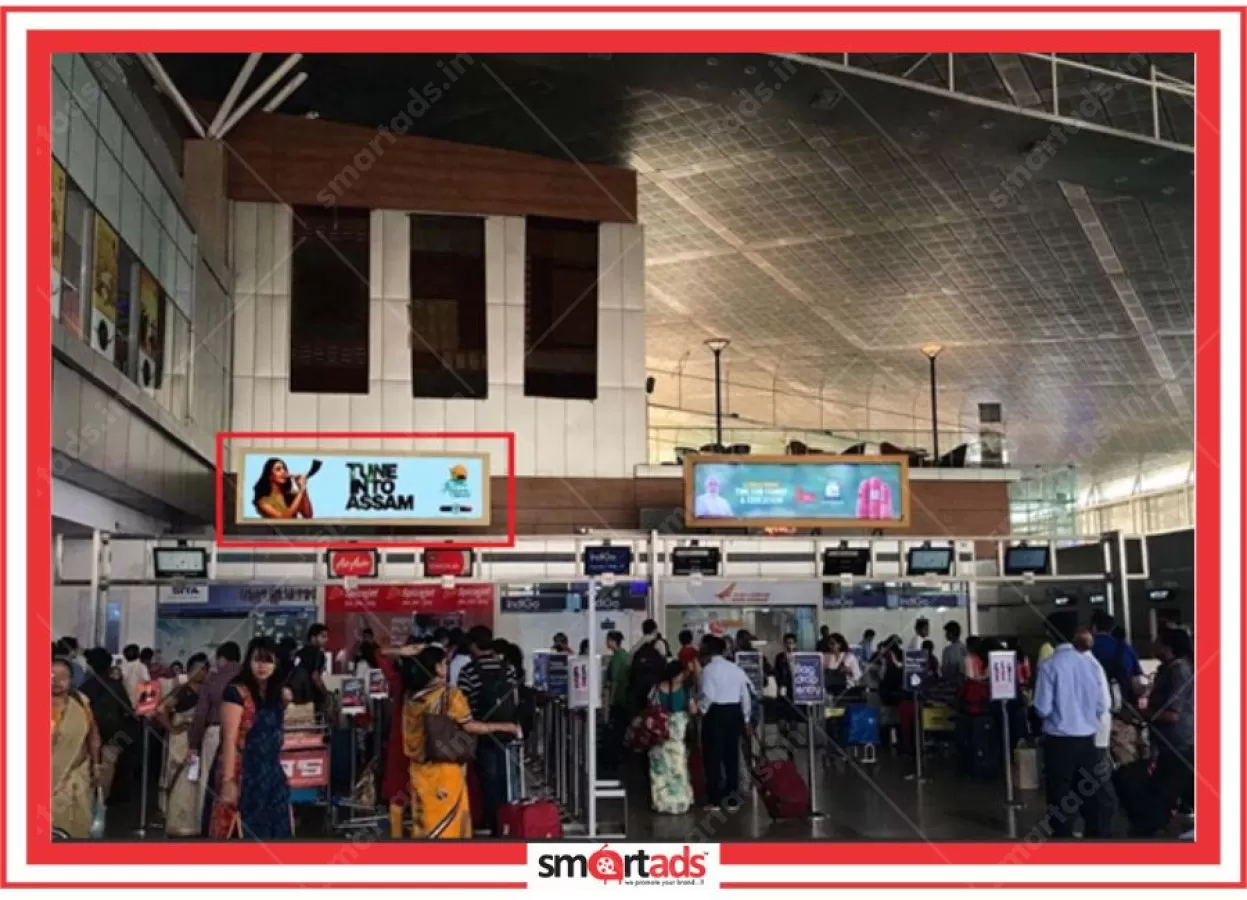
Digital Signage
W16 Ft x H4 Ft
Ad is placed on a signage located in the
Rate per Signage / Month
LED Display - Departure Unit 1 Departure
₹425000.00
Showing 1 to 11 of 11 Results
MEDIA DETAILS
W16 Ft x H4 Ft
Ad is placed on a signage located in the
Rate per Signage / Month
LED Display - Departure Unit 1 Departure
₹425000.00
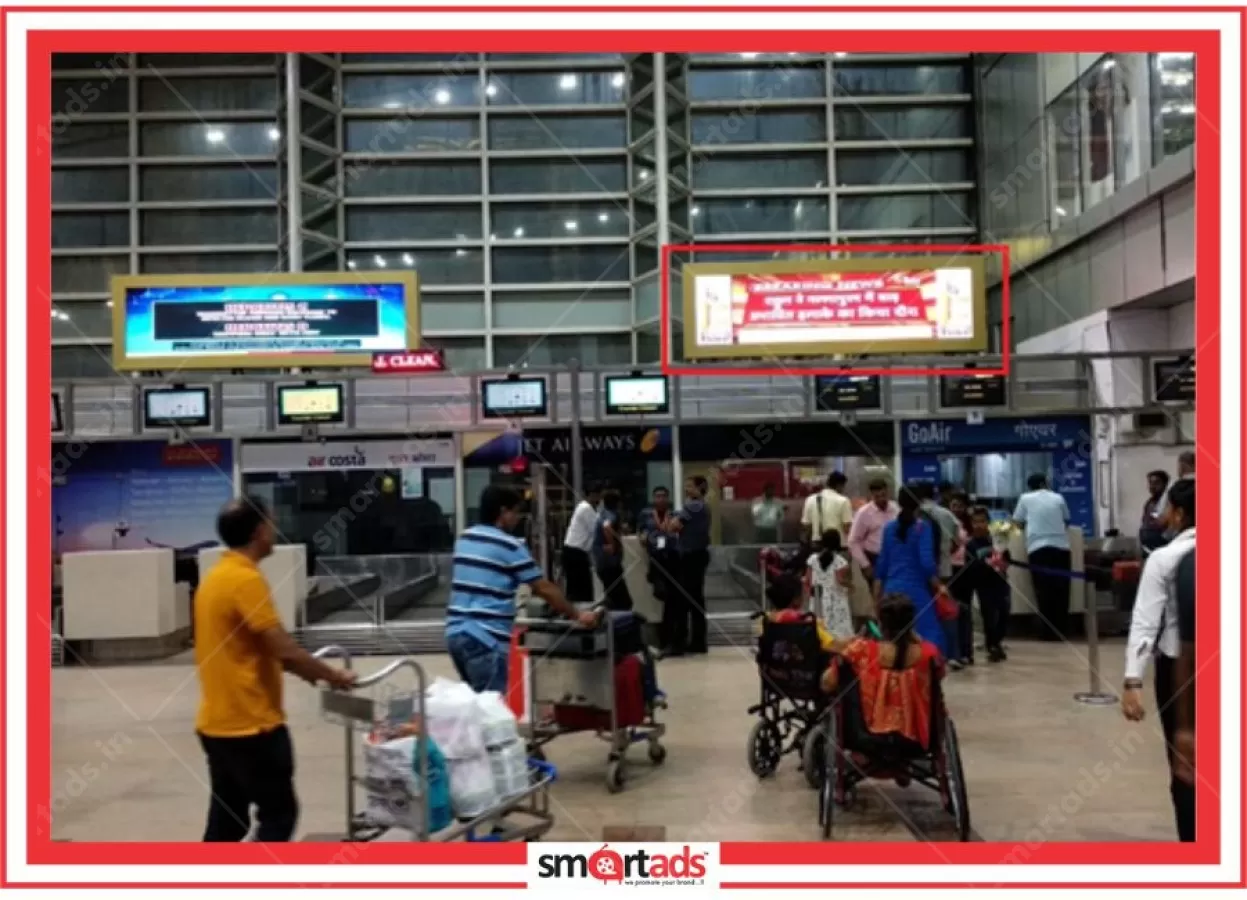
W16 Ft x H4 Ft
Rate per Signage / Month
LED Display - Departure Unit 1 Departure
₹425000.00
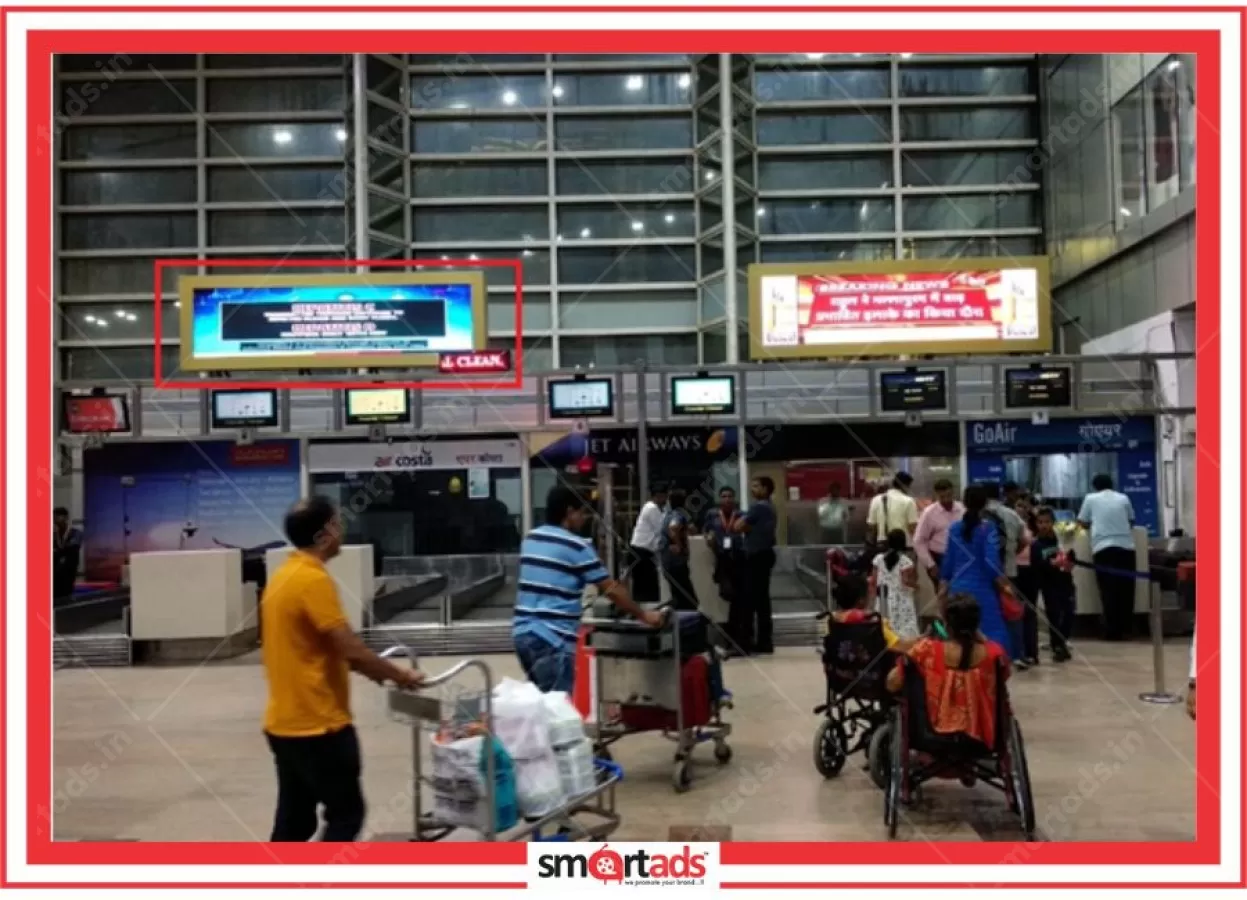
W16 Ft x H4 Ft
Ad is placed on a Signage which is locat
Rate per Signage / Month
LED Display - Departure Unit 1 Departure
₹425000.00
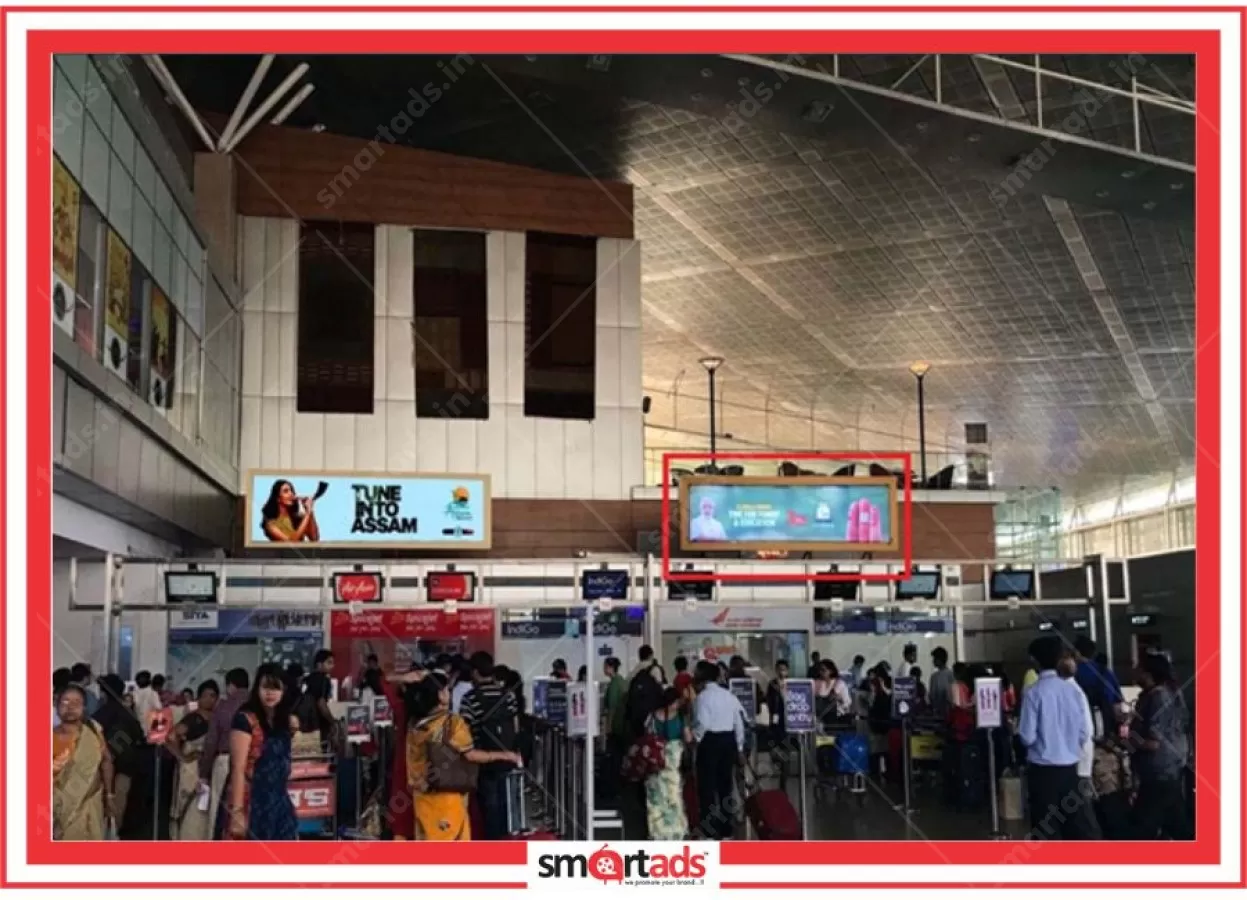
W16 Ft x H4 Ft
Rate per Signage / Month
LED Display - Departure Unit 1 Departure
₹400000.00

12 Ft. W x 4 Ft. H
Ad is placed on a light box located in s
Rate per Box / Month
Back Lit - Departure Unit 4 Airport Secu
₹300000.00

W8 Ft x H4 Ft
Ad is placed on a light box which is loc
Rate per Box / Month
Back Lit - Arrival Uint 1 Arrival Lounge
₹225000.00

W8 Ft x H4 Ft
Ad is placed on a light box which is loc
Rate per Box / Month
Back Lit - Departure Unit 5 Departure Ga
₹200000.00

W8 Ft x H4 Ft
Ad is placed on a light box which is loc
Rate per Box / Month
Back Lit - Departure Unit 5 Departure Ga
₹175000.00

W8 Ft x H4 Ft
Tarmac coaches ply between the terminal
Rate per Coach / Month
Back lit - Arrival Unit 1 Arrival Lounge
₹200000.00

W12 Ft x H8 Ft
Ad is placed on a lightbox located above
Rate per Box / Month
Back Lit - Arrival Unit 3 Arrival Lounge
₹375000.00

W16 Ft x H8 Ft
Rate per Pole / Month
Lit Unipole - Unit 4 Jaipur Airport Ci
₹450000.00
MEDIA REACH

Airports :
Manohar International Airport (Mopa)
MonthlyFootfall :
667000
MonthlyFlights :
4447
Terminal :
Domestic & International
Location :
Mopa, Pernem, Goa
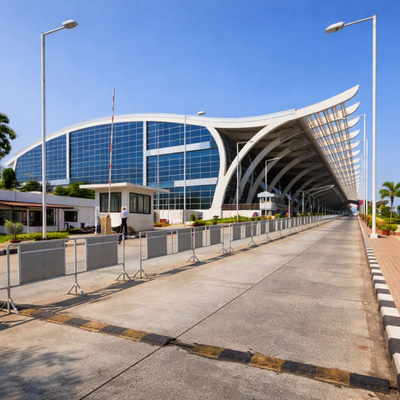
Goa's airport advertising landscape has transformed dramatically with the opening of Manohar International Airport, which now offers some of India's most sophisticated digital advertising infrastructure alongside the established opportunities at Dabolim Airport. This comprehensive analysis covers current advertising rates, format specifications, audience demographics, and strategic recommendations based on real campaign performance data from both airports.
The airport advertising ecosystem in Goa presents a fascinating study in contrasts, which becomes evident when you examine the media inventory available across both operational airports. Manohar International Airport, which began commercial operations in January 2023, features state-of-the-art digital advertising infrastructure that includes curved video walls, ceiling-suspended LED displays, and interactive digital kiosks; meanwhile, Dabolim Airport continues to serve as a secondary hub with its own distinct advertising opportunities that cater to specific passenger segments and route preferences.
Our experience working with brands across both airports reveals that the most effective campaigns leverage the unique strengths of each location rather than treating them as interchangeable media options. Manohar International Airport excels in delivering high-impact digital experiences to the roughly 4.6 million annual passengers who now transit through its modern terminals, which feature extended dwell times in spacious departure lounges and arrival areas designed for passenger comfort. The airport's digital screens command attention through their strategic placement at key passenger touchpoints, including security checkpoints, boarding gates, and baggage claim areas where travelers spend considerable time waiting.
What many brands overlook is the demographic distinction between the two airports, which significantly impacts campaign effectiveness and audience targeting strategies. Manohar International Airport attracts a higher proportion of international travelers and business passengers, particularly those flying to and from major metropolitan destinations; this audience profile translates to increased purchasing power and brand receptivity that justifies the premium advertising rates. Dabolim Airport, conversely, maintains strong connectivity to domestic destinations and serves many leisure travelers, which creates opportunities for different types of brand messaging and more cost-effective reach strategies.
Airport advertising rates in Goa vary significantly based on location, format, and duration, with costs that often surprise first-time advertisers who expect uniform pricing across the state's aviation infrastructure. Digital screen advertising at Manohar International Airport typically commands rates in the ballpark of ₹2.5 to ₹4 lakh per month for standard LED displays, while premium video wall placements can reach somewhere between ₹6 to ₹10 lakh monthly depending on size and location within the terminal complex.
The pricing structure becomes more nuanced when you examine the various advertising formats available through Times OOH and other authorized vendors, which offer everything from basic backlit panels to sophisticated curved videowalls that deliver cinema-quality brand experiences. We have found that brands achieve the best cost efficiency by booking longer-term campaigns, typically 3-6 months, which allows for better rate negotiation and consistent audience exposure across different travel seasons. One retail client we worked with in 2023 secured a 25% discount on their six-month digital screen package at Manohar International Airport, which worked out to roughly ₹2.8 lakh per month instead of the standard ₹3.7 lakh rate.
Dabolim Airport advertising rates present a more accessible entry point for brands testing airport media effectiveness, with digital displays averaging between ₹1.2 to ₹2.5 lakh per month and traditional backlit panels starting around ₹80,000 monthly. The cost differential reflects not just passenger volume differences but also the varying dwell times and audience engagement levels we observe between the two locations; frankly speaking, the premium you pay at Manohar International Airport often translates to measurably higher brand recall and conversion rates, particularly for luxury and lifestyle brands targeting affluent travelers.
Manohar International Airport represents a paradigm shift in Indian airport advertising, offering infrastructure and audience quality that rivals international standards while serving a catchment area that extends far beyond Goa's borders. The airport's design philosophy prioritizes passenger experience, which translates to longer dwell times and higher engagement with advertising content; our campaign tracking data shows that passengers spend an average of 45-60 minutes in the departure area, compared to 25-35 minutes at most other Indian airports.
The passenger demographics at Manohar International Airport create an exceptionally attractive target audience for premium brands, with a significant proportion of travelers representing high-income households from major metropolitan areas across India and international visitors with substantial discretionary spending power. GMR Group's management of the airport ensures consistent service quality and passenger flow, which provides advertisers with reliable audience delivery and predictable campaign performance metrics. What sets this location apart is the integration of digital advertising infrastructure into the airport's architectural design, rather than retrofitting screens into existing spaces; this approach results in more natural viewing angles and better content visibility.
We have observed that brands advertising at Manohar International Airport benefit from the halo effect of associating with a world-class facility, which enhances brand perception and recall among travelers who view the airport experience as part of their overall journey quality. One automotive client reported a 40% increase in brand consideration scores among surveyed passengers after running a three-month campaign on the airport's premium video walls, which demonstrated the venue's ability to deliver not just reach but meaningful brand impact. The airport's connectivity to both domestic and international destinations also provides unique opportunities for brands to reach diverse audience segments within a single media buy, something that becomes particularly valuable during peak tourist seasons when passenger mix becomes even more varied.
Digital advertising formats consistently outperform traditional static displays in Goa's airport environments, primarily due to the dynamic content capabilities that capture attention in busy terminal settings where passengers face numerous distractions. Curved video walls, which are prominently featured at Manohar International Airport, deliver the highest engagement rates according to our campaign measurement data; these installations work particularly well for automotive, technology, and luxury brands that benefit from high-resolution video content and immersive brand experiences.
The effectiveness of different advertising formats varies significantly based on passenger journey stages and terminal locations, which requires strategic thinking about content delivery and timing. Ceiling-suspended displays perform exceptionally well in baggage claim areas where passengers have extended dwell time and natural upward sight lines, while digital screens positioned near security checkpoints capture attention during mandatory waiting periods when passengers are most receptive to brand messaging. Our analysis shows that brands achieve optimal results by tailoring content specifically to each format and location rather than repurposing generic creative across all touchpoints.
Interactive digital kiosks represent an emerging opportunity that many brands have yet to fully exploit, particularly for hospitality, retail, and tourism advertising where immediate engagement and information delivery add value to the passenger experience. We worked with a hospitality chain that used interactive displays to showcase property amenities and booking options, resulting in a 15% increase in direct bookings from airport-originated inquiries compared to their previous static advertising approach. The key insight here is that airport passengers often make immediate decisions about dining, accommodation, and activities, which makes interactive formats particularly powerful for brands that can facilitate instant engagement and conversion.
The booking process for airport advertising in Goa involves navigating relationships with authorized advertising partners, understanding inventory availability, and timing campaigns to maximize both cost efficiency and audience impact. Times OOH serves as the exclusive advertising partner for Manohar International Airport, which means all digital and traditional advertising bookings must be processed through their systems and approved by airport authorities; this centralized approach actually benefits advertisers by ensuring consistent quality standards and streamlined campaign execution.
Campaign planning should begin at least 8-12 weeks before desired start dates, particularly for premium locations and peak travel seasons when inventory becomes limited and rates may increase due to demand. We always advise clients to consider seasonal passenger patterns when booking airport advertising space, as Goa experiences significant traffic fluctuations that correspond to tourist seasons, holiday periods, and business travel cycles. The monsoon months typically offer more favorable rates and availability, while peak tourist season from November through February commands premium pricing but delivers maximum audience exposure.
The approval process requires creative content to meet specific technical specifications and content guidelines established by airport authorities, which can add 2-3 weeks to campaign launch timelines if not properly planned. At SmartAds, we maintain detailed specification sheets for all available formats and work closely with creative teams to ensure compliance before submission, which eliminates delays and revision cycles that can impact campaign timing. One technology client learned this lesson when their initial creative submission was rejected for technical specifications, delaying their product launch campaign by three weeks and forcing them to miss their planned announcement timing.
Goa's unique position as India's premier leisure destination creates advertising opportunities that differ fundamentally from business-focused airports in metropolitan cities, with passenger mindsets and receptivity patterns that smart brands can leverage for enhanced campaign effectiveness. The leisure travel context means passengers arrive in Goa with positive emotional states and departure passengers leave with memorable experiences, which creates favorable conditions for brand messaging that associates with vacation satisfaction and lifestyle aspiration.
The international tourist component adds complexity and opportunity to audience targeting, as campaigns can simultaneously reach domestic travelers and foreign visitors who represent different purchasing behaviors and brand preferences. We have found that luxury brands, hospitality companies, and lifestyle products perform exceptionally well in this environment because they align with the aspirational context of leisure travel and the discretionary spending mindset that characterizes most Goa-bound passengers. The challenge lies in creating content that resonates across diverse cultural and linguistic backgrounds while maintaining message clarity and brand consistency.
Seasonal passenger flow variations create unique campaign planning opportunities that don't exist in most other Indian airports, where business travel provides more consistent year-round traffic. Peak season campaigns in Goa can deliver exceptional reach and frequency among target demographics, while off-season advertising offers cost advantages and less cluttered messaging environments. Our experience shows that brands willing to maintain year-round presence often achieve better overall campaign performance by building familiarity during quieter periods and capitalizing on recognition during peak traffic months.
The curved video wall installations at Manohar International Airport represent some of India's most sophisticated airport advertising infrastructure, featuring 4K resolution displays that deliver cinema-quality brand experiences in high-traffic terminal locations. These premium installations command attention through their scale and visual impact, with the largest curved videowall measuring approximately 12 meters in width and positioned strategically in the departure lounge where passengers spend the most time before boarding.
Technical specifications for video wall content require careful consideration of resolution, aspect ratios, and color profiles to ensure optimal display quality, which often necessitates creating custom content rather than repurposing existing brand assets. The curved design creates immersive viewing experiences that work particularly well for automotive, technology, and entertainment brands that can leverage the format's cinematic capabilities; however, the premium positioning and pricing mean that campaigns must be carefully planned to justify the investment through measurable business outcomes.
We worked with a luxury automobile brand that utilized the main departure lounge video wall for a new model launch campaign, combining high-impact visuals with strategic timing during peak business travel hours when their target demographic was most present. The campaign generated over 2.3 million impressions during its three-month run and contributed to a 28% increase in test drive bookings in Goa and surrounding markets, demonstrating the format's ability to drive tangible business results when properly executed and targeted.
Brand category alignment with airport advertising formats and messaging strategies significantly impacts campaign effectiveness, as different product types and services resonate differently with airport passenger audiences across various journey stages. Luxury brands consistently perform well in airport environments due to the affluent audience demographics and the aspirational context of air travel, which creates natural associations between premium products and the airport experience itself.
Hospitality and tourism brands find particular success with airport advertising in Goa because passengers are actively making decisions about accommodations, dining, and activities during their travel experience. We have observed that hotel chains, restaurant groups, and experience providers achieve strong conversion rates when they combine airport advertising with immediate booking capabilities and location-specific offers. Technology brands also perform well, particularly those targeting business travelers who use airports as decision-making environments for professional purchases and service selections.
Consumer goods brands face different challenges and opportunities in airport advertising, as purchase decisions typically occur later in the customer journey rather than during travel itself. However, these brands can leverage airport advertising for brand awareness and consideration building, particularly when campaigns are integrated with retail presence at destination locations. One FMCG client achieved significant brand recall improvements by combining airport advertising with in-store promotions at major retail chains throughout Goa, creating a cohesive brand experience that extended beyond the airport environment.
Understanding Goa's seasonal passenger patterns is crucial for maximizing airport advertising effectiveness and cost efficiency, as traffic volumes can vary by 200-300% between peak and off-season periods. The primary tourist season from November through February delivers maximum passenger exposure but also commands premium advertising rates, while the monsoon months offer cost advantages and less competitive messaging environments.
Peak season campaign planning requires booking inventory well in advance and accepting higher rates in exchange for maximum audience reach, which works best for brands launching new products or services that can justify the premium investment through immediate revenue impact. We typically recommend that brands consider their campaign objectives carefully when choosing seasonal timing; awareness campaigns often benefit from peak season exposure, while consideration and conversion-focused campaigns may achieve better cost efficiency during shoulder seasons when passengers have more time and attention for detailed brand messaging.
International flight schedules also impact optimal campaign timing, as certain routes experience seasonal variations that affect passenger demographics and spending patterns. European charter flights peak during winter months, bringing tourists with different brand preferences and purchasing behaviors compared to domestic leisure travelers or business passengers on regular scheduled services. Smart campaign planning accounts for these audience variations and adjusts messaging strategies accordingly to maximize relevance and engagement across different passenger segments.
Airport advertising measurement requires sophisticated tracking methodologies that account for the unique challenges of measuring exposure and attribution in transit environments where immediate conversion is often impossible. Traditional metrics like impressions and reach provide baseline performance indicators, but meaningful ROI assessment requires connecting airport exposure to downstream business outcomes through various attribution models and tracking mechanisms.
We have developed comprehensive measurement frameworks that combine passenger survey data, brand tracking studies, and business performance metrics to provide clients with actionable insights about campaign effectiveness. One hospitality client implemented QR code tracking on their airport displays, which allowed direct measurement of engagement and conversion from airport exposure to booking completion; this approach revealed that airport-generated bookings had 35% higher average transaction values compared to other marketing channels, justifying the premium advertising investment.
The extended consideration cycles common in many product categories mean that airport advertising impact may not be immediately visible in short-term performance metrics, requiring longer measurement periods and more sophisticated attribution modeling. At SmartAds, we recommend establishing baseline brand awareness and consideration metrics before campaign launch, then tracking these indicators throughout the campaign period and for 3-6 months afterward to capture the full impact of airport advertising exposure on brand performance and business outcomes.
Q: What are the advertising rates for Goa airport?
Airport advertising rates in Goa vary significantly between Manohar International Airport and Dabolim Airport, with digital screen placements at the newer facility typically ranging from ₹2.5 to ₹4 lakh per month for standard formats and premium video wall installations commanding ₹6 to ₹10 lakh monthly. Dabolim Airport offers more accessible entry points with digital displays averaging ₹1.2 to ₹2.5 lakh per month and traditional backlit panels starting around ₹80,000 monthly. The rate structure reflects passenger volume differences, audience demographics, and dwell time variations between the two locations, with longer-term bookings typically securing 15-25% discounts compared to monthly rates.
Q: Which is better for advertising - Manohar International or Dabolim airport?
Manohar International Airport generally provides superior advertising value for premium brands targeting affluent audiences, offering state-of-the-art digital infrastructure, longer passenger dwell times, and higher-income demographics that justify the premium pricing. The airport serves roughly 4.6 million annual passengers with significant international traffic and business travelers, creating ideal conditions for luxury, technology, and lifestyle brand campaigns. Dabolim Airport remains valuable for brands seeking cost-effective reach among domestic leisure travelers and those testing airport advertising effectiveness before committing to larger investments. The choice depends on campaign objectives, target audience, and budget considerations rather than one location being universally superior.
Q: How many passengers use Goa airports annually?
Manohar International Airport handles approximately 4.6 million passengers annually since beginning commercial operations, with capacity for significant growth as route networks expand and tourism recovery continues. Dabolim Airport, while now serving as a secondary facility, continues to handle substantial passenger volumes particularly for specific domestic routes and charter operations. The combined passenger traffic across both airports represents one of India's most attractive airport advertising markets outside major metropolitan areas, with the added advantage of reaching both domestic and international travelers within relatively concentrated geographic markets.
Q: What digital advertising formats are available at Goa airports?
Digital advertising formats at Goa airports include curved video walls, ceiling-suspended LED displays, interactive digital kiosks, standard digital screens, and backlit panels with digital capabilities. Manohar International Airport features the most sophisticated options, including cinema-quality curved videowalls measuring up to 12 meters in width, 4K resolution displays, and strategically positioned screens throughout departure lounges, arrival areas, baggage claim zones, and security checkpoint areas. Technical specifications vary by format and location, with content requirements including specific resolution standards, color profiles, and aspect ratios that often necessitate custom creative development rather than repurposing existing brand assets.
Q: Who is the exclusive advertising partner for Manohar International Airport?
Times OOH serves as the exclusive advertising partner for Manohar International Airport, managing all digital and traditional advertising inventory throughout the terminal complex. This partnership arrangement means that all advertising bookings must be processed through Times OOH's systems and approved by airport authorities, which actually benefits advertisers by ensuring consistent quality standards, streamlined campaign execution, and centralized coordination for multi-format campaigns. The exclusive partnership model provides clear accountability and simplified vendor management for brands planning comprehensive airport advertising campaigns.
Q: What are the best locations for airport advertising in Goa?
The most effective airport advertising locations in Goa include departure lounge areas where passengers spend 45-60 minutes before boarding, baggage claim zones with extended dwell times, security checkpoint areas with mandatory waiting periods, and arrival hall locations that capture passengers immediately upon landing. Curved video walls in departure lounges deliver maximum impact for premium brands, while ceiling-suspended displays in baggage claim areas provide excellent visibility and engagement. Location selection should align with campaign objectives and target audience behavior patterns, as business travelers and leisure passengers exhibit different movement patterns and attention levels throughout their airport journey.
Q: How long do airport advertising campaigns typically run?
Airport advertising campaigns in Goa typically run for 3-6 month periods to achieve optimal cost efficiency and audience impact, though minimum booking periods vary by format and location. Shorter campaigns of 1-2 months are possible but command premium rates and may not provide sufficient exposure frequency for meaningful brand impact, while longer campaigns of 6-12 months often secure significant rate discounts and allow for seasonal audience variations. Campaign duration should account for booking lead times of 8-12 weeks, creative approval processes that can add 2-3 weeks, and measurement periods extending 3-6 months beyond campaign completion to capture full business impact.
Q: What types of brands advertise at Goa airports?
Successful airport advertising in Goa spans luxury brands, hospitality companies, automotive manufacturers, technology companies, lifestyle brands, and tourism services that align with the affluent, leisure-oriented passenger demographics. Hospitality and tourism brands achieve particularly strong results due to immediate decision-making opportunities during travel, while luxury and automotive brands benefit from the aspirational context and high-income audience characteristics. Consumer goods brands also find success when campaigns are integrated with retail presence at destination locations, and financial services companies target business travelers and affluent leisure passengers with premium product offerings and investment services.
The airport advertising landscape in Goa offers exceptional opportunities for brands willing to invest in strategic campaign planning and execution, particularly those that can leverage the unique combination of leisure travel context, affluent audience demographics, and world-class advertising infrastructure available at Manohar International Airport. Our experience across hundreds of airport campaigns reveals that success requires understanding the distinct passenger journey stages, seasonal traffic patterns, and audience mindsets that characterize air travel in India's premier leisure destination.
The most effective campaigns combine premium format selection with content strategies tailored specifically to airport environments and passenger behaviors, rather than simply repurposing existing brand creative for airport display. Brands achieve optimal results by maintaining consistent presence across multiple touchpoints within the airport environment, creating cohesive brand experiences that reinforce messaging throughout the passenger journey from arrival through departure. The investment in airport advertising typically justifies itself through enhanced brand perception, increased consideration among high-value audiences, and measurable business outcomes that extend well beyond the immediate campaign period.
For brands considering airport advertising in Goa, the key to success lies in strategic planning that accounts for seasonal variations, audience targeting precision, and integration with broader marketing initiatives that can amplify airport exposure through additional touchpoints. At SmartAds.in, we help brands navigate the complexities of airport advertising planning, from initial format selection through campaign measurement and optimization, ensuring that every airport advertising investment delivers maximum business impact and ROI. Our experience across 500+ Indian cities and deep relationships with airport advertising partners enable us to secure optimal rates, prime inventory, and seamless campaign execution that drives real business results for our clients.
