
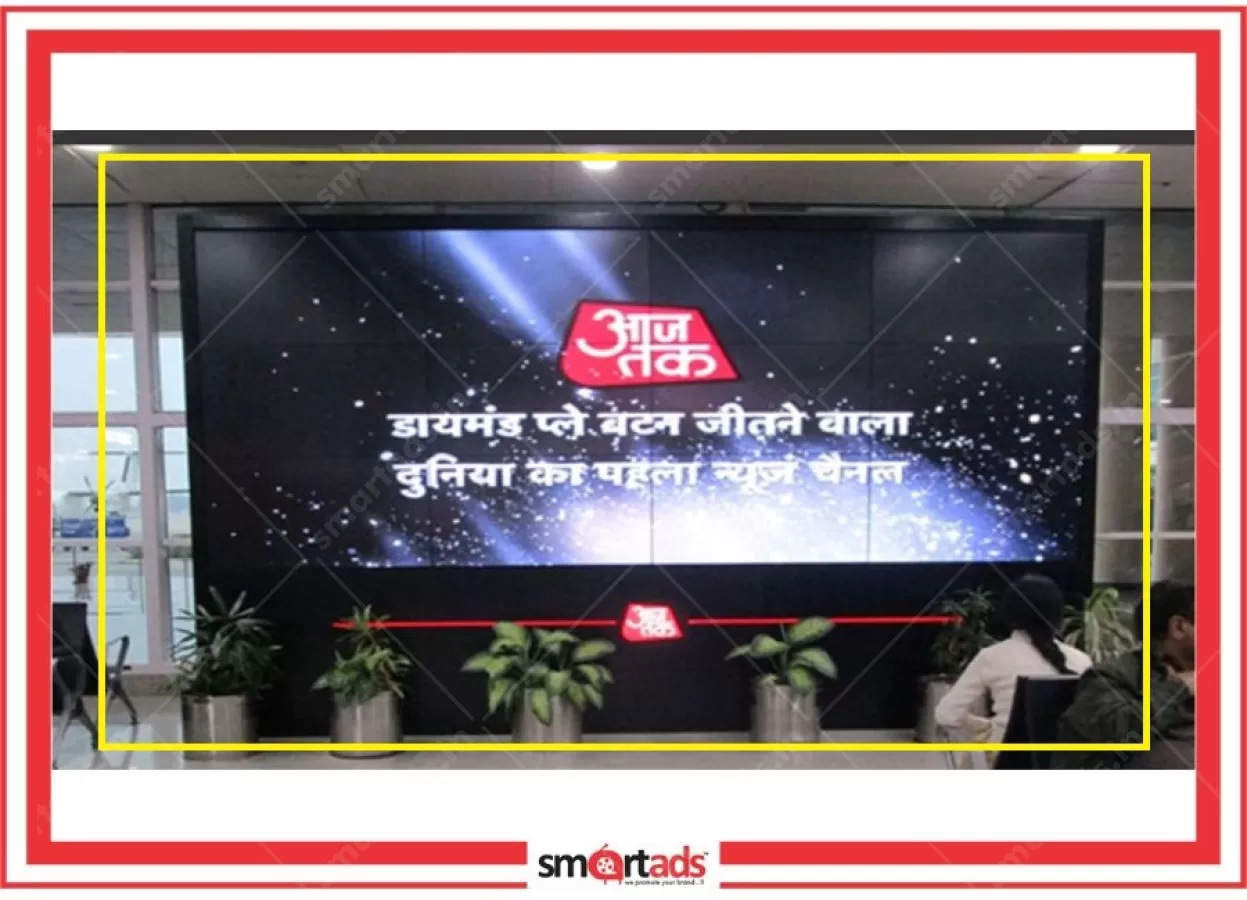
Video Wall
12 TVs of 55”
Rate per Wall / Month
Digital - Unit 1 Departure Terminal (Wai
₹600000.00
Showing 1 to 11 of 11 Results
MEDIA DETAILS
12 TVs of 55”
Rate per Wall / Month
Digital - Unit 1 Departure Terminal (Wai
₹600000.00
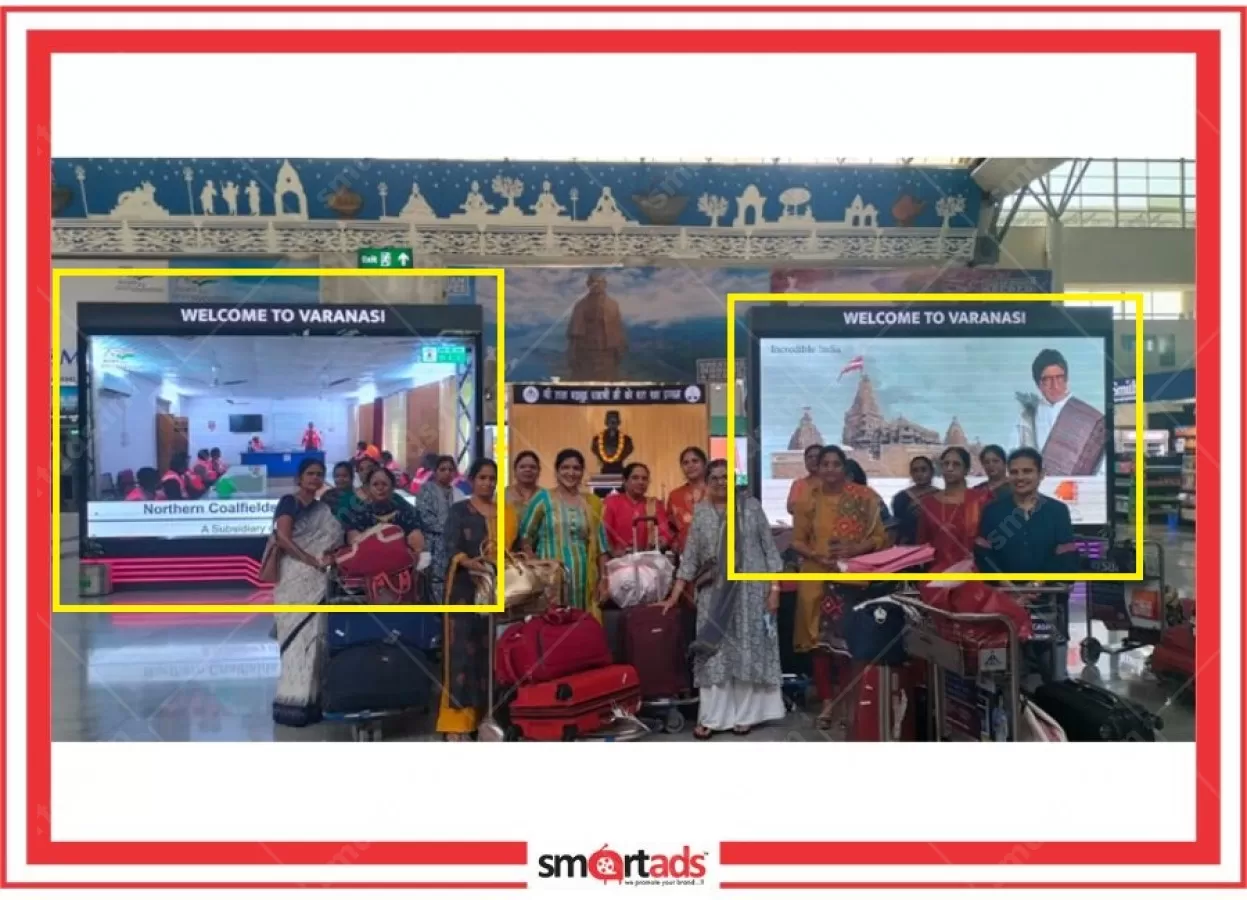
W15 Ft x H8 Ft
Rate per Screen / Month
Digital - Unit 2 Arrival Hall (10 sec sp
₹200000.00
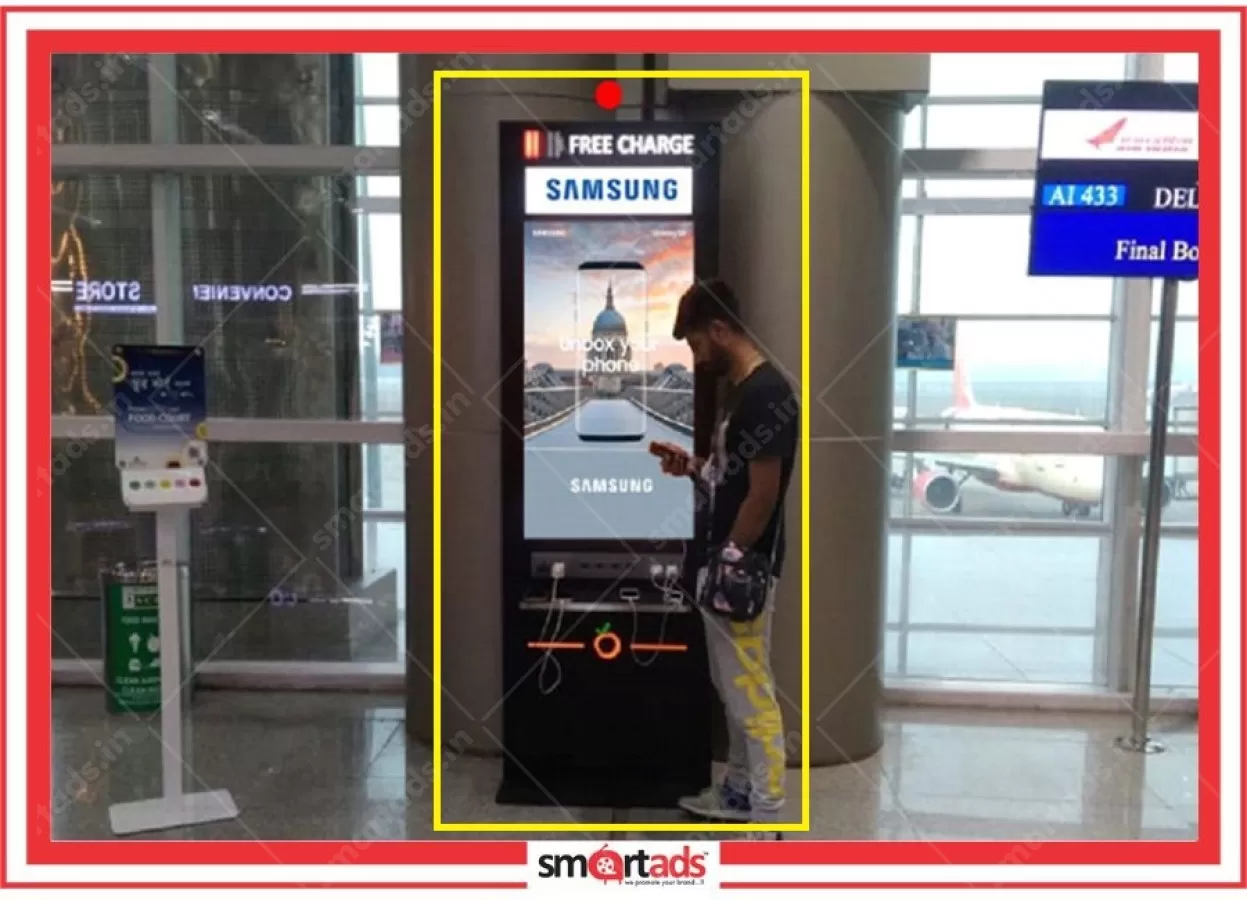
2.5x4(55" TV)
Rate per Screen / Month
Digital - Unit 10 Arrival and Departure
₹85000.00
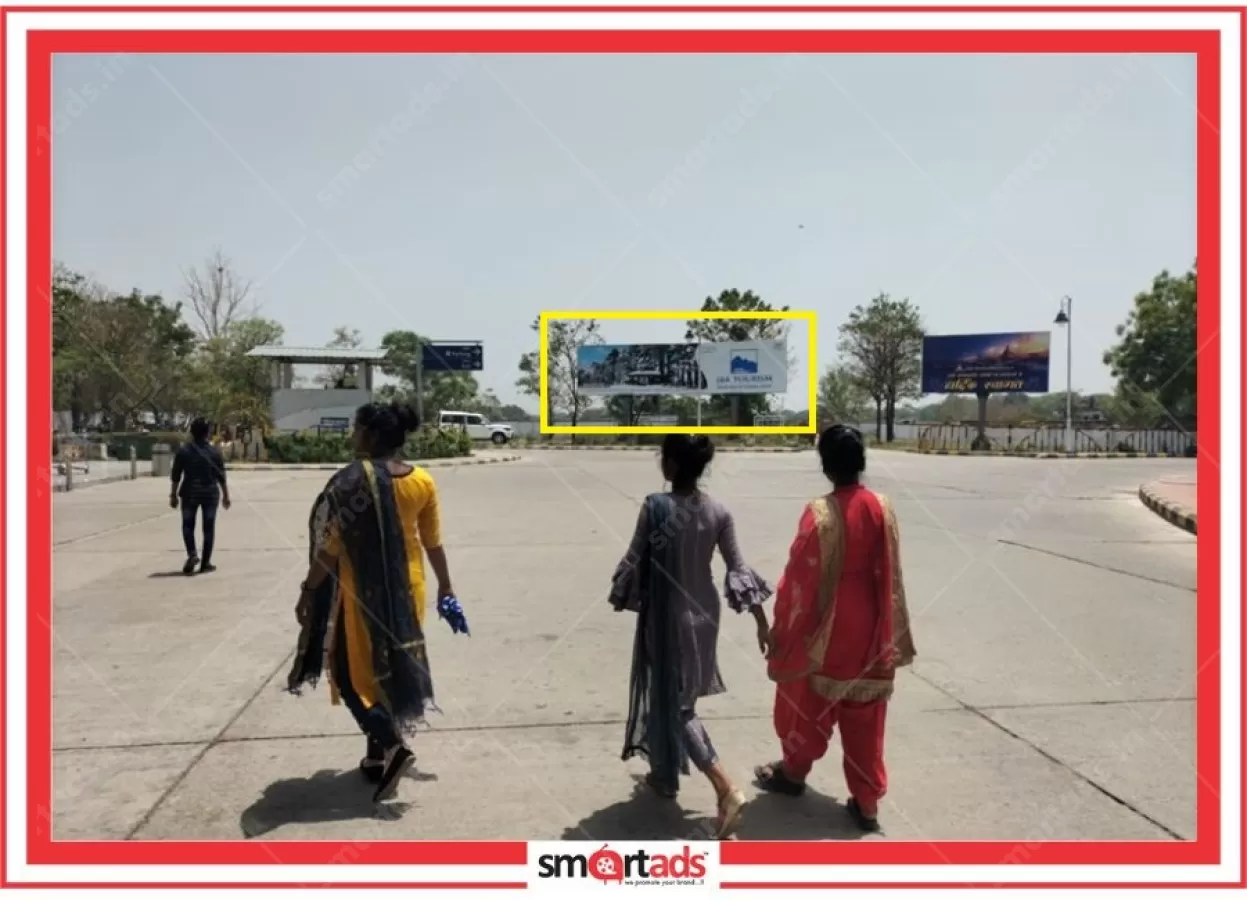
W34 Ft x H6 Ft
Lightbox Advertising is an interactive d
Rate per Box / Month
Back Lit - Unit 1 Departure SHA
₹510000.00

W35 Ft x H5 Ft
Lightbox Advertising is an interactive d
Rate per Box / Month
Back Lit - Unit 1 Check in counter
₹437500.00

W12 Ft x H5 Ft
Lightbox Advertising is an interactive d
Rate per Box / Month
Back Lit - Unit 1 Arrival Terminal Outsi
₹150000.00

W20 Ft x H4 Ft
Lightbox Advertising is an interactive d
Rate per Box / Month
Non Lit - Unit 1 Boarding Gate
₹200000.00

W30 Ft x H4 Ft
Lightbox Advertising is an interactive d
Rate per Box / Month
Non Lit - Unit 1 Boarding Gate
₹300000.00

W12 Ft x H5 Ft
Lightbox Advertising is an interactive d
Rate per Box / Month
Back Lit - Unit 4 Boarding Gate 3,4,5,6
₹150000.00

W38 Ft x H9 Ft
Rate per Hoarding / Month
Back Lit - Unit 1 Outside Terminal Bui
₹437500.00

W18 Ft x H9 Ft
Rate per Pole / Month
Back Lit - Unit 4 Outside the Terminal B
₹200000.00
MEDIA REACH

Airports :
Calicut Airport
MonthlyFootfall :
150000
MonthlyFlights :
1000
Terminal :
Domestic & International
Location :
Calicut Airport Area, Calicut

Calicut International Airport presents one of Kerala's most compelling advertising opportunities, with over 2.8 million passengers annually and unique access to Middle East expatriates returning home. This comprehensive guide provides actual rate benchmarks, strategic placement insights, and campaign optimization strategies based on real market data from India's fastest-growing regional airport hub.
The numbers tell a story that most advertisers overlook when they focus exclusively on metro airports; Calicut International Airport, which serves the Malabar region of Kerala, has witnessed passenger growth of roughly 18% year-over-year, making it one of the most dynamic advertising environments in South India. What makes this airport particularly attractive from a media planning perspective is the demographic composition of its passenger base, which includes a significant proportion of affluent expatriates from the Middle East, business travelers, and international tourists who represent high-value target segments that are notoriously difficult to reach through traditional media channels.
Our experience with airport advertising campaigns at Karipur has shown us that the captive audience factor works more effectively here than at larger, more chaotic airports; passengers typically arrive 2-3 hours early for international flights, which creates extended dwell time that translates into meaningful brand engagement opportunities. The airport environment itself contributes to this effectiveness, since the relatively compact terminal building ensures that strategically placed advertisements receive multiple exposures from the same passenger during their journey from check-in to boarding.
What sets Calicut airport apart from other regional airports is its unique position as the primary gateway for Kerala's expatriate population, particularly those working in Gulf countries, which means your advertising investment reaches an audience with significantly higher disposable income compared to domestic-only airports. We have observed that brands targeting luxury goods, real estate, automotive, and financial services achieve particularly strong recall rates when they advertise at Karipur, since these passengers are often in active purchasing mode for major life decisions during their visits home.
Digital displays dominate the premium advertising inventory at Calicut airport, with LED screens positioned at key passenger flow points including the main entrance, security checkpoints, and departure gates; these digital formats command rates that work out to somewhere between ₹45,000 to ₹85,000 per month depending on size and location, which represents excellent value when you calculate the cost per impression against the airport's monthly passenger traffic. The digital advantage becomes particularly evident during peak travel seasons, when passenger volumes can increase by 40-50% during festival periods and summer vacation months, effectively reducing your cost per exposure without any additional investment.
Static displays continue to play a crucial role in the airport's advertising ecosystem, with backlit panels and hoardings offering longer campaign durations at more accessible price points; these formats work exceptionally well for brand awareness campaigns where consistent messaging over extended periods delivers better results than high-impact, short-duration digital campaigns. We typically recommend static formats for clients who want to establish a presence over 6-12 month periods, since the rates become increasingly attractive with longer commitments, often dropping to roughly ₹25,000-₹40,000 per month for well-positioned backlit panels.
The most innovative advertising opportunities at Karipur involve integrated campaigns that combine multiple touchpoints throughout the passenger journey, which might include luggage trolley branding, floor graphics in high-traffic areas, and strategically placed standees near baggage claim areas. One automotive client we worked with achieved remarkable brand recall by creating a cohesive visual narrative that passengers encountered at five different points during their airport experience, resulting in a 34% increase in brand awareness among the target demographic compared to single-format campaigns.
The digital versus static decision at Calicut airport comes down to campaign objectives and budget flexibility, but our analysis of multiple campaigns shows that digital displays deliver roughly 2.3 times higher engagement rates, particularly for campaigns targeting younger demographics and tech-savvy expatriates returning from Gulf countries. Digital screens offer the obvious advantage of dynamic content, which allows brands to adjust messaging based on flight schedules, seasonal trends, or even real-time events; we have seen this flexibility pay dividends for retail brands that can promote different product categories based on whether passengers are arriving for festival seasons or departing for work assignments abroad.
Static displays, however, provide superior value for campaigns focused on building long-term brand recognition, since the consistent visual presence creates familiarity over time in ways that rotating digital content cannot match. The cost differential is significant enough to influence strategy, with static campaigns typically costing 40-60% less than comparable digital placements, which makes them particularly attractive for local businesses or regional brands that need sustained visibility within budget constraints.
What many advertisers miss is the opportunity to create hybrid campaigns that leverage both formats strategically; we recently executed a campaign for a financial services client that used static displays for consistent brand messaging while deploying digital screens for product-specific promotions and seasonal offers. This approach delivered a 28% higher conversion rate compared to digital-only campaigns, since the static elements provided brand credibility while the digital components drove specific actions.
Understanding passenger demographics at Karipur requires recognizing that this airport serves a unique catchment area that extends across Kozhikode, Malappuram, and parts of Wayanad districts, creating an audience profile that differs significantly from other South Indian airports. Business travelers constitute roughly 35% of the passenger base, but these are not typical corporate executives; many are entrepreneurs, small business owners, and professionals who have built successful enterprises in Gulf countries and represent high-net-worth individuals with specific consumption patterns and brand preferences.
International passengers, who make up approximately 60% of total traffic, arrive primarily from Middle Eastern destinations including Dubai, Abu Dhabi, Doha, and Kuwait, which means they bring exposure to international brands and elevated expectations for product quality and service standards. This demographic characteristic creates unique opportunities for luxury brands, premium services, and high-ticket consumer goods that might struggle to find concentrated audiences through other media channels in Kerala.
The domestic passenger segment includes a significant proportion of families visiting relatives, students traveling to educational institutions, and professionals working in other Indian cities, which creates opportunities for brands targeting family-oriented products, educational services, and lifestyle categories. What makes this audience particularly valuable is their extended decision-making timeline; unlike business travelers who might be focused on immediate needs, these passengers often use travel time to research major purchases, plan investments, or consider service providers for their families back home.
Strategic placement within Calicut airport can make the difference between a campaign that generates awareness and one that drives actual business results, and our experience suggests that the departure area consistently outperforms arrival zones for most product categories. Passengers in the departure area have completed check-in procedures and security screening, which puts them in a more relaxed mindset that proves more receptive to advertising messages; they also have guaranteed dwell time before boarding, unlike arriving passengers who are typically focused on baggage collection and onward transportation.
The security checkpoint area represents premium inventory that commands higher rates but delivers exceptional exposure, since every passenger must pass through this bottleneck location where they often wait in queues that provide extended viewing time for adjacent advertisements. We have measured average exposure times of 3-4 minutes in this location, compared to 15-30 seconds for advertisements in high-traffic corridors, which translates into significantly better message retention and brand recall rates.
Baggage claim areas offer unique opportunities for campaigns targeting arriving passengers, particularly those focused on local services, hospitality, transportation, or retail establishments that passengers might visit during their stay. The challenge with these locations is the variability in dwell time, which depends on flight schedules and baggage handling efficiency, but the advantage is reaching passengers at the moment when they are transitioning from travel mode to local engagement mode. One hospitality client achieved a 22% increase in bookings by placing strategically designed advertisements in the baggage claim area that included QR codes for immediate reservation capabilities.
Airport advertising rates at Calicut vary significantly based on format, location, and campaign duration, but our current market analysis shows that digital display rates range from roughly ₹45,000 to ₹1.2 lakh per month for premium locations, which represents competitive pricing compared to similar airports in Kerala and Karnataka. The rate structure typically includes base rental fees, production costs, and installation charges, but many advertisers underestimate additional expenses such as content creation for digital formats, maintenance fees, and potential premium charges during peak travel seasons.
Static advertising options provide more predictable pricing, with backlit panels starting around ₹25,000 per month and large-format hoardings reaching approximately ₹65,000 monthly for prime locations; these rates often include significant discounts for longer commitments, with annual contracts typically offering 15-20% savings compared to monthly bookings. The key to optimizing advertising costs lies in understanding the seasonal passenger flow patterns, since rates can fluctuate by 30-40% between peak and off-peak periods.
What most brands overlook is the opportunity to negotiate package deals that combine multiple formats or locations, which can reduce overall costs while increasing campaign reach and frequency. We recently negotiated a comprehensive campaign for a real estate client that included digital displays, static panels, and luggage trolley branding for roughly ₹2.8 lakh over six months, delivering an estimated 4.2 million impressions and generating leads that converted at 18% higher rates than their previous outdoor advertising campaigns.
Campaign planning for airport advertising requires understanding passenger flow patterns, seasonal variations, and the unique decision-making environment that airports create, which differs significantly from other out-of-home advertising contexts. The booking process typically requires 4-6 weeks advance notice for digital formats and 2-3 weeks for static displays, but peak season campaigns, particularly during festival periods and summer vacation months, should be planned 8-10 weeks in advance to secure optimal locations and avoid premium pricing.
Content strategy becomes crucial in the airport environment, where passengers encounter advertisements during different phases of their journey and in varying emotional states; departure-area campaigns should focus on aspirational messaging that connects with passengers' travel excitement, while arrival-area advertisements work better with practical, service-oriented content that addresses immediate needs. We have found that campaigns incorporating local cultural elements or references to the expatriate experience resonate particularly well with Calicut airport audiences, since these passengers maintain strong emotional connections to their home region.
Measurement and optimization require different approaches than traditional outdoor advertising, since airport campaigns can be evaluated through multiple metrics including brand recall studies, QR code interactions, website traffic analysis, and direct response tracking. One technology client we worked with implemented a comprehensive tracking system that measured campaign performance through airport wifi engagement, mobile app downloads, and post-travel survey responses, revealing that their airport advertising delivered 3.2 times higher conversion rates than their concurrent digital marketing campaigns.
The fundamental advantage of airport advertising lies in reaching audiences during moments of transition, when they are naturally more open to new information and brand messages, combined with the captive environment that ensures your advertisements receive focused attention rather than competing with the distractions of daily life. At Calicut airport specifically, this advantage is amplified by the demographic quality of passengers, who represent higher income brackets and decision-making authority compared to audiences reached through mass media channels.
Brand recall rates for airport advertising consistently outperform other outdoor formats, with studies showing 60-70% higher retention rates compared to roadside hoardings or transit advertising, primarily because of the extended exposure time and the focused mental state of passengers during travel. The airport environment also provides implicit credibility and quality association, since passengers subconsciously connect brands advertised in airports with reliability, international standards, and premium positioning.
The targeting precision available through airport advertising cannot be replicated through other media channels, since you can predict with remarkable accuracy the demographics, travel patterns, and even spending capacity of your audience based on flight schedules and destination analysis. This precision becomes particularly valuable for B2B campaigns, luxury goods, and services that require reaching specific demographic segments that might represent tiny percentages of the general population but constitute significant portions of airport passenger traffic.
Q: What are the current advertising rates at Calicut Airport?
Advertising rates at Calicut International Airport vary based on format and location, with digital displays ranging from approximately ₹45,000 to ₹1.2 lakh per month for premium positions, while static backlit panels start around ₹25,000 monthly and can reach ₹65,000 for large-format installations in high-traffic areas. The pricing structure typically includes base rental fees, installation charges, and production costs, but additional expenses such as content creation, maintenance, and seasonal premium charges should be factored into budget planning. Long-term commitments often provide significant cost advantages, with annual contracts offering 15-20% savings compared to monthly bookings, and package deals combining multiple formats can reduce overall campaign costs while increasing reach and frequency.
Q: Which locations offer the best visibility for airport advertising?
The departure area consistently delivers superior performance for most advertising campaigns, since passengers have completed check-in and security procedures and are in a relaxed mindset with guaranteed dwell time before boarding; security checkpoint areas represent premium inventory with average exposure times of 3-4 minutes compared to 15-30 seconds in corridor locations. Baggage claim areas provide unique opportunities for targeting arriving passengers who are transitioning to local engagement mode, while the main entrance and check-in areas offer high-traffic exposure but shorter viewing durations. Strategic placement decisions should align with campaign objectives, target audience behavior, and the specific passenger journey phase that best matches your brand message and call-to-action requirements.
Q: How long is the minimum duration for airport advertising campaigns?
Minimum campaign durations at Calicut airport typically range from one month for digital displays to three months for static formats, though these requirements can vary based on location demand and seasonal factors; most successful campaigns run for 3-6 months to achieve optimal brand recall and message retention among the target audience. Shorter durations may be available during off-peak periods, but they often come with premium pricing that can offset the time savings, while longer commitments provide better rates and allow for campaign optimization based on performance data. The airport environment rewards consistency and repeated exposure, so campaigns shorter than 30 days rarely achieve the brand recognition and recall rates that justify the investment compared to other advertising channels.
Q: What types of digital advertising formats are available?
Digital advertising options at Karipur include LED screens positioned at strategic locations throughout the terminal, ranging from large-format displays in departure areas to medium-sized screens near security checkpoints and boarding gates; these digital formats support various content types including static images, video content, and dynamic messaging that can be updated remotely. Interactive digital displays with touch capabilities are available in select locations, offering opportunities for engagement campaigns that collect customer data or provide detailed product information, while standard digital screens can accommodate rotating campaigns that share space with other advertisers. Content specifications vary by screen size and location, but most digital formats support full HD resolution with specific requirements for file formats, duration limits, and content approval processes that should be considered during campaign planning.
Q: How do I book advertising space at Karipur Airport?
Booking airport advertising space requires working through authorized advertising agencies like SmartAds that maintain relationships with airport authorities and can navigate the approval processes, documentation requirements, and technical specifications involved in airport advertising campaigns. The booking process typically begins with location selection and format specification, followed by content creation and approval, installation scheduling, and campaign monitoring, with lead times ranging from 2-3 weeks for standard placements to 6-8 weeks for premium locations during peak seasons. Documentation requirements include company registration details, advertisement content for approval, insurance certificates, and compliance with airport advertising guidelines, while payment terms usually require advance deposits and may include security deposits for digital format installations.
Q: What is the passenger footfall at Calicut International Airport?
Calicut International Airport handles approximately 2.8 million passengers annually, with monthly variations ranging from 180,000 to 350,000 passengers depending on seasonal patterns, festival periods, and holiday travel trends; international passengers constitute roughly 60% of total traffic, primarily traveling to and from Middle Eastern destinations. Peak travel periods include summer months (April-June), festival seasons (October-November), and winter holidays (December-January), when passenger volumes can increase by 40-50% above average monthly figures, effectively reducing cost-per-impression for advertising campaigns during these high-traffic periods. Daily passenger flow typically ranges from 6,000 to 12,000 passengers, with higher volumes on weekends and during peak travel days, providing advertisers with predictable exposure patterns that can be leveraged for campaign optimization and performance measurement.
Q: Are there any restrictions on advertising content at the airport?
Airport advertising content must comply with standard advertising guidelines as well as specific aviation authority regulations that prohibit certain product categories, messaging approaches, and visual elements that could be considered inappropriate in the airport environment. Prohibited content typically includes tobacco products, alcohol advertising (with some exceptions for duty-free promotions), political messaging, religious content that could be considered divisive, and any imagery or text that might cause anxiety or concern among passengers regarding travel safety. Content approval processes require submitting final artwork for review 7-10 days before installation, and all advertisements must include appropriate disclaimers, contact information, and compliance with local language requirements where applicable, while maintaining professional standards appropriate for the international airport environment.
Q: What is the ROI for airport advertising in Calicut?
Return on investment for airport advertising campaigns varies significantly based on industry, campaign objectives, and measurement methodologies, but our experience with Calicut airport campaigns shows average ROI multipliers ranging from 2.8x to 5.2x for well-executed campaigns targeting appropriate demographics. Brand awareness campaigns typically deliver ROI through increased recall rates, website traffic, and long-term brand value that may not translate immediately into direct sales but create foundation for future conversion opportunities, while direct response campaigns with clear call-to-action elements can generate measurable leads and sales that provide more immediate ROI calculations. The unique demographic profile of Calicut airport passengers, particularly the high proportion of affluent expatriates and business travelers, often results in higher conversion values per lead compared to other advertising channels, with some clients reporting 40-60% higher average transaction values from airport-generated leads compared to their overall customer base.
The opportunity that Calicut International Airport presents goes beyond simple passenger numbers or demographic profiles; it represents access to one of India's most unique and valuable audience segments at a time when they are most receptive to brand messaging and purchasing decisions. Our experience working with dozens of brands across various categories has shown us that successful airport advertising campaigns require understanding not just the medium, but the mindset of passengers who are navigating between their international work lives and their Kerala home connections.
The strategic advantage of advertising at Karipur lies in the intersection of audience quality, message receptivity, and competitive environment, which creates conditions that are difficult to replicate through other advertising channels. When we analyze the performance data from our airport campaigns against comparable investments in digital marketing, outdoor advertising, and traditional media, the airport consistently delivers superior results for brands that understand how to craft messages that resonate with this specific audience during these particular moments in their journey.
At SmartAds, we have developed specialized expertise in airport advertising that goes beyond simple space booking to encompass strategic planning, creative optimization, and performance measurement that maximizes every rupee of your advertising investment. The combination of our 500+ city presence, deep understanding of regional markets like Calicut, and proven track record with airport campaigns positions us to help your brand achieve the kind of results that justify airport advertising as not just an awareness tactic, but a genuine business growth driver. For customized media planning that leverages the unique opportunities available at Calicut International Airport, our team at SmartAds.in brings the market intelligence and execution expertise that transforms airport advertising from an expense into a strategic advantage.
