
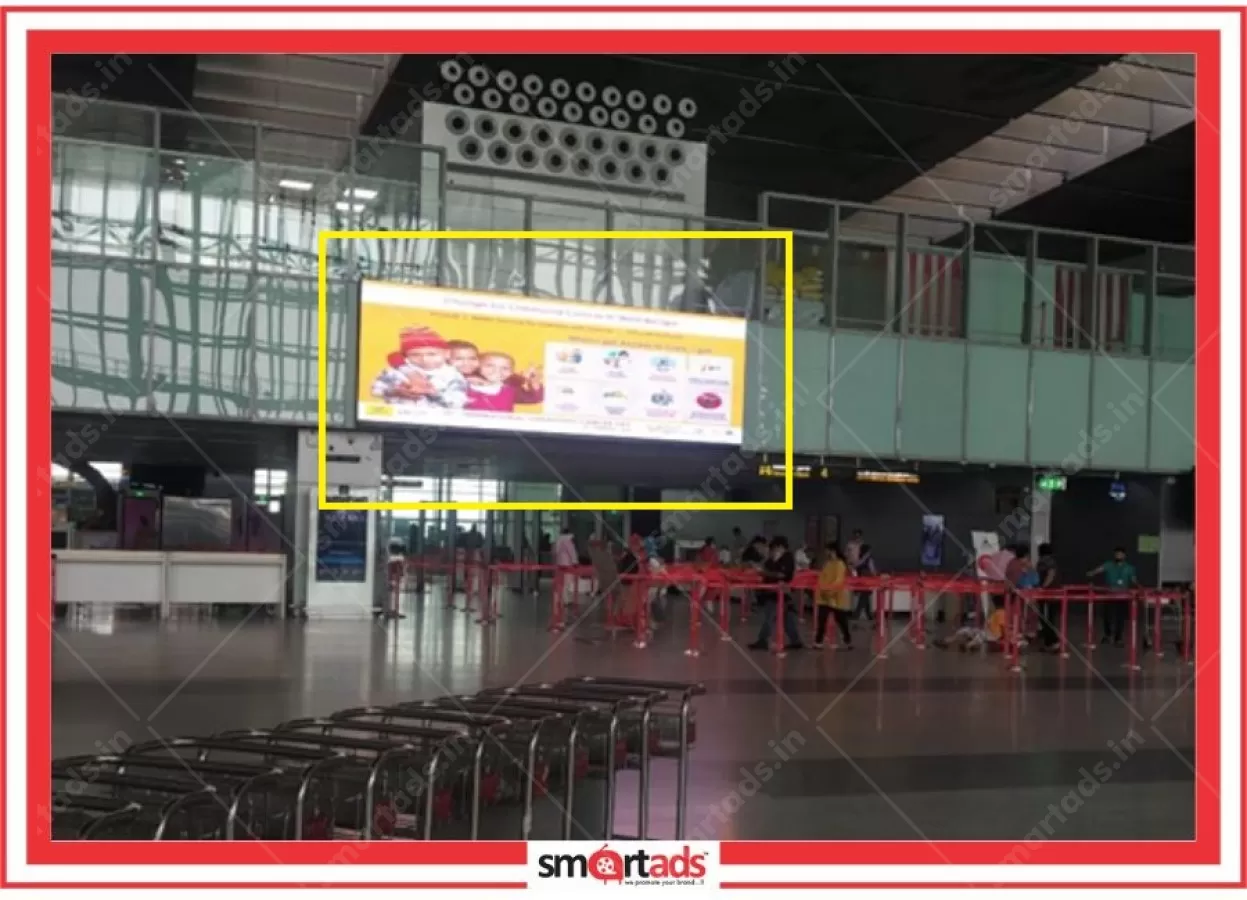
Video Wall
W21 Ft x H7 Ft
Large format media, high dwell time Crea
Rate per Wall / Month
Video wall - Departure Unit 3 Common che
₹335000.00
Showing 1 to 6 of 6 Results
MEDIA DETAILS
W21 Ft x H7 Ft
Large format media, high dwell time Crea
Rate per Wall / Month
Video wall - Departure Unit 3 Common che
₹335000.00
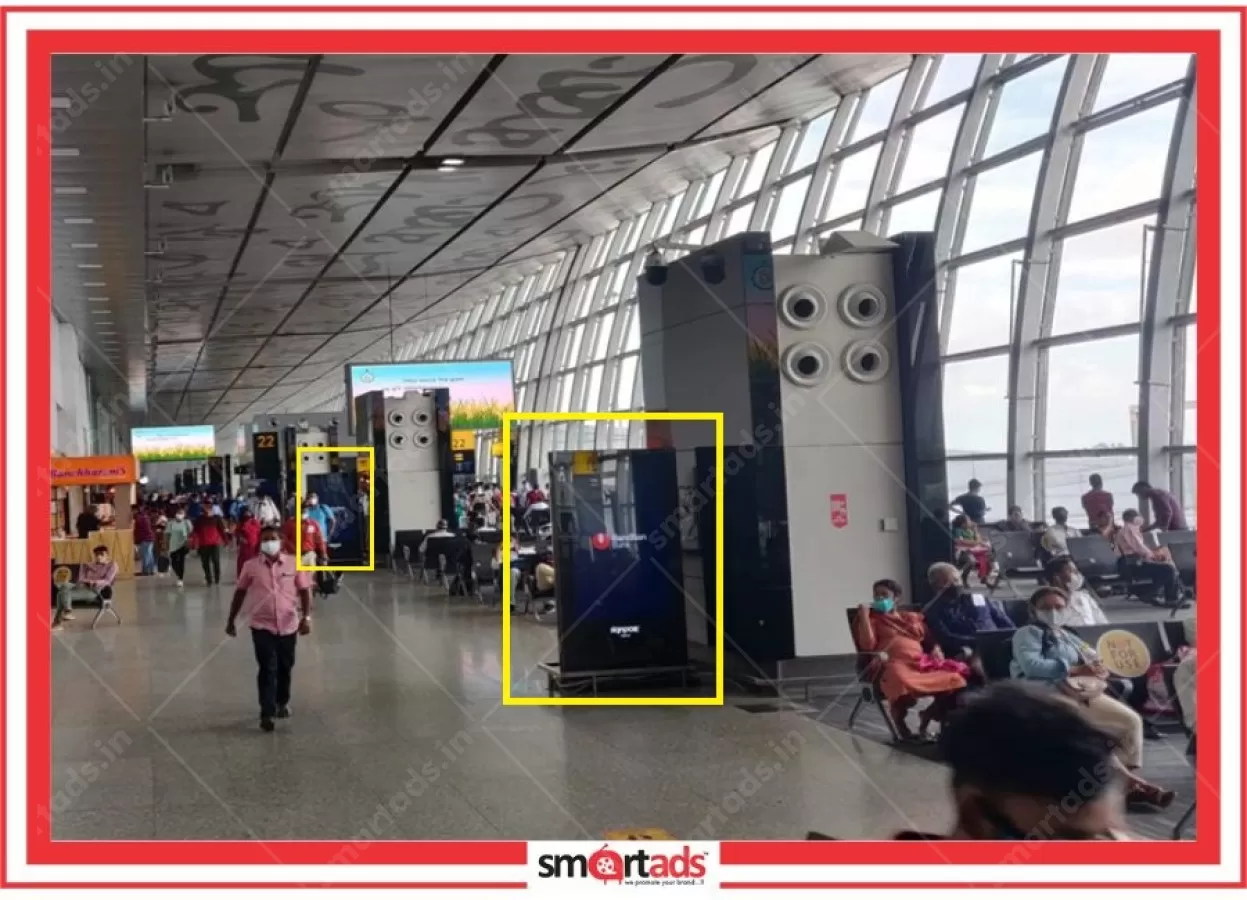
65"
Create recall for your brand message C
Rate per Screen / Month
Digital Screen - Departure Unit 42 Check
₹43000.00
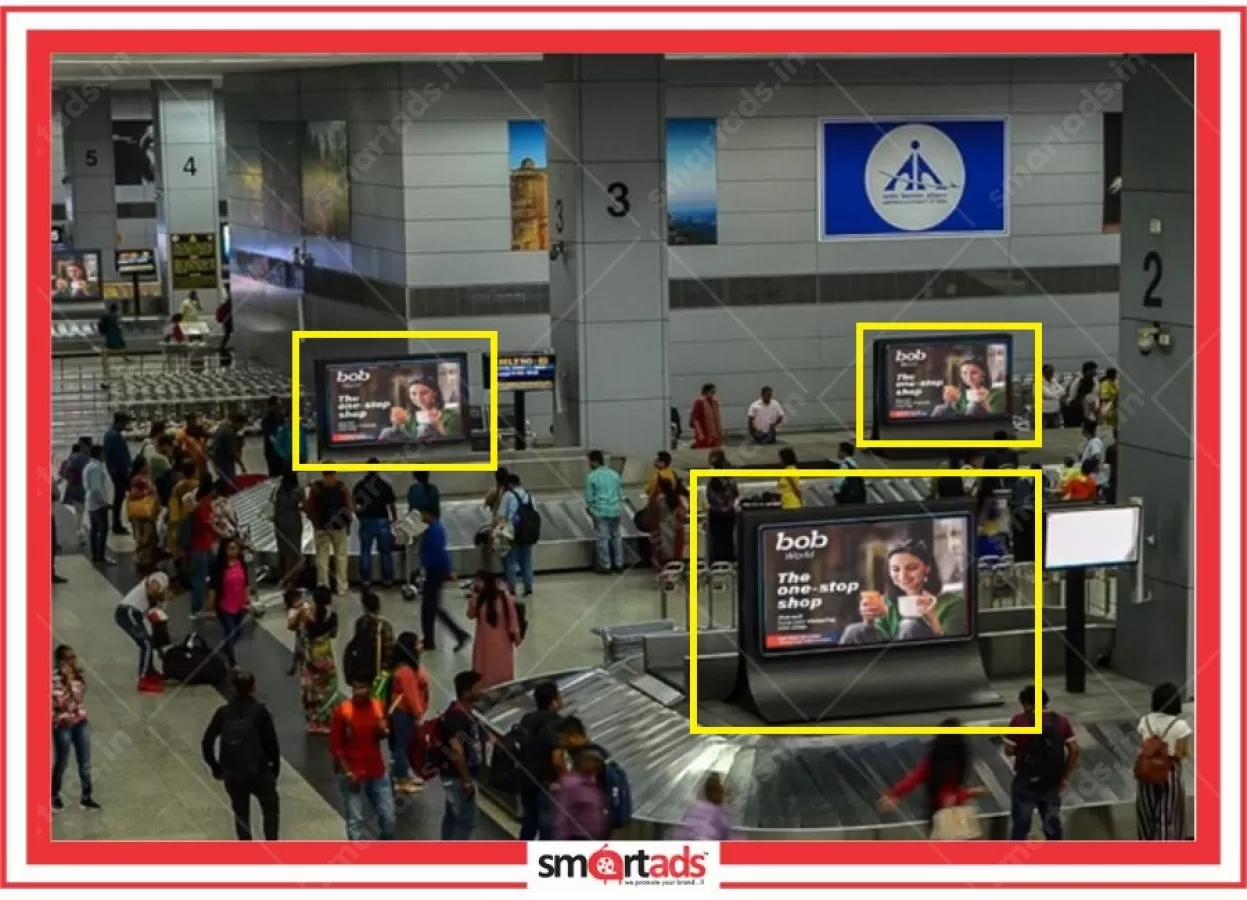
85"
Head on media Create recall for brand me
Rate per Screen / Month
Digital Screen - Arrival Unit 30 Baggage
₹40000.00
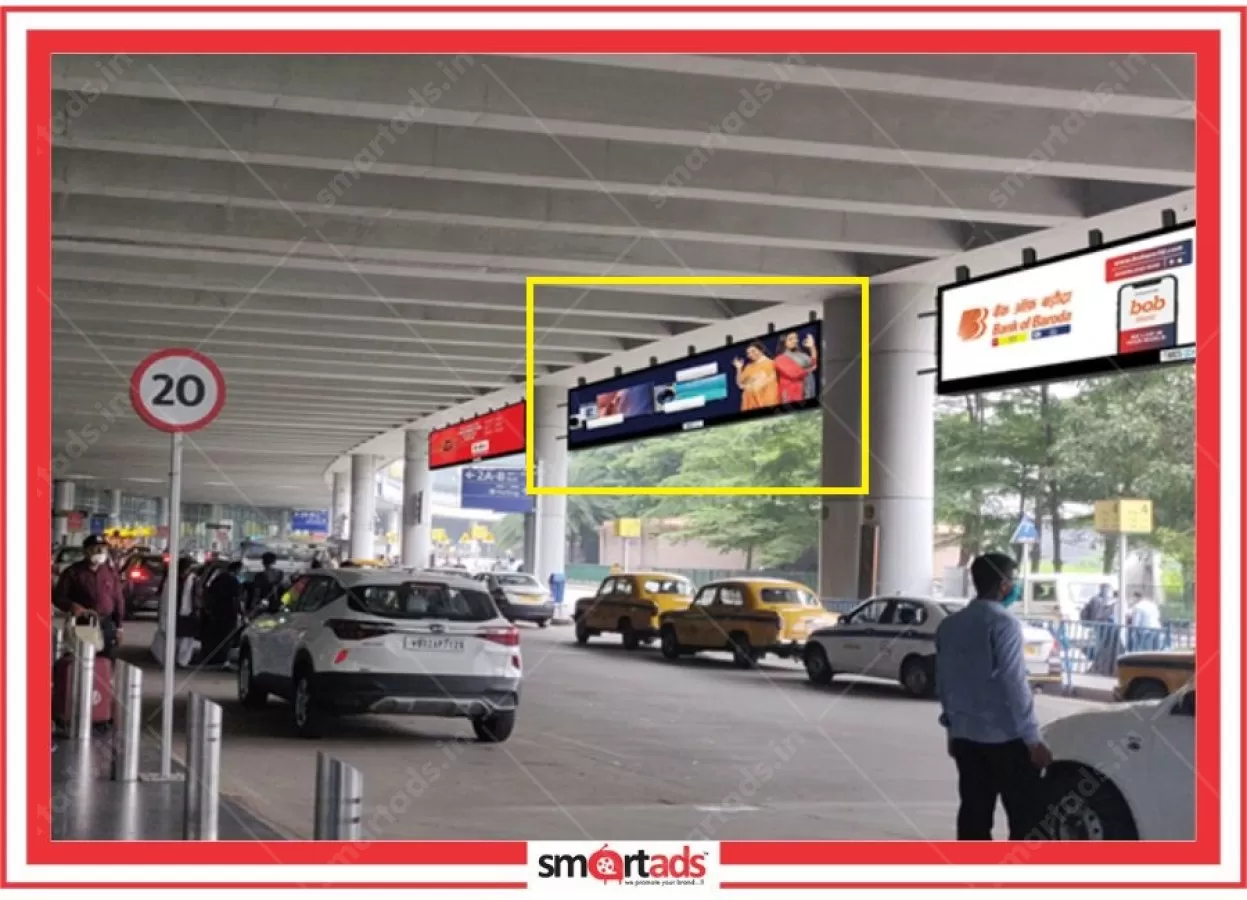
W24 Ft x H8 Ft
Large format head on media post exit of
Rate per Signage / Month
Back Lit - Arrival Unit 3 Opposite Exit
₹500000.00

W7.5 Ft x H3.5 Ft
High dwell time, Head on media Frequency
Rate per Box / Month
Back Lit - Departure Unit 5 FIDS (Acros
₹340000.00

W18 Ft x H6 Ft
Head on media Create brand impact
Rate per Box / Month
Back Lit - Arrival Unit 1 Way to baggag
₹1200000.00
MEDIA REACH

Airports :
Guwahati Airport
MonthlyFootfall :
150000
MonthlyFlights :
1000
Terminal :
Domestic & International
Location :
Guwahati Airport Area, Guwahati

This comprehensive guide provides actual advertising rates, format specifications, and strategic insights for airport advertising at Guwahati's primary aviation hub, based on current market data and campaign execution experience across Northeast India's busiest airport terminal.
The advertising rates at Lokpriya Gopinath Bardoloi International Airport vary significantly based on location, format, and duration, which is something that catches many first-time airport advertisers off guard when they compare these figures to traditional outdoor advertising costs. Our experience with airport advertising campaigns in Guwahati shows that departure area digital screens command premium rates of roughly ₹2.5 to ₹3.2 lakh per month for a standard 55-inch display; this pricing reflects the captive audience advantage that business travelers and leisure passengers provide during their extended dwell time before flights.
Terminal advertising rates at Guwahati International Airport follow a tiered structure that prioritizes high-visibility zones, particularly the security check areas and boarding gate lounges where passenger traffic concentrates for extended periods. The thing is, most brands underestimate the value proposition when they see that a premium location near the departure gates costs somewhere between ₹4 to ₹6 lakh monthly for a large-format backlit display; however, when you calculate the cost per thousand impressions against the airport's monthly passenger footfall of approximately 4.5 lakh travelers, the CPM works out to be surprisingly competitive compared to other premium advertising mediums.
Frankly speaking, the arrival area advertising options at Guwahati airport offer better value for brands targeting the broader Northeast India market, with baggage claim advertising rates starting around ₹1.8 lakh per month for medium-format displays. What makes these placements particularly effective is the guaranteed viewing time that passengers spend waiting for luggage; our campaigns have recorded average exposure times of 8-12 minutes per passenger, which translates to significantly higher brand recall rates compared to traditional outdoor advertising where exposure is measured in seconds rather than minutes.
Digital screens represent the most sought-after airport advertising format at Guwahati International Airport, with multiple size options ranging from 32-inch corridor displays to large 75-inch premium locations that dominate the departure lounge visual landscape. The airport terminal houses roughly 45 digital advertising screens across various zones; these DOOH advertising units offer dynamic content capabilities that allow brands to customize messaging based on flight schedules, passenger demographics, and even weather conditions, which creates opportunities for contextual advertising that traditional static formats cannot match.
Boarding pass advertising has emerged as an innovative format that many brands overlook when planning their Guwahati airport advertising campaigns, despite its remarkable effectiveness in reaching travelers during their most engaged moments. At SmartAds, we have found that boarding pass advertising generates exceptional brand recall because passengers interact with these documents multiple times throughout their journey; the rates for this format work out to approximately ₹45,000 to ₹65,000 monthly depending on the airline partnerships and passenger volume, making it one of the most cost-effective airport media options available.
Trolley advertising at Guwahati airport provides brands with mobile visibility that follows passengers throughout their terminal experience, from arrival areas through baggage claim and into departure zones. The airport maintains a fleet of roughly 800 trolleys, which creates multiple advertising opportunities including handle wraps, basket displays, and full-trolley branding solutions; our experience shows that trolley advertising works particularly well for retail brands, hospitality companies, and local businesses targeting the significant domestic passenger traffic that connects Northeast India with major metropolitan markets across the country.
Airport advertising at Guwahati International Airport delivers unparalleled access to Northeast India's most affluent and mobile demographic, which includes business executives, government officials, and affluent leisure travelers who represent the region's highest purchasing power segments. The passenger profile data that we have analyzed shows that roughly 65% of travelers using Guwahati airport fall into the SEC A and B categories; this concentration of premium audience segments makes airport advertising significantly more valuable than the raw CPM calculations might suggest, particularly for brands in categories like automobiles, real estate, financial services, and premium consumer goods.
One automotive client we worked with discovered that their Guwahati airport advertising campaign generated leads at 40% lower cost per acquisition compared to their traditional outdoor advertising efforts across Assam, primarily because the airport audience included decision-makers and influencers who were actively researching major purchase decisions. The campaign utilized departure area digital screens combined with baggage claim displays, which created multiple touchpoints that reinforced brand messaging throughout the passenger journey; the results showed that airport advertising delivered 3.2 times higher brand recall compared to highway billboards and shopping mall displays in the Guwahati metropolitan area.
Regional connectivity through Guwahati airport means that advertising campaigns reach audiences from across the seven sister states, creating opportunities for brands to achieve Northeast India market penetration through a single strategic location. The thing that most marketers miss is that Guwahati airport serves as the primary gateway for business travel between Northeast India and major commercial centers like Delhi, Mumbai, Bangalore, and Kolkata; this positioning makes airport advertising particularly valuable for B2B brands, professional services, and companies seeking to establish credibility in the Northeast India market through association with premium advertising environments.
The departure area at Lokpriya Gopinath Bardoloi Airport offers the highest passenger engagement levels, particularly the zones immediately following security screening where travelers have completed the stressful check-in process and are settling into a more relaxed mindset before their flights. Our campaign data consistently shows that advertising placements in the post-security departure lounge generate 40-60% higher recall rates compared to pre-security locations; this occurs because passengers in the departure area have extended dwell time, limited distractions, and heightened attention to their surroundings, which creates ideal conditions for brand message absorption and processing.
Premium advertising locations near the boarding gates command the highest rates for good reason, as these areas concentrate passenger attention during the final 30-45 minutes before flight departure when travelers are most likely to be stationary and engaged with their environment. The airport terminal design creates natural viewing angles that make gate-area displays unavoidable for waiting passengers; we have measured average viewing times of 12-18 minutes for advertisements positioned in gate seating areas, which represents exceptional exposure duration compared to most other advertising mediums where attention spans are measured in seconds rather than minutes.
Baggage claim advertising provides unique advantages for brands targeting arriving passengers, who typically spend 15-25 minutes in this area while waiting for luggage and processing their arrival experience. What makes baggage claim particularly valuable is the emotional state of arriving passengers, who are often relieved to have completed their journey and are transitioning into a more receptive mindset for brand messaging; our experience shows that brands advertising in the arrival area benefit from positive association with the completion of travel, which can enhance brand perception and purchase intent, particularly for hospitality, retail, and local service providers.
The booking process for Guwahati airport advertising involves coordination with multiple stakeholders, including the Airports Authority of India, approved advertising vendors, and airport management teams who oversee content approval and installation scheduling. Most brands find this process more complex than traditional outdoor advertising because airport advertising requires additional security clearances, content compliance reviews, and installation protocols that must align with flight operations and passenger safety requirements; working with an experienced airport advertising agency like SmartAds streamlines this process significantly by managing vendor relationships, regulatory compliance, and project timelines from initial planning through campaign execution.
Lead times for airport advertising campaigns at Lokpriya Gopinath Bardoloi Airport typically range from 4-6 weeks for digital screen bookings to 8-12 weeks for custom installations or new format deployments, which requires more advance planning compared to other outdoor advertising mediums. The approval process involves content review by airport authorities, security clearance for installation teams, and coordination with flight schedules to ensure that installation activities do not interfere with airport operations; our experience shows that campaigns launched during peak travel seasons require even longer lead times, as airport management prioritizes passenger experience and operational efficiency during high-traffic periods.
Production requirements for Guwahati airport advertising follow strict technical specifications that vary by format and location, with digital content requiring specific resolution standards, file formats, and content duration parameters that differ from standard outdoor advertising requirements. Static displays must meet fire safety standards, wind load specifications, and visibility guidelines that account for airport lighting conditions and passenger viewing angles; at SmartAds, we maintain detailed technical specifications for all Guwahati airport advertising formats, which ensures that creative production meets approval requirements and maximizes visual impact within the unique airport environment.
The cost-effectiveness of Guwahati airport advertising becomes particularly apparent when brands calculate the reach across multiple Northeast India markets through a single strategic placement, rather than viewing it as advertising to only Guwahati's local market. Passenger traffic data shows that roughly 45% of travelers using Lokpriya Gopinath Bardoloi Airport originate from or are traveling to destinations outside Assam; this means that airport advertising campaigns effectively reach audiences from Meghalaya, Manipur, Nagaland, Tripura, Arunachal Pradesh, and Mizoram, creating multi-state market penetration that would require separate campaigns and significantly higher budgets if pursued through traditional outdoor advertising in each individual market.
Monthly rates for airport advertising in Guwahati deliver exceptional value when compared to the combined cost of achieving equivalent reach across Northeast India's major cities through conventional outdoor advertising mediums. A retail client we worked with calculated that reaching their target audience through airport advertising cost 60% less than a comparable outdoor advertising campaign across Shillong, Imphal, Kohima, and Agartala; the airport campaign also delivered higher engagement quality because it reached travelers during extended exposure periods rather than brief roadside glimpses, which translated to measurably higher brand recall and purchase consideration rates.
The captive audience advantage at airports creates advertising value that extends beyond simple reach and frequency calculations, particularly for brands that benefit from extended message exposure and premium environment association. Business travelers using Guwahati International Airport represent decision-makers and influencers who often research and recommend products and services to their organizations and social networks; this amplification effect means that airport advertising impact extends beyond direct passenger exposure to include secondary influence on purchasing decisions, making the advertising investment more valuable than traditional CPM analysis might suggest.
Seasonal passenger traffic patterns at Guwahati airport create distinct opportunities for brands to optimize their advertising investment timing, with peak travel periods during October through March delivering higher passenger volumes but also commanding premium advertising rates. The winter months see increased leisure travel as weather conditions favor tourism across Northeast India; during this period, passenger traffic increases by roughly 25-30% compared to monsoon months, which translates to higher brand exposure but also increased competition for premium advertising locations that may drive rates up by 15-20% during peak booking periods.
Festival seasons, particularly Durga Puja, Diwali, and regional celebrations like Bihu, create unique advertising opportunities as passenger demographics shift to include more leisure travelers and families, which can be particularly valuable for consumer brands, hospitality companies, and retail advertisers. Our campaign data shows that brand recall rates during festival periods increase by 20-25% compared to regular business travel periods; this occurs because leisure travelers tend to have more relaxed schedules, longer dwell times, and higher engagement with their surroundings, creating ideal conditions for advertising message absorption and brand interaction.
Monsoon season advertising at Guwahati airport offers cost advantages for brands with flexible timing, as reduced passenger traffic during June through September typically results in lower advertising rates and increased negotiation flexibility with media vendors. While passenger volumes decrease by roughly 20-25% during heavy monsoon months, the audience composition shifts toward essential business travel and government officials, which can be valuable for B2B brands and professional services; additionally, flight delays during monsoon season actually increase passenger dwell time, creating longer exposure periods that can enhance advertising effectiveness despite lower overall traffic volumes.
Digital screens at Guwahati International Airport provide dynamic content capabilities that allow brands to customize messaging throughout the day, which creates opportunities for contextual advertising that responds to flight schedules, passenger demographics, and real-time events in ways that static displays cannot match. The airport's digital advertising infrastructure includes roughly 30 strategically positioned screens across departure and arrival areas; these displays can rotate multiple advertiser messages, showcase video content, and even integrate with social media feeds or live data, which provides significantly more creative flexibility compared to traditional backlit displays or printed advertising formats.
The cost differential between digital and traditional airport advertising formats reflects the enhanced capabilities and engagement potential that dynamic content provides, with digital screens typically commanding 40-60% premium rates compared to static displays in equivalent locations. However, our campaign analysis shows that digital formats often deliver superior ROI because they enable A/B testing of creative variations, real-time content optimization, and more engaging visual presentations that capture passenger attention more effectively; one technology client achieved 85% higher brand recall with digital airport advertising compared to their previous static display campaign, which more than justified the increased investment through improved campaign performance metrics.
Traditional airport advertising formats, including backlit displays and printed signage, continue to offer value for brands seeking consistent message exposure and cost-effective reach, particularly for campaigns with longer duration requirements or simpler creative needs. Static displays at Guwahati airport benefit from guaranteed visibility without concerns about technical issues, content rotation scheduling, or digital display maintenance; for brands with strong visual identity and straightforward messaging, traditional formats can deliver effective results at lower monthly rates, making them particularly suitable for local businesses, service providers, and campaigns with extended duration requirements that make the cost per day more favorable than digital alternatives.
Content approval for airport advertising at Lokpriya Gopinath Bardoloi Airport follows stringent guidelines established by the Airports Authority of India, which require review of all advertising materials for compliance with aviation regulations, cultural sensitivity standards, and brand appropriateness for the airport environment. The approval process typically takes 10-15 business days and involves multiple review stages that examine creative content, technical specifications, and installation procedures; brands must avoid content related to alcohol, tobacco, political messaging, or anything that might create anxiety or concern among air travelers, which requires careful consideration during creative development phases.
Installation permits and security clearances represent critical components of the airport advertising approval process, as all installation personnel must undergo background verification and receive airport authority clearance before accessing terminal areas for campaign setup or maintenance activities. The security protocols at Guwahati International Airport require advance notification of installation schedules, coordination with airport operations teams, and adherence to specific timing windows that avoid interference with flight operations or passenger services; our experience shows that brands working with established airport advertising agencies benefit from pre-approved vendor relationships that expedite the clearance process and ensure compliance with all regulatory requirements.
Technical compliance standards for airport advertising encompass fire safety requirements, structural engineering specifications, and electrical safety protocols that exceed typical outdoor advertising standards due to the critical nature of airport operations and passenger safety considerations. All advertising installations must meet specific wind load requirements, use fire-retardant materials, and include proper electrical grounding and surge protection; digital displays require additional compliance with electromagnetic interference standards to ensure compatibility with aviation communication and navigation systems, which necessitates specialized technical expertise during planning and installation phases.
Q: What are the advertising rates for Guwahati Airport?
Advertising rates at Guwahati airport vary significantly based on format, location, and duration, with digital screens in departure areas commanding premium rates of ₹2.5 to ₹3.2 lakh monthly, while arrival area displays start around ₹1.8 lakh per month. Premium locations near boarding gates can cost ₹4 to ₹6 lakh monthly for large-format backlit displays, though these rates deliver exceptional value when calculated against the airport's monthly passenger traffic of approximately 4.5 lakh travelers. Specialized formats like boarding pass advertising offer more accessible entry points at ₹45,000 to ₹65,000 monthly, while trolley advertising provides mobile visibility throughout the terminal at competitive rates that make airport advertising accessible for regional brands with moderate budgets.
Q: Which companies provide airport advertising services in Guwahati?
Several established agencies handle airport advertising at Lokpriya Gopinath Bardoloi Airport, including national players like The Media Ant, Excellent Publicity, and Azeroin Media, alongside specialized airport advertising companies that maintain direct relationships with airport authorities and approved vendor networks. The key differentiator among airport advertising agencies lies in their experience with the complex approval processes, technical compliance requirements, and installation protocols that airport advertising demands; agencies with established relationships at Guwahati airport can significantly reduce lead times and ensure smooth campaign execution. SmartAds brings extensive experience in Northeast India airport advertising, with established vendor relationships and deep understanding of the regional market dynamics that affect campaign planning and execution at Guwahati International Airport.
Q: What advertising formats are available at Guwahati Airport?
Guwahati airport offers diverse advertising formats including digital screens ranging from 32-inch corridor displays to 75-inch premium departure lounge installations, traditional backlit displays in high-traffic areas, and innovative options like boarding pass advertising and trolley branding solutions. The airport terminal houses approximately 45 digital advertising screens across various zones, providing dynamic content capabilities for brands seeking flexible messaging options; static formats include large-format backlit displays, directional signage integration, and custom installation opportunities for brands with specific creative requirements. Specialized formats like baggage claim advertising, gate area displays, and arrival hall branding provide targeted reach opportunities that align with different passenger journey stages and marketing objectives.
Q: How long does it take to set up an airport advertising campaign in Guwahati?
Campaign setup timelines for Guwahati airport advertising typically require 4-6 weeks for digital screen bookings and 8-12 weeks for custom installations, with additional time needed during peak travel seasons when airport management prioritizes operational efficiency over new installations. The approval process involves content review by airport authorities, security clearance for installation teams, and coordination with flight schedules to ensure installation activities do not interfere with airport operations; brands planning campaigns during festival seasons or peak travel periods should allow additional lead time for approvals and installation scheduling. Working with experienced airport advertising agencies can reduce setup timelines through established vendor relationships and pre-approved installation protocols.
Q: What is the minimum duration for airport advertising at Guwahati?
Minimum campaign duration for airport advertising at Guwahati typically ranges from one month for digital screen placements to three months for traditional display formats, though some premium locations may require longer minimum commitments during peak travel seasons. The duration requirements reflect the significant setup costs and approval processes involved in airport advertising; shorter campaigns often result in higher effective monthly rates due to the fixed costs associated with content approval, installation, and removal procedures. Digital formats offer more flexibility for shorter campaigns because they eliminate physical installation requirements, while custom installations and large-format displays typically require minimum commitments of 3-6 months to justify the setup investment and approval processes.
Q: Which areas of Guwahati Airport have the highest passenger traffic?
The departure area following security screening consistently generates the highest passenger engagement levels, with travelers spending 30-45 minutes in this zone during extended dwell time before flights, creating ideal conditions for brand message absorption and recall. Baggage claim areas in the arrival terminal also concentrate passenger attention for 15-25 minutes while travelers wait for luggage, providing guaranteed exposure time that exceeds most other advertising mediums; gate seating areas near boarding zones deliver premium visibility during the final pre-flight period when passengers are stationary and highly attentive to their surroundings. The security check queues and immigration areas create high-traffic bottlenecks, though advertising opportunities in these zones are limited due to operational requirements and space constraints.
Q: Do I need special permits for airport advertising in Guwahati?
Airport advertising at Guwahati requires multiple approvals including content clearance from Airports Authority of India, security permits for installation personnel, and compliance certification for all advertising materials and installation procedures. The permit process involves background verification for installation teams, technical compliance review for electrical and structural requirements, and content approval that ensures advertising materials meet aviation industry standards and cultural appropriateness guidelines. Installation activities require coordination with airport operations teams and adherence to specific timing windows that avoid interference with flight schedules; brands working with established airport advertising agencies benefit from streamlined permit processes through pre-approved vendor relationships and regulatory expertise.
Q: What are the production requirements for Guwahati Airport advertising?
Production requirements for Guwahati airport advertising follow strict technical specifications that include fire safety standards, wind load requirements, and electrical safety protocols that exceed typical outdoor advertising standards due to aviation safety considerations. Digital content must meet specific resolution standards, file format requirements, and content duration parameters, while static displays require fire-retardant materials, proper structural engineering, and electromagnetic compatibility with airport communication systems. Creative content must comply with aviation industry guidelines that prohibit alcohol, tobacco, and anxiety-inducing messaging; all materials require technical certification and safety compliance documentation before installation approval, which necessitates working with production vendors experienced in airport advertising requirements.
Airport advertising at Guwahati International Airport represents a unique opportunity for brands to achieve premium audience reach across Northeast India's most affluent demographic segments, while benefiting from extended exposure periods and captive audience advantages that traditional outdoor advertising cannot match. Our experience managing campaigns at Lokpriya Gopinath Bardoloi Airport demonstrates that successful airport advertising requires strategic location selection, format optimization, and timing coordination that maximizes passenger engagement during peak dwell time periods; brands that understand these dynamics consistently achieve superior ROI compared to those treating airport advertising as simply another outdoor advertising medium.
The evolving passenger demographics at Guwahati airport, combined with infrastructure improvements and expanded flight connectivity, create increasingly valuable advertising opportunities for brands seeking to establish or strengthen their presence in Northeast India markets. Regional connectivity through Guwahati positions airport advertising as a cost-effective alternative to multi-city outdoor campaigns across the seven sister states; this efficiency becomes particularly apparent for brands in categories like automotive, real estate, financial services, and premium consumer goods that benefit from association with the premium airport environment and affluent passenger demographics.
At SmartAds, we have found that the most successful airport advertising campaigns at Guwahati combine strategic format selection with optimized timing and creative content that resonates with the unique mindset of air travelers. The investment in airport advertising delivers measurable advantages in brand recall, audience quality, and market penetration that justify the premium rates; brands considering airport advertising as part of their Northeast India marketing strategy benefit from partnering with agencies that understand the complex approval processes, technical requirements, and strategic opportunities that make Guwahati airport advertising a powerful component of integrated marketing campaigns.
For customized airport advertising strategies and current rate negotiations at Guwahati International Airport, SmartAds.in provides comprehensive planning services that optimize campaign performance while managing the technical and regulatory complexities that successful airport advertising requires.
