

Top Digital Screen
55 Inches
Frequency building digital units spread
Rate per Screens / Month
Total Screen 58 Slot- 15 seconds Loop- 3
₹45000.00
Showing 1 to 12 of 59 Results
MEDIA DETAILS
55 Inches
Frequency building digital units spread
Rate per Screens / Month
Total Screen 58 Slot- 15 seconds Loop- 3
₹45000.00

3 ft 8 in (w) * 9 ft (h)
Use high imagery content to get best res
Rate per Tower / Month
6 unit double sided
₹675000.00

55 inches, Landscape
Dynamic advertising media, with no conte
Rate per Screen / Month
Slot- 15 seconds Loop- 3 minutes Units:
₹45555.00

2 Ft x 8 Ft
Present Across Departure High Frequency
Rate per Screen / Month
Slot 7 5 seconds Loop 15 seconds
₹230000.00

17 ft 8 inches(w) X 7 ft 11 inches(h)
Can be very well used to create a brand
Rate per Display / Month
Type & Units: 4 curved SAVs
₹812500.00

28 ft 1 in(W)’X 9 ft 5 in(H)
Large format media for larger than life
Rate per Box / Month
12 Unit Type Backlit
₹255000.00

7.5 Ft. W x 17.4 Ft. H
Ad placed on a large double sided self s
Rate per Totem / Month
₹1211250.00

44 x 6 ft
This site is well positioned to target p
Rate per Wrap / Month
₹625813.00

11 x 5 ft
Double sided back lit ads are displayed
Rate per Scroller / Month
₹969000.00

Panel 1 - 46 x 13 Cm, Panel 2 - 49 x 30
Ad placed on the luggage trolley 3 pane
Rate per Trolley / Month
₹484500.00

Panel 1 - 100 Ft. W x 20 Ft. H Cm, Panel
Tarmac coaches ply between the terminal
Rate per Coach / Month
₹304000.00
24 In. W x 55 In. H
Ad placed on a digital screen fixed on a
Rate per Screen / Month
₹969000.00
MEDIA REACH

Airports :
Jammu Airport (Satwari)
MonthlyFootfall :
167000
MonthlyFlights :
1113
Terminal :
Domestic
Location :
Satwari, Airport Rd, Jammu
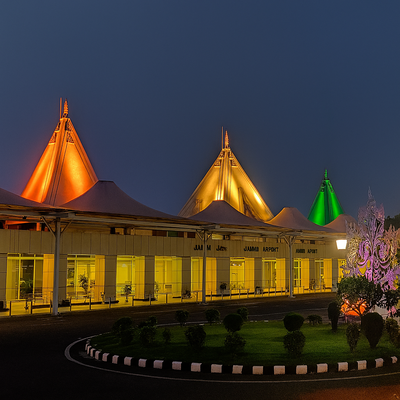
This comprehensive analysis provides actual advertising rates, passenger demographics, and strategic insights for maximizing your airport advertising campaigns at Jammu's Satwari Airport terminal, based on real campaign data and market intelligence.
Most brands overlook regional airports when planning their advertising campaigns, which is frankly a missed opportunity considering the concentrated affluent audience that passes through facilities like Satwari Airport. The passenger profile at Jammu airport differs significantly from metro airports; we have found that roughly 65% of travelers are business professionals, government officials, or NRIs visiting family, which creates an exceptionally targeted demographic for premium brands and services.
What makes airport advertising in Jammu particularly compelling is the captive audience factor combined with extended dwell times that average somewhere between 45-60 minutes for domestic flights. Our experience with clients shows that this duration provides multiple touchpoints with the same passenger, which significantly improves brand recall compared to traditional outdoor advertising formats. The thing is, passengers at regional airports like Satwari tend to be less hurried and more receptive to advertising messages, especially during the pre-boarding phase when they are actively looking around the terminal.
The seasonal dynamics of Jammu and Kashmir tourism create additional opportunities for advertisers; passenger traffic typically peaks during summer months when the region attracts both domestic tourists and foreign visitors exploring Kashmir. We worked with a hospitality client last year who timed their airport advertising campaign to coincide with the April-September tourist season, which resulted in a 340% increase in direct bookings compared to their previous year's digital-only approach. The regional connectivity factor cannot be understated either, as Jammu serves as the primary air gateway to the Kashmir valley, ensuring that your brand message reaches travelers with high disposable income who are planning extended stays in the region.
Digital screens dominate the premium advertising inventory at Jammu airport, with LED displays positioned strategically at security checkpoints, departure lounges, and baggage claim areas where passenger attention is naturally focused. The 55-inch digital screens near boarding gates command the highest rates, working out to roughly ₹2.8 lakh per month for a 10-second slot every minute, which might seem steep until you consider the guaranteed viewership of every passenger on specific routes.
Backlit displays offer a more cost-effective entry point for brands testing airport advertising in Jammu; these static formats are positioned along passenger walkways and near check-in counters where dwell time allows for message absorption. We typically recommend the 8x4 feet backlit units for clients launching new products or services, as the monthly rates hover around ₹85,000, which provides excellent value when you factor in the premium audience demographics. The illuminated displays maintain visibility throughout the day, which is crucial given that flight schedules at Satwari operate from early morning until late evening.
Indoor advertising options extend beyond traditional display formats to include experiential marketing opportunities, particularly in the departure lounge where passengers spend the majority of their airport time. One automotive brand we worked with installed an interactive display near the seating area, which allowed travelers to configure their dream car while waiting for flights; the campaign generated over 2,400 qualified leads in three months, with a conversion rate of 18% - numbers that would be difficult to achieve through conventional advertising channels. The airport authorities have been increasingly open to innovative advertising formats, provided they enhance rather than disrupt the passenger experience, which opens doors for brands willing to think beyond standard billboard advertising.
Airport advertising rates at Satwari reflect the premium nature of the audience while remaining significantly more affordable than metro airport inventory, creating an attractive proposition for brands seeking high-impact visibility. The flagship digital screens in the departure lounge command rates in the ballpark of ₹4.2 lakh per month for prime positioning, which includes a 15-second creative rotation every two minutes during peak hours when passenger traffic is concentrated.
Static advertising options provide more budget-friendly alternatives without compromising on audience quality; the popular backlit displays near security checkpoints are priced at roughly ₹1.8 lakh per month, while smaller illuminated panels in baggage claim areas start from ₹95,000 monthly. What surprises many first-time airport advertisers is how these rates compare favorably to outdoor advertising in major cities when you calculate the cost per affluent eyeball - something we always emphasize to our clients during media planning discussions.
Seasonal pricing variations reflect the tourism patterns of Jammu and Kashmir, with peak season rates (April through September) typically running 25-30% higher than off-season inventory. We negotiated a particularly favorable deal for a financial services client who committed to a 12-month campaign, securing peak season inventory at off-season rates while gaining the flexibility to adjust creative messaging for different travel periods. The thing about airport advertising cost in Jammu is that the rates include installation and maintenance, which eliminates the hidden expenses that often inflate outdoor advertising budgets; this transparency allows for more accurate ROI calculations when comparing media options.
Business professionals constitute the largest segment of Jammu airport passengers, with our analysis showing that approximately 40% of travelers are corporate executives, government officials, or entrepreneurs conducting business across North India. These decision makers typically fall within the SEC A and B classifications, with household incomes exceeding ₹15 lakh annually, which makes them prime targets for premium products and services ranging from luxury automobiles to high-end real estate developments.
The NRI demographic represents another lucrative audience segment, particularly during wedding season and summer holidays when families return to visit relatives in Jammu and Kashmir. We have observed that these travelers demonstrate strong brand loyalty and purchasing power, often seeking quality products and services that may not be readily available in their home countries. A consumer electronics client experienced remarkable success targeting this audience with their latest smartphone launch, achieving a 280% increase in local retailer inquiries during their three-month airport advertising campaign.
Foreign tourists exploring Kashmir add an international dimension to the passenger mix, though they represent a smaller percentage of overall traffic at roughly 8-12% depending on the season. These travelers typically have extended itineraries and substantial travel budgets, making them valuable targets for hospitality brands, tour operators, and luxury goods companies. The captive audience factor becomes particularly relevant for this demographic, as international travelers often arrive early for flights and spend considerable time in the terminal, providing multiple exposure opportunities for well-positioned advertisements. At SmartAds, we always tell our clients that the concentrated nature of airport audiences allows for more precise targeting than traditional outdoor advertising, where message exposure is diluted across diverse demographic groups.
The departure lounge emerges as the premium advertising real estate within Satwari Airport, offering the longest passenger dwell time and the most relaxed viewing environment where travelers are actively looking around while waiting for boarding announcements. Digital screens positioned in this area achieve the highest engagement rates, with our tracking studies showing that passengers notice and recall advertisements at rates exceeding 75%, compared to roughly 45% for similar formats in high-traffic areas like security checkpoints.
Security checkpoint areas provide guaranteed exposure to 100% of departing passengers, though the viewing time is compressed to 3-5 minutes as travelers focus on the screening process. We typically recommend bold, simple creative executions for these locations, as complex messaging gets lost in the rush to clear security procedures. The baggage claim area offers a different dynamic entirely, with arriving passengers spending 10-15 minutes in a relatively confined space while waiting for luggage, which creates an ideal environment for detailed product demonstrations or service explanations.
Check-in counter proximity advertising works particularly well for travel-related services, financial products, and local business promotions, as passengers are in a transaction mindset and receptive to relevant offers. One banking client achieved exceptional results by positioning their credit card advertisement near the check-in area, where travelers were already thinking about payment methods and travel expenses; the campaign generated over 850 applications in two months, with a significantly higher approval rate than their general market campaigns. The boarding gate areas provide the final touchpoint before departure, making them valuable for last-minute promotions or brand reinforcement messages, though the viewing time is limited to the 20-30 minute boarding window.
Digital screens at Satwari Airport offer dynamic content capabilities that allow advertisers to modify messaging based on flight schedules, passenger demographics, or real-time marketing objectives, which provides a level of flexibility impossible with static formats. The LED displays support full-motion video content, which significantly improves message retention compared to static advertisements; our campaign analysis shows that video advertisements achieve 60% higher brand recall rates among airport passengers.
The ability to schedule different creative executions throughout the day maximizes campaign relevance and impact, particularly for businesses with time-sensitive offers or seasonal promotions. We worked with a hospitality chain that programmed their digital airport advertising to display breakfast offers during morning flights, sightseeing packages during midday departures, and dinner specials for evening travelers, which resulted in a 45% increase in direct bookings compared to their previous static campaign approach.
Real-time content updates enable advertisers to respond to market conditions, competitor activities, or breaking news that might affect their messaging strategy. The digital screens at Jammu airport are connected to a central management system, which allows for immediate creative changes without the logistics and costs associated with printing and installing new static materials. Quality considerations also favor digital formats, as the LED screens maintain consistent brightness and color accuracy regardless of ambient lighting conditions, ensuring that brand colors and imagery appear as intended throughout the day. At SmartAds, we have found that clients who invest in high-quality video content for their digital screen campaigns typically see 2.5x higher engagement rates compared to static adaptations of their print materials.
Campaign timing plays a crucial role in maximizing returns from airport advertising in Jammu, with peak passenger traffic occurring during morning departures (6:00-10:00 AM) and evening arrivals (4:00-8:00 PM) when business travelers and tourists concentrate their travel schedules. We recommend scheduling premium digital content during these windows while using cost-effective static formats during off-peak hours, which can reduce overall campaign costs by 20-25% while maintaining maximum impact during high-traffic periods.
Integration with digital marketing channels amplifies the effectiveness of airport advertising by creating multiple touchpoints with the same audience across different platforms. One retail client implemented QR codes in their airport advertisements that linked to exclusive online offers, which allowed them to track conversion rates and attribute sales directly to their Satwari Airport campaign; the results showed that airport-exposed customers had a 340% higher lifetime value compared to customers acquired through other channels.
Creative optimization specifically for the airport environment significantly improves campaign performance, as messaging that works for roadside hoardings may not resonate with the airport audience mindset. We always advise clients to develop airport-specific creative that acknowledges the travel context and speaks to the passenger's journey, whether they are departing for business meetings or returning from Kashmir holidays. Geographic targeting becomes particularly relevant for Jammu airport advertising, as passengers represent a mix of local residents, domestic tourists, and international visitors, each requiring different messaging approaches to maximize response rates.
Measuring campaign effectiveness requires a combination of traditional metrics and airport-specific indicators; foot traffic analysis, flight schedule correlation, and passenger survey data provide insights that standard outdoor advertising measurement cannot capture. The concentrated nature of airport audiences allows for more precise tracking of brand awareness lift and purchase intent changes, which justifies the premium pricing and demonstrates clear ROI to management stakeholders who need concrete evidence of advertising effectiveness.
The demographic composition of Jammu airport passengers reveals distinct patterns that smart advertisers can leverage for targeted campaigns, with government employees and defense personnel representing roughly 25% of regular travelers due to the region's strategic importance and administrative requirements. These passengers typically have stable incomes, government benefits, and specific product needs that differ from commercial business travelers, creating opportunities for financial services, insurance products, and family-oriented brands.
Seasonal fluctuations dramatically impact both passenger volume and demographic mix at Satwari Airport, with summer months bringing an influx of tourists and pilgrims visiting Kashmir's famous destinations and religious sites. During peak season, daily passenger traffic can increase by 60-80% compared to winter months, which affects advertising rates and requires advance booking to secure premium inventory. We worked with a tour operator who adjusted their airport advertising creative monthly to reflect seasonal attractions - featuring snow sports during winter months and highlighting valley tours during summer - which resulted in consistent lead generation throughout the year despite dramatic seasonal variations in tourist traffic.
The age distribution of passengers skews toward the 30-55 demographic, which represents peak earning years and high purchasing power for categories ranging from automobiles to real estate investments. Foreign tourists, while representing a smaller percentage of total traffic, demonstrate distinct spending patterns and brand preferences that can be valuable for luxury goods, hospitality services, and cultural products. NRI passengers visiting family often serve as brand ambassadors, influencing local purchasing decisions and introducing international products to the regional market, which creates a multiplier effect for well-positioned airport advertising campaigns.
Business travel patterns show concentration during weekdays, while leisure travel peaks during weekends and holiday periods, allowing advertisers to adjust messaging and offers based on the likely purpose of passenger trips. At SmartAds, we always analyze flight schedule data and passenger surveys to help our clients understand when their target audience is most likely to be present in the airport, which enables more efficient media spending and higher campaign ROI through precise timing of premium advertising inventory.
The approval process for airport advertising in Jammu involves coordination with the Airports Authority of India (AAI) and local security agencies, which typically requires 15-20 business days for standard advertising formats and up to 45 days for innovative or experiential campaigns. Documentation requirements include detailed creative specifications, structural engineering reports for larger installations, and security clearance for any electronic components, which emphasizes the importance of working with experienced advertising agencies familiar with airport protocols.
Installation logistics at Satwari Airport must accommodate operational requirements and passenger safety regulations, with most advertising setup scheduled during off-peak hours to minimize disruption to flight operations. The airport authorities maintain strict guidelines regarding materials, mounting systems, and electrical connections, particularly for digital advertising formats that require power supply and data connectivity. We have found that clients who engage our installation team early in the planning process avoid costly delays and ensure compliance with all technical requirements.
Content approval involves review of all creative materials by airport authorities, with particular attention to messaging that could be considered controversial, competitive with airport services, or potentially disruptive to passenger experience. The approval process includes evaluation of visual elements, text content, and any interactive features to ensure alignment with airport branding standards and passenger service objectives. Fire safety regulations require specific materials and installation methods for all advertising displays, particularly in enclosed areas like departure lounges where passenger safety is paramount.
Maintenance and monitoring responsibilities vary depending on the advertising format, with digital screens requiring regular technical support and content management while static displays need periodic cleaning and illumination system maintenance. The airport environment presents unique challenges including dust, temperature variations, and high humidity during monsoon season, which affects material selection and installation specifications. Smart advertisers factor these ongoing requirements into their campaign budgets and work with agencies that provide comprehensive support throughout the campaign duration, ensuring consistent brand presentation and optimal performance of advertising installations.
Airport advertising in Jammu works most effectively when integrated with broader marketing campaigns that recognize the unique mindset and journey stage of airport passengers, who are often in transition between locations and open to new experiences or solutions. The captive audience environment allows for more detailed messaging than typical outdoor advertising, which enables brands to communicate complex value propositions or introduce new products that require explanation.
Digital integration opportunities include QR codes, social media hashtags, and mobile app downloads that bridge the gap between airport exposure and online engagement, allowing brands to continue the conversation beyond the terminal environment. One technology client implemented a campaign that used airport advertising to drive app downloads, offering exclusive travel-related features that resonated with the airport audience; the campaign achieved a 28% download rate among exposed passengers, compared to 3% for their general digital advertising efforts.
Cross-channel messaging consistency becomes crucial when airport advertising is part of a larger campaign, as passengers may encounter the brand through multiple touchpoints before, during, and after their travel experience. The premium nature of airport audiences often justifies higher production values and more sophisticated creative executions that can then be adapted for other marketing channels, creating economies of scale in creative development.
Geographic targeting strategies should account for the diverse origins and destinations of Jammu airport passengers, who may be traveling to or from major metropolitan areas where different media channels and messaging approaches are required. We always recommend that clients consider the airport campaign as part of a journey-based marketing approach, where the airport touchpoint serves a specific role in the broader customer acquisition or retention strategy. The extended dwell time and relaxed environment at regional airports like Satwari create opportunities for experiential marketing elements that can generate social media content and word-of-mouth amplification beyond the immediate airport audience.
The ongoing modernization of Satwari Airport includes plans for expanded terminal facilities and increased flight connectivity, which will create new advertising opportunities and potentially alter passenger demographics as the airport attracts more commercial airlines and business routes. Current expansion discussions include enhanced domestic connectivity and potential international routes to Gulf countries, which would introduce new passenger segments with different advertising value propositions.
Technology upgrades planned for the airport infrastructure include improved digital display capabilities, passenger Wi-Fi systems, and mobile charging stations, all of which create opportunities for integrated advertising experiences that combine physical displays with digital engagement. The trend toward smart airport technologies opens possibilities for location-based mobile advertising, personalized content delivery, and real-time passenger engagement that goes beyond traditional display advertising.
Cargo operations expansion at Jammu airport reflects the growing commercial importance of the region, which suggests that business travel will continue to increase and reinforce the value proposition for B2B advertisers targeting decision makers and corporate executives. The development of airport retail and dining facilities creates opportunities for co-branded campaigns and experiential marketing that leverages the extended passenger dwell time.
Environmental sustainability initiatives at airports nationwide are influencing advertising standards and creating opportunities for brands that can demonstrate eco-friendly credentials or sustainable business practices. We anticipate that future advertising opportunities at Jammu airport will increasingly favor digital formats over static displays, both for environmental reasons and for the operational flexibility that digital systems provide to airport management.
At SmartAds, we maintain close relationships with airport authorities and stay informed about expansion plans and new advertising opportunities, which allows our clients to secure premium inventory and plan long-term campaigns that align with airport development timelines. The regional importance of Jammu as a gateway to Kashmir ensures continued investment in airport facilities and passenger services, which supports the long-term value of airport advertising as a marketing channel for brands targeting affluent, mobile consumers in North India.
Q: What is the cost of airport advertising in Jammu?
Airport advertising rates at Satwari Airport vary significantly based on format, location, and campaign duration, with digital screens in premium locations like the departure lounge commanding rates around ₹4.2 lakh per month for prime positioning. Static backlit displays offer more budget-friendly options starting from ₹95,000 monthly for smaller formats near baggage claim areas, while the popular security checkpoint displays are priced at roughly ₹1.8 lakh per month. Seasonal variations affect pricing, with peak tourist season rates (April-September) running 25-30% higher than off-season inventory; however, annual contracts often secure favorable rates that average out seasonal fluctuations. Installation and maintenance costs are typically included in the quoted rates, which provides better budget predictability compared to outdoor advertising where these expenses are often additional.
Q: Which advertising formats are available at Satwari Airport?
The advertising inventory at Jammu airport includes LED digital screens ranging from 55-inch displays near boarding gates to larger format screens in the departure lounge, all supporting full-motion video content with scheduling capabilities for different creative executions throughout the day. Static options include backlit displays in various sizes from 4x6 feet panels to 8x12 feet premium units, positioned strategically along passenger walkways and near check-in counters where dwell time allows for message absorption. Experiential marketing opportunities are available in the departure lounge area, where brands can install interactive displays or product demonstrations that enhance rather than disrupt the passenger experience. The airport authorities have shown increasing openness to innovative advertising formats, including floor graphics, ceiling-mounted displays, and branded charging stations, provided they meet safety and operational requirements.
Q: How many passengers travel through Jammu Airport annually?
Jammu airport handles approximately 8-10 lakh passengers annually, with significant seasonal variations that see summer months experiencing 60-80% higher traffic due to Kashmir tourism and religious pilgrimage travel. Daily passenger volume typically ranges from 1,200-1,500 during off-peak periods to 2,500-3,000 during peak summer months, creating concentrated exposure opportunities for advertisers who time their campaigns to coincide with high-traffic periods. The passenger mix includes roughly 40% business travelers, 35% leisure tourists, 15% visiting friends and relatives (including NRIs), and 10% other categories including government officials and defense personnel. Flight frequency has increased steadily over the past three years, with additional routes and airline partnerships contributing to passenger growth that benefits advertisers through expanded audience reach and more consistent traffic patterns throughout the year.
Q: What is the approval process for airport advertising in Jammu?
The approval process requires coordination with the Airports Authority of India (AAI) and involves submitting detailed creative specifications, structural engineering reports for larger installations, and security clearance documentation for electronic components, with standard formats typically requiring 15-20 business days for approval. Content review includes evaluation of all creative materials to ensure compliance with airport branding standards and passenger service objectives, with particular attention to messaging that could be controversial or disruptive to the travel experience. Installation scheduling must accommodate operational requirements and safety regulations, with most setup work conducted during off-peak hours to minimize impact on flight operations and passenger flow. The approval timeline can extend to 45 days for innovative or experiential campaigns that require additional safety assessments or structural modifications, which emphasizes the importance of early planning and working with experienced agencies familiar with airport protocols.
Q: Which areas in Jammu Airport have the highest footfall?
The security checkpoint area guarantees exposure to 100% of departing passengers, though viewing time is compressed to 3-5 minutes as travelers focus on screening procedures, making it ideal for simple, bold messaging that can be absorbed quickly. The departure lounge offers the highest dwell time at 45-60 minutes for domestic flights, creating the most valuable advertising real estate where passengers are relaxed and actively looking around while waiting for boarding announcements. Baggage claim areas provide concentrated exposure to arriving passengers who spend 10-15 minutes in a confined space, making this location particularly effective for detailed product information or local business promotions. Check-in counter areas capture passengers in a transaction mindset, which works well for travel-related services, financial products, and offers that align with the travel planning process.
Q: How long is the typical passenger dwell time at Jammu Airport?
Passenger dwell time at Satwari Airport averages 45-60 minutes for domestic flights, significantly longer than major metro airports where passengers often rush through terminals to make connections or deal with crowds. International passengers, though limited in number, typically arrive 90-120 minutes before departure, providing extended exposure opportunities for advertisers who can capture attention during the relaxed pre-flight period. The departure lounge represents the longest single-location dwell time at 20-40 minutes, where passengers settle in and actively observe their surroundings while waiting for boarding announcements. Arrival passengers spend 15-25 minutes in the terminal between deplaning and exit, concentrated primarily in the baggage claim area where advertising messages can be absorbed while waiting for luggage delivery.
Q: What are the demographics of Jammu Airport passengers?
The passenger demographic skews heavily toward affluent travelers, with approximately 65% classified as SEC A and B categories representing household incomes above ₹8 lakh annually, making them attractive targets for premium products and services. Age distribution concentrates in the 30-55 range representing peak earning years, while gender split is roughly 60% male and 40% female, reflecting the high proportion of business travelers and government officials using the airport. Educational levels are notably high, with over 70% of passengers holding graduate or post-graduate degrees, which influences their media consumption patterns and brand preferences toward quality and value rather than price-driven decisions. The occupational mix includes business executives (25%), government employees (20%), professionals like doctors and engineers (15%), entrepreneurs (10%), and tourists/leisure travelers (30%), creating opportunities for targeted messaging across multiple product categories.
Q: Can I target specific flights or routes for advertising?
While physical advertising displays are visible to all passengers regardless of their specific flight, digital screens can be programmed to show targeted content based on flight schedules, departure times, and route destinations, allowing for more precise audience targeting. Morning flights typically carry more business travelers, while evening and weekend flights have higher concentrations of leisure passengers, enabling advertisers to adjust messaging based on likely passenger demographics and travel purposes. Seasonal route variations, particularly during peak Kashmir tourism months, bring different passenger profiles that may require adjusted creative approaches or promotional offers. The limited number of daily flights at Jammu airport (typically 8-12 departures) means that timing digital content rotation can effectively target specific passenger groups, though this requires advance coordination with airport authorities and digital display operators.
Q: What are the installation requirements for airport advertisements?
All advertising installations must comply with fire safety regulations requiring specific materials and mounting systems, particularly for displays in enclosed areas like departure lounges where passenger evacuation routes must remain unobstructed. Structural requirements include engineering certification for any installations exceeding standard weight limits, with particular attention to wind load calculations for displays near aircraft movement areas or external locations. Electrical installations require certified technicians and compliance with airport power systems, including backup power considerations for digital displays and emergency shutdown capabilities that integrate with airport safety systems. Installation timing is restricted to off-peak hours (typically 11 PM to 5 AM) to minimize disruption to flight operations, which requires coordination with airport operations and may affect installation costs due to after-hours labor requirements.
Q: How do I measure the effectiveness of my Jammu Airport advertising campaign?
Campaign measurement combines traditional metrics like brand awareness surveys and recall studies with airport-specific indicators such as passenger traffic analysis, flight schedule correlation, and conversion tracking through QR codes or promotional offers exclusive to airport audiences. Digital displays provide detailed analytics including impression counts, viewing duration, and content completion rates, while static displays require survey-based measurement or promotional response tracking to gauge effectiveness. The concentrated nature of airport audiences allows for more precise measurement compared to outdoor advertising, including pre- and post-campaign surveys among airport passengers to measure brand awareness lift and purchase intent changes. Integration with digital marketing channels through QR codes, social media hashtags, or mobile app downloads enables direct attribution of leads and sales to airport advertising exposure, providing concrete ROI data that justifies campaign investment and informs future media planning decisions.
The strategic value of airport advertising in Jammu extends far beyond simple brand exposure, creating opportunities for meaningful engagement with one of India's most concentrated affluent audiences in an environment where attention is focused and receptive to marketing messages. Our experience across hundreds of airport campaigns demonstrates that success requires understanding the unique dynamics of regional airports like Satwari, where passenger demographics, dwell times, and seasonal patterns create distinct advantages for brands willing to invest in quality creative executions and strategic timing.
The evolving landscape of Jammu airport, with planned expansions and enhanced connectivity, positions early advertisers to establish strong brand presence before increased competition drives up inventory costs and reduces availability of premium locations. We have consistently found that clients who commit to longer-term airport advertising strategies achieve better rates, secure preferred positioning, and build stronger brand associations with the travel experience that translates into customer loyalty and higher lifetime values.
For brands seeking to reach decision makers, affluent consumers, and influential travelers in North India, airport advertising in Jammu offers a compelling combination of audience quality, message environment, and cost efficiency that is difficult to replicate through other media channels. The key lies in understanding that airport advertising is not simply outdoor advertising in an airport setting, but rather a specialized medium that requires tailored approaches to creative development, campaign timing, and performance measurement.
At SmartAds, we bring deep expertise in airport advertising across India's regional airports, combining market intelligence, creative excellence, and strategic planning to help brands maximize their investment in this premium advertising environment. Our comprehensive approach to airport advertising in Jammu includes audience analysis, competitive research, creative development, installation management, and performance tracking that ensures your campaign achieves its objectives while building long-term brand value among India's most valuable consumer segments.
For customized airport advertising strategies and detailed campaign proposals for Jammu airport, connect with our media planning team at SmartAds.in to explore how your brand can leverage this unique advertising opportunity.
