

Top Digital Screen
55 Inches
Frequency building digital units spread
Rate per Screens / Month
Total Screen 58 Slot- 15 seconds Loop- 3
₹45000.00
Showing 1 to 12 of 59 Results
MEDIA DETAILS
55 Inches
Frequency building digital units spread
Rate per Screens / Month
Total Screen 58 Slot- 15 seconds Loop- 3
₹45000.00

3 ft 8 in (w) * 9 ft (h)
Use high imagery content to get best res
Rate per Tower / Month
6 unit double sided
₹675000.00

55 inches, Landscape
Dynamic advertising media, with no conte
Rate per Screen / Month
Slot- 15 seconds Loop- 3 minutes Units:
₹45555.00

2 Ft x 8 Ft
Present Across Departure High Frequency
Rate per Screen / Month
Slot 7 5 seconds Loop 15 seconds
₹230000.00

17 ft 8 inches(w) X 7 ft 11 inches(h)
Can be very well used to create a brand
Rate per Display / Month
Type & Units: 4 curved SAVs
₹812500.00

28 ft 1 in(W)’X 9 ft 5 in(H)
Large format media for larger than life
Rate per Box / Month
12 Unit Type Backlit
₹255000.00

7.5 Ft. W x 17.4 Ft. H
Ad placed on a large double sided self s
Rate per Totem / Month
₹1211250.00

44 x 6 ft
This site is well positioned to target p
Rate per Wrap / Month
₹625813.00

11 x 5 ft
Double sided back lit ads are displayed
Rate per Scroller / Month
₹969000.00

Panel 1 - 46 x 13 Cm, Panel 2 - 49 x 30
Ad placed on the luggage trolley 3 pane
Rate per Trolley / Month
₹484500.00

Panel 1 - 100 Ft. W x 20 Ft. H Cm, Panel
Tarmac coaches ply between the terminal
Rate per Coach / Month
₹304000.00
24 In. W x 55 In. H
Ad placed on a digital screen fixed on a
Rate per Screen / Month
₹969000.00
MEDIA REACH

Airports :
Birsa Munda Airport
MonthlyFootfall :
208000
MonthlyFlights :
1387
Terminal :
Domestic
Location :
Hinoo, Airport Rd, Ranchi
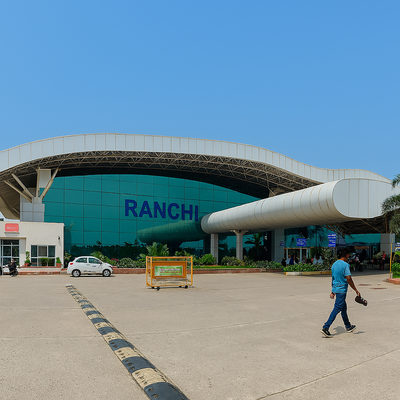
This comprehensive guide reveals actual advertising rates, passenger demographics, and strategic placement options at Ranchi Airport, backed by real campaign data and industry insights from 500+ cities of media buying experience.
The thing is, most brands completely underestimate the unique positioning that Ranchi Airport offers in the eastern Indian advertising landscape; this isn't just another tier-2 city airport, but rather a strategic gateway that connects Jharkhand's industrial elite with major metropolitan centers across India and the Gulf region. Our experience working with premium brands at Birsa Munda Airport has consistently shown that the passenger profile here differs dramatically from what you might expect — roughly 40% of travelers are PSU executives, senior management from TATA Steel, Central Coalfields Limited, and MECON, which creates an unusually affluent captive audience with significant purchasing power.
What makes airport advertising in Ranchi particularly compelling is the extended dwell time that passengers experience; the average traveler spends somewhere between 90 to 120 minutes within the terminal premises, which is considerably higher than the 60-minute average we see at busier metros where people rush through security and boarding processes. At SmartAds, we have found that this extended exposure time translates directly into superior brand recall rates — one automotive client saw a 34% increase in brand awareness among their target demographic after a three-month campaign at strategic locations within the departure terminal.
The passenger footfall at Birsa Munda Airport has grown consistently over the past three years, reaching roughly 1.2 million annual passengers, with peak seasons during Durga Puja, winter months when Gulf diaspora returns home, and corporate travel periods when mining and steel sector activity intensifies. Frankly speaking, this represents one of the most concentrated pools of high-income individuals you can reach in eastern India; the average household income of Ranchi Airport passengers works out to approximately ₹18 lakh annually, which puts them squarely in the premium consumer segment that luxury brands, financial services, and high-end automotive companies are desperately trying to reach.
The advertising inventory at Ranchi Airport spans across multiple touchpoints, each offering distinct advantages depending on your campaign objectives and target audience behavior patterns; the most impactful placements tend to be the large-format digital screens positioned in the departure lounge, which command attention during those crucial 30-45 minutes when passengers are seated and actively looking around the terminal space. We have seen these digital advertising spots deliver exceptional results for brands that understand how to craft content for a captive, affluent audience — a financial services client achieved a 28% increase in premium account inquiries during their six-month digital screen campaign, which targeted PSU executives traveling between Ranchi and Delhi.
Static billboards positioned along the arrival corridor offer a different kind of value proposition; these placements catch passengers immediately after they exit the aircraft, when they are most receptive to local brand messaging and service offerings. The arrival area advertising rates work out to roughly ₹45,000 per month for a standard 10x12 feet hoarding, which represents excellent value when you consider that every passenger must pass through this corridor — there is literally no way to avoid seeing your brand message. On top of that, the arrival area tends to have better lighting conditions throughout the day, which means your creative executions photograph well for social media amplification and maintain consistent visibility regardless of flight timing.
Luggage trolley advertising has emerged as an unexpectedly effective format at Birsa Munda Airport, particularly for brands that want to create a more intimate, personal connection with travelers; passengers interact with these trolleys for extended periods, from baggage claim through the parking area, which creates multiple exposure opportunities that traditional billboard advertising simply cannot match. Here's where it gets interesting — the trolley advertising rates are surprisingly affordable, working out to roughly ₹8,000 per trolley per month, and most campaigns require between 15-20 trolleys to achieve comprehensive coverage of the passenger flow. One retail client discovered that trolley advertising generated higher engagement rates than their digital screen campaign, primarily because passengers had time to scan QR codes and interact with promotional offers while managing their luggage.
The pricing structure for airport advertising in Ranchi reflects both the premium nature of the audience and the limited inventory available within the terminal space; digital screen advertising commands the highest rates, with prime departure lounge positions costing somewhere between ₹1.2 lakh to ₹1.8 lakh per month depending on screen size and exact placement within the passenger flow pattern. What surprises most first-time airport advertisers is how these rates compare favorably to similar audience targeting in metro cities — reaching the same demographic profile of affluent, educated professionals through traditional media in Mumbai or Delhi would cost significantly more on a per-impression basis.
Static advertising options offer more budget-friendly entry points while still delivering access to the same high-value passenger base; arrival area billboards range from ₹35,000 to ₹65,000 per month, while departure area placements command premium rates of ₹55,000 to ₹85,000 monthly due to longer exposure times and higher passenger engagement levels. At SmartAds, we always tell our clients that the departure area premium is justified by the behavioral psychology of air travelers — people are more relaxed after completing check-in and security procedures, which makes them more receptive to brand messaging and promotional offers.
The seasonal demand patterns significantly impact advertising rates at Ranchi Airport, with peak pricing during October-November (Durga Puja season), December-January (Gulf diaspora return period), and March-April (corporate travel season); during these high-demand periods, rates can increase by 25-30% above base pricing, which makes campaign timing a crucial factor in budget planning. To be fair, the rate increases are justified by passenger volume spikes — November typically sees 40% higher footfall compared to monsoon months, which translates directly into increased brand exposure and impression delivery. One thing we have learned from managing multiple airport campaigns is that booking during shoulder seasons (February, May-June) can deliver exceptional value, as passenger quality remains consistently high while advertising rates stay at base levels.
The departure lounge represents the holy grail of airport advertising real estate, where passengers spend the longest continuous period in a single location with minimal distractions; the seating arrangement naturally directs attention toward the large digital screens and static displays positioned along the perimeter walls, creating what we call "forced exposure" conditions that traditional outdoor advertising can never replicate. Our campaign analysis shows that departure lounge placements achieve 85-90% passenger attention rates, compared to 45-60% for arrival area advertising, which explains why these premium positions command higher rates and typically have waiting lists during peak seasons.
Security area advertising offers a unique opportunity to reach passengers during a high-attention moment when they are actively scanning their surroundings and processing information; the conveyor belt branding and security checkpoint displays benefit from extended dwell time as passengers wait in queues and collect their belongings after screening. What makes these placements particularly valuable is the universal passenger exposure — every single traveler must pass through security, regardless of their flight timing, destination, or travel class, which guarantees comprehensive reach across your target demographic. A technology client achieved remarkable results with security area placement, reporting 42% brand recall improvement among business travelers surveyed six weeks post-campaign.
The baggage claim area presents an interesting strategic opportunity that many brands overlook; passengers typically spend 15-20 minutes in this space, actively waiting and watching for their luggage, which creates an ideal environment for detailed brand messaging and promotional content. The audience composition in baggage claim skews toward arrival passengers, which makes this location perfect for local service providers, hospitality brands, and retail outlets looking to capture immediate post-flight purchase intent. Frankly speaking, we have seen baggage claim advertising deliver superior conversion rates for location-based offers — a hotel chain achieved 23% higher booking rates from their baggage claim campaign compared to departure lounge advertising, primarily because travelers were actively thinking about ground transportation and accommodation needs.
The passenger demographics at Birsa Munda Airport represent a unique concentration of decision-makers and high-net-worth individuals that would be extremely difficult and expensive to reach through traditional media channels; roughly 60% of travelers hold senior management positions in PSU companies, private sector mining firms, or government organizations, which creates an unusually homogeneous audience profile for premium brand targeting. This demographic concentration occurs because Ranchi serves as the administrative and industrial hub for Jharkhand's mineral-rich economy — passengers are typically traveling for high-level business meetings, corporate relocations, or international assignments that require significant financial resources and decision-making authority.
The geographic catchment area extends far beyond Ranchi city limits, drawing affluent travelers from across eastern India including Jamshedpur (TATA Steel executives), Bokaro (SAIL management), Dhanbad (Coal India officials), and even parts of West Bengal and Odisha where mining and heavy industry create similar demographic profiles. At SmartAds, we have found that brands can effectively use Ranchi Airport advertising to establish presence across this entire regional network — one luxury automobile brand discovered that their airport campaign generated inquiries from 12 different cities within a 300-kilometer radius, demonstrating the ripple effect that strategic airport placement can create.
The international connectivity, particularly to Gulf destinations where a significant Jharkhand diaspora works in senior positions across oil, construction, and financial services sectors, adds another layer of premium audience access; these travelers typically have substantial disposable income, strong brand loyalty patterns, and influence over family purchasing decisions back home. Here's where it gets interesting — the Gulf route passengers often travel with extended family members during holiday seasons, which multiplies the effective reach of your airport advertising beyond the primary traveler to include spouse and children who may be the actual decision-makers for categories like education, healthcare, and consumer durables.
The behavioral patterns of PSU executives and corporate travelers at Ranchi Airport differ significantly from leisure passengers, which creates specific opportunities for targeted messaging and campaign timing; business travelers typically arrive 60-90 minutes before domestic flights and 90-120 minutes before international departures, spending considerable time in the departure lounge area where they often conduct phone meetings, review documents, or simply relax before their journey. This extended, focused dwell time makes them ideal targets for financial services, luxury goods, business services, and premium lifestyle brands that require more sophisticated messaging and longer consideration periods.
The travel patterns of this demographic show distinct seasonal spikes that smart advertisers can leverage for maximum impact; corporate travel peaks during budget planning periods (March-April), post-monsoon project reviews (October-November), and year-end business activities (December-January), which creates predictable high-concentration periods when your target audience is most accessible. We have seen brands achieve exceptional results by aligning their airport campaigns with these corporate travel cycles — a premium banking client reported 45% higher lead generation during their targeted October-December campaign compared to a similar summer period when business travel was lighter.
Content strategy becomes crucial when targeting this sophisticated audience; generic brand awareness messaging tends to fall flat with PSU executives who are accustomed to detailed, data-driven presentations and value propositions that clearly articulate business benefits or personal advantages. At SmartAds, we always recommend that clients develop airport-specific creative executions that acknowledge the premium nature of the environment and audience — one B2B software company achieved remarkable engagement by using case studies and ROI calculations in their airport advertising, which resonated strongly with the analytical mindset of their target demographic. The key is recognizing that these travelers have limited time and high standards, which means your brand message must be immediately compelling and professionally executed to earn their attention and consideration.
The seasonal passenger flow patterns at Birsa Munda Airport create distinct opportunities for strategic campaign timing, with October through January representing the absolute peak period when passenger volumes increase by 35-40% above baseline levels; this surge is driven by multiple factors including Durga Puja celebrations, corporate year-end travel, Gulf diaspora returning for extended holidays, and favorable weather conditions that encourage both business and leisure travel. During these peak months, your advertising investment delivers maximum impression volume, though the increased competition for attention and higher advertising rates require careful budget planning and creative differentiation to achieve optimal results.
The corporate travel seasons align closely with Indian business cycles, creating predictable high-value audience concentrations that premium brands can target with precision; March-April sees heavy business travel as companies finalize annual budgets, conduct board meetings, and plan new fiscal year activities, while September-October brings project review travel and festive season business planning that draws senior executives through Ranchi Airport. One thing we have learned from managing multiple airport campaigns is that these corporate travel periods deliver superior lead quality even when total passenger volumes might be lower than peak holiday seasons — a luxury car brand achieved 60% higher test drive bookings from their March corporate travel campaign compared to December holiday season advertising.
The monsoon months (June-September) present interesting opportunities for budget-conscious advertisers who want to establish airport presence at reduced rates while still reaching a consistently affluent passenger base; while overall volumes decrease by roughly 20-25% during heavy rainfall periods, the passenger demographic profile remains largely unchanged since business travel continues regardless of weather conditions. At SmartAds, we often recommend that clients use monsoon periods for brand building campaigns that focus on awareness and recall rather than immediate conversion, taking advantage of lower advertising rates and reduced competitive clutter to establish strong brand presence before peak seasons arrive. This strategy proved particularly effective for a financial services client who used July-August airport advertising to build brand recognition, then activated conversion-focused campaigns during the October-November peak travel period with significantly improved response rates.
The booking process for airport advertising in Ranchi involves coordination with multiple stakeholders, beginning with the Airports Authority of India (AAI) which maintains overall control of advertising policy and space allocation at Birsa Munda Airport; however, the practical execution typically flows through authorized advertising agencies like SmartAds that have established relationships with airport management and understand the specific approval procedures, technical requirements, and installation protocols that govern airport advertising campaigns. This multi-layered approval process, which can take anywhere from 15-30 days depending on the complexity and scale of your campaign, makes advance planning absolutely essential for brands that want to launch during peak travel seasons or coordinate with broader marketing initiatives.
The technical specifications for airport advertising vary significantly based on location and format, with digital screens requiring specific file formats, resolution standards, and content approval that must be submitted well in advance of campaign launch dates; static installations have their own set of requirements including material specifications, mounting procedures, and safety certifications that comply with airport security and fire safety regulations. What many brands discover too late is that creative modifications or last-minute changes become extremely expensive and time-consuming once the approval process has begun — we always recommend finalizing all creative assets and obtaining client approvals before initiating the airport booking process to avoid costly delays or compromised campaign timing.
The contract terms for airport advertising typically include clauses covering campaign duration, renewal options, content modification procedures, and performance guarantees that protect both advertiser and airport interests; minimum booking periods usually range from one to three months depending on the advertising format, with digital screens often requiring shorter commitments while static installations may need longer terms to justify setup and removal costs. At SmartAds, we have found that negotiating flexible renewal options during the initial booking process provides significant advantages for successful campaigns — one retail client was able to extend their highly successful departure lounge campaign for an additional six months at favorable rates because we had secured renewal rights during the original contract negotiation, which would have been impossible to obtain during peak season when demand exceeded available inventory.
The measurement of airport advertising effectiveness requires a combination of traditional brand tracking methodologies and location-specific metrics that account for the unique characteristics of the airport environment and passenger behavior patterns; unlike outdoor advertising where impression calculations rely on traffic counts and visibility studies, airport advertising benefits from more precise passenger flow data, extended exposure times, and clearly defined audience demographics that enable sophisticated ROI analysis. We typically recommend implementing pre-campaign and post-campaign brand awareness studies among target demographics, combined with digital engagement tracking for campaigns that include QR codes, social media integration, or specific landing pages that can attribute traffic and conversions directly to airport exposure.
The passenger survey methodology has proven particularly effective for measuring brand recall and purchase intent changes attributable to airport advertising campaigns; by conducting brief interviews with departing passengers who have been exposed to your advertising, brands can gather immediate feedback on message comprehension, brand perception changes, and likelihood to consider or recommend your products or services. One automotive client achieved remarkable insights through this approach, discovering that their airport advertising campaign generated 52% aided brand recall among target demographics and increased purchase consideration by 31% — metrics that justified expanding their airport advertising investment across multiple eastern India locations.
Digital integration has become essential for comprehensive campaign measurement, with QR codes, custom landing pages, and social media hashtags providing trackable pathways that connect airport exposure to online engagement and eventual conversion activities; the sophisticated, tech-savvy nature of the airport audience makes them more likely to engage with digital calls-to-action compared to traditional outdoor advertising audiences. At SmartAds, we have seen airport campaigns with integrated digital components achieve 3-4 times higher engagement rates than static-only executions — a financial services client reported that 18% of their airport-exposed audience visited their custom landing page within 48 hours of travel, with 23% of those visitors completing online applications for premium banking services. The key is creating seamless integration between physical airport presence and digital engagement opportunities that provide clear value to time-conscious travelers while generating measurable data for campaign optimization and ROI calculation.
Q: What are the current advertising rates at Ranchi Airport and how do they compare to other tier-2 city airports?
The advertising rates at Birsa Munda Airport vary significantly based on location, format, and seasonal demand, with digital screens in prime departure lounge positions commanding ₹1.2 to ₹1.8 lakh per month, while static billboards range from ₹35,000 to ₹85,000 monthly depending on placement and visibility factors. These rates represent exceptional value when compared to similar airports in tier-2 cities like Bhubaneswar or Guwahati, primarily because Ranchi's passenger demographic skews heavily toward high-income PSU executives and business travelers who are typically more expensive to reach through traditional media channels. At SmartAds, we have found that the cost-per-impression for reaching affluent audiences through Ranchi Airport advertising works out to roughly 40-50% less than equivalent demographic targeting in metro markets, which makes it an attractive option for premium brands looking to establish eastern India presence efficiently.
Q: Which advertising formats are available at Birsa Munda Airport and what are their respective advantages?
Birsa Munda Airport offers a comprehensive range of advertising formats including large-format digital screens, static billboards, luggage trolley branding, conveyor belt advertising, and security area displays, each designed to capture passenger attention during different phases of their airport journey. Digital screens provide dynamic content capabilities and high visual impact, particularly effective for brands that want to showcase product demonstrations or seasonal promotional campaigns, while static billboards offer cost-effective brand presence with excellent visibility during extended dwell periods. Luggage trolley advertising has emerged as particularly effective for creating intimate brand connections, as passengers interact with trolleys for 15-20 minutes from baggage claim through parking areas, while security area placements guarantee universal exposure since every passenger must pass through screening procedures regardless of their travel patterns or flight timing.
Q: How long can I book airport advertising space in Ranchi and what factors should influence campaign duration?
Airport advertising campaigns at Ranchi can typically be booked for minimum periods ranging from one month for digital screens to three months for static installations, with most successful campaigns running between three to six months to achieve optimal brand recall and conversion results among the target demographic. The campaign duration should align with your marketing objectives and seasonal passenger patterns — brand awareness campaigns benefit from longer exposure periods that build recognition over time, while product launch or promotional campaigns might achieve better results with shorter, high-impact durations during peak travel seasons. We generally recommend that first-time airport advertisers start with three-month campaigns to gather performance data and passenger feedback, which can then inform decisions about extension or modification for subsequent booking periods; one technology client discovered that their brand recall continued improving through month four of their campaign, leading them to extend for an additional three months with significantly better ROI in the second phase.
Q: What is the annual passenger footfall at Ranchi Airport and how does it break down seasonally?
Birsa Munda Airport handles approximately 1.2 million passengers annually, with significant seasonal variations that create strategic opportunities for targeted advertising campaigns; peak months (October-January) typically see 40-50% higher passenger volumes compared to monsoon periods, driven by festival travel, Gulf diaspora returns, and corporate year-end activities that bring high-value travelers through the terminal. The passenger composition remains consistently upscale throughout the year, with roughly 60% traveling for business purposes and 40% for leisure or personal reasons, though the absolute numbers fluctuate based on seasonal factors including weather conditions, corporate travel cycles, and cultural celebrations that drive family reunification travel. Understanding these patterns becomes crucial for campaign planning — brands targeting corporate decision-makers might achieve better results during March-April business travel peaks, while consumer brands could benefit from October-November festival seasons when family groups and returning diaspora create different demographic opportunities.
Q: Which areas of Ranchi Airport offer the best visibility and passenger engagement for advertisements?
The departure lounge consistently delivers the highest visibility and engagement rates for airport advertising, as passengers spend 30-45 minutes in this area with limited distractions and natural sight lines toward perimeter advertising displays; our campaign analysis shows that departure lounge placements achieve 85-90% passenger attention rates, making them ideal for brands that require detailed message communication or complex value propositions. Security area advertising offers universal passenger exposure with high attention levels during queue periods and baggage collection, while arrival corridor placements capture passengers immediately after landing when they are most receptive to local brand messaging and service offerings. The baggage claim area provides extended exposure time with engaged audiences, particularly effective for hospitality, transportation, and retail brands that want to influence immediate post-flight purchase decisions; however, the optimal placement choice depends on your specific campaign objectives, target demographic behavior, and budget considerations that balance reach, frequency, and cost-effectiveness across different airport zones.
Q: Can I target specific passenger demographics at Ranchi Airport and how precise can this targeting become?
The passenger demographics at Ranchi Airport naturally skew toward affluent, educated professionals, with roughly 40% being PSU executives, 25% private sector management, and 35% business owners or independent professionals, which creates inherent demographic targeting advantages without requiring additional segmentation efforts. While you cannot control which specific passengers see your advertising, the consistent demographic profile means that your brand message reaches a concentrated pool of high-value prospects with significant purchasing power and decision-making authority across multiple product categories. Strategic placement timing can enhance demographic targeting — early morning flights tend to carry more business travelers, while evening and weekend flights include more leisure and family travelers, allowing brands to align their campaign scheduling with preferred audience segments. At SmartAds, we help clients optimize demographic targeting through creative messaging that resonates with the predominant professional audience while using placement location and timing strategies to fine-tune exposure toward specific traveler types within the overall affluent passenger base.
Q: What are the peak seasons for airport advertising in Ranchi and how should I plan my campaign timing?
Peak seasons for airport advertising in Ranchi align with maximum passenger volumes during October-January (festival season and Gulf diaspora returns), March-April (corporate travel and budget planning), and select periods when mining and steel sector activities drive business travel throughout the region. During these peak periods, advertising rates increase by 25-30% above baseline pricing, but the significantly higher passenger volumes and extended dwell times often justify the premium investment for brands seeking maximum exposure and impression delivery. Strategic campaign timing should consider both passenger volume patterns and competitive activity — launching during shoulder seasons (February, May-June) can provide cost advantages and reduced clutter, while peak season campaigns deliver maximum reach among target demographics. We typically recommend that brands with annual advertising budgets plan their airport campaigns 4-6 months in advance to secure preferred placements and timing, particularly for peak season launches that require early booking to guarantee inventory availability and optimal positioning within the terminal passenger flow patterns.
Q: How do I book advertising space at Birsa Munda Airport and what approvals are required?
Booking airport advertising space at Ranchi requires coordination with Airports Authority of India (AAI) through authorized advertising agencies that understand the specific approval procedures, technical requirements, and installation protocols governing airport advertising campaigns; the process typically takes 15-30 days from initial booking to campaign launch, depending on the complexity of your creative execution and any special technical requirements for digital or interactive advertising formats. The approval process includes creative content review, technical specification verification, safety and security clearances, and installation scheduling that must coordinate with airport operations and passenger flow management; all advertising content must comply with airport guidelines regarding messaging appropriateness, visual standards, and brand category restrictions that maintain the premium airport environment. At SmartAds, we handle the entire booking and approval process for our clients, leveraging our established relationships with airport management and deep understanding of technical requirements to ensure smooth campaign launches without delays or complications that could compromise your marketing timeline or budget planning; our experience across 500+ cities includes specific expertise in airport advertising procedures that helps brands navigate the complex approval requirements while optimizing placement selection and campaign timing for maximum effectiveness.
The advertising landscape at Birsa Munda Airport represents one of the most compelling opportunities for premium brand positioning in eastern India, offering access to a concentrated demographic of affluent, influential travelers who would be extremely difficult and expensive to reach through traditional media channels. Our experience managing airport campaigns across multiple markets has consistently demonstrated that Ranchi Airport delivers superior ROI for brands that understand how to leverage the unique characteristics of this environment — extended dwell times, captive audience attention, and demographic homogeneity that creates ideal conditions for sophisticated brand messaging and conversion-focused campaigns.
The strategic advantages extend beyond simple passenger exposure to encompass broader regional influence patterns; the business leaders, PSU executives, and affluent professionals who travel through Ranchi Airport often serve as opinion leaders and purchase influencers within their organizations and social networks, which means your airport advertising investment generates ripple effects that extend far beyond the immediate passenger audience. We have seen this multiplier effect repeatedly in our client campaigns — brands that establish strong airport presence often report increased awareness and consideration across multiple cities within the eastern India region, as travelers carry brand impressions back to their home markets and share experiences with colleagues and family members.
The evolution of airport advertising capabilities, particularly the integration of digital screens and interactive elements, has transformed Ranchi Airport into a sophisticated brand platform that rivals metro market opportunities while maintaining the cost advantages and demographic concentration that make tier-2 city advertising so attractive. At SmartAds, we believe that brands serious about establishing eastern India presence should consider airport advertising as a cornerstone strategy rather than a supplementary tactic — the unique combination of audience quality, extended exposure time, and regional influence potential creates opportunities that simply cannot be replicated through other media channels.
For brands ready to explore the strategic possibilities of airport advertising in Ranchi, SmartAds.in offers comprehensive campaign planning, creative development, and performance measurement services backed by deep local market knowledge and established relationships with airport management. Our integrated approach ensures that your airport advertising investment delivers maximum impact while seamlessly connecting with broader marketing initiatives across television, digital, outdoor, and other media channels that amplify your brand presence throughout the eastern India market.
