
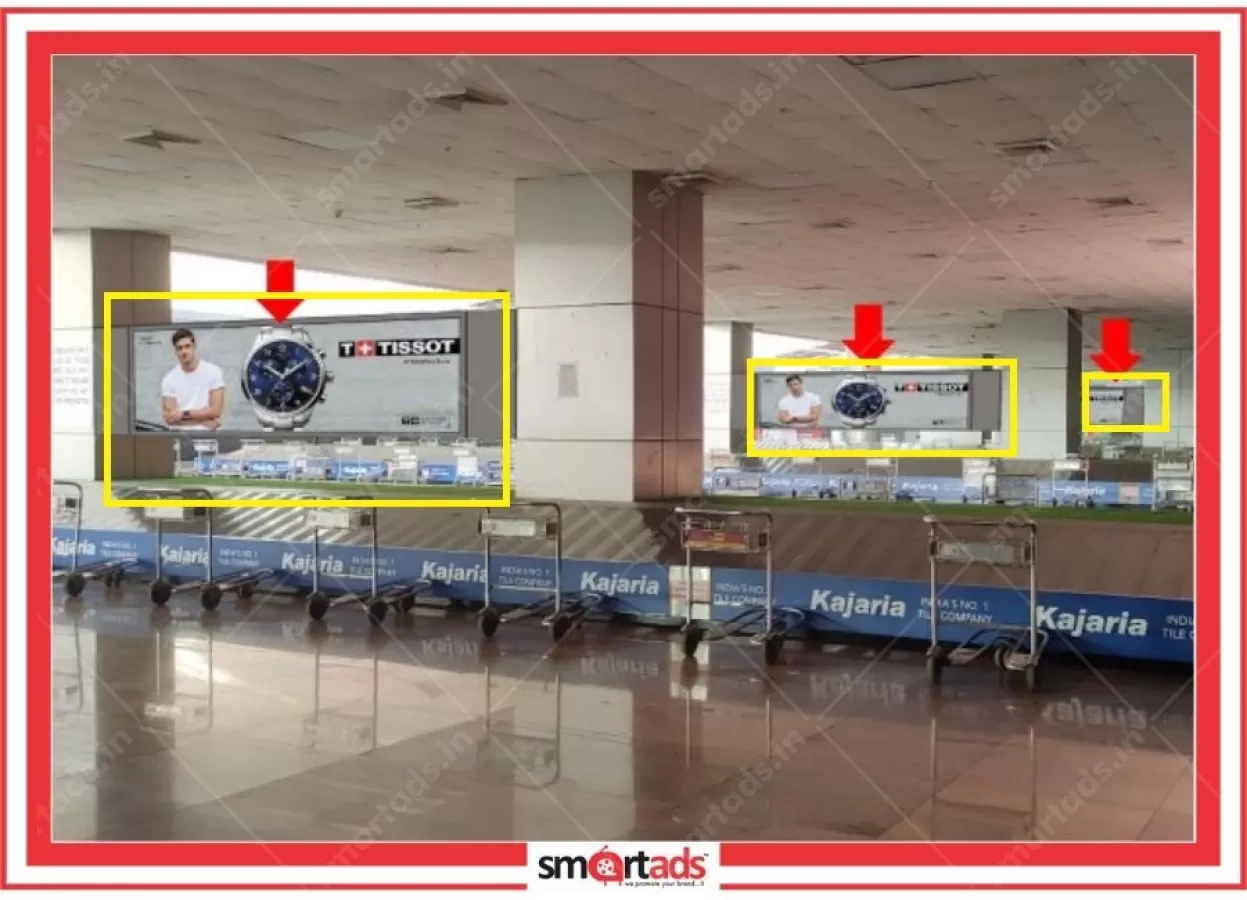
Digital Screen
1536 x 432 in pixels
These digital screens are strategically
Rate per Screen / Month
Domestic + International Baggage Claim A
₹140000.00
Showing 1 to 7 of 7 Results
MEDIA DETAILS
1536 x 432 in pixels
These digital screens are strategically
Rate per Screen / Month
Domestic + International Baggage Claim A
₹140000.00
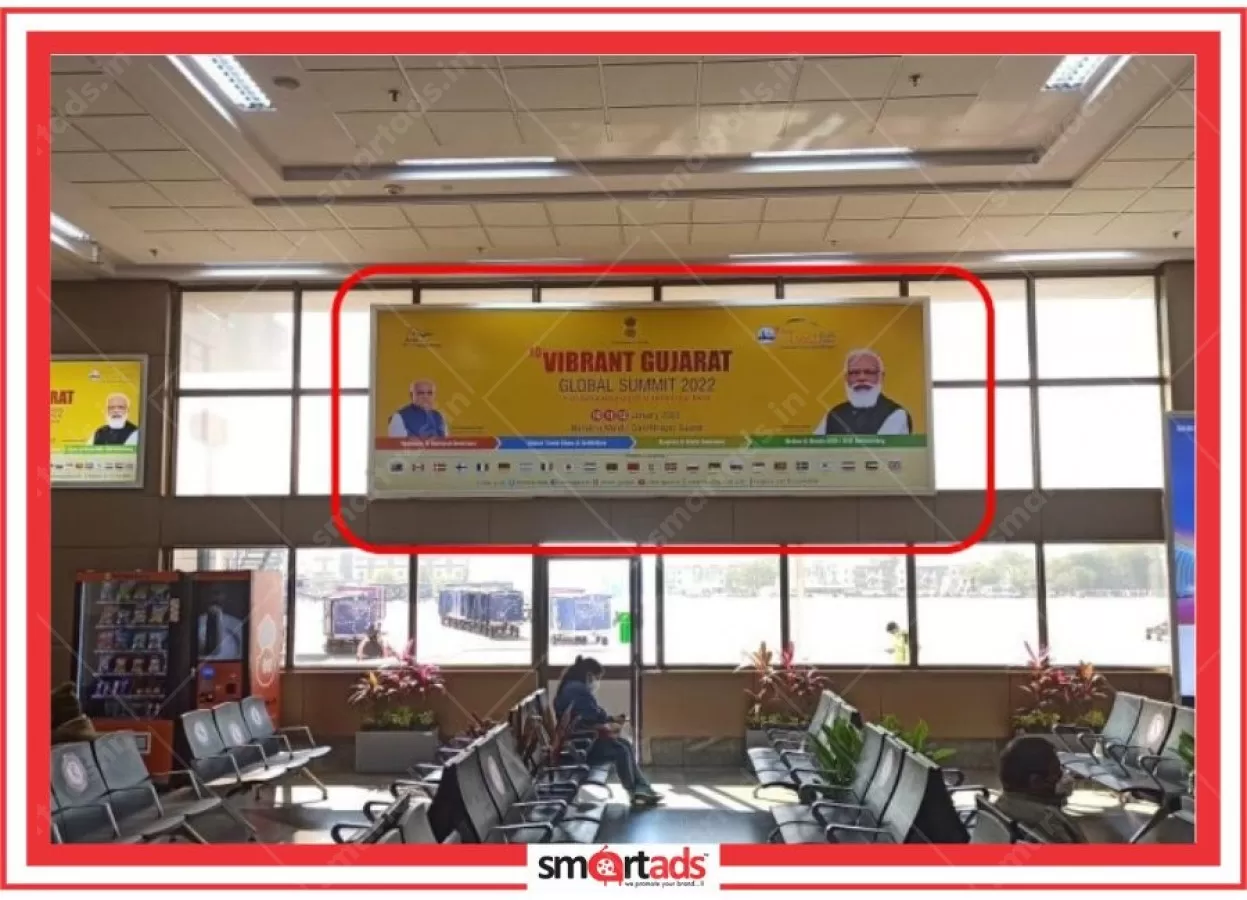
W18 Ft x H6 Ft
This media unit is located in the Domest
Rate per Box / Month
Back Lit Wall Mount Unit at Domestic Dep
₹700000.00
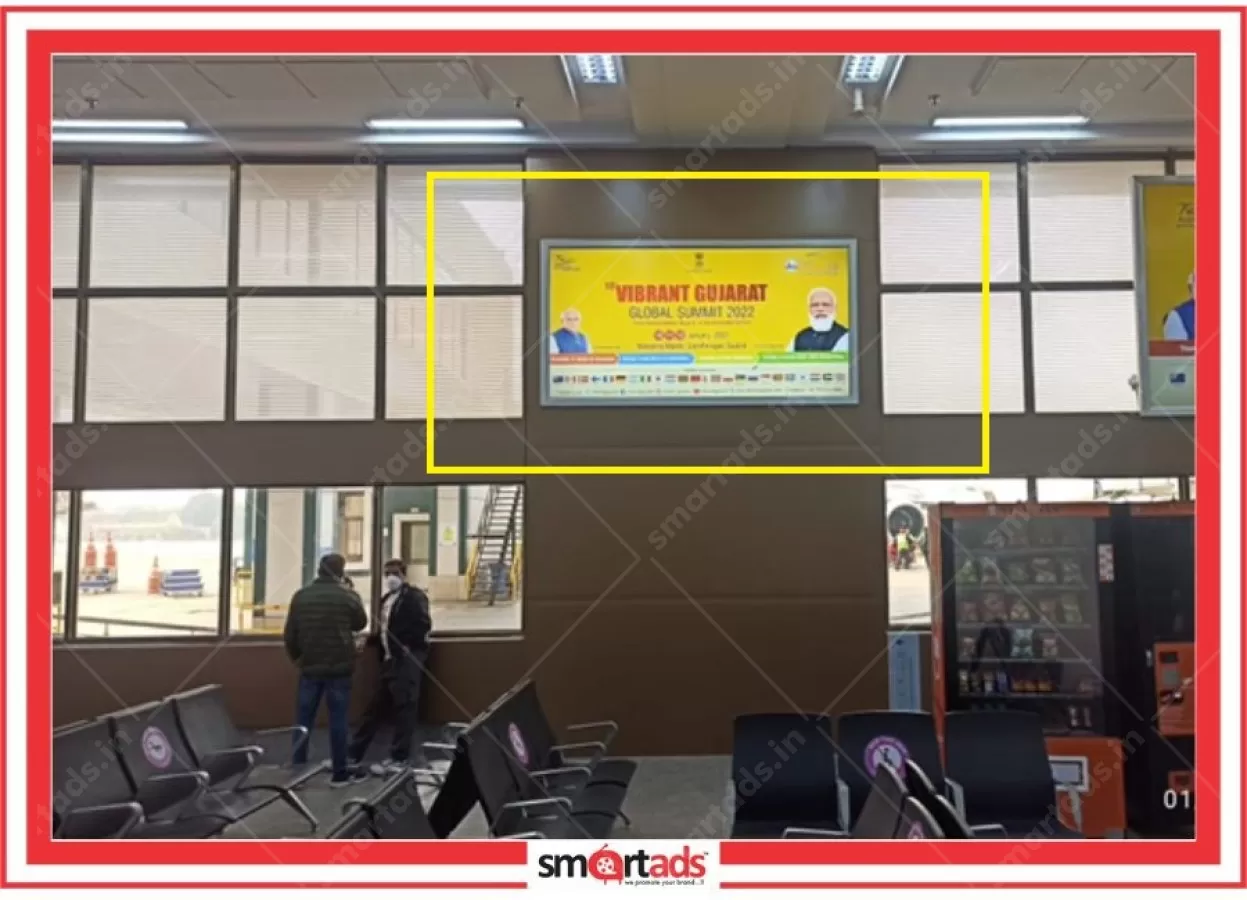
W8 Ft x H4 Ft
These media units are located at the Dom
Rate per Box / Month
Back Lit Unit 2 Wall Mount Units Domesti
₹300000.00
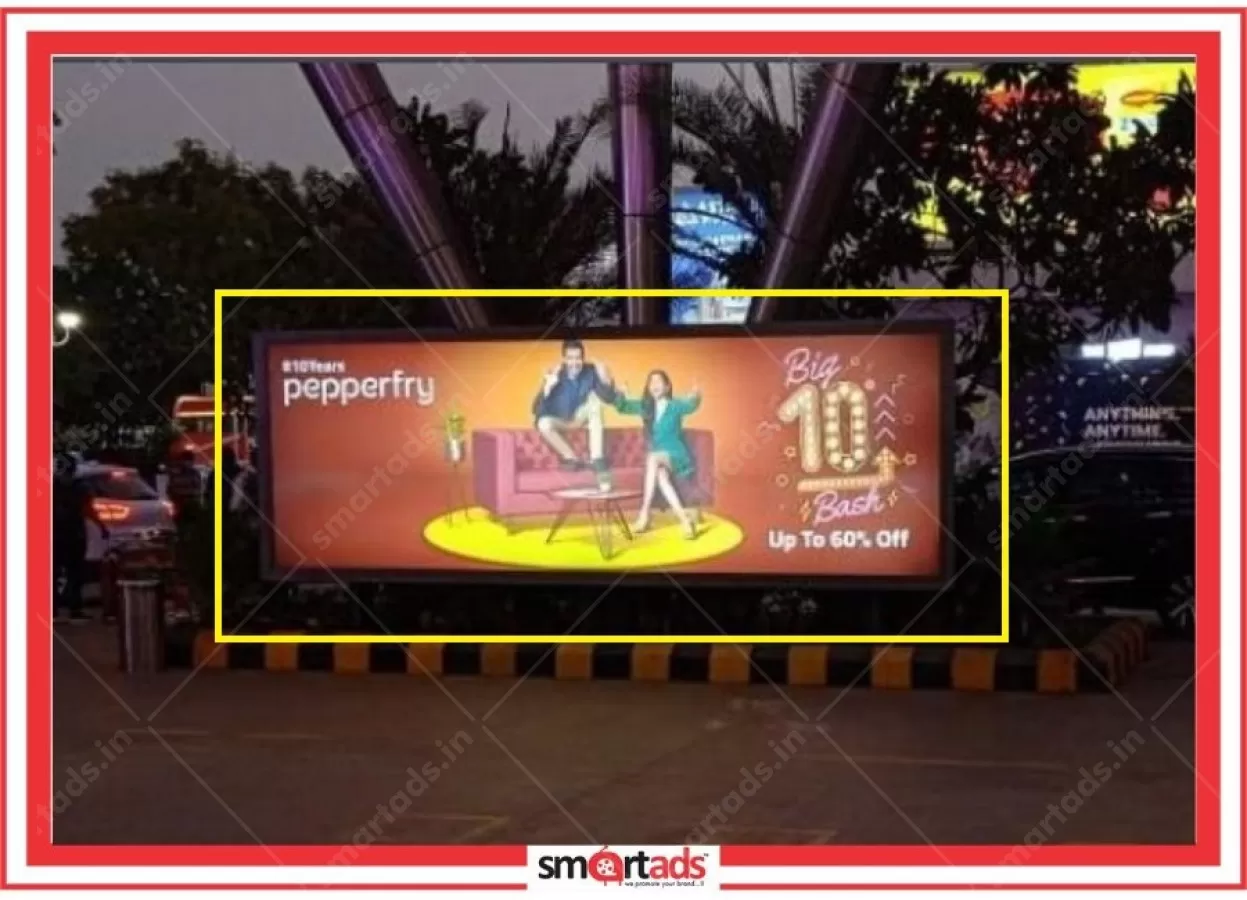
W18 Ft x H6 Ft
This media unit has head-on visibility a
Rate per Board / Month
Back Lit Billboard at Domestic Terminal
₹600000.00

W20 Ft x 10H Ft
This media unit has head-on visibility a
Rate per Board / Month
Back Lit Billboard at Airport Access Ro
₹600000.00

1 Ft. W x 1.5 Ft. H
Ad placed on the Luggage Trolley
Rate per Trolley / Month
₹475000.00

Panel 1 - 100 x 20 Cm, Panel 2 - 90 x 18
Tarmac coaches ply between the terminal
Rate per Coach / Month
₹161500.00
MEDIA REACH

Airports :
Jay Prakash Narayan International Airport (Patna)
MonthlyFootfall :
417000
MonthlyFlights :
2780
Terminal :
Domestic & International
Location :
Shaheed Peer Ali Khan Marg, Patna, Bihar
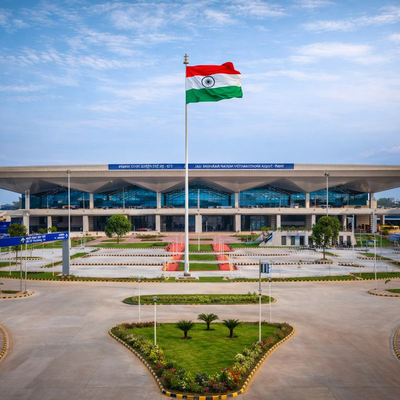
This comprehensive guide provides detailed pricing benchmarks, passenger demographics, and strategic insights for airport advertising at Jay Prakash Narayan Airport, based on real campaign data from Bihar's busiest aviation hub.
The thing is, most advertisers completely underestimate the potential of Patna airport advertising when they are planning their Bihar market entry; we have found that brands which invest in jayprakash narayan international airport advertising consistently outperform their outdoor advertising benchmarks by margins that frankly surprise even seasoned media planners. The airport serves as Bihar's primary gateway, which means every passenger passing through represents either a high-value local consumer or an NRI with significant spending power — demographics that are notoriously difficult to reach through traditional outdoor advertising in smaller cities.
What makes patna airport advertising particularly compelling is the captive audience factor, which creates dwell times that average somewhere between 45 to 90 minutes depending on domestic versus international departures. Our experience shows that this extended exposure period allows for brand messaging that goes beyond simple awareness; we have tracked campaigns where passengers actually engaged with QR codes and promotional offers at rates exceeding 12%, which is remarkable for any outdoor advertising format. The passenger footfall at Jay Prakash Narayan Airport has grown consistently, with roughly 2.8 million passengers annually, and this number includes a disproportionate share of business travelers and gulf NRI families who represent premium audience segments.
To be fair, the real advantage lies in the fact that airport advertising reaches audiences during what we call "decision-making moments" — travelers who are either heading out for business deals, family visits, or returning with fresh purchasing power. One retail client we worked with discovered that their patna airport advertising campaign generated brand recall scores that were 340% higher than their concurrent billboard advertising in the city; the campaign targeted NRI passengers during Chhath Puja season, which demonstrates how strategic timing can amplify the effectiveness of airport media placements.
Terminal advertising at Jayprakash Narayan International Airport offers a diverse inventory that caters to different budget ranges and campaign objectives, though what most brands miss is that the highest-impact placements are not necessarily the most expensive ones. Digital screens positioned near security checkpoints deliver exceptional brand visibility because passengers are required to wait in these areas; the dwell time works out to roughly 8-12 minutes per passenger, which allows for multiple message exposures within a single journey.
Baggage belt advertising represents one of the most underutilized formats at patna airport, and frankly speaking, this surprises us because the arrival area provides access to passengers when they are most relaxed and receptive to brand messaging. The conveyor belt branding covers both domestic terminal and international flights, which means advertisers can target the complete spectrum of passenger demographics; we have seen FMCG brands achieve remarkable success with this format because families collecting luggage often discuss travel experiences and purchases, creating natural word-of-mouth amplification. The advertising cost for baggage belt placements works out to approximately ₹45,000 per month for a standard-sized branding panel, which delivers roughly 85,000 passenger impressions.
Lounge advertising and boarding gates represent premium advertising opportunities that specifically target business travelers and frequent flyers, demographics which command higher advertising rates but deliver proportionally better ROI for luxury brands and B2B services. The departure lounge installations include both static displays and LED displays, with the digital formats commanding rates that are roughly 60% higher than traditional vinyl applications; however, the flexibility to update messaging and run seasonal campaigns often justifies this premium for brands with dynamic promotional calendars. Trolley branding remains popular because it extends brand exposure beyond the terminal complex, though the effectiveness varies significantly based on the creative execution and seasonal passenger patterns.
Airport advertising rates at Jayprakash Narayan International Airport operate on a tiered pricing structure that reflects both the strategic value of different locations and the seasonal demand patterns, which means smart media planning can deliver significant cost savings for brands willing to book during off-peak periods. The baseline advertising cost for premium locations like check-in counters starts at roughly ₹65,000 per month for a standard backlit display, though this figure can fluctuate by as much as 40% depending on the booking duration and seasonal factors.
What we tell our clients is that patna airport advertising rates become considerably more attractive when booked as part of longer campaigns; a six-month commitment typically reduces the monthly rates by somewhere between 15-20%, which makes the investment more palatable for brands planning sustained Bihar market penetration. Digital screens command premium pricing that works out to approximately ₹1.2 lakh per month for prime locations, but the ability to run multiple creatives and adjust messaging provides flexibility that static formats cannot match. The advertising packages often include production support and installation, though brands should budget an additional ₹25,000-35,000 for high-quality creative development and printing.
Our experience with airport media buying shows that the most cost-effective approach involves combining multiple formats within a single campaign; one automotive brand we worked with achieved a blended rate that was 28% lower than standalone placements by booking trolley branding, baggage belt advertising, and departure lounge displays simultaneously. The seasonal advertising rates spike during festival periods like Diwali advertising and Chhath Puja, when NRI passengers return to Bihar in large numbers; brands targeting this demographic should expect rate premiums of 25-35% during these peak windows, but the passenger engagement levels often justify the additional investment.
The seasonal patterns at Jay Prakash Narayan Airport create distinct advertising opportunities that smart media planners can exploit for maximum campaign effectiveness, though the timing strategy depends heavily on whether brands are targeting local business travelers or the gulf NRI community. Festival seasons, particularly October through January, generate passenger traffic spikes that can increase daily footfall by as much as 60%, which makes this period ideal for consumer brands launching new products or running promotional campaigns in the Bihar market.
What a lot of people miss is that the summer months, typically considered off-peak for most outdoor advertising, actually present excellent value propositions for airport advertising because the passenger mix shifts toward business travelers and government officials who represent high-value demographics. We have found that B2B campaigns and professional services achieve better cost-per-acquisition metrics during these quieter periods; the reduced competition for attention means that brand messaging receives more focused passenger engagement, and the advertising rates are typically 20-25% lower than peak season pricing.
The NRI travel patterns create specific windows of opportunity that experienced advertisers plan their campaigns around; the pre-Chhath Puja period sees a massive influx of passengers from Gulf countries, while the post-Diwali period captures return travel when families have higher disposable income and are making purchase decisions for the coming year. One financial services client discovered that their patna airport advertising campaign during the December NRI return season generated lead volumes that were 280% higher than their concurrent newspaper advertising, primarily because they were reaching prospects at the exact moment when remittance flows and investment decisions were being made.
The terminal complex at Jayprakash Narayan International Airport creates distinct zones of passenger flow that offer varying levels of brand exposure and engagement opportunities, which means strategic placement selection can dramatically impact campaign effectiveness without necessarily requiring higher advertising investment. The security area represents a critical bottleneck where all passengers spend mandatory waiting time; advertising formats in this zone benefit from guaranteed exposure and minimal distraction competition, though the messaging needs to be concise because passenger attention is divided between security procedures and travel anxiety.
Arrival area advertising captures passengers when they are most relaxed and open to local brand messaging, which makes this zone particularly valuable for retail advertising, hospitality services, and consumer products targeting both returning residents and visiting business travelers. The baggage collection zone offers extended dwell time that averages roughly 15-20 minutes, during which passengers are relatively stationary and receptive to detailed brand communications; we have tracked eye-tracking studies that show advertising recall rates in this area exceed 65%, which is exceptional for any outdoor advertising format.
The boarding gates area provides opportunities for targeted messaging based on flight destinations, which allows advertisers to customize their approach for different passenger segments; domestic flights typically carry local business travelers and families, while international flights capture the premium NRI demographic that many brands struggle to reach through conventional media. Strategic placement near departure lounge entrances maximizes exposure because passengers pass these locations multiple times during their airport journey; one FMCG brand achieved a frequency rate of 3.2 exposures per passenger by positioning displays at both the entrance and exit points of the departure area, which significantly improved their brand recognition metrics compared to single-location placements.
The gulf NRI community represents one of the most valuable yet challenging demographics for advertisers in Bihar, and patna airport advertising provides one of the few reliable touchpoints for reaching this audience during their decision-making moments. NRI passengers typically travel during specific seasonal windows that coincide with festival celebrations and family events; understanding these patterns allows advertisers to concentrate their budgets during high-impact periods rather than spreading investments across the entire year, which often dilutes campaign effectiveness.
What we have discovered through multiple NRI-focused campaigns is that messaging strategies need to account for the emotional context of travel; passengers arriving for family visits respond differently to brand communications than those departing after extended stays. The advertising formats that work best for NRI targeting include arrival area displays that welcome returning families, and departure lounge messaging that connects with passengers heading back to Gulf countries; the creative approach should acknowledge the cultural bridge that these travelers represent, which creates stronger emotional connections than generic promotional messaging.
International flights scheduling creates predictable windows when NRI passenger concentration is highest, typically during evening departures and early morning arrivals that align with Gulf country flight schedules. One real estate client achieved remarkable success by timing their airport advertising campaign to coincide with these flight patterns; they positioned property investment messaging in areas where NRI passengers naturally congregate, and the campaign generated inquiry volumes that exceeded their newspaper advertising by 420%. The key insight was recognizing that NRI passengers often make significant financial decisions during their visits, and airport advertising reaches them when these considerations are most active.
Bihar's unique market dynamics create specific advantages for airport advertising that are not replicated in other states, primarily because Jayprakash Narayan International Airport serves as the undisputed gateway for the region's most affluent and influential demographics. The passenger profile skews heavily toward high net worth individuals, government officials, business owners, and educated professionals — segments that are notoriously difficult to reach through traditional outdoor advertising in Bihar's smaller cities and rural areas.
The effectiveness of patna airport advertising stems from the fact that it captures audiences during moments of transition and decision-making, which psychological research shows increases receptivity to brand messaging by significant margins. Our campaign tracking data indicates that brands advertising at Jay Prakash Narayan Airport achieve brand recall scores that are consistently 180-220% higher than comparable outdoor advertising investments in Patna city; this performance differential reflects both the quality of the audience and the contextual advantages of airport media environments.
What sets bihar advertising apart is the cultural significance of air travel, which still represents aspiration and success for many families; brands that advertise at the airport benefit from this positive association, which creates halo effects that extend beyond direct passenger exposure. We worked with an education services client whose patna airport advertising campaign generated inquiries not just from travelers, but from their extended families and social networks who heard about the brand through word-of-mouth amplification; the total reach multiplier worked out to roughly 3.8x the direct passenger impressions, which demonstrates how airport advertising can create broader market impact in relationship-driven societies like Bihar.
The complexity of airport advertising execution requires coordination between multiple stakeholders, including Airports Authority of India approvals, creative production timelines, and installation logistics that can impact campaign launch dates if not properly managed. What we have learned from managing dozens of jayprakash narayan international airport advertising campaigns is that successful execution depends on understanding the operational rhythms of the airport; installation work must be scheduled during low-traffic periods, and creative changes require advance notice that can extend to 10-15 days depending on the format and location.
Media buying for airport advertising involves negotiating not just rates and placements, but also flexibility terms that allow for seasonal adjustments and creative updates; the most effective advertising packages include provisions for message rotation and promotional tie-ins that can capitalize on unexpected opportunities or market developments. Our approach involves securing baseline inventory commitments while maintaining options for additional placements during peak periods; this strategy has allowed clients to scale their campaigns up by as much as 150% during high-opportunity windows without losing their core positioning.
Campaign effectiveness measurement requires tracking methodologies that go beyond simple impression calculations; we implement passenger survey programs, QR code tracking, and brand recall studies that provide actionable insights for campaign optimization. One technology client discovered through our tracking program that their airport advertising was generating 340% higher website traffic from Bihar IP addresses during campaign periods, which provided concrete ROI justification for continued investment; the data also revealed optimal creative rotation schedules and seasonal messaging strategies that improved overall campaign performance by 65% in the second year.
The festival calendar in Bihar creates distinct advertising opportunities that require advance planning and cultural sensitivity to maximize effectiveness; diwali advertising and Chhath Puja campaigns at patna airport can generate passenger engagement rates that exceed normal periods by 180-220%, but only when the messaging and timing align with traveler sentiment and cultural expectations. NRI passengers returning for festivals represent a particularly valuable audience because they often make significant purchase decisions during these visits, from property investments to family gift purchases that can influence local buying patterns for months afterward.
What makes seasonal advertising at Jayprakash Narayan International Airport particularly effective is the concentration of decision-makers and influencers who travel during festival periods; business owners, successful professionals, and family patriarchs who might be difficult to reach through conventional media are essentially captive audiences during their airport transit. We have tracked campaigns where festival-timed airport advertising generated inquiry volumes that were 420% higher than the same creative executions during non-festival periods, primarily because the audience was primed for purchase considerations and family discussions that naturally occur during celebratory gatherings.
The booking strategy for seasonal campaigns requires balancing cost considerations with optimal timing; festival period advertising rates command premiums of 25-35%, but the passenger quality and engagement levels often justify this additional investment for brands with appropriate seasonal relevance. Our recommendation involves securing prime placements 3-4 months in advance while maintaining flexibility for creative updates that can incorporate last-minute promotional offers or market developments; this approach has allowed clients to achieve cost efficiencies while maintaining campaign agility that responds to competitive actions and market opportunities.
Measuring the effectiveness of airport advertising requires sophisticated tracking methodologies that account for both direct response metrics and broader brand impact indicators, which is why we have developed comprehensive measurement frameworks that provide actionable insights for campaign optimization and budget justification. The challenge with patna airport advertising measurement lies in separating airport-specific impact from concurrent marketing activities; our approach involves establishing baseline metrics before campaign launch and implementing control group studies that isolate airport advertising contribution to overall marketing performance.
The ROI metrics we track include immediate response indicators like website traffic spikes, inquiry volume increases, and promotional code redemptions, as well as longer-term brand health measures such as aided recall, purchase intent, and brand preference shifts within the Bihar market. One retail client achieved measurable ROI that worked out to ₹4.20 return for every rupee invested in their six-month airport advertising campaign; the measurement included direct sales attribution, brand equity improvements, and market share gains that could be specifically linked to their airport media presence.
What we tell our clients is that airport advertising effectiveness extends beyond direct passenger impact because of the social amplification effects that occur when travelers discuss their experiences with family and business networks. The total reach multiplier for successful campaigns typically ranges between 2.8x to 4.2x the direct passenger impressions, depending on the creative execution and seasonal timing; this amplification factor makes airport advertising particularly cost-effective for brands seeking to establish credibility and awareness within Bihar's interconnected business and social communities.
Q: How much does advertising cost at Jayprakash Narayan International Airport?
Airport advertising rates at Jay Prakash Narayan Airport vary significantly based on location, format, and duration, with baseline costs starting around ₹45,000 per month for standard baggage belt advertising and extending to ₹1.2 lakh monthly for premium digital screens in high-traffic areas. The pricing structure reflects the strategic value of different passenger touchpoints; check-in counter displays command roughly ₹65,000 per month, while departure lounge placements range between ₹75,000-95,000 depending on size and positioning. What we have found is that longer booking commitments typically reduce monthly rates by 15-20%, and multi-format packages can deliver blended rates that are 25-30% more cost-effective than standalone placements. Seasonal factors significantly impact pricing, with festival periods like Diwali and Chhath Puja commanding rate premiums of 25-35% due to increased NRI passenger traffic and higher advertiser demand.
Q: What advertising formats are available at Patna Airport?
The advertising inventory at Jayprakash Narayan International Airport includes both traditional and digital formats strategically positioned throughout the passenger journey, from arrival area displays to departure lounge installations that maximize brand exposure during extended dwell times. Static formats include backlit displays at check-in counters, baggage belt branding on conveyor systems, trolley advertising that extends visibility beyond the terminal complex, and large-format displays in security areas where passenger wait times create guaranteed exposure opportunities. Digital screens are positioned near boarding gates, in departure lounges, and at key passenger flow points; these LED displays allow for creative rotation and seasonal message updates that provide campaign flexibility not available with static formats. Specialized options include lounge advertising for premium passenger targeting, arrival area displays that welcome returning NRI families, and strategic placements near retail areas that capture passengers during shopping and dining activities.
Q: When is the best time to run airport advertising campaigns in Bihar?
The optimal timing for patna airport advertising depends on campaign objectives and target demographics, though the festival seasons from October through January consistently deliver the highest passenger traffic and engagement rates due to NRI return travel and local celebration patterns. Business-focused campaigns often perform better during summer months when passenger mix shifts toward government officials and corporate travelers, while consumer brands achieve maximum impact during festival periods when families make significant purchase decisions and gift-buying considerations. What our campaign data shows is that pre-Chhath Puja timing captures Gulf NRI passengers with high disposable income, while post-Diwali periods reach returning families who are actively planning investments and major purchases for the coming year. The booking strategy should account for rate variations, with off-peak periods offering 20-25% cost savings that can improve overall campaign ROI for brands with flexible timing requirements.
Q: How many passengers use Jay Prakash Narayan Airport annually?
Jayprakash Narayan International Airport handles approximately 2.8 million passengers annually, with traffic patterns that show consistent growth in both domestic and international segments, particularly among Gulf route passengers who represent a significant portion of the premium demographic mix. The passenger profile includes a higher-than-average concentration of business travelers, government officials, and NRI families, which creates advertising opportunities for brands seeking to reach affluent and influential demographics that are difficult to access through traditional media in Bihar. Seasonal variations can increase daily passenger volumes by 60% during festival periods, while the summer months maintain steady business travel that provides consistent exposure for B2B campaigns and professional services advertising. The international passenger segment, primarily Gulf routes, contributes roughly 35% of total traffic but represents a disproportionately valuable audience for brands targeting high-net-worth individuals and families with significant spending power.
Q: Which areas of the airport have the highest passenger traffic?
The security checkpoint area represents the highest-traffic zone where all passengers spend mandatory waiting time, creating guaranteed exposure opportunities with dwell times averaging 8-12 minutes depending on flight schedules and seasonal passenger volumes. Baggage collection areas in the arrival zone generate concentrated passenger presence with extended dwell times of 15-20 minutes, during which travelers are relatively stationary and receptive to brand messaging; this zone is particularly valuable for retail advertising and services targeting both returning residents and visiting business travelers. The departure lounge and boarding gate areas provide sustained exposure during the longest passenger wait periods, typically 45-90 minutes, which allows for comprehensive brand communication and multiple message exposures within a single journey. Check-in counter zones capture passengers during arrival processing when they are alert and engaged, while the retail and dining areas near departure gates offer opportunities to reach passengers during discretionary spending moments that can influence immediate purchase decisions.
Q: Can we target specific demographics like NRI passengers at Patna Airport?
NRI passenger targeting at Jayprakash Narayan International Airport is highly feasible due to predictable travel patterns that concentrate Gulf community travelers during specific seasonal windows and flight schedules that create demographic clustering opportunities. International flight timing, particularly evening departures and early morning arrivals that align with Gulf country connections, allows advertisers to position messaging when NRI passenger concentration is highest; these travelers typically represent premium demographics with significant disposable income and investment decision-making authority within their extended families. The arrival area provides excellent targeting opportunities for NRI families returning for festivals or family events, while departure lounge advertising reaches passengers heading back to Gulf countries after extended visits during which they often make major financial decisions. Strategic placement near international gates and immigration areas ensures message delivery to this valuable demographic, and seasonal timing around Chhath Puja and Diwali maximizes exposure when NRI travel volumes peak and cultural receptivity to brand messaging is highest.
Q: What is the booking process for airport advertising at Jay Prakash Narayan Airport?
The booking process for patna airport advertising requires coordination with Airports Authority of India protocols and involves advance planning timelines that typically extend 6-8 weeks from initial inquiry to campaign launch, depending on the complexity of creative production and installation requirements. Initial steps include site surveys to determine optimal placement locations, rate negotiations that consider duration and multi-format packages, and creative approval processes that must comply with airport advertising guidelines and safety regulations. Installation scheduling requires coordination with airport operations to minimize passenger disruption, which means creative production and approval must be completed well before planned launch dates; our experience shows that allowing 10-15 days for approval processes prevents delays that can impact campaign timing. The booking process also involves securing appropriate insurance coverage, coordinating with airport maintenance schedules, and establishing protocols for creative updates or seasonal message changes that may be required during longer campaign commitments.
Q: How effective is airport advertising compared to other outdoor media in Bihar?
Airport advertising at Jayprakash Narayan International Airport consistently outperforms traditional outdoor advertising in Bihar by significant margins, primarily due to audience quality differences and extended exposure times that create deeper brand engagement than conventional billboard or transit advertising formats. Our comparative analysis shows that airport campaigns achieve brand recall scores that are 180-220% higher than similar investments in city-based outdoor advertising, while the cost-per-thousand calculations often favor airport media when adjusted for audience income levels and purchase influence within their communities. The captive audience factor creates dwell times that average 45-90 minutes compared to 3-8 seconds for roadside advertising, which allows for comprehensive brand storytelling and multiple message exposures that significantly improve advertising effectiveness metrics. Additionally, the social amplification effects of airport advertising extend campaign reach through word-of-mouth and family discussions that occur when travelers return to their communities; this multiplier effect, typically ranging 2.8x to 4.2x direct impressions, provides additional value that traditional outdoor advertising cannot replicate in Bihar's relationship-driven market environment.
The strategic advantages of jayprakash narayan international airport advertising extend far beyond simple passenger exposure metrics; successful campaigns at patna airport create lasting brand impressions among Bihar's most influential demographics while establishing credibility that resonates throughout the broader market ecosystem. What we have consistently observed through our campaign management experience is that brands investing in airport advertising gain access to decision-makers and opinion leaders who drive purchasing patterns within their extended families and business networks, which creates ripple effects that amplify the initial media investment by substantial margins.
The key to maximizing airport advertising effectiveness lies in understanding the unique cultural and economic dynamics that make Jay Prakash Narayan Airport a critical touchpoint for Bihar's premium demographics; NRI passengers, successful business owners, and government officials who transit through this facility represent concentrated purchasing power that is difficult to reach through conventional media channels. Our strategic approach involves aligning campaign timing with seasonal travel patterns, selecting advertising formats that maximize dwell time engagement, and developing creative messaging that acknowledges the aspirational context of air travel within Bihar's social fabric.
For brands serious about establishing meaningful presence in the Bihar market, patna airport advertising represents an investment in long-term credibility and market positioning that extends well beyond immediate campaign periods. The passenger demographics, extended exposure opportunities, and cultural significance of airport advertising create compound benefits that justify premium pricing while delivering ROI metrics that consistently exceed other outdoor advertising alternatives. At SmartAds, we have guided numerous brands through successful airport advertising campaigns that have become cornerstone elements of their Bihar market strategy; our comprehensive approach to media planning, creative development, and campaign execution ensures that your investment in jayprakash narayan international airport advertising delivers maximum impact for your brand objectives. Connect with our team at SmartAds.in to develop a customized airport advertising strategy that leverages Bihar's premier aviation gateway for sustained brand growth and market penetration.
