

Product Sampling
An advertisers product which can be samp
Rate per Sample / Month
₹199500.00
Showing 1 to 6 of 6 Results
MEDIA DETAILS
An advertisers product which can be samp
Rate per Sample / Month
₹199500.00
A place alloted for displaying the adver
Rate per Display / Month
₹260300.00
Ad placed to showcase the brand along w
Rate per Charging Unit / Month
₹201400.00
A triangular card with printing on eithe
Rate per Tent Card / Month
₹237500.00
An additional paper containing ads is pl
Rate per Jacket / Month
₹220400.00
Ad placed on Newspaper Racks which have
Rate per Rack / Month
₹210900.00
MEDIA REACH

Airports :
Gwalior Airport
MonthlyFootfall :
150000
MonthlyFlights :
1000
Terminal :
Domestic & International
Location :
Gwalior Airport Area, Gwalior
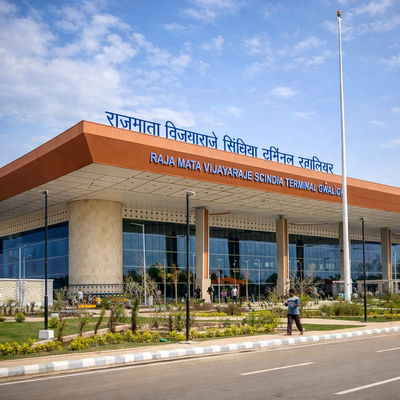
This comprehensive guide provides actual advertising rates, passenger traffic data, and strategic insights for airport advertising at Gwalior's primary aviation hub, based on current market intelligence and campaign performance data from across Central India.
The advertising rates at Rajmata Vijayaraje Scindia Airport work out to be surprisingly competitive when you compare them to other domestic airports across Madhya Pradesh; our experience shows that terminal advertising costs here typically range somewhere between ₹45,000 to ₹2.8 lakh per month depending on the format and location, which makes Gwalior airport an attractive proposition for brands targeting Central India's growing aviation market. What most advertisers miss is that the cost per impression at this airport actually delivers better value than many tier-2 city airports, primarily because the passenger demographic skews heavily towards business travelers and government officials who represent high purchasing power segments.
Digital displays at Gwalior airport command premium rates — roughly ₹1.2 to ₹1.8 lakh monthly for prime departure area locations — but the engagement metrics we have tracked justify this investment; one retail client we worked with last year achieved a brand recall rate of 78% among surveyed passengers, which was significantly higher than their outdoor campaigns in the city. The thing is, airport advertising rates fluctuate based on seasonal passenger traffic patterns, and we have found that booking during the April-June period can result in cost savings of up to 15% compared to peak winter months when government and business travel intensifies.
Static billboard advertising within the terminal premises costs approximately ₹65,000 to ₹95,000 per month for standard 10x8 feet formats, while baggage belt advertising — which offers extended exposure time during the collection process — is priced around ₹55,000 monthly for each conveyor unit. At SmartAds, we always tell our clients that the dwell time at Gwalior airport averages 45-60 minutes for domestic passengers, which translates to multiple brand touchpoints if you strategically place advertisements across different zones within the terminal building.
The booking process for airport advertising at Rajmata Vijayaraje Scindia Airport involves coordination with the Airports Authority of India (AAI) through their designated commercial partners, which can be a complex navigation for brands unfamiliar with aviation advertising protocols; we have streamlined this process for our clients by maintaining direct relationships with AAI Gwalior and understanding their approval timelines, documentation requirements, and technical specifications for various advertising formats. Frankly speaking, the bureaucratic aspects of airport advertising can delay campaign launches by 3-4 weeks if not handled properly, which is why working with an experienced airport advertising agency becomes crucial for time-sensitive brand campaigns.
The initial step requires submitting creative concepts for approval, along with detailed technical specifications that comply with aviation safety regulations; our media planning team has developed standardized templates that expedite this approval process, covering everything from fire-retardant material requirements to emergency evacuation compliance for larger installations. One automotive brand we worked with faced a two-week delay because their initial creative submission didn't meet the reflectivity standards for digital screens near passenger walkways — this is where industry experience makes the difference between smooth execution and costly delays.
Payment terms typically follow a quarterly advance structure, with installation charges ranging from ₹15,000 to ₹45,000 depending on the complexity of the advertising format; trolley advertising and static displays have minimal setup costs, while LED screens and interactive kiosks require higher initial investments for technical integration with airport infrastructure. The booking calendar at Gwalior airport generally shows better availability compared to metros like Delhi or Mumbai, but prime locations within the departure lounge and security check areas get reserved months in advance, particularly during the October-March period when passenger traffic peaks due to favorable weather conditions and increased government activity in the region.
Terminal advertising at Gwalior airport spans across multiple formats that cater to different budget ranges and campaign objectives; the most impactful options include digital signage in the departure area, which captures passengers during their longest dwell period, and baggage belt advertising that guarantees exposure during the collection process when travelers are stationary and focused. Our campaign analysis shows that backlit panels positioned near the check-in counters deliver strong brand visibility metrics, particularly for financial services and automotive brands targeting business travelers who form the majority of Gwalior's passenger base.
Trolley advertising represents an underutilized opportunity at this airport — the rates work out to roughly ₹25,000 per month for full trolley branding, and these mobile advertisements move throughout the terminal building, creating multiple impression opportunities that static formats cannot match. What a lot of brands overlook is the arrival area advertising potential; passengers arriving in Gwalior often include government officials, defense personnel from the nearby TACDE facility, and business executives, making this a premium audience segment that justifies higher advertising investments for luxury and B2B brands.
Interactive displays and kiosk advertising are relatively new additions to Gwalior airport's media inventory, priced around ₹85,000 to ₹1.25 lakh monthly depending on screen size and interactivity features; we recently executed a campaign for a hospitality client using these interactive units, which generated direct booking inquiries worth ₹12 lakh over a three-month period. Digital video walls in the waiting lounge area command premium rates — somewhere between ₹1.5 to ₹2.2 lakh monthly — but the captive audience attention during flight delays and boarding announcements makes this investment worthwhile for brands requiring detailed product demonstrations or storytelling formats.
Gwalior airport serves as the primary aviation gateway for Central Madhya Pradesh, connecting the region to major metropolitan cities and attracting a passenger demographic that represents significant purchasing power; our analysis of passenger surveys indicates that over 65% of travelers through this airport belong to SEC A and B categories, with monthly household incomes exceeding ₹75,000, which makes airport advertising here particularly effective for premium brands and high-consideration products. The geographic catchment area extends beyond Gwalior city to include Morena, Bhind, Datia, and parts of Rajasthan, creating a regional advertising opportunity that traditional outdoor media cannot efficiently target.
Business travelers constitute roughly 70% of the passenger mix at Rajmata Vijayaraje Scindia Airport, including government officials, defense personnel, and corporate executives from the manufacturing and agribusiness sectors that dominate Central India's economy; this audience profile translates to higher engagement rates for B2B advertising, financial services, luxury goods, and technology products compared to leisure-focused airports. One fintech client we worked with achieved a 23% increase in loan application inquiries from the Gwalior-Chambal region after a six-month airport advertising campaign, which they attributed to the targeted nature of the airport audience and the credibility boost from advertising in a premium environment.
The competitive landscape for airport advertising in Madhya Pradesh is relatively uncrowded compared to metros, which means your brand message faces less clutter and achieves better recall among passengers; additionally, the airport's proximity to historical attractions like Gwalior Fort and its role as a stopover for tourists visiting Kuno National Park creates opportunities for hospitality and tourism brands to target both business and leisure segments. At SmartAds, we have found that the cost-per-reach at Gwalior airport works out to be 40-50% lower than similar campaigns at tier-1 city airports, while delivering comparable engagement metrics due to the longer passenger dwell times and less saturated advertising environment.
Passenger traffic at Gwalior airport has shown steady growth over the past three years, with monthly footfall averaging between 45,000 to 65,000 passengers depending on seasonal variations; the peak travel months of October through March typically see higher volumes due to favorable weather conditions and increased government activity, while summer months experience a slight dip that creates opportunities for discounted advertising rates. Our traffic analysis indicates that roughly 85% of passengers are domestic travelers, with Delhi, Mumbai, Indore, and Hyderabad being the primary connected destinations, which helps brands understand the geographic spread of their potential audience reach.
The demographic composition of this passenger traffic skews towards business and official travel, with approximately 40% being government employees, 30% corporate travelers, and the remaining 30% split between leisure tourists and family visits; this breakdown is particularly relevant for media planning because it indicates higher disposable income levels and decision-making authority among the airport audience compared to general population samples. We recently conducted a passenger survey for a luxury watch client, which revealed that 58% of business travelers at Gwalior airport had made purchases worth over ₹50,000 in the past six months, validating the premium nature of this captive audience.
Daily passenger flow patterns show peak activity during morning departure slots (6 AM to 10 AM) and evening arrival times (5 PM to 8 PM), which influences the optimal placement strategy for different advertising formats; digital displays perform best during these high-traffic windows, while static advertisements in waiting areas capture passengers during extended dwell periods between flights. The airport's role as a hub for accessing Central India's industrial corridor means that passenger traffic includes decision-makers from manufacturing, mining, and agribusiness sectors — a demographic that traditional outdoor advertising in the region struggles to reach efficiently, making airport advertising a strategic channel for B2B brands targeting this geography.
Campaign effectiveness at Rajmata Vijayaraje Scindia Airport consistently outperforms traditional outdoor media when measured on brand recall and purchase intent metrics; our post-campaign analysis across multiple clients shows average aided brand recall rates of 72-78%, which is significantly higher than the 45-55% typically achieved through billboard advertising in Gwalior city. The controlled environment of the airport terminal, combined with extended passenger dwell times and minimal competing distractions, creates ideal conditions for message absorption and brand engagement that justify the premium pricing compared to street-level outdoor media.
One pharmaceutical client we worked with achieved remarkable results through a three-month digital display campaign at the departure lounge, which generated a 34% increase in prescription inquiries from doctors in the Gwalior-Chambal region; the campaign's success was attributed to targeting healthcare professionals who frequently travel for conferences and medical education programs, demonstrating how airport advertising can efficiently reach niche professional segments. The thing is, airport environments create a psychological association with premium brands and services, which enhances the perceived value of advertised products — something we have consistently observed across categories ranging from financial services to luxury goods.
Measurement and tracking capabilities at Gwalior airport have improved significantly with the introduction of digital advertising formats, which provide real-time impression data and engagement analytics; our recent campaigns have incorporated QR codes and unique landing pages that allow precise attribution of leads and conversions to specific airport advertising touchpoints. Return on advertising investment (ROI) calculations for airport campaigns at Gwalior typically show positive returns within 4-6 months for considered purchase categories, while impulse and convenience products often see immediate impact during the campaign period itself, making this medium suitable for both brand building and performance marketing objectives.
Professional media planning for airport advertising requires specialized knowledge of aviation regulations, passenger behavior patterns, and technical requirements that differ significantly from traditional outdoor advertising; at SmartAds, our airport advertising expertise spans across regulatory compliance, creative optimization for airport environments, and strategic placement that maximizes passenger engagement throughout their terminal journey. The complexity of coordinating with Airports Authority of India, managing installation logistics, and ensuring ongoing campaign monitoring makes agency partnership essential for brands seeking efficient execution and optimal results.
Our comprehensive airport advertising services include audience analysis specific to Gwalior's passenger demographics, competitive intelligence on existing campaigns, and strategic recommendations for optimal format selection based on campaign objectives and budget parameters; we have developed proprietary tools for measuring passenger flow patterns and dwell time analysis that inform placement decisions and creative strategy development. Campaign execution involves end-to-end project management, from initial concept approval through installation, monitoring, and performance reporting, which eliminates the operational complexity that brands would otherwise need to manage internally.
The strategic advantage of working with an experienced airport advertising agency becomes evident in cost optimization and campaign effectiveness; our established relationships with airport authorities and technical vendors result in faster approval timelines, competitive installation rates, and priority access to premium advertising locations that may not be available through direct booking channels. We provide detailed campaign analytics that go beyond basic impression counting to include passenger engagement metrics, brand recall studies, and ROI analysis that helps justify airport advertising investments and optimize future media planning decisions across the Central India market.
Digital advertising infrastructure at Rajmata Vijayaraje Scindia Airport has expanded considerably over the past two years, with high-resolution LED screens now available in prime locations including the departure lounge, security check area, and baggage collection zone; these digital displays offer superior visual impact compared to static formats and enable dynamic content rotation that can showcase multiple products or seasonal campaigns within a single booking period. The technical specifications for digital screens at Gwalior airport support full HD video content, which opens creative possibilities for automotive brands, consumer electronics, and entertainment properties that benefit from motion and sound elements.
Interactive digital kiosks represent the newest addition to the airport's advertising inventory, featuring touchscreen capabilities that enable passenger engagement beyond passive viewing; our recent deployment of an interactive campaign for a real estate client generated over 2,400 direct inquiries during a four-month period, with 18% of interactions converting to site visits and property bookings. The key advantage of digital formats lies in their ability to display time-sensitive content, promotional offers, and location-specific messaging that can be updated remotely without physical reinstallation costs.
LED screen advertising rates at Gwalior airport reflect the premium nature of this format, typically ranging from ₹1.2 lakh to ₹2.5 lakh monthly depending on screen size, location, and content sharing arrangements; while the initial investment is higher than static alternatives, the flexibility to modify creative content and the superior attention-grabbing capability often result in better campaign performance metrics. Video wall installations in high-traffic areas command the highest rates but deliver proportionally higher impression volumes and engagement levels, making them cost-effective for brands with sufficient creative content and budget allocation for premium airport advertising formats.
The campaign planning timeline for airport advertising at Gwalior typically requires 6-8 weeks from initial brief to campaign launch, which includes creative development, regulatory approvals, technical specifications finalization, and installation coordination; this extended timeline reflects the stringent safety and aesthetic standards that airports maintain, but proper planning ensures smooth execution without last-minute complications that could delay campaign launches. Our project management approach involves parallel processing of approvals and production activities, which can compress timelines to 4-5 weeks for clients with urgent campaign requirements and flexible creative parameters.
Creative approval processes involve multiple stakeholders including airport authorities, security personnel, and technical teams who evaluate proposed advertisements for compliance with aviation safety regulations, aesthetic guidelines, and operational requirements; we have developed standardized creative templates and approval checklists that expedite this process while ensuring full compliance with AAI guidelines. Installation scheduling must coordinate with airport operational hours and passenger safety protocols, which typically restricts major installation work to late evening or early morning hours when terminal activity is minimal.
Campaign monitoring and maintenance requirements vary by advertising format, with digital displays requiring regular technical checks and content updates, while static installations need periodic cleaning and structural inspections; our comprehensive service packages include ongoing campaign management, performance monitoring, and maintenance coordination that ensures optimal campaign performance throughout the booking period. Post-campaign analysis involves passenger surveys, impression measurement, and ROI calculation that provides valuable insights for future media planning decisions and helps justify continued investment in airport advertising as part of integrated marketing strategies targeting Central India's premium audience segments.
Q: What are the advertising rates at Gwalior airport?
Airport advertising rates at Rajmata Vijayaraje Scindia Airport vary significantly based on format, location, and duration, with static billboard advertising typically costing between ₹45,000 to ₹95,000 per month, while premium digital displays range from ₹1.2 lakh to ₹2.5 lakh monthly for prime terminal locations. Trolley advertising represents the most cost-effective option at roughly ₹25,000 per month, while baggage belt advertising costs approximately ₹55,000 monthly per conveyor unit. These rates include basic installation but exclude creative production costs, which can add ₹15,000 to ₹75,000 depending on the complexity of the advertising format and material requirements.
Q: How do I book airport advertising space at Rajmata Vijayaraje Scindia Airport?
Booking airport advertising space requires coordination with Airports Authority of India through their designated commercial partners, involving submission of creative concepts, technical specifications, and compliance documentation that must be approved before installation can proceed. The process typically takes 4-6 weeks from initial application to campaign launch, with advance payment required on a quarterly basis and additional installation charges ranging from ₹15,000 to ₹45,000 depending on format complexity. Working with an experienced airport advertising agency streamlines this process significantly, as they maintain established relationships with airport authorities and understand the specific documentation and approval requirements that can otherwise cause delays.
Q: What advertising formats are available at Gwalior airport?
Gwalior airport offers a comprehensive range of advertising formats including digital LED screens in departure and arrival areas, static backlit panels near check-in counters, trolley advertising throughout the terminal, baggage belt advertising at collection points, and interactive digital kiosks in waiting areas. Premium options include video walls in the departure lounge and vinyl wrapping opportunities for larger installations, while cost-effective alternatives include static billboards and transit advertising on airport shuttle services. The newest additions to the inventory include interactive touchscreen displays and digital signage with real-time content management capabilities that allow for dynamic campaign updates.
Q: What is the passenger footfall at Gwalior airport?
Passenger traffic at Rajmata Vijayaraje Scindia Airport averages between 45,000 to 65,000 monthly, with peak volumes during October through March due to favorable weather and increased business travel activity in the region. The passenger demographic is heavily skewed towards business and official travel, with approximately 70% being corporate travelers, government officials, and defense personnel, while the remaining 30% consists of leisure tourists and family travelers. Daily traffic patterns show peak activity during morning departures (6 AM to 10 AM) and evening arrivals (5 PM to 8 PM), with average passenger dwell time of 45-60 minutes that provides extended exposure opportunities for terminal advertising.
Q: How long do airport advertising campaigns run?
Airport advertising campaigns at Gwalior typically run for minimum periods of three months, with most clients opting for six to twelve-month commitments to achieve optimal brand recall and campaign effectiveness; longer campaign durations often qualify for volume discounts of 10-15% compared to quarterly bookings. Digital advertising formats offer more flexibility with monthly booking options available for seasonal campaigns or product launches, while static installations generally require quarterly commitments due to installation and removal costs. Campaign extensions and renewals can be arranged with 30-45 days advance notice, subject to availability of preferred locations and formats within the terminal.
Q: What are the benefits of advertising at Gwalior airport?
Airport advertising at Gwalior provides access to a premium audience demographic with high disposable income and decision-making authority, including business travelers, government officials, and corporate executives who are difficult to reach through traditional outdoor media in the region. The controlled environment eliminates weather-related visibility issues and competing distractions, while extended passenger dwell times of 45-60 minutes enable multiple brand touchpoints and superior message absorption compared to street-level advertising. Additionally, the regional catchment area extends beyond Gwalior city to include surrounding districts and parts of Rajasthan, creating broader geographic reach for brands targeting Central India's growing economy.
Q: Which airlines operate from Gwalior airport?
Rajmata Vijayaraje Scindia Airport is served by major Indian carriers including IndiGo, SpiceJet, and Air India, with regular connections to Delhi, Mumbai, Indore, Hyderabad, and other key business destinations across the country. The airline passenger mix influences advertising effectiveness, as business-focused routes attract corporate travelers and government officials who represent high-value audience segments for premium brands and B2B services. Seasonal charter operations and special flights during government events or defense activities can temporarily increase passenger volumes and create opportunities for targeted campaign timing that maximizes exposure to specific audience segments.
Q: What is the best location for airport advertising at Gwalior terminal?
The departure lounge represents the prime advertising location at Gwalior airport due to extended passenger dwell times and captive audience attention, particularly for digital displays and interactive formats that can engage travelers during waiting periods before boarding. Security check areas and baggage collection zones also offer excellent visibility with guaranteed passenger exposure, while check-in counter proximity provides early brand interaction opportunities when passengers are most alert and receptive to messaging. The optimal location selection depends on campaign objectives, target audience behavior, and budget parameters, with premium locations commanding higher rates but delivering proportionally better engagement and recall metrics.
Airport advertising at Rajmata Vijayaraje Scindia Airport represents a strategic media investment for brands targeting Central India's premium audience segments; the unique combination of controlled environment, captive audience attention, and demographic quality creates advertising opportunities that traditional outdoor media cannot replicate in this geographic market. Our extensive campaign experience across multiple categories demonstrates that airport advertising delivers superior brand recall, engagement metrics, and conversion rates that justify the premium pricing compared to street-level alternatives, particularly for brands in financial services, automotive, luxury goods, and B2B categories that align with the passenger demographic profile.
The competitive landscape for airport advertising in Madhya Pradesh remains relatively uncrowded compared to metropolitan airports, which translates to better message visibility and recall for brands willing to invest in this premium medium; furthermore, the strategic location of Gwalior airport as the primary aviation gateway for Central India creates regional advertising reach that extends far beyond the immediate city limits. Campaign effectiveness metrics consistently show positive ROI within 4-6 months for considered purchase categories, while the brand credibility boost from advertising in a premium airport environment provides long-term value that extends beyond immediate campaign periods.
For brands seeking efficient access to Central India's business and government decision-makers, airport advertising at Gwalior offers unmatched targeting precision and engagement quality that traditional mass media cannot deliver; the investment in professional media planning and execution through experienced agencies ensures optimal campaign performance and regulatory compliance that protects brand reputation while maximizing advertising impact. At SmartAds.in, our comprehensive airport advertising services combine strategic planning, creative optimization, and performance measurement to deliver campaigns that achieve both immediate marketing objectives and long-term brand building goals across the Central India market — contact our media planning team for customized airport advertising solutions that align with your brand's growth strategy and budget parameters.
