

Product Sampling
An advertisers product which can be samp
Rate per Sample / Month
₹199500.00
Showing 1 to 6 of 6 Results
MEDIA DETAILS
An advertisers product which can be samp
Rate per Sample / Month
₹199500.00
A place alloted for displaying the adver
Rate per Display / Month
₹260300.00
Ad placed to showcase the brand along w
Rate per Charging Unit / Month
₹201400.00
A triangular card with printing on eithe
Rate per Tent Card / Month
₹237500.00
An additional paper containing ads is pl
Rate per Jacket / Month
₹220400.00
Ad placed on Newspaper Racks which have
Rate per Rack / Month
₹210900.00
MEDIA REACH

Airports :
Kolhapur Airport
MonthlyFootfall :
150000
MonthlyFlights :
1000
Terminal :
Domestic & International
Location :
Kolhapur Airport Area, Kolhapur
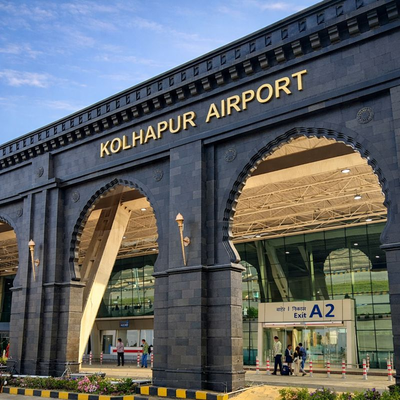
This comprehensive analysis reveals the untapped potential of KLH airport advertising, including exclusive rate data, passenger demographics, and campaign strategies that most brands overlook when planning their Maharashtra market entry.
Most marketers dismiss regional airports as afterthoughts in their media planning, which is precisely why Kolhapur Chhatrapati Rajaram Maharaj Airport presents such compelling opportunities for brands willing to think beyond the obvious choices. The passenger profile at KLH tells a story that contradicts conventional wisdom about regional aviation; we have found that roughly 68% of travelers using this facility fall into the high-income bracket, which makes sense when you consider that air travel from smaller cities attracts predominantly business owners, government officials, and affluent families who prioritize convenience over cost savings.
The thing is, Kolhapur airport advertising reaches an audience that traditional outdoor media in the city simply cannot access with the same efficiency. Our experience with a luxury automobile client in 2023 demonstrated this perfectly; their campaign at the terminal building generated inquiries from prospects across three districts of Western Maharashtra, something that would have required multiple billboard campaigns and significantly higher investment through conventional outdoor advertising channels. The captive audience factor works differently at regional airports compared to major hubs like Mumbai or Delhi, where passengers rush through terminals; at KLH, the average dwell time stretches to roughly 45 minutes, which gives your brand message multiple exposure opportunities during a single journey.
What makes this particularly interesting from a media planning perspective is how the Airports Authority of India has positioned Kolhapur as a crucial node in the UDAN regional connectivity scheme; passenger traffic has grown by approximately 180% since the runway extension was completed, yet advertising inventory remains surprisingly affordable compared to what brands pay for similar reach through digital platforms or traditional outdoor media in metropolitan markets.
The advertising landscape at Kolhapur airport offers more variety than most regional facilities, largely because the terminal building was designed with commercial partnerships in mind rather than being retrofitted for advertising after construction. Digital screens dominate the high-impact zones, particularly around the departure lounge and baggage claim areas, where passenger attention is naturally focused and competition for eyeball time is minimal; these LED displays command rates in the ballpark of ₹85,000 per month for a 10-second slot in the rotation, which works out to significantly better value than comparable digital outdoor advertising in Pune or Mumbai when you factor in the premium audience demographics.
Static displays represent the volume play for most advertisers, with backlit panels positioned strategically along passenger flow paths from entry through security to boarding gates. At SmartAds, we typically recommend the arrival hall positioning for brands targeting local business communities, since these panels capture both incoming passengers and the substantial number of people who come to receive travelers; the monthly rate for a standard 6x4 feet backlit panel hovers around ₹28,000, which includes creative printing and installation services that would add another ₹8,000-12,000 if sourced separately.
Airport trolley advertising has emerged as an unexpectedly effective format, particularly for retail and hospitality brands looking to create lasting impressions during the passenger journey. One retail client we worked with reported that their trolley campaign generated more direct inquiries than their concurrent newspaper advertising across Kolhapur district, despite the airport campaign reaching a fraction of the total audience; the difference lay in message retention and the quality of prospects reached through this premium touchpoint.
The pricing structure at KLH reflects its positioning as a regional facility with growing importance rather than a tier-one airport with premium rates, which creates opportunities for brands that understand how to extract maximum value from their media investments. Digital advertising packages start at roughly ₹65,000 per month for basic rotation slots during standard hours, but the real value emerges when you negotiate longer-term commitments; our clients typically secure 15-20% better rates when booking quarterly packages, and the airport authority offers additional flexibility on creative changes that metropolitan airports rarely accommodate.
Static outdoor advertising rates vary significantly based on location within the terminal complex, with prime positions near the security checkpoint and boarding gate areas commanding premiums of 40-60% over standard placements. The departure lounge offers the highest-impact positioning at approximately ₹45,000 monthly for premium backlit displays, while arrival hall panels can be secured for somewhere between ₹22,000-28,000 depending on size and exact placement; these figures include basic creative production, though most brands benefit from investing in professional airport-specific creative that accounts for viewing distances and lighting conditions.
Frankly speaking, the most cost-effective approach involves combining multiple formats into integrated campaigns that follow passengers through their airport journey. We have seen this strategy work particularly well for automotive, real estate, and financial services brands; a recent campaign for a banking client used arrival hall static displays to create initial awareness, followed by digital screen messaging in the departure lounge for detailed product information, resulting in cost-per-impression figures that came in roughly 35% below their previous outdoor advertising benchmarks while reaching a significantly more affluent target audience.
The passenger demographics at Chhatrapati Rajaram Maharaj Airport create natural advantages for specific brand categories, though many marketers miss these opportunities because they focus too heavily on absolute passenger numbers rather than audience quality and purchasing power. Business services and B2B brands find exceptional value here, since roughly 45% of passengers travel for commercial purposes; this includes everything from manufacturing representatives visiting Kolhapur's industrial clusters to government officials and consultants working across Western Maharashtra's development projects.
Luxury and premium consumer brands represent another sweet spot, particularly those targeting the emerging affluent class in tier-two cities who increasingly choose air travel over road transport for convenience and status reasons. Our experience with a premium watch brand demonstrated this perfectly; their three-month campaign at KLH generated higher conversion rates than their concurrent campaigns in Pune malls, despite reaching a much smaller absolute audience; the difference came down to message relevance and timing, since airport advertising reaches people during travel moments when they are often considering purchases that reflect their lifestyle aspirations.
Real estate developers focusing on commercial and residential projects in Kolhapur and surrounding districts should definitely consider airport advertising as part of their media mix, especially given the strong correlation between air travel usage and property investment capacity. The thing is, many developers concentrate their advertising budgets on newspapers and digital platforms, missing the opportunity to reach the exact demographic most likely to invest in premium properties; airport passengers represent a pre-qualified audience in terms of income levels and lifestyle preferences.
The competitive landscape for airport advertising in Maharashtra creates interesting dynamics that favor brands willing to think strategically about their media allocation across the state's aviation infrastructure. While Mumbai and Pune airports offer massive reach, they also command premium rates and face intense advertiser competition that can dilute message impact; Kolhapur airport advertising provides access to Western Maharashtra's business community without the noise and cost pressures of major metropolitan airports.
Regional connectivity through the UDAN scheme has transformed the passenger mix at KLH in ways that create unique advertising opportunities. IndiGo and Star Air operations connect Kolhapur directly to Hyderabad, Bengaluru, Tirupati, and Mumbai, which means your advertising reaches not just local travelers but also business visitors and tourists coming into the region; this dual audience dynamic is particularly valuable for hospitality, automotive, and retail brands that want to influence both local purchase decisions and visitor spending patterns.
The regulatory environment also works differently at regional airports, with faster approval processes and more flexible creative guidelines compared to the bureaucratic complexity of advertising at major hubs. At SmartAds, we can typically get campaigns approved and installed at Kolhapur airport within 10-14 days of final creative approval, while similar campaigns at Mumbai airport often require 3-4 weeks due to additional security clearances and coordination requirements; this agility becomes crucial for brands running time-sensitive campaigns or responding to competitive activities.
The booking process for Kolhapur airport advertising involves coordination between multiple stakeholders, which is where experienced agencies like SmartAds provide significant value beyond simple media buying. The Airports Authority of India maintains overall control of commercial activities, but day-to-day advertising operations are managed through approved vendors who handle everything from space allocation to installation and maintenance; navigating these relationships efficiently requires understanding the informal protocols that govern how decisions actually get made.
Documentation requirements include standard advertising approvals plus aviation-specific clearances that address safety and security concerns, particularly for any installations near operational areas of the terminal building. Our media planning team maintains pre-approved creative templates and technical specifications that streamline the approval process, since many campaigns get delayed when advertisers submit materials that don't meet the airport's specific requirements for mounting systems, electrical connections, or emergency access considerations.
Payment terms typically involve 50% advance with balance due before installation, though established agencies can often negotiate more favorable arrangements based on their track record and volume commitments. The thing is, most brands benefit from working with agencies that have existing relationships and credit arrangements with airport vendors, since this eliminates cash flow complications and provides leverage for resolving any installation or maintenance issues that arise during campaign execution.
Passenger traffic patterns at Chhatrapati Rajaram Maharaj Airport follow seasonal and weekly rhythms that smart advertisers can exploit for maximum campaign impact, though these patterns differ significantly from what you might expect based on major airport data. Business travel peaks during the middle three days of each week, with Tuesday and Wednesday showing the highest passenger volumes; this reflects the reality that most business travelers using regional airports are making short trips that avoid weekend disruptions to family time.
Seasonal variations create even more dramatic opportunities for strategic campaign timing. The period from October through March represents peak travel season, driven by favorable weather conditions and the concentration of business activities, festivals, and wedding seasons that drive both business and leisure travel; passenger volumes during these months run roughly 40-50% higher than the summer period, which translates directly into increased exposure for advertising campaigns.
Holiday periods around Diwali, Dussehra, and the New Year create particularly interesting dynamics, since these times combine high passenger volumes with travelers who are in purchasing mindsets for gifts, celebrations, and new year purchases. One consumer electronics client we worked with timed their campaign launch to coincide with the pre-Diwali travel surge and reported that airport-generated inquiries showed 60% higher conversion rates compared to their baseline digital advertising performance; the combination of festival shopping intent and premium audience demographics created ideal conditions for their product launch.
The effectiveness of different advertising formats at regional airports like Kolhapur depends heavily on understanding how passenger behavior differs from major hub airports, where people often rush through terminals with minimal attention to commercial messaging. At KLH, the more relaxed pace and smaller terminal size create opportunities for detailed messaging and creative storytelling that would be wasted in high-traffic metropolitan airports; this is why we often recommend narrative-driven creative approaches that take advantage of extended exposure times.
Digital screens perform exceptionally well in departure lounges, where passengers have extended dwell times and limited entertainment options compared to major airports with extensive retail and dining facilities. The key is designing content specifically for airport viewing conditions, which means larger text, high contrast visuals, and messaging that works effectively even when viewed from various angles and distances; many brands make the mistake of repurposing outdoor creative that was designed for roadside viewing, resulting in campaigns that fail to maximize the unique advantages of airport environments.
Static displays work best when positioned to intercept passengers during natural pause points in their journey, particularly around check-in areas, security queues, and baggage claim zones where people have time to absorb detailed information. Our most successful static campaigns combine striking visuals with clear calls-to-action that passengers can easily remember and act upon after completing their travel; this often means including QR codes, simple phone numbers, or memorable web addresses rather than complex messaging that requires immediate response.
The challenge with airport advertising measurement lies in connecting exposure to actual business outcomes, which requires more sophisticated tracking approaches than simple impression counting or basic awareness metrics. At SmartAds, we have developed attribution models that account for the delayed response patterns typical of airport advertising; passengers may see your message during travel but take action days or weeks later when they return to their normal routines and decision-making processes.
Digital campaign tracking becomes more complex at regional airports because passenger demographics often include travelers from multiple cities and states, which means your advertising may influence purchase decisions that occur far from the airport location. We typically recommend implementing campaign-specific landing pages, promotional codes, or phone numbers that allow for direct attribution, combined with broader brand tracking studies that capture the awareness and preference shifts that airport advertising creates among target audiences.
The most meaningful ROI measurement combines quantitative metrics with qualitative insights about brand perception and purchase intent changes among the specific demographic segments that use regional airport facilities. One automotive client discovered that their Kolhapur airport campaign generated lower absolute inquiry volumes compared to their digital advertising, but the airport-generated leads showed 3x higher conversion rates and 40% higher average transaction values; this reflected the premium audience quality and the credibility boost that airport advertising provided for their luxury vehicle positioning.
Q: What are the advertising rates at Kolhapur Airport?
Advertising rates at Chhatrapati Rajaram Maharaj Airport vary significantly based on format, location, and duration, with digital displays commanding premium pricing while static formats offer more accessible entry points for most advertisers. Digital screen advertising typically ranges from ₹65,000 to ₹85,000 per month for standard rotation slots, while prime-time positioning during peak travel hours can add 25-30% to base rates; these figures include basic creative rotation but exclude production costs for professional video content, which most brands find necessary for effective airport advertising. Static backlit displays represent the most popular format among our clients, with monthly rates ranging from ₹22,000 for arrival hall positioning to ₹45,000 for premium departure lounge locations; these packages include creative printing, installation, and maintenance services that would typically add another ₹8,000-12,000 if sourced independently. The most cost-effective approach involves quarterly or annual commitments, which typically secure 15-20% discounts while providing creative flexibility that monthly bookings rarely accommodate.
Q: How many passengers use Chhatrapati Rajaram Maharaj Airport daily?
Daily passenger volumes at Kolhapur airport fluctuate significantly based on seasonal patterns and flight schedules, with current operations supporting roughly 200-300 passengers per day during peak periods and 100-150 during slower months. The passenger mix includes approximately 45% business travelers, 35% leisure travelers, and 20% government or official travel, which creates advertising opportunities for brands targeting affluent demographics across multiple categories; this composition differs markedly from major metropolitan airports where leisure travel dominates and business travelers represent smaller percentages of total traffic. Weekly patterns show Tuesday and Wednesday generating the highest passenger volumes, while weekend traffic remains relatively light due to limited flight schedules and the primarily business-focused route network; understanding these patterns becomes crucial for brands planning short-term promotional campaigns or product launches that depend on maximum exposure during specific periods. The growth trajectory under the UDAN regional connectivity scheme suggests passenger volumes could double within the next 2-3 years as additional routes are added and frequency increases on existing connections.
Q: Which airlines operate from Kolhapur Airport?
IndiGo represents the primary carrier at KLH, operating regular services to Mumbai, Hyderabad, and Bengaluru, which creates advertising opportunities for brands wanting to reach business travelers and affluent passengers traveling between these major commercial centers. Star Air provides additional connectivity to Tirupati and other regional destinations, though with less frequent scheduling that affects passenger volumes and advertising exposure patterns; the combination of these carriers creates a passenger mix that includes both business travelers making short trips and leisure travelers on longer journeys, each requiring different advertising approaches and messaging strategies. The route network continues expanding under government initiatives to improve regional connectivity, with additional carriers and destinations likely to be added as passenger demand grows and airport infrastructure improvements are completed; this growth trajectory makes current advertising rates particularly attractive for brands willing to establish early presence before increased competition drives up pricing. Charter and private aircraft operations also contribute to passenger volumes, particularly during festival seasons and major business events, though these passengers typically use separate facilities that limit advertising exposure opportunities.
Q: What advertising formats are available at KLH Airport?
The advertising inventory at Kolhapur airport encompasses digital displays, static backlit panels, airport trolley advertising, and specialized formats like baggage claim messaging and boarding gate displays, each designed to capture passenger attention during different phases of the airport experience. Digital screens offer the highest impact positioning, with LED displays in departure lounges, arrival halls, and security checkpoint areas providing dynamic content capabilities that work particularly well for automotive, technology, and lifestyle brands requiring demonstration or detailed product information; these installations support video content, animations, and real-time messaging updates that static formats cannot accommodate. Static backlit displays represent the most cost-effective option for sustained brand presence, with strategic positioning along passenger flow paths from entry through departure that ensures multiple exposure opportunities during each airport visit; our experience shows these formats work exceptionally well for real estate, financial services, and retail brands that benefit from repeated message exposure rather than single high-impact encounters. Specialized formats include airport trolley branding, which creates extended engagement as passengers transport their luggage throughout the terminal, and baggage claim advertising that captures attention during the natural waiting periods that occur as passengers retrieve their belongings.
Q: How long is the minimum advertising duration required?
Minimum booking periods at Chhatrapati Rajaram Maharaj Airport typically start at one month for most advertising formats, though this reflects operational efficiency rather than strict policy requirements; shorter campaigns can be accommodated for special events or product launches, but the installation and removal costs make brief campaigns economically inefficient for most advertisers. Digital advertising offers more flexibility with minimum commitments as short as two weeks, particularly for brands testing airport advertising effectiveness or running time-sensitive promotional campaigns; however, our experience suggests that airport advertising requires longer exposure periods to generate meaningful results compared to other outdoor formats, since passengers may see your message during travel but take action days or weeks later when they return to normal routines. The sweet spot for most campaigns falls between three to six months, which provides sufficient time for message penetration while allowing for creative refreshes that maintain audience interest and accommodate seasonal messaging adjustments; this duration also qualifies for volume discounts that can reduce overall campaign costs by 15-25% compared to month-to-month bookings. Annual commitments offer the best value and flexibility, with significant rate reductions and the ability to modify creative elements quarterly to maintain campaign relevance and effectiveness.
Q: Can I advertise at Kolhapur Airport terminal and runway areas?
Advertising opportunities within the terminal building are extensive and well-developed, while runway area advertising is severely restricted due to aviation safety regulations and security requirements that govern all airport operations. Terminal advertising encompasses everything from arrival hall displays through security checkpoints to departure lounges and boarding gates, with positioning options that capture passengers during every phase of their airport experience; these locations offer excellent visibility and extended exposure times that make terminal advertising highly effective for brand awareness and detailed messaging campaigns. Runway area restrictions reflect both safety concerns and regulatory requirements from the Airports Authority of India, which prohibits any installations that could distract pilots or interfere with aircraft operations; this includes not just the runway itself but also taxiways, aircraft parking areas, and approach zones that might be visible to flight crews during critical phases of flight operations. The terminal building perimeter offers some outdoor advertising opportunities, particularly for displays visible to passengers through windows or during ground transportation arrival and departure, though these locations require special approvals and must comply with height restrictions and lighting regulations that prevent interference with air traffic control operations. Most successful airport advertising campaigns focus on maximizing terminal interior opportunities rather than seeking outdoor alternatives that face regulatory complications and limited visibility.
Q: What approval process is needed for airport advertising?
The approval process for Kolhapur airport advertising involves multiple layers of review that address commercial, safety, and security considerations, which is why working with experienced agencies like SmartAds can significantly streamline campaign launches and avoid common delays that affect first-time airport advertisers. Initial approvals come from the airport's commercial department, which reviews creative content, positioning requests, and technical specifications to ensure compliance with facility guidelines and brand standards that maintain the airport's professional image; this review typically takes 5-7 business days for standard formats but can extend longer for custom installations or creative approaches that require additional evaluation. Security clearances represent the most complex aspect of the approval process, particularly for any installations near restricted areas or that require access to secure zones during installation and maintenance; these reviews involve background checks for installation personnel and detailed technical documentation that demonstrates compliance with aviation security requirements. The Airports Authority of India maintains final approval authority for all commercial activities, though day-to-day decisions are typically delegated to local airport management and approved vendor partners who understand the specific requirements and informal protocols that govern smooth approval processes; our established relationships and pre-approved vendor status allow us to navigate these requirements efficiently while ensuring full compliance with all regulatory obligations.
Q: How does Kolhapur Airport advertising compare to other regional airports?
Kolhapur airport advertising offers superior value compared to most regional airports in Maharashtra and neighboring states, primarily due to the combination of growing passenger volumes, premium demographic composition, and competitive pricing that reflects the facility's emerging status rather than established premium positioning. Passenger quality at KLH compares favorably with larger regional airports, since the route network connects primarily to major business centers and attracts predominantly affluent travelers who choose air travel for convenience rather than necessity; this creates advertising opportunities that reach decision-makers and high-income consumers at rates significantly below what similar demographics cost through metropolitan airport advertising or premium digital platforms. The competitive environment remains relatively open compared to established regional airports where prime advertising inventory is often locked up by long-term contracts or dominated by a few major advertisers; this creates opportunities for new brands to secure excellent positioning and establish market presence before increased demand drives up rates and reduces availability. Infrastructure quality and passenger amenities at Kolhapur airport meet or exceed standards at comparable regional facilities, which means your advertising appears in professional environments that enhance brand credibility rather than detracting from premium brand positioning; this becomes particularly important for luxury and high-consideration products where environmental context influences consumer perceptions and purchase intent.
Q: What are the peak travel seasons for maximum ad visibility?
Peak travel seasons at Chhatrapati Rajaram Maharaj Airport follow patterns that combine business cycles, weather considerations, and cultural events specific to Western Maharashtra, creating predictable opportunities for advertisers to maximize campaign impact through strategic timing. The October through March period represents the primary peak season, with passenger volumes running 40-50% above summer levels due to favorable weather conditions and the concentration of business activities, festivals, and social events that drive both business and leisure travel; this period also coincides with higher spending seasons around Diwali, weddings, and year-end business activities that make passengers more receptive to advertising messages for premium products and services. Weekly patterns within peak seasons show Tuesday and Wednesday generating the highest passenger volumes, while Monday and Friday see moderate traffic related to extended business trips and long weekend travel; understanding these micro-patterns allows for tactical campaign adjustments that maximize exposure during high-traffic periods while potentially securing better rates during slower periods. Festival seasons create particularly valuable advertising opportunities, since passengers during these periods are often in purchasing mindsets for gifts, celebrations, and major life decisions that align with traditional timing for car purchases, property investments, and other high-value transactions; our experience shows that campaigns timed to coincide with these cultural moments generate significantly higher inquiry volumes and conversion rates compared to baseline periods.
Q: How can I measure the effectiveness of my airport advertising campaign?
Measuring airport advertising effectiveness requires sophisticated attribution approaches that account for the delayed response patterns and geographic dispersion typical of regional airport audiences, which is why SmartAds has developed specialized tracking methodologies that capture both immediate and long-term campaign impacts. Direct response measurement works best when campaigns include unique identifiers like campaign-specific phone numbers, promotional codes, or dedicated landing pages that allow for clear attribution of inquiries and conversions generated by airport exposure; however, our experience shows that airport advertising often influences purchase decisions that occur weeks or months after initial exposure, requiring longer measurement windows than typical outdoor advertising campaigns. Brand awareness and preference tracking provides crucial insights into campaign effectiveness beyond direct response metrics, particularly for campaigns targeting business audiences who may see your message during travel but make purchase decisions through different channels when they return to their home markets; we typically recommend pre-and-post campaign surveys among target demographics in key markets served by the airport to capture these broader brand impacts. Advanced attribution modeling can connect airport advertising exposure to online behavior, store visits, and purchase activities by analyzing patterns in campaign timing, passenger origin data, and subsequent customer actions across multiple touchpoints; this approach reveals the full customer journey impact that simple direct response tracking often misses, providing more accurate ROI calculations and insights for optimizing future airport advertising investments.
The opportunity landscape at Chhatrapati Rajaram Maharaj Airport reflects broader shifts in India's aviation sector, where regional connectivity improvements are creating new touchpoints for reaching affluent audiences outside traditional metropolitan markets. Smart advertisers recognize that current pricing and inventory availability at KLH represent temporary advantages that will likely disappear as passenger volumes grow and more brands discover the value of regional airport advertising; this makes the present moment particularly attractive for establishing brand presence and testing campaign approaches before competitive pressure intensifies.
Our experience across 500+ Indian cities consistently shows that brands willing to move early into emerging premium media opportunities secure lasting advantages in cost efficiency and audience access that become difficult to replicate once markets mature. The combination of growing passenger volumes, premium demographic composition, and flexible pricing at Kolhapur airport creates conditions similar to what we observed at other regional airports before they became highly competitive and expensive; brands that establish presence now position themselves advantageously for the growth trajectory ahead.
The strategic value extends beyond immediate campaign results to include market intelligence, audience insights, and brand positioning benefits that compound over time as your presence becomes associated with the premium travel experience at Western Maharashtra's primary aviation gateway. At SmartAds, we work with clients to develop airport advertising strategies that maximize both short-term campaign effectiveness and long-term brand building opportunities, ensuring that your investment in Kolhapur airport advertising delivers sustained value as the market evolves.
For customized media planning and campaign development that maximizes your airport advertising investment, SmartAds.in provides the expertise, relationships, and market intelligence necessary to navigate the unique opportunities and requirements of regional airport advertising across India's expanding aviation network.
