
Showing 1 to 0 of 0 Results
MEDIA DETAILS

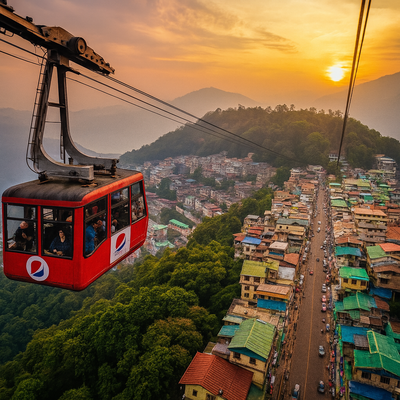
Ropeway Advertising in Taratarini - Campaigns, Costs & Booking
Taratarini's distributed tier-3 neighbourhood footfall pattern is exactly what makes ropeway worth running here. Campaigns here are calibrated for distributed tier-3 neighbourhood footfall patterns.
Why Choose Ropeway for Marketing in Taratarini?
For Taratarini, ropeway typically deploys across arterial junctions, weekly markets, and community gathering points, with localised creative tuned to regional audience preferences. Below-the-line campaigns create real-world brand experiences that people talk about: a well-executed activation generates word-of-mouth that multiplies your paid investment.
Ropeway Campaign Examples, Pricing and Reach in Taratarini
How do you separate noise from results? Reach in Taratarini compounds when baseline activations are clustered within priority demand zones — and that changes how you should think about scale — a pattern that fits tier-3 markets where local concentration drives recall. Budget efficiency through smarter placement mix and negotiation.
Overview
If you're planning Ropeway advertising in Taratarini, start by matching the medium to real audience attention. Below-the-line campaigns create real-world brand experiences that people talk about: a well-executed activation generates word-of-mouth that multiplies your paid investment. Keep the message simple and run long enough to build frequency, because repetition is where recall compounds. In Taratarini, ropeway campaigns scale from a small base, calibrated for distributed tier-3 neighbourhood footfall patterns. Use Venue Types (Salons, cafes, gyms, campuses) and Coverage (Neighbourhood to city-wide) to keep the plan practical, with emphasis on creative fit for the real viewing situation.
what's Ropeway advertising in Taratarini?
Ropeway advertising in Taratarini uses BTL placements to keep a brand visible in moments that fit audience behavior. Unlike channels that are easy to skip, this medium works through contextual presence and repeated exposure. A good definition includes where it appears (residential society activations, college campus setups, corporate park stalls, supermarket demonstrations, and festival event sponsorships), how it's planned (location footfall quality, time-of-day targeting, staff-to-visitor ratio, sample or offer inventory, and daily lead collection targets), and what execution requires. For Taratarini, ropeway typically deploys across arterial junctions, weekly markets, and community gathering points, with localised creative tuned to regional audience preferences. When those parts are aligned upfront, campaigns feel intentional, look consistent, and build stronger recall over time.
Audience reach & coverage in Taratarini
To build meaningful reach in Taratarini, start by mapping where your audience actually spends time, not where media is cheapest. The available touchpoints for this medium include residential society activations, college campus setups, corporate park stalls, supermarket demonstrations, and festival event sponsorships, each serving different audience moments. Layer these across your priority zones to create a frequency pattern your audience encounters organically. Reach in Taratarini compounds when baseline activations are clustered within priority demand zones. Venue Types (Salons, cafes, gyms, campuses) and Coverage (Neighbourhood to city-wide) provide a starting benchmark for planning scale.
Why choose Ropeway advertising in Taratarini?
There are three reasons brands keep returning to Ropeway advertising in Taratarini. First, it delivers frequency that compounds into genuine recall, not just impressions that vanish. Second, the planning controls let you match placements to your audience, budget, and timeline without the unpredictability of auction-based media. Third, it builds local credibility: consistent presence in Taratarini signals commitment to the market. For the best results, plan around creative fit for the real viewing situation.
Formats, placements & creative options
Ropeway advertising in Taratarini can be executed across several format options depending on the goal, creative complexity, and audience attention span. Available touchpoints include residential society activations, college campus setups, corporate park stalls, supermarket demonstrations, and festival event sponsorships. For quick-scan environments, use short copy and bold branding. For longer dwell situations, add proof points and structured offers. Keep messaging unified across formats so recall compounds rather than resets with each new placement.
Next step
Ready to plan Ropeway advertising in Taratarini? Share your goal, budget range, preferred dates, and priority zones. we'll recommend the right format mix from available BTL touchpoints, apply smart planning levers to protect your budget, and build a practical schedule that avoids wasted spend. If performance matters, we'll set tracking upfront so every impression is measurable. The final recommendation will stay focused on creative fit for the real viewing situation. Get a customized media plan and pricing from SmartAds.
Analysis
daily lead count, cost per lead, conversion rate from lead to sale, on-ground photo documentation, and customer feedback scores
Requirement
Creative requirements for Taratarini: Train the team, not just the setup: brand ambassadors who can have a genuine conversation convert better than those reciting a script.
