
Showing 1 to 0 of 0 Results
MEDIA DETAILS

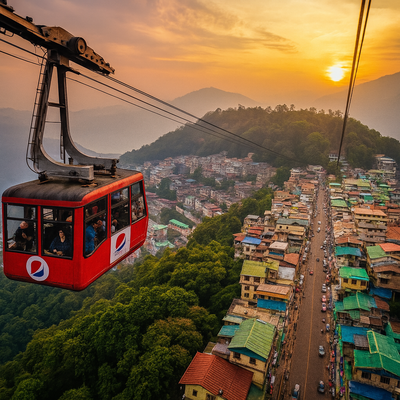
Ropeway Advertising in Sikkim - Campaigns, Costs & Booking
In Sikkim, BTL works because the audience doesn't scroll past your activation. They walk into it. Campaigns here are calibrated for distributed tier-3 neighbourhood footfall patterns.
Why Choose Ropeway for Marketing in Sikkim?
For Sikkim, ropeway typically deploys across arterial junctions, weekly markets, and community gathering points, with localised creative tuned to regional audience preferences. BTL activities bring the brand directly to the consumer, creating face-to-face interactions that build trust and generate immediate, measurable responses.
Ropeway Campaign Examples, Pricing and Reach in Sikkim
Wondering where to start? Reach in Sikkim compounds when baseline activations are clustered within priority demand zones — not in theory, in practice — a pattern that fits tier-3 markets where local concentration drives recall. Brand elevation through association with premium environments.
Overview
If you're planning Ropeway advertising in Sikkim, start by matching the medium to real audience attention. BTL activities bring the brand directly to the consumer, creating face-to-face interactions that build trust and generate immediate, measurable responses. Keep the message simple and run long enough to build frequency, because repetition is where recall compounds. In Sikkim, ropeway campaigns scale from a small base, calibrated for distributed tier-3 neighbourhood footfall patterns. Use Venue Types (Salons, cafes, gyms, campuses) and Coverage (Neighbourhood to city-wide) to keep the plan practical, with emphasis on brand elevation through association with premium environments.
what's Ropeway advertising in Sikkim?
Ropeway advertising in Sikkim uses BTL placements to keep a brand visible in moments that fit audience behavior. Unlike channels that are easy to skip, this medium works through contextual presence and repeated exposure. A good definition includes where it appears (residential society activations, college campus setups, corporate park stalls, supermarket demonstrations, and festival event sponsorships), how it's planned (location footfall quality, time-of-day targeting, staff-to-visitor ratio, sample or offer inventory, and daily lead collection targets), and what execution requires. For Sikkim, ropeway typically deploys across arterial junctions, weekly markets, and community gathering points, with localised creative tuned to regional audience preferences. When those parts are aligned upfront, campaigns feel intentional, look consistent, and build stronger recall over time.
Cost, pricing factors & budget planning
Cost for Ropeway advertising in Sikkim varies mainly by placement quality, audience density, seasonality, and campaign duration. The strongest cost control comes from planning levers such as location footfall quality, time-of-day targeting, staff-to-visitor ratio, sample or offer inventory, and daily lead collection targets. A smart mix of premium and value placements can protect both visibility and budget without over-spending on any single touchpoint. Budget planning for Sikkim starts with the baseline minimum deployment, with cost-per-impression efficiency improving as you scale. Plan for production, approvals, and timelines early so you don't pay for last-minute fixes or rush charges.
Formats, placements & creative options
Ropeway advertising in Sikkim can be executed across several format options depending on the goal, creative complexity, and audience attention span. Available touchpoints include residential society activations, college campus setups, corporate park stalls, supermarket demonstrations, and festival event sponsorships. For quick-scan environments, use short copy and bold branding. For longer dwell situations, add proof points and structured offers. Keep messaging unified across formats so recall compounds rather than resets with each new placement.
Next step
Ready to plan Ropeway advertising in Sikkim? Share your goal, budget range, preferred dates, and priority zones. we'll recommend the right format mix from available BTL touchpoints, apply smart planning levers to protect your budget, and build a practical schedule that avoids wasted spend. If performance matters, we'll set tracking upfront so every impression is measurable. The final recommendation will stay focused on brand elevation through association with premium environments. Get a customized media plan and pricing from SmartAds.
Case Studies
Across Sikkim, ropeway that perform well share three common traits: tight audience targeting, consistent creative across exposures, and measurement that closes the loop on attribution.
Analysis
daily lead count, cost per lead, conversion rate from lead to sale, on-ground photo documentation, and customer feedback scores
Requirement
Creative requirements for Sikkim: Train the team, not just the setup: brand ambassadors who can have a genuine conversation convert better than those reciting a script.
