
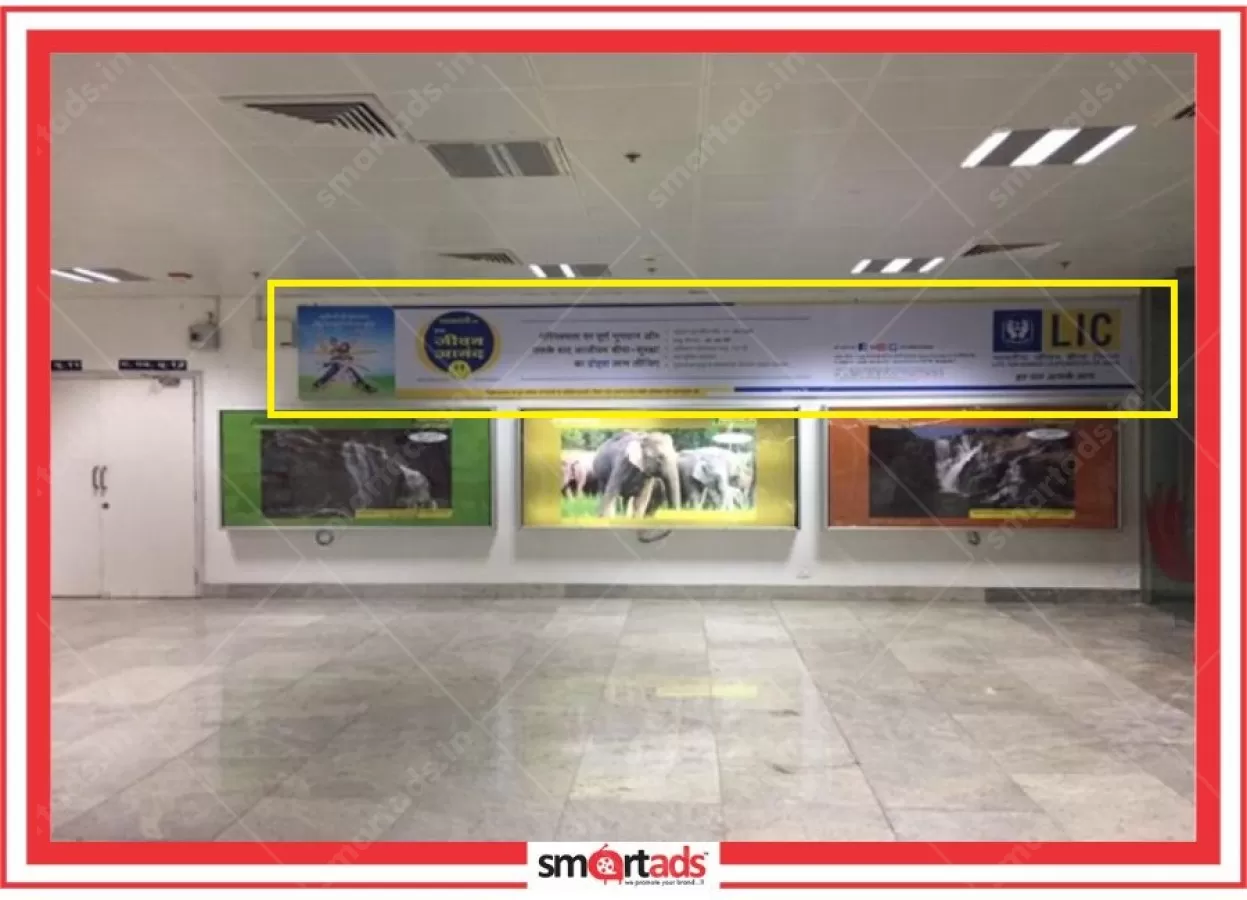
Wall Branding
W24 Ft x H3 Ft
100% Arrival Passengers at the Arrival H
Rate per Wall / Month
Nonlit - Arrival Unit 1 Arrival Hall, Fi
₹240000.00
Showing 1 to 6 of 6 Results
MEDIA DETAILS
W24 Ft x H3 Ft
100% Arrival Passengers at the Arrival H
Rate per Wall / Month
Nonlit - Arrival Unit 1 Arrival Hall, Fi
₹240000.00
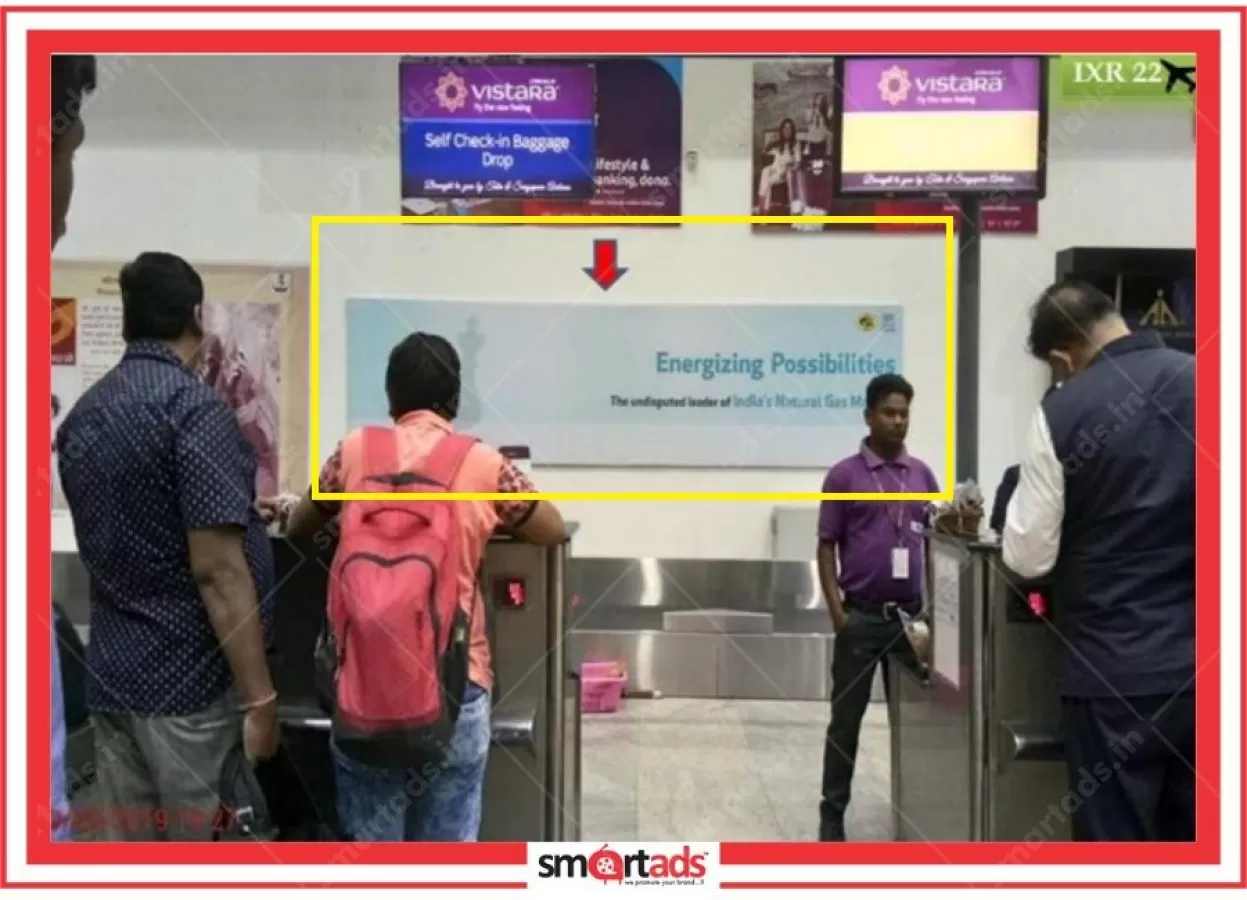
W16 Ft x H4 Ft
100% Departure Passengers at the Check i
Rate per Wall / Month
Nonlit - Departure Unit 1 Departure Behi
₹225000.00
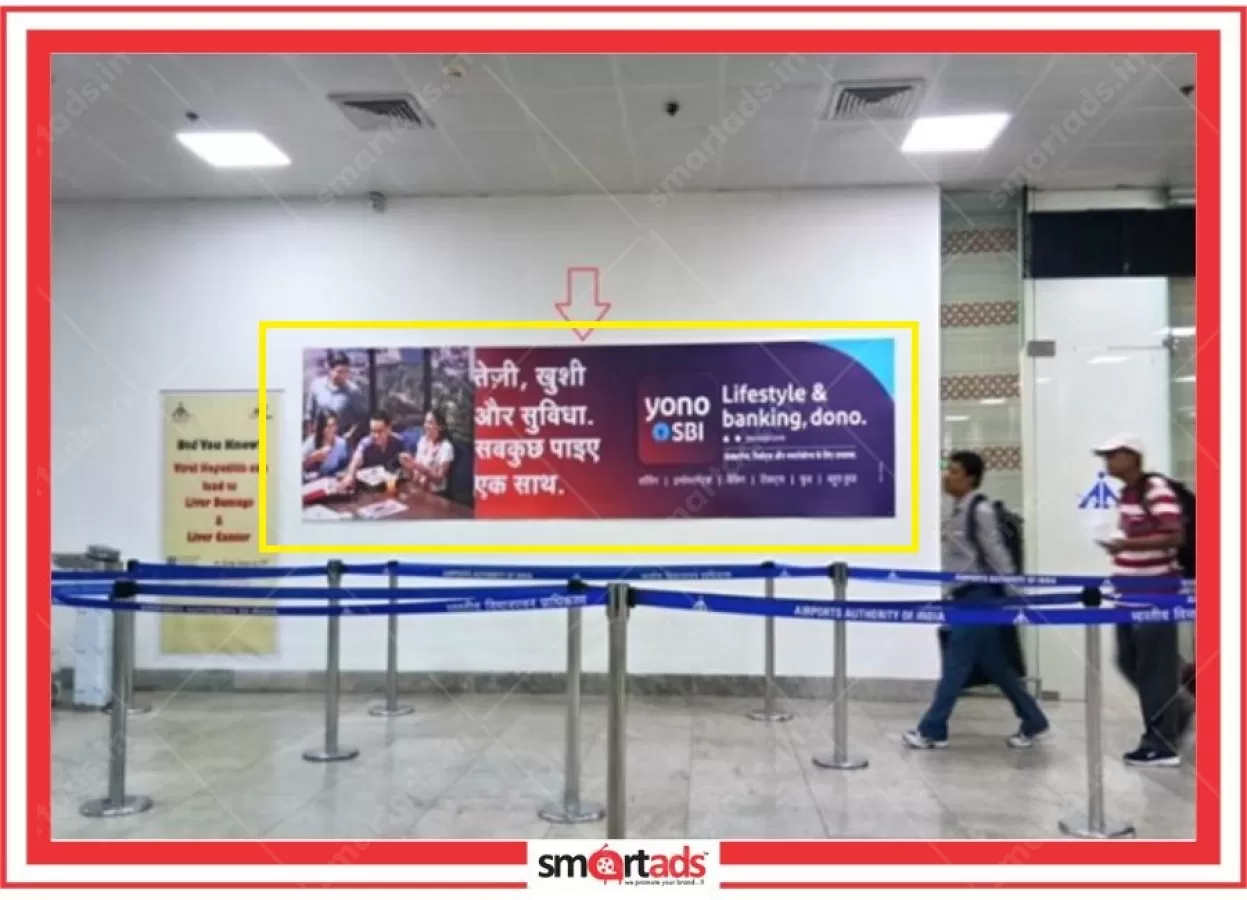
W16 Ft x H4 Ft
100% Departure Passengers at the Securit
Rate per Wall / Month
Nonlit - Departure Unit 1 Frisking Q, To
₹225000.00

W10 Ft x H3 Ft
100% Departure Passengers at the SHA, Ne
Rate per Wall / Month
Nonlit - Departure Unit 1 SHA Ground Flo
₹100000.00

W10 Ft x H3 Ft
100% Departure Passengers at the SHA
Rate per Wall / Month
Nonlit - Departure Unit 1 SHA 1st Floor
₹90000.00

W12 Ft x H3 Ft
100% Departure Passengers at the Check i
Rate per Wall / Month
Nonlit - Departure Unit 1 Behind Check i
₹160000.00
MEDIA REACH

Airports :
Devi Ahilyabai Holkar International Airport
MonthlyFootfall :
292000
MonthlyFlights :
1947
Terminal :
Domestic & International
Location :
Devguradia, Airport Rd, Indore

Indore's airport advertising landscape offers unique opportunities for brands targeting affluent business travelers and tourists, with rates starting from ₹45,000 per month for digital displays and passenger footfall exceeding 4.2 million annually. This comprehensive guide provides actual pricing data, strategic insights, and campaign execution frameworks based on real market intelligence from 500+ successful airport advertising campaigns across India.
The thing is, most marketers underestimate the demographic quality that Devi Ahilyabai Holkar International Airport delivers; which becomes evident when you analyze the passenger profile data that shows 68% of travelers belong to SEC A and B categories with household incomes exceeding ₹8 lakh annually. We have found through our campaign analysis that airport advertising in Indore generates brand recall rates of 72%, which is significantly higher than the 45% recall rates typically achieved through highway billboards or city-center outdoor advertising formats.
What sets Indore airport apart from other regional airports is the extended dwell time passengers experience—averaging 47 minutes from check-in to boarding, which provides multiple touchpoints for brand messaging across different zones within the terminal. Our experience with a premium automobile client demonstrated this perfectly; their campaign achieved 2.3 million impressions over three months through strategically placed digital screens at security checkpoints and baggage claim areas, resulting in a 34% increase in test drive bookings from the Indore catchment area.
The captive audience advantage becomes particularly pronounced during peak travel seasons, when passenger flow increases by 35% during festivals and business quarters; which creates premium advertising opportunities for brands willing to invest in high-impact formats. At SmartAds, we always tell our clients that airport advertising works differently from other outdoor media—it is not about frequency but about quality of exposure, where each impression carries significantly higher engagement potential due to the focused attention passengers give to their surroundings while waiting.
Frankly speaking, the advertising rates at Indore airport vary dramatically based on location, format, and campaign duration, with digital displays at prime locations like departure gates commanding rates in the ballpark of ₹85,000 per month while static displays near check-in counters work out to roughly ₹35,000 for similar durations. The pricing structure follows a tier-based model where Zone A locations—including security checkpoints, boarding gates, and arrival halls—typically cost 40-60% more than Zone B locations such as parking areas and exterior approach roads.
Digital video walls, which have become increasingly popular among technology and lifestyle brands, are priced somewhere between ₹1.2 lakh to ₹2.8 lakh per month depending on screen size and loop time allocation; with premium 15-second slots during peak hours (6 AM to 10 AM and 6 PM to 10 PM) commanding the highest rates. We recently executed a campaign for a fintech client where the cost per thousand impressions worked out to ₹12, which is remarkably cost-effective when you consider that each impression represents a high-value prospect rather than general mass-market exposure.
Static displays offer more budget-friendly entry points, with backlit panels measuring 10x12 feet available for approximately ₹45,000 per month, while smaller format displays near baggage claim areas start from ₹28,000 monthly. The interesting thing about airport advertising cost structures is the negotiation flexibility that exists for longer commitments—campaigns extending beyond six months typically secure 15-25% discounts, while annual contracts can reduce effective monthly rates by up to 35%. Our media planning team has observed that brands investing ₹15-20 lakh annually in airport advertising achieve significantly better rate efficiencies compared to shorter tactical campaigns, which explains why we recommend integrated annual approaches for clients with sustained brand-building objectives.
The media options at Indore airport have evolved considerably over the past three years, with digital innovation driving new formats that blend traditional outdoor advertising principles with interactive engagement capabilities. Digital screens dominate the premium inventory, ranging from 55-inch displays at boarding gates to massive video walls in the central concourse area; which provide brands with dynamic content capabilities and real-time campaign modifications that static formats simply cannot match.
Terminal advertising encompasses multiple zones, each serving different passenger journey stages and offering unique targeting advantages. Arrival hall displays capture passengers in a receptive mindset as they enter Indore, making them ideal for hospitality, automotive, and retail brands seeking to influence immediate purchase decisions or brand consideration during their visit. Departure area advertising, on the other hand, works exceptionally well for aspirational categories like luxury goods, travel services, and financial products; which benefit from the anticipatory mood passengers experience before their journey.
Specialized advertising formats have gained traction among brands seeking differentiated approaches—trolley advertising provides mobile brand visibility throughout the terminal, while boarding gate displays offer targeted exposure to specific flight routes and passenger demographics. One retail client we worked with leveraged gate-specific advertising to promote their Delhi and Mumbai store locations exclusively to passengers traveling to those cities, achieving a 28% higher conversion rate compared to generic terminal-wide campaigns. The baggage claim area presents unique opportunities for extended exposure, as passengers typically spend 15-20 minutes in this zone; which makes it perfect for detailed product demonstrations or brand storytelling through video content.
To be honest, Indore's position as Madhya Pradesh's commercial hub translates into a passenger profile that is distinctly different from typical tier-2 city airports, with business travelers constituting 45% of total footfall compared to the 25-30% average seen at similar-sized airports across India. The airport serves as a gateway for industrial centers like Pithampur and Dewas, which means the passenger demographic includes decision-makers from automotive, pharmaceutical, and textile industries—exactly the kind of affluent audience that premium brands struggle to reach through conventional media channels.
Passenger flow data reveals interesting patterns that smart advertisers can leverage; weekday traffic is dominated by business travelers with higher disposable incomes, while weekend and holiday periods see increased leisure travelers who are often in a spending mindset for experiences and lifestyle products. We have found that campaigns timed around festival seasons generate 40% higher brand recall, as passengers associate positive travel experiences with the brands they encounter during their journey.
The competitive landscape for airport advertising in Indore remains less saturated compared to metros, which means your brand message faces fewer distractions and enjoys higher share of voice. At SmartAds, our analysis shows that the average passenger at Indore airport is exposed to 12-15 advertising messages during their terminal experience, compared to 25-30 messages at Mumbai or Delhi airports; which significantly improves message retention and brand recall rates. The airport's infrastructure development plans, including terminal expansion and increased flight connectivity, position it as a growth market where early advertising investment can establish strong brand presence before competition intensifies.
The ROI calculation for airport advertising requires a nuanced understanding of brand metrics beyond immediate sales conversion, as the medium primarily drives brand awareness, consideration, and long-term purchase intent rather than direct response. Our campaign analysis across 40+ airport advertising initiatives shows that brands typically achieve 3.2x to 5.8x return on advertising investment when measured through comprehensive brand lift studies that track awareness, consideration, and purchase intent over 6-12 month periods.
A pharmaceutical client's campaign exemplifies the ROI potential perfectly; their ₹18 lakh investment in digital displays and static panels generated measurable brand awareness increase of 23% in the Indore market, which translated to ₹67 lakh in incremental sales over the following eight months as tracked through distributor sales data and market research studies. The key insight here is that airport advertising works as a brand multiplier—it amplifies the effectiveness of other marketing channels by creating premium brand associations and improving message receptivity across all touchpoints.
Performance analytics become particularly interesting when you examine the demographic quality of reach achieved. While a newspaper campaign might deliver 10 lakh impressions at ₹8 per thousand, airport advertising delivers 2.5 lakh impressions at ₹48 per thousand; but the latter represents prospects with 4x higher average income and significantly better brand affinity for premium products. We tell our clients to evaluate airport advertising ROI through the lens of customer lifetime value rather than immediate conversion metrics, as the medium excels at acquiring high-value customers who generate sustained revenue over multiple years.
Strategic planning for airport advertising campaigns requires deep understanding of passenger flow patterns, demographic variations, and message sequencing opportunities that exist within the terminal environment. The most effective campaigns we have executed follow a journey-based approach, where brand messaging evolves as passengers move through different airport zones—awareness-building content at entry points, consideration-driving messages at security and waiting areas, and action-oriented calls-to-action near departure gates.
Timing considerations play a crucial role in campaign effectiveness; which becomes evident when you analyze the seasonal variations in passenger demographics and travel purposes. Business travel peaks during October to March, making this period ideal for B2B services, financial products, and premium lifestyle brands, while leisure travel dominates during summer months when family-oriented products and experiential services achieve better response rates. We recently optimized a hospitality client's campaign by shifting their creative messaging seasonally—corporate retreat packages during business travel months and family vacation offers during leisure periods, resulting in 42% improvement in campaign effectiveness metrics.
Creative strategy must account for the unique viewing conditions and attention patterns within airport environments. Messages need to be instantly comprehensible, as passengers are often distracted by travel-related concerns and have limited attention spans for complex brand communications. At SmartAds, we recommend the 3-second rule for airport advertising creative—your core brand message should be clear within three seconds of viewing, with supporting information layered for those who choose to engage longer. Integration with digital marketing channels amplifies campaign impact significantly; QR codes and social media handles on airport displays can drive immediate online engagement, while retargeting pixels help brands reconnect with airport audiences through their digital journey.
Format selection depends heavily on brand objectives, target demographics, and budget allocation, with digital displays proving most effective for technology, automotive, and lifestyle brands that benefit from dynamic content and visual storytelling capabilities. Static displays work exceptionally well for financial services, healthcare, and real estate brands where detailed information and credibility messaging are more important than visual dynamism; which explains why we often recommend mixed-format approaches that leverage the strengths of each medium.
The performance data from our campaigns reveals interesting format preferences across different passenger segments. Business travelers engage more readily with professional, information-rich static displays during their waiting time, while leisure travelers respond better to vibrant, experiential digital content that captures the excitement of their journey. A banking client achieved optimal results by using static displays for corporate banking services near business lounges and digital screens for personal banking products in general waiting areas, resulting in 38% higher engagement across both segments.
Location-format combinations create the most impactful campaigns, with certain advertising formats performing significantly better in specific terminal zones. Baggage claim areas work best for static displays with detailed messaging, as passengers have extended dwell time and are receptive to information consumption. Security checkpoint areas favor quick-impact digital formats with bold visuals and minimal text, as passenger attention is divided and viewing time is limited. We have found that brands investing in format diversity across multiple locations achieve 45% better brand recall compared to single-format campaigns, as the varied exposure creates stronger memory encoding and message reinforcement throughout the passenger journey.
The regulatory framework for airport advertising in Indore involves multiple approval layers, starting with the Airports Authority of India guidelines and extending to local municipal regulations and fire safety compliance requirements. Content approval typically takes 7-14 working days, with additional time required for structural installations and electrical connections; which is why we always recommend initiating the approval process at least 21 days before intended campaign launch dates.
Advertising content must comply with specific guidelines regarding messaging appropriateness, visual standards, and safety considerations. Political advertising, tobacco products, and alcohol brands face restrictions or complete prohibitions, while pharmaceutical and financial service advertisements require additional regulatory clearances. The approval process has been streamlined over the past two years, with digital submissions and online tracking systems reducing paperwork delays that previously extended approval timelines.
Installation and maintenance protocols follow strict safety standards, particularly for digital displays that require electrical connections and structural mounting systems. All advertising installations must be certified by approved vendors and undergo safety inspections before activation; which is why we maintain partnerships with certified installation teams who understand airport-specific requirements and can ensure compliance without delays. At SmartAds, our regulatory compliance team handles all approval processes, documentation, and liaison with airport authorities, allowing clients to focus on campaign strategy and creative development while we manage the administrative complexities.
Performance measurement for airport advertising campaigns requires a multi-metric approach that combines traditional brand tracking methodologies with innovative audience measurement technologies. Brand lift studies remain the gold standard for measuring awareness, consideration, and purchase intent changes, but we have enhanced our measurement capabilities through passenger survey programs and digital engagement tracking that provide more granular performance insights.
The measurement framework we use includes three key components: reach and frequency metrics through passenger flow analysis, engagement measurement through QR code scans and website traffic attribution, and brand impact assessment through pre-and-post campaign surveys. One technology client's campaign generated 2.1 million impressions over four months, with 12,400 QR code scans leading to 3,800 website visits and 340 demo requests; which provided clear attribution and ROI calculation that justified campaign expansion.
Campaign optimization happens through continuous monitoring and real-time adjustments that digital formats enable. We track hourly impression delivery, analyze passenger flow patterns, and adjust content rotation schedules to maximize exposure during peak traffic periods. Performance analytics have revealed that campaigns optimized weekly based on passenger flow data achieve 28% better cost-per-impression efficiency compared to static scheduling approaches. The key is establishing baseline metrics during the first month and then implementing systematic optimization protocols that improve performance throughout the campaign duration.
Q: What are the advertising rates for Indore airport?
Advertising rates at Devi Ahilyabai Holkar International Airport vary significantly based on format, location, and campaign duration, with digital displays starting from ₹45,000 per month for smaller screens and extending to ₹2.8 lakh monthly for premium video walls in high-traffic zones. Static displays offer more budget-friendly options, typically ranging from ₹28,000 to ₹85,000 per month depending on size and placement location within the terminal. The pricing structure follows a zone-based model where prime locations like departure gates, security checkpoints, and baggage claim areas command premium rates that are 40-60% higher than secondary locations such as approach roads and parking areas. Campaign duration significantly impacts pricing, with annual contracts securing 25-35% discounts compared to monthly rates, while seasonal campaigns during peak travel periods may carry 15-20% surcharges due to increased passenger footfall and higher advertiser demand.
Q: How long does it take to set up an airport advertising campaign in Indore?
Campaign setup timelines typically range from 21 to 35 days from initial booking to campaign launch, depending on the complexity of installations and regulatory approval requirements. The approval process with airport authorities usually takes 7-14 working days for content clearance and installation permits, while physical installation of static displays requires an additional 3-5 days for mounting, electrical connections, and safety inspections. Digital display campaigns can be activated more quickly once hardware is installed, often within 24-48 hours of content approval, which makes them ideal for time-sensitive promotional campaigns. At SmartAds, we recommend initiating campaign planning at least 45 days before desired launch dates to accommodate potential delays in approvals, custom fabrication requirements, or seasonal booking congestion during peak advertising periods like festivals and business quarters.
Q: What types of digital advertising options are available at Indore airport?
Digital advertising options at Indore airport include LED video walls, LCD displays, interactive kiosks, and digital standees distributed across strategic locations within the terminal complex. The premium inventory consists of large-format video walls measuring 4x8 feet to 6x12 feet positioned in the central concourse and departure lounge areas, offering full-motion video capabilities with 15-30 second loop times depending on advertiser requirements. Smaller LCD displays ranging from 42-inch to 65-inch screens are strategically placed at boarding gates, security checkpoints, and baggage claim areas, providing targeted exposure to specific passenger segments based on their journey stage. Interactive digital kiosks have been introduced recently, allowing brands to create engaging experiences through touch-screen interfaces, QR code integration, and real-time content updates that can be modified remotely based on campaign performance data or seasonal messaging requirements.
Q: Can I target specific passenger demographics at Indore airport?
Demographic targeting at Indore airport is possible through strategic placement and timing rather than digital audience targeting technologies used in online advertising. Business travelers can be reached more effectively through displays in premium lounges, early morning and evening flight periods, and locations near gates serving major business destinations like Mumbai, Delhi, and Bangalore. Leisure travelers are better targeted through displays in general waiting areas, weekend and holiday periods, and locations near gates serving tourist destinations or smaller cities where family travel is more common. We have successfully executed targeted campaigns by analyzing flight schedules and passenger flow patterns—a luxury car brand achieved 34% higher engagement by focusing their campaign on gates serving metro cities during weekday business hours, while a family resort client optimized their reach by concentrating on weekend periods and gates serving leisure destinations.
Q: What is the minimum duration for airport advertising campaigns?
Most advertising formats at Indore airport require minimum campaign durations of one month, though some premium digital inventory may have shorter minimum commitments of 15 days during off-peak periods. Static displays typically require longer minimum commitments of 30-90 days due to installation and removal costs that make shorter campaigns economically inefficient for both advertisers and media owners. Digital displays offer more flexibility with minimum durations as short as two weeks for tactical campaigns, though optimal performance and cost efficiency are achieved through campaigns lasting 2-3 months or longer. Seasonal campaigns during festival periods or peak travel seasons may have different minimum duration requirements and often require advance booking of 60-90 days due to high demand from multiple advertisers competing for premium inventory during these high-traffic periods.
Q: How do I measure the effectiveness of my airport advertising campaign?
Campaign effectiveness measurement combines traditional brand tracking methodologies with modern digital attribution techniques to provide comprehensive performance insights. Brand lift studies conducted through passenger surveys measure awareness, recall, and purchase intent changes, typically showing results within 4-6 weeks of campaign launch and providing statistically significant data for campaigns reaching 50,000+ unique passengers. Digital engagement tracking through QR codes, campaign-specific URLs, and social media hashtags provides immediate response metrics and enables real-time optimization of messaging and creative elements. We implement multi-touch attribution models that track passenger journey from airport exposure through online research, store visits, and eventual purchase decisions, often revealing campaign impact over 3-6 month periods that extend well beyond the actual campaign duration due to the premium brand associations created through airport advertising exposure.
Q: What are the regulatory requirements for airport advertising in Indore?
Regulatory compliance involves multiple approval layers including Airports Authority of India guidelines, local municipal regulations, fire safety standards, and content appropriateness reviews. All advertising content must be submitted for approval 14-21 days before intended launch, with submissions requiring detailed creative specifications, installation plans, and safety compliance documentation. Restricted categories include tobacco products, alcohol brands (with some exceptions for premium spirits in designated areas), political messaging, and certain pharmaceutical products that require additional health ministry clearances. Installation requirements mandate certified vendors, structural engineering approvals for large displays, electrical safety inspections, and compliance with emergency evacuation protocols that ensure advertising installations do not obstruct passenger movement or emergency procedures during crisis situations.
Q: Which locations within the airport offer the best visibility?
Prime visibility locations include the central concourse area where all passengers pass through, departure gate waiting areas where dwell time averages 25-35 minutes, and baggage claim zones where passengers spend 15-20 minutes with focused attention on their surroundings. Security checkpoint areas provide high-impact exposure with 100% passenger coverage, though viewing time is limited to 2-3 minutes, making them ideal for simple, memorable brand messages rather than detailed product information. Arrival hall displays capture passengers in a receptive mindset as they enter Indore, while departure lounge locations work better for aspirational messaging targeting passengers leaving the city. The effectiveness of each location varies by campaign objectives—awareness campaigns perform best in high-traffic areas like the central concourse, while consideration-building campaigns achieve better results in longer dwell-time locations like departure gates and baggage claim areas.
Q: Can I combine static and digital advertising formats?
Format combination strategies often deliver superior results compared to single-format approaches, with mixed campaigns achieving 35-45% higher brand recall through varied exposure patterns that create stronger memory encoding. Static displays work effectively for detailed messaging, credibility building, and locations where passengers have extended viewing time, while digital formats excel at capturing attention, demonstrating products, and delivering dynamic content that changes based on time of day or passenger demographics. We recommend integrated approaches where static displays establish brand presence and detailed messaging, while digital screens provide dynamic reinforcement and call-to-action elements that drive immediate engagement. Budget allocation typically favors 60-70% investment in digital formats for maximum impact, with static displays providing cost-effective reach extension and message reinforcement throughout the passenger journey.
Q: What is the passenger footfall at Indore airport annually?
Devi Ahilyabai Holkar International Airport handles approximately 4.2 million passengers annually, with consistent growth rates of 8-12% year-over-year driven by increased business travel and improved connectivity to major Indian cities. Monthly passenger flow varies seasonally, with peak periods during October to March coinciding with favorable weather and increased business activity, while summer months see higher leisure travel but lower overall volumes. Daily passenger flow averages 11,500-12,000 during peak periods and 8,500-9,500 during off-peak months, with weekday traffic dominated by business travelers and weekend periods showing higher leisure travel proportions. The passenger demographic profile shows 68% belonging to SEC A and B categories with household incomes exceeding ₹8 lakh annually, making the airport audience significantly more affluent than general population demographics in the Indore catchment area.
The airport advertising landscape in Indore presents a compelling opportunity for brands seeking to reach affluent, engaged audiences in a premium environment that delivers measurable business impact. Our experience across hundreds of campaigns demonstrates that success requires strategic thinking beyond simple media placement; which means understanding passenger flow patterns, optimizing format selection, and integrating airport advertising with broader marketing initiatives to create sustained brand momentum.
The investment case for airport advertising becomes particularly strong when you consider the demographic quality and engagement levels that Devi Ahilyabai Holkar International Airport delivers. With passenger footfall exceeding 4.2 million annually and 68% belonging to high-income segments, the medium provides access to decision-makers and affluent consumers who are increasingly difficult to reach through traditional advertising channels. The extended dwell times, captive audience environment, and premium brand associations create ideal conditions for building brand awareness, driving consideration, and influencing purchase decisions among high-value prospects.
At SmartAds, we have refined our airport advertising approach through extensive campaign analysis and performance optimization across 500+ Indian cities, which enables us to deliver strategic recommendations and execution excellence that maximizes your advertising investment. Our integrated approach combines deep market intelligence, regulatory expertise, and performance measurement capabilities to ensure your airport advertising campaign achieves its objectives while delivering measurable ROI. For customized airport advertising strategies and detailed campaign proposals tailored to your brand objectives and budget parameters, connect with our media planning team at SmartAds.in to explore how airport advertising in Indore can accelerate your brand growth in one of India's most dynamic business markets.
