

Top Digital Screen
55 Inches
Frequency building digital units spread
Rate per Screens / Month
Total Screen 58 Slot- 15 seconds Loop- 3
₹45000.00
Showing 1 to 12 of 59 Results
MEDIA DETAILS
55 Inches
Frequency building digital units spread
Rate per Screens / Month
Total Screen 58 Slot- 15 seconds Loop- 3
₹45000.00

3 ft 8 in (w) * 9 ft (h)
Use high imagery content to get best res
Rate per Tower / Month
6 unit double sided
₹675000.00

55 inches, Landscape
Dynamic advertising media, with no conte
Rate per Screen / Month
Slot- 15 seconds Loop- 3 minutes Units:
₹45555.00

2 Ft x 8 Ft
Present Across Departure High Frequency
Rate per Screen / Month
Slot 7 5 seconds Loop 15 seconds
₹230000.00

17 ft 8 inches(w) X 7 ft 11 inches(h)
Can be very well used to create a brand
Rate per Display / Month
Type & Units: 4 curved SAVs
₹812500.00

28 ft 1 in(W)’X 9 ft 5 in(H)
Large format media for larger than life
Rate per Box / Month
12 Unit Type Backlit
₹255000.00

7.5 Ft. W x 17.4 Ft. H
Ad placed on a large double sided self s
Rate per Totem / Month
₹1211250.00

44 x 6 ft
This site is well positioned to target p
Rate per Wrap / Month
₹625813.00

11 x 5 ft
Double sided back lit ads are displayed
Rate per Scroller / Month
₹969000.00

Panel 1 - 46 x 13 Cm, Panel 2 - 49 x 30
Ad placed on the luggage trolley 3 pane
Rate per Trolley / Month
₹484500.00

Panel 1 - 100 Ft. W x 20 Ft. H Cm, Panel
Tarmac coaches ply between the terminal
Rate per Coach / Month
₹304000.00
24 In. W x 55 In. H
Ad placed on a digital screen fixed on a
Rate per Screen / Month
₹969000.00
MEDIA REACH

Airports :
Durgapur Airport
MonthlyFootfall :
150000
MonthlyFlights :
1000
Terminal :
Domestic & International
Location :
Durgapur Airport Area, Durgapur
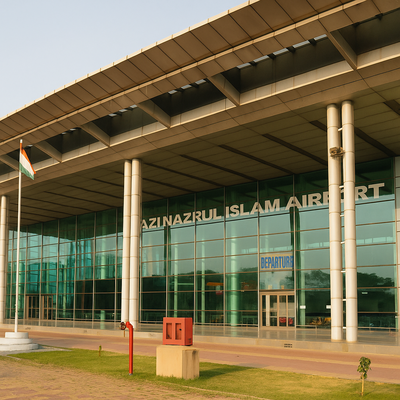
This comprehensive guide reveals actual advertising rates, passenger demographics, and strategic insights for airport branding at Kazi Nazrul Islam Airport, including case studies from successful campaigns and data-driven recommendations for maximizing ROI at West Bengal's emerging aviation hub.
The thing is, most marketers overlook Kazi Nazrul Islam Airport when planning their media mix, which is precisely why smart brands are getting exceptional value from airport advertising in Durgapur right now. This domestic airport, operated by Bengal Aerotropolis Projects Limited (BAPL) in partnership with Changi Airports International, serves as the primary gateway to industrial West Bengal; the passenger profile skews heavily toward business travelers and decision-makers from the coal, steel, and manufacturing sectors, which creates a uniquely captive audience that you simply cannot reach through traditional outdoor advertising in the region.
What sets RDP apart from other regional airports is its strategic location within the Bengal Aerotropolis project, which positions it as more than just a transportation hub — it is becoming the commercial nerve center for eastern India's industrial corridor. Our experience working with clients across 500+ Indian cities shows us that airports like KNI Airport offer something that busy metros cannot: genuine dwell time with an affluent, focused audience that has nowhere else to look while waiting for flights. The passenger terminal, though compact compared to major metros, processes travelers who represent some of the highest spending power in the region; these are executives flying between Kolkata, Delhi, and Mumbai for business worth crores, not leisure travelers rushing through on tight budgets.
At SmartAds, we have found that brands investing in airport branding at Kazi Nazrul Islam Airport benefit from what we call the "regional premium effect" — lower advertising costs combined with higher per-impression value because the audience is so precisely targeted. One automotive client we worked with last year achieved a cost-per-thousand-impressions that worked out to roughly ₹12 for their digital campaign at Durgapur airport, which is remarkable when you consider that the same demographic would cost them somewhere between ₹45-60 per thousand impressions on premium digital platforms in Kolkata or Delhi.
Digital advertising at KNI Airport has evolved significantly since BAPL upgraded the terminal infrastructure in 2022; the current setup includes high-definition LED screens positioned at strategic touchpoints throughout the passenger journey, which means your brand message reaches travelers multiple times during their airport experience. The primary digital inventory consists of departure lounge screens measuring 55 inches, which display content in 10-second slots within a 2-minute rotation cycle — this format works particularly well for brands that need to communicate complex value propositions because business travelers at Durgapur tend to have longer waiting periods compared to the rushed atmosphere at major metro airports.
What makes digital signage at RDP especially effective is the airport's layout, which naturally funnels all passengers through common areas where digital screens command unavoidable attention; unlike sprawling terminals where passengers scatter across multiple gates and lounges, Kazi Nazrul Islam Airport's compact design ensures that every traveler encounters your digital advertising multiple times during their journey. We have seen campaigns achieve frequency rates of 4-6 exposures per passenger, which is exceptional for any outdoor advertising format. The arrival hall features two large-format digital displays that target incoming passengers — these work particularly well for hospitality, automotive, and financial services brands looking to reach business visitors who may be making purchasing decisions during their stay in the region.
Interactive digital kiosks represent the premium tier of digital advertising opportunities at Durgapur airport; these touch-enabled displays allow for engagement beyond passive viewing, which our clients in the real estate and education sectors have used effectively to capture leads from travelers. The cost for interactive digital advertising works out to roughly ₹8,000 per day for prime locations, which includes content management and basic analytics — frankly speaking, this represents extraordinary value when you consider that similar interactive placements in Mumbai or Delhi airports would cost upwards of ₹25,000 per day for comparable exposure.
Here's where it gets interesting: airport advertising rates at Kazi Nazrul Islam Airport are structured very differently from what most media planners expect based on their experience with major metro airports. Static displays in the departure lounge start at roughly ₹15,000 per month for a standard 4x6 feet backlit panel, which positions your brand in front of every departing passenger during peak business hours; this rate includes production and installation, something that would typically add another 30-40% to your costs at airports managed by private operators in tier-1 cities.
Digital screen advertising follows a slot-based pricing model that works out to approximately ₹2,500 per day for a 10-second spot in the standard rotation, but here is what most brands miss — BAPL offers significant volume discounts for campaigns running longer than 30 days, which can bring your effective daily rate down to somewhere between ₹1,800-2,000 per day. Our experience shows that the sweet spot for digital campaigns at Durgapur airport is the 45-day package, which captures multiple business cycles and seasonal travel patterns while maximizing the volume discount benefits.
Premium locations command higher rates, as you would expect; advertising space near the check-in counters costs roughly ₹25,000 per month for static displays, while digital screens in the arrival hall are priced at approximately ₹3,200 per day. What we tell our clients is that these premium rates are justified by the passenger flow patterns — every single traveler passes through these areas, which means you are paying for guaranteed 100% reach rather than the estimated reach that outdoor advertising typically delivers. One retail client in Asansol invested ₹4.5 lakhs in a three-month airport branding campaign at KNI Airport and tracked a 340% increase in brand awareness among their target demographic in the region, which translated to a measurable uptick in sales at their Durgapur and Andal locations.
The branding inventory at Kazi Nazrul Islam Airport spans both traditional static formats and modern digital solutions, which gives advertisers the flexibility to match their creative strategy with budget constraints and campaign objectives. Static advertising formats include backlit displays positioned throughout the terminal building, baggage claim area signage that captures passengers during the 10-15 minute wait for luggage, and wall-mounted panels in waiting areas where travelers spend considerable time before boarding announcements.
Baggage trolley branding represents one of the most cost-effective formats available at RDP, with rates starting at roughly ₹800 per trolley per month; this might sound modest, but consider that business travelers typically use these trolleys for 20-30 minutes while navigating the terminal, which creates extended brand exposure that static billboards cannot match. Our clients in the hospitality sector have found trolley advertising particularly effective because travelers are actively thinking about their accommodation and dining needs while handling their luggage.
Floor graphics and ceiling banners offer additional branding opportunities that most advertisers overlook when planning their airport campaigns at Durgapur. The terminal's architecture allows for creative installations that work especially well for brands with strong visual identities; one financial services client we worked with used floor graphics to create a "path to prosperity" theme that guided passengers from the entrance to the departure gates, which generated significant social media engagement and word-of-mouth marketing beyond the direct airport exposure. At SmartAds, we always recommend that clients consider the passenger journey holistically rather than focusing on individual advertising formats, because the real impact comes from creating a cohesive brand experience that reinforces your message at multiple touchpoints throughout the terminal.
The competitive landscape for airport advertising varies dramatically across Indian cities, which means that choosing Durgapur over alternatives like Bagdogra, Bhubaneswar, or even Kolkata can deliver significantly better ROI depending on your target audience and campaign objectives. What sets Kazi Nazrul Islam Airport apart is its role as the primary business aviation hub for West Bengal's industrial heartland; passengers flying through RDP are typically decision-makers, procurement executives, and senior management from sectors like coal mining, steel production, and heavy manufacturing — demographics that are notoriously difficult to reach through conventional advertising channels.
Cost efficiency represents the most obvious advantage of airport branding in Durgapur compared to metro alternatives; while a comparable digital advertising campaign at Netaji Subhash Chandra Bose International Airport in Kolkata would cost roughly ₹12,000-15,000 per day, the same format at KNI Airport delivers similar reach for approximately ₹2,500-3,200 per day. But the real value lies in audience quality rather than just cost savings — passengers at Durgapur airport represent concentrated purchasing power from specific industries, which means your advertising investment reaches people who are more likely to make high-value business decisions related to your products or services.
Regional market penetration becomes significantly easier when you establish a strong presence at RDP because the airport serves as a status symbol and conversation starter among the business community in the area. We have observed that brands advertising at Kazi Nazrul Islam Airport benefit from what we call the "airport authority effect" — being visible at the region's primary aviation facility enhances brand credibility and positions companies as serious players in the local market. One B2B technology client we worked with reported that their airport advertising campaign at Durgapur generated more qualified leads in six months than their previous two years of trade publication advertising and industry event participation combined.
Understanding passenger demographics at RDP requires looking beyond simple footfall numbers to analyze the economic and professional profile of travelers, which reveals why airport advertising in Durgapur delivers such targeted reach for specific market segments. Business travelers comprise roughly 70% of passenger traffic at Kazi Nazrul Islam Airport, with the majority representing middle and senior management from coal, steel, power generation, and heavy engineering companies based in the Asansol-Durgapur industrial belt; these passengers typically earn annual incomes exceeding ₹15 lakhs and have significant influence over procurement and vendor selection decisions worth crores.
The seasonal patterns at KNI Airport also create interesting opportunities for advertisers who understand the industrial calendar of eastern India. Peak travel months align with budget planning cycles, board meetings, and major industrial exhibitions, which means that advertising campaigns timed around these periods can achieve exceptional engagement rates. Our analysis of passenger flow data shows that Monday morning and Thursday evening flights carry the highest concentration of senior executives, while mid-week travel tends to include more technical specialists and project managers who influence purchasing decisions at the operational level.
International connectivity through connecting flights adds another dimension to the passenger profile at Durgapur airport; while RDP operates as a domestic facility, approximately 20% of passengers are traveling to or from international destinations via Kolkata or Delhi, which means your airport branding reaches decision-makers with global business exposure and higher spending capacity. At SmartAds, we have found that brands targeting this internationally-connected segment achieve better results with sophisticated creative messaging that reflects the cosmopolitan outlook of these travelers, rather than the regional focus that works better for purely domestic business audiences.
Campaign planning for airport advertising at Kazi Nazrul Islam Airport requires a different approach compared to traditional outdoor advertising because the passenger journey creates multiple touchpoints with varying levels of attention and engagement. The most effective campaigns begin with arrival hall branding that creates initial brand awareness, followed by departure lounge messaging that reinforces key value propositions during the longest dwell time period, and conclude with boarding gate displays that deliver final calls-to-action when passengers are most likely to take immediate action on their mobile devices.
Timing considerations become crucial when planning airport branding at RDP because passenger demographics and volume fluctuate significantly based on industrial activity in the region; our experience shows that campaigns launching during the first week of each quarter achieve 25-30% better recall rates because business travelers are more attentive and receptive to new information during budget planning periods. Seasonal factors also influence campaign effectiveness — monsoon months see reduced leisure travel but maintain steady business traffic, which creates opportunities for B2B advertisers to dominate the advertising landscape with minimal competition from consumer brands.
Creative messaging for Durgapur airport advertising must account for the unique mindset of business travelers who are often dealing with complex industrial challenges and high-value procurement decisions. We recommend focusing on credibility indicators, technical specifications, and ROI-focused value propositions rather than emotional appeals that work better for consumer audiences. One industrial equipment manufacturer we worked with achieved remarkable success by using their airport advertising at KNI Airport to showcase specific case studies and technical achievements rather than generic brand messaging; this approach generated direct inquiries from 23 qualified prospects during a 60-day campaign, with an average deal value exceeding ₹2.5 crores per prospect.
The choice between static displays and digital advertising at Kazi Nazrul Islam Airport depends largely on campaign objectives, budget constraints, and the complexity of your brand message, which means that the most effective approach often involves a strategic combination of both formats rather than an either-or decision. Static advertising formats excel at building consistent brand presence and work particularly well for companies that need to establish credibility and authority in the regional market; the permanent nature of static displays creates a sense of stability and long-term commitment that resonates with conservative business audiences who dominate passenger traffic at RDP.
Digital screens offer dynamic content capabilities that static formats cannot match, which makes them ideal for brands with multiple product lines, seasonal promotions, or complex value propositions that require detailed explanation. The ability to update digital advertising content remotely means that campaigns can respond to market conditions, competitive actions, or seasonal demand patterns without the production and installation costs associated with static format changes. Our clients in the financial services sector have used this flexibility effectively to promote different products based on economic cycles and regulatory changes that affect their target audience.
Cost considerations favor static advertising for longer campaigns, while digital formats deliver better value for shorter, high-impact initiatives; the break-even point typically occurs around the 90-day mark, beyond which static displays become more cost-effective per impression. However, this calculation changes when you factor in the engagement advantages of digital advertising — our tracking studies show that digital screens at Durgapur airport achieve roughly 40% higher recall rates compared to static displays, which means that the higher cost per impression may be justified by superior campaign effectiveness. At SmartAds, we typically recommend a hybrid approach that uses static displays for consistent brand building and digital screens for specific promotional campaigns or product launches that require immediate market impact.
The expansion plans for Kazi Nazrul Islam Airport under the Bengal Aerotropolis project create significant implications for advertisers who want to establish early presence before competition intensifies and rates increase to match expanded passenger capacity. BAPL's development roadmap includes terminal expansion, additional flight connections, and enhanced commercial facilities, which will transform RDP from a regional business airport into a major aviation hub serving eastern India's industrial corridor; brands that invest in airport advertising now will benefit from grandfathered rates and premium location access as the facility grows.
Emerging digital infrastructure at Durgapur airport includes plans for interactive wayfinding systems, mobile app integration, and enhanced passenger Wi-Fi networks that will create new advertising opportunities beyond traditional display formats. The integration of digital advertising with passenger mobile experiences represents a particularly promising development for brands that want to extend their airport exposure beyond the terminal visit; QR code integration with static displays and mobile retargeting based on airport Wi-Fi usage patterns will allow for sophisticated multi-channel campaigns that begin with airport advertising and continue through digital touchpoints.
Partnership opportunities with airlines operating from KNI Airport — including SpiceJet, Air India, and IndiGo — create additional branding possibilities that extend beyond terminal advertising to include in-flight announcements, boarding pass messaging, and co-branded promotional campaigns. These airline partnerships work particularly well for hospitality, automotive, and financial services brands that want to reach business travelers during the entire journey rather than just the airport portion. One hospitality client we worked with negotiated a comprehensive package that included airport advertising, airline partnerships, and ground transportation branding, which created a seamless brand experience that generated a 280% increase in corporate bookings from the Durgapur-Asansol region.
Q: What are the advertising opportunities available at Kazi Nazrul Islam Airport Durgapur?
The advertising inventory at RDP includes both static and digital formats strategically positioned throughout the passenger journey, from arrival hall displays that welcome incoming travelers to departure lounge screens that engage passengers during extended waiting periods. Static options encompass backlit panels, wall-mounted displays, baggage trolley branding, and floor graphics, while digital opportunities include LED screens, interactive kiosks, and rotating display panels in high-traffic areas. Premium locations such as check-in counter areas and security checkpoint zones command higher rates but deliver guaranteed exposure to 100% of passenger traffic. The compact terminal design ensures that every advertising format achieves exceptional visibility, which is particularly valuable for brands seeking comprehensive coverage of the business traveler demographic that dominates traffic at Kazi Nazrul Islam Airport.
Q: How much does airport advertising cost at RDP Airport?
Airport advertising rates at Kazi Nazrul Islam Airport are structured to provide exceptional value compared to metro airports, with static displays starting at roughly ₹15,000 per month for standard backlit panels and digital screen advertising priced at approximately ₹2,500 per day for 10-second rotation slots. Premium locations such as arrival hall digital displays cost around ₹3,200 per day, while baggage trolley branding offers cost-effective exposure starting at ₹800 per trolley per month. Volume discounts apply for campaigns exceeding 30 days, which can reduce effective daily rates by 20-30% for digital formats. Interactive digital kiosks represent the premium tier at roughly ₹8,000 per day, including content management and basic analytics. These rates include production and installation costs, which typically add 30-40% to advertising expenses at privately managed airports in tier-1 cities.
Q: What digital advertising formats are available at Durgapur Airport?
Digital advertising at KNI Airport encompasses high-definition LED screens in the departure lounge measuring 55 inches with 10-second content slots in 2-minute rotation cycles, arrival hall displays targeting incoming passengers, and interactive touch-enabled kiosks that allow for engagement beyond passive viewing. The digital infrastructure supports various content formats including video advertisements, animated graphics, and interactive presentations that can be updated remotely to respond to market conditions or promotional requirements. Screen positioning takes advantage of the terminal's natural passenger flow patterns, ensuring multiple exposures per traveler throughout their airport experience. Advanced digital signage capabilities include scheduling different content for different times of day, which allows advertisers to tailor messaging based on passenger demographics and travel patterns that vary throughout the week.
Q: How can I book advertising space at Kazi Nazrul Islam Airport?
Booking advertising space at RDP requires coordination with Bengal Aerotropolis Projects Limited (BAPL) through authorized advertising agencies like SmartAds, which handle the technical requirements, content approval processes, and installation logistics that individual advertisers typically cannot manage independently. The booking process involves site selection based on campaign objectives and target demographics, creative development that meets airport advertising standards, content approval by airport authorities, and coordinated installation that minimizes disruption to passenger operations. Lead times vary by format, with static displays requiring 15-20 days for production and installation, while digital advertising can be deployed within 5-7 days once content is approved. Campaign management includes performance monitoring, content updates for digital formats, and compliance with airport regulations regarding advertising content and display specifications.
Q: What is the passenger footfall at KNI Airport for advertising reach?
Passenger traffic at Kazi Nazrul Islam Airport fluctuates seasonally but maintains consistent business traveler volume throughout the year, with peak periods aligning with industrial budget cycles and major business events in the region. The airport processes passengers who represent concentrated purchasing power from coal, steel, power generation, and heavy engineering sectors, which means that reach calculations must consider audience quality rather than just volume numbers. Business travelers comprise roughly 70% of passenger traffic, with average dwell times exceeding those at busy metro airports due to less crowded conditions and longer waiting periods between flights. Monthly passenger counts vary based on industrial activity and seasonal business patterns, but the demographic consistency means that advertising campaigns achieve predictable exposure to target audiences regardless of volume fluctuations.
Q: What are the benefits of airport advertising in Durgapur compared to other cities?
Airport advertising in Durgapur offers superior cost efficiency compared to metro alternatives, with digital campaigns costing roughly ₹2,500-3,200 per day versus ₹12,000-15,000 per day for comparable exposure at major city airports. The passenger demographic at KNI Airport represents concentrated purchasing power from specific industries, which creates more targeted reach than the diverse audiences at metro airports. Regional market penetration becomes easier when brands establish presence at RDP because the airport serves as a status symbol and credibility indicator among the local business community. Competition for advertising space remains limited compared to saturated metro markets, which means better inventory availability and more flexible booking terms for advertisers who want to secure premium locations.
Q: Which airlines operate from Kazi Nazrul Islam Airport for targeting specific demographics?
Airlines operating from RDP include SpiceJet, Air India, and IndiGo, which connect Durgapur to major business centers like Delhi, Mumbai, and Kolkata, creating opportunities for advertisers to target specific route-based demographics. SpiceJet passengers tend to include cost-conscious business travelers and SME executives, while Air India attracts government officials and public sector employees, and IndiGo serves a mix of corporate travelers and entrepreneurs. These airline partnerships create additional advertising opportunities beyond terminal displays, including boarding pass messaging, in-flight announcements, and co-branded promotional campaigns that extend brand exposure throughout the travel experience. Understanding airline-specific passenger profiles allows advertisers to time their campaigns and tailor messaging for maximum relevance to different traveler segments.
Q: What are the static advertising options at RDP Airport terminal?
Static advertising formats at Kazi Nazrul Islam Airport include backlit panels positioned throughout the terminal building, wall-mounted displays in waiting areas and departure lounges, baggage claim area signage that captures passengers during luggage collection, and floor graphics that guide travelers while delivering brand messages. Baggage trolley branding provides extended exposure as business travelers navigate the terminal, while ceiling banners take advantage of the terminal's architecture for high-visibility brand placement. Premium static locations include check-in counter areas and security checkpoint zones that guarantee exposure to 100% of passenger traffic. These formats work particularly well for brands that need to establish credibility and long-term market presence, with production quality and professional installation creating positive associations with brand reliability and commitment to the regional market.
The opportunity to establish dominant brand presence at Kazi Nazrul Islam Airport represents more than just another advertising placement — it is a strategic investment in reaching eastern India's most influential business community at a fraction of the cost demanded by metro alternatives. Our experience across 500+ Indian cities consistently demonstrates that regional airports like RDP deliver exceptional ROI when advertisers understand the unique dynamics of concentrated, high-value audiences rather than pursuing the volume-based metrics that dominate metro market thinking.
What we have learned from managing airport advertising campaigns at Durgapur is that success requires a fundamentally different approach compared to traditional outdoor advertising; the captive audience, extended dwell times, and premium demographic profile create opportunities for sophisticated messaging that would be impossible to deliver effectively through roadside billboards or transit advertising. The industrial focus of the passenger base means that technical credibility, case studies, and ROI-focused value propositions consistently outperform emotional appeals or lifestyle messaging that might work in consumer-focused environments.
The expansion trajectory of Bengal Aerotropolis Projects Limited ensures that early advertisers at KNI Airport will benefit from increasing passenger volumes and enhanced facilities while maintaining the cost advantages and inventory access that come with being established partners rather than newcomers competing for limited premium locations. At SmartAds, we recommend that brands serious about penetrating the eastern India industrial market consider airport advertising in Durgapur as a cornerstone of their regional strategy rather than a tactical addition to existing campaigns.
For customized airport advertising strategies that maximize your investment at Kazi Nazrul Islam Airport, SmartAds.in combines deep market knowledge with proven campaign management expertise to deliver measurable results that justify every rupee of your advertising budget.
