
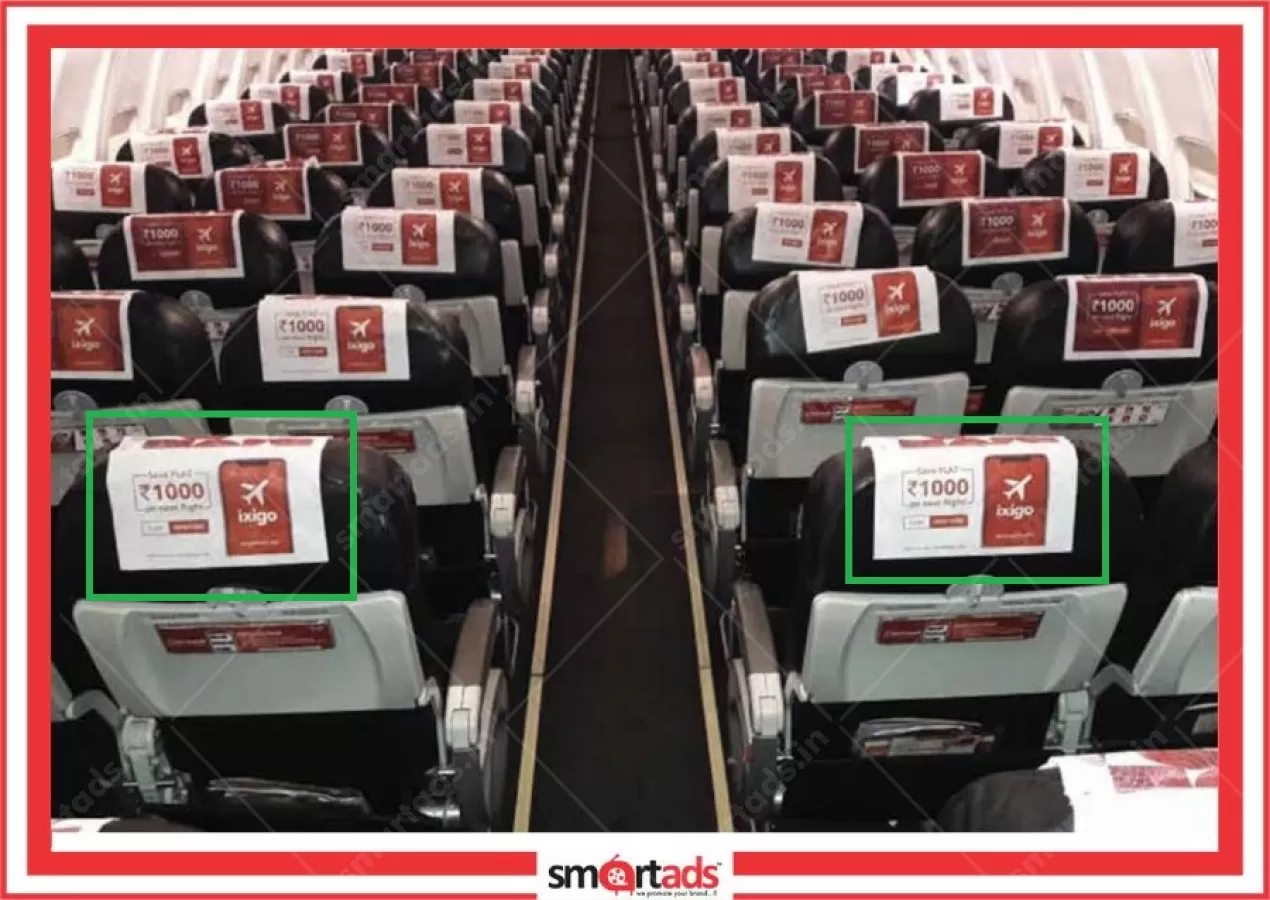
Headrest Cover
28 W x 32 H cm
Advertisements will be displayed on the
Rate per Aircraft / Month
Min 10 Aircraft
₹85000.00
Showing 1 to 7 of 7 Results
MEDIA DETAILS
28 W x 32 H cm
Advertisements will be displayed on the
Rate per Aircraft / Month
Min 10 Aircraft
₹85000.00
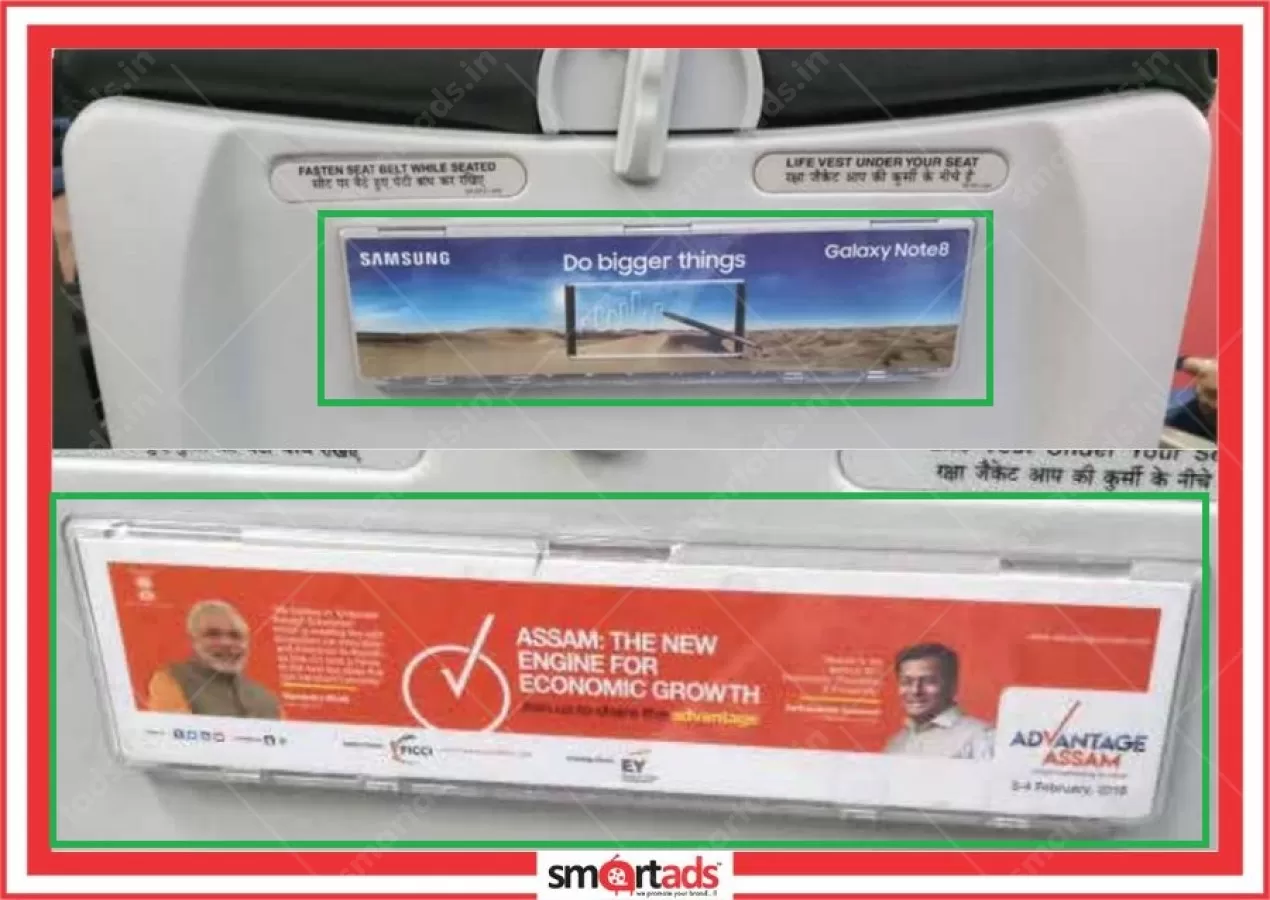
217.5 W x 53.5 H with 3mm bleed
Seat Back Branding is displayed on the m
Rate per Aircraft / Month
Min 10 Aircraft
₹180000.00
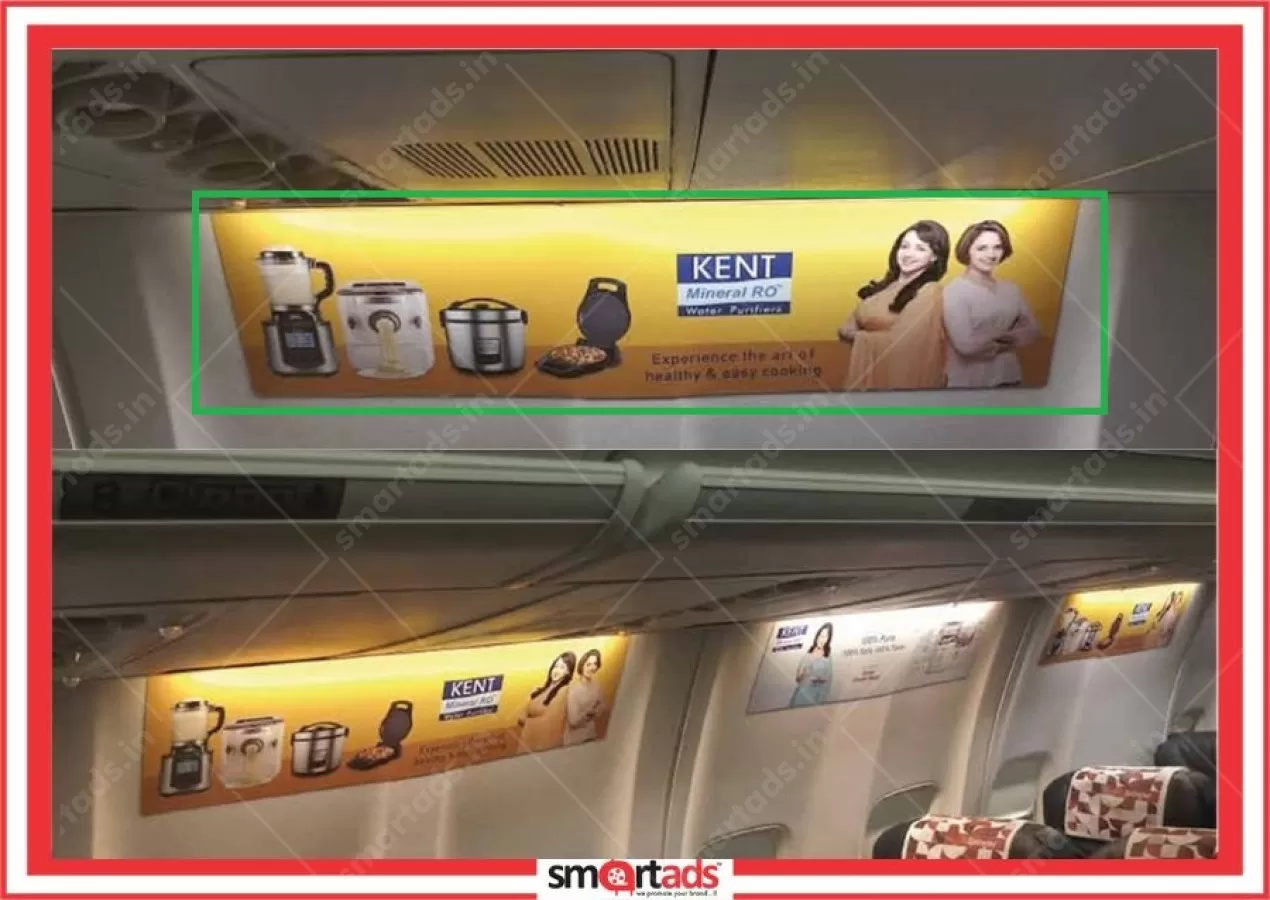
35 W x 5.5 H
Advertisements will be displayed inside
Rate per Aircraft / Month
Min 10 Aircraft
₹425000.00
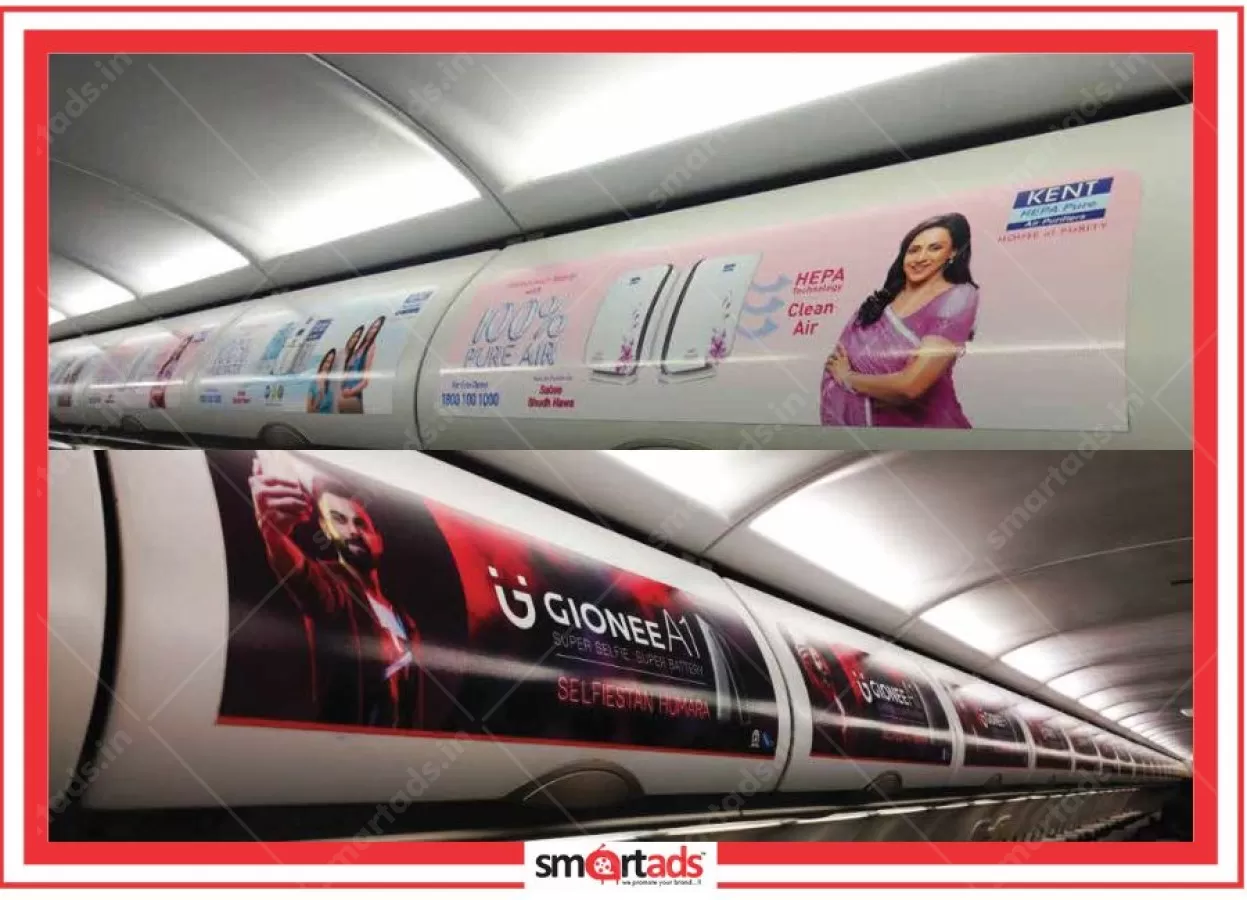
Custom Size
Maximum view. Maximum brand coverage. Ev
Rate per Overhead / Month
Min 10 Aircraft
₹500000.00

139*92 W X 35 H
Tray table branding is highly visible to
Rate per Aircraft / Month
Min 10 Aircraft
₹97000.00

580 W X 196 H Approx
Advertisements will be displayed on the
Rate per Boarding Pass / Month
Min 10 lac Qty
₹2.00

350-400 sq.feet display on both the side
Advertisements are displayed as a wrap c
Rate per Aircraft / Month
Min 3 Aircraft
₹3800000.00
MEDIA REACH

This comprehensive guide reveals insider data on Akasa Air advertising costs, format options, and campaign strategies based on real industry experience; we share actual rate benchmarks, audience insights, and proven ROI optimization tactics that most agencies won't discuss openly.
The thing is, Akasa Air's advertising inventory offers something most established carriers can't match — a fresh brand environment where your message won't get lost among decades of accumulated visual clutter. Our experience working with brands across Akasa Air's network shows that the airline's modern fleet presentation creates an unusually clean backdrop for advertising messages, which translates directly into higher brand recall rates than what we typically see on legacy carriers.
Seat back advertising remains the cornerstone of any serious Akasa Air campaign; the format delivers roughly 2.5 hours of average exposure time per passenger, which works out to significantly more dwell time than most outdoor or print placements can offer. What makes this particularly valuable is the captive nature of the audience — passengers on domestic routes, which constitute about 85% of Akasa Air's current operations, tend to engage more actively with seat back content during the critical takeoff and landing phases when electronic devices must be stowed.
Headrest covers represent another high-impact option that we've seen work exceptionally well for FMCG and lifestyle brands; the positioning ensures your creative remains in the passenger's peripheral vision throughout the flight duration, creating what industry research suggests is optimal frequency without irritation. On top of that, meal tray advertising on Akasa Air flights offers unique advantages because the airline's service model includes complimentary refreshments on most routes, guaranteeing interaction with your branded placement in a way that many budget carriers simply cannot promise.
Frankly speaking, Akasa Air advertising rates have stabilized at levels that surprise most brand managers when they compare the cost per impression to traditional media channels. Seat back advertising across the Akasa Air fleet typically works out to somewhere between ₹8,000 and ₹15,000 per aircraft per month, depending on route popularity and seasonal demand; this translates to a CPM that hovers around ₹12-18 when you factor in the airline's average load factors of roughly 85%.
The pricing structure becomes more interesting when you examine headrest advertising, which commands rates in the ballpark of ₹5,000 to ₹9,000 per aircraft monthly — a number that makes sense when you consider the smaller creative real estate but consistent visibility throughout the flight experience. What we tell our clients is that these rates represent exceptional value when measured against the demographic quality of Akasa Air's passenger base, which skews heavily toward urban professionals and business travelers with household incomes exceeding ₹8 lakh annually.
Meal tray advertising represents perhaps the most cost-effective entry point into Akasa Air's inventory, with monthly rates typically ranging from ₹3,500 to ₹6,500 per aircraft depending on route selection and campaign duration. At SmartAds, we've found that brands achieving the best ROI from Akasa Air campaigns are those that book inventory across multiple touchpoints rather than concentrating budget on a single format; a retail client in Pune saw their brand recall scores increase by 34% when we distributed their budget across seat backs, headrests, and meal trays compared to a seat back-only approach.
Here's where it gets interesting — the most effective Akasa Air advertising campaigns we've executed combine multiple format types to create what industry professionals call "surround advertising," which leverages the confined aircraft environment to build message frequency without overwhelming passengers. Seat back advertising anchors most successful campaigns because it offers the largest creative canvas and highest engagement during critical flight phases; passengers naturally interact with seat back content during boarding, taxi, and descent when they're actively seeking distraction.
Aircraft wrapping represents the premium tier of Akasa Air advertising options, though it requires substantial budget commitment and longer lead times for execution. The format works exceptionally well for major product launches or corporate branding campaigns where the goal extends beyond passenger engagement to include ground-level brand visibility at airports across Akasa Air's network, which now covers over 25 Indian cities with plans for continued expansion.
What a lot of people miss is the effectiveness of boarding pass advertising, which creates the first brand touchpoint in the customer journey and benefits from high retention rates since passengers typically keep boarding passes throughout their travel experience. Our campaign data shows that boarding pass placements generate recall rates of roughly 68%, which compares favorably to newspaper advertising while reaching a significantly more affluent demographic profile than most print publications can deliver.
The demographic composition of Akasa Air passengers creates advertising opportunities that established carriers struggle to match due to their broader, more varied customer base. Our analysis of passenger data — gathered through post-flight surveys and booking pattern analysis — reveals that roughly 72% of Akasa Air travelers fall into the 25-45 age bracket with college education and urban residence, creating an ideal environment for brands targeting India's emerging middle class and affluent urban consumers.
Route network expansion has positioned Akasa Air as particularly valuable for brands seeking to establish presence in tier-2 cities where traditional advertising options remain limited or expensive relative to reach potential. The airline's focus on connecting metros like Mumbai, Delhi, Bangalore, Chennai, and Hyderabad with emerging destinations creates unique access to audiences that might be difficult to reach through conventional media channels; a consumer electronics brand we worked with saw 23% higher purchase intent scores in tier-2 markets after running a six-month Akasa Air campaign compared to their previous outdoor-heavy approach.
Fleet modernization represents another compelling advantage for advertisers, as Akasa Air's Boeing 737 MAX aircraft offer superior interior environments for advertising display compared to older aircraft types still common among budget carriers. The cabin lighting, seat configuration, and overall aesthetic create more favorable conditions for advertising visibility and passenger engagement, which translates directly into improved campaign performance metrics across all format types.
The booking process for Akasa Air advertising requires careful coordination between multiple stakeholders, which is why most successful campaigns involve experienced agencies rather than direct brand-to-airline negotiations. At SmartAds, we typically begin the process 8-12 weeks before desired campaign launch dates to ensure adequate time for creative development, approval processes, and inventory confirmation across preferred routes and aircraft.
Campaign planning starts with route selection based on your target audience distribution and budget allocation preferences; domestic routes between major metros offer maximum reach potential, while connections to tier-2 cities provide opportunities for market development at lower cost per impression. The key consideration most brands overlook is seasonal variation in passenger demographics — business travel peaks during certain months create opportunities for B2B advertisers, while leisure travel surges during holiday periods favor consumer brands.
Creative specifications and approval timelines represent critical success factors that require early attention in the booking process. Akasa Air maintains specific guidelines for advertising content, material specifications, and installation requirements that vary by format type; seat back advertising requires different technical specifications than headrest or meal tray placements, and aircraft wrapping involves complex approval processes that can extend timelines significantly if not properly managed from the campaign outset.
To be fair, the passenger profile on Akasa Air flights represents one of the most commercially attractive demographics available through airline advertising in India today. Our passenger survey data indicates that roughly 68% of travelers choose Akasa Air for business purposes, with the remainder split between leisure travel and visiting friends and relatives; this creates an environment where your advertising message reaches decision-makers and influencers rather than just consumers.
Income distribution among Akasa Air passengers skews significantly higher than the general population, with approximately 78% reporting household incomes above ₹6 lakh annually and nearly 45% exceeding ₹12 lakh per year. What makes this particularly valuable for advertisers is the discretionary spending power this demographic represents; these passengers are actively in-market for premium products and services, financial instruments, travel-related purchases, and lifestyle upgrades that align with their upwardly mobile status.
Geographic distribution of Akasa Air's passenger base reflects India's economic development patterns, with heavy concentration in metro markets but growing representation from tier-2 cities as the airline expands its network. This creates unique opportunities for brands seeking to establish presence in emerging markets while maintaining strong metro visibility; an automotive client achieved 31% higher test drive conversion rates in tier-2 markets after implementing an integrated campaign that combined Akasa Air advertising with local dealership activations.
The most successful Akasa Air advertising campaigns we've managed integrate airline placements with broader media strategies rather than treating inflight advertising as an isolated channel. Cross-channel amplification works particularly well when you coordinate Akasa Air creative with digital campaigns targeting similar demographic profiles; passengers who encounter your brand message during flight and subsequently see related content on social media or search platforms show recall rates that are roughly 40% higher than single-touchpoint exposure.
Creative optimization for the aircraft environment requires different approaches than traditional advertising formats, which is where many brands fail to extract maximum value from their airline advertising investment. High-contrast visuals, simplified messaging, and clear call-to-action elements perform significantly better than complex creative executions that might work well in print or outdoor environments; a retail brand increased their campaign effectiveness by 28% simply by reducing text content and enlarging key visual elements for better visibility in aircraft lighting conditions.
Measurement and tracking strategies must account for the unique characteristics of airline advertising, where traditional metrics like click-through rates don't apply but brand lift and purchase intent become critical success indicators. We recommend implementing post-flight surveys, branded QR codes for campaign tracking, and correlation analysis between flight routes and regional sales performance to build comprehensive ROI pictures; this approach helped a financial services client demonstrate 3.2x return on their Akasa Air advertising investment when measured against customer acquisition costs through other channels.
Rate evolution in the Akasa Air advertising market reflects broader industry trends toward premium positioning as the airline establishes its brand presence and route network maturity. Our rate tracking over the past 18 months shows gradual increases in line with demand growth, but pricing remains competitive compared to established carriers like IndiGo or Air India, particularly when you factor in the demographic quality and engagement levels that Akasa Air delivers.
Seasonal pricing patterns have begun to emerge as Akasa Air's operations mature, with peak rates during festival seasons, summer vacation periods, and major business travel months commanding premiums of roughly 15-25% above baseline pricing. What we advise our clients is that annual booking commitments can secure rate protection and inventory guarantees that become increasingly valuable as demand for Akasa Air advertising grows among major brands.
Package pricing for multi-format campaigns represents an emerging trend that offers significant cost advantages over individual format bookings. Akasa Air and its authorized agencies have begun offering bundled rates for brands that commit to seat back, headrest, and meal tray advertising simultaneously; these packages typically deliver 12-18% cost savings compared to individual bookings while creating the surround advertising environment that maximizes campaign effectiveness across all passenger touchpoints.
Q: What are the different advertising formats available on Akasa Air?
Akasa Air offers a comprehensive range of advertising formats designed to maximize brand visibility throughout the passenger journey, starting with seat back advertising which provides the largest creative canvas and highest engagement during flight phases when passengers actively seek entertainment options. Headrest advertising creates consistent brand presence in passengers' peripheral vision throughout the flight duration, while meal tray advertising guarantees interaction during service periods since Akasa Air includes complimentary refreshments on most routes. Aircraft wrapping represents the premium option for major campaigns, delivering ground-level visibility at airports across the network in addition to passenger exposure. Additional options include boarding pass advertising, overhead bin placements, and custom announcement opportunities that can be integrated into comprehensive campaign strategies depending on budget allocation and campaign objectives.
Q: How much does Akasa Air advertising cost in India?
Akasa Air advertising costs vary significantly based on format selection, route popularity, and campaign duration, with seat back advertising typically ranging from ₹8,000 to ₹15,000 per aircraft monthly depending on seasonal demand and route performance metrics. Headrest advertising commands rates between ₹5,000 and ₹9,000 per aircraft monthly, while meal tray placements offer entry-level pricing from ₹3,500 to ₹6,500 monthly per aircraft. Aircraft wrapping requires substantial investment starting around ₹2-3 lakh per aircraft for basic executions, with complex designs and premium routes commanding higher rates. The key factor most brands should consider is that these rates translate to CPM figures of roughly ₹12-18 when calculated against Akasa Air's average load factors and passenger demographics, which compares favorably to traditional media channels when targeting similar audience profiles.
Q: Which cities does Akasa Air cover for advertising campaigns?
Akasa Air's network currently spans over 25 Indian cities with continued expansion planned, covering major metros including Mumbai, Delhi, Bangalore, Chennai, Hyderabad, Kolkata, and Pune while increasingly connecting tier-2 destinations like Guwahati, Kochi, Goa, Ahmedabad, and Bhubaneswar. The route network creates unique advertising opportunities for brands seeking to establish presence in emerging markets while maintaining strong metro visibility, particularly valuable for companies expanding beyond traditional urban strongholds. International destinations are gradually being added to the network, which will create additional opportunities for brands targeting Indian travelers abroad or international companies seeking to reach Indian consumers. Campaign planning should consider route frequency and passenger load factors when selecting specific city pairs, as popular business routes like Mumbai-Delhi or Bangalore-Chennai offer maximum reach potential while newer routes may provide cost advantages and less competitive advertising environments.
Q: How long does it take to execute an Akasa Air advertising campaign?
Akasa Air advertising campaign execution typically requires 8-12 weeks from initial planning to campaign launch, depending on creative complexity and approval requirements across different format types. The timeline begins with route selection and inventory confirmation, which usually takes 1-2 weeks for standard formats but can extend to 4-6 weeks for aircraft wrapping or custom installations. Creative development and approval processes consume 3-4 weeks on average, as materials must meet specific technical specifications for aircraft installation and safety compliance requirements. Installation and quality verification add another 1-2 weeks to the timeline, particularly for campaigns involving multiple aircraft or complex creative executions. Brands should plan for longer lead times during peak travel seasons or major festival periods when demand for advertising inventory increases significantly and approval processes may experience delays due to higher volume.
Q: What is the minimum budget required for Akasa Air advertising?
Minimum budget requirements for Akasa Air advertising depend on campaign scope and format selection, with entry-level campaigns starting around ₹50,000-75,000 monthly for single-format executions on limited aircraft numbers. Effective campaigns that deliver meaningful reach and frequency typically require budgets of ₹2-3 lakh monthly for multi-format approaches across sufficient aircraft to generate impact among target audiences. Premium campaigns involving aircraft wrapping or comprehensive route coverage can require investments of ₹10-15 lakh or more, depending on creative complexity and network penetration goals. The budget consideration should factor in creative development costs, which can range from ₹25,000 for simple executions to ₹1 lakh or more for complex aircraft wrapping designs. Most successful campaigns we've managed fall into the ₹3-8 lakh monthly range, which provides sufficient scale for meaningful audience impact while allowing for proper measurement and optimization throughout the campaign duration.
Q: Can international brands advertise on Akasa Air domestic flights?
International brands can absolutely advertise on Akasa Air domestic flights, and many global companies find this approach highly effective for reaching India's affluent urban consumers who represent their primary target market within the country. The passenger demographic on Akasa Air flights includes significant numbers of business travelers, entrepreneurs, and professionals who frequently engage with international brands and services, making domestic flight advertising an efficient way to reach decision-makers without the complexity of international route restrictions. Creative content must comply with Indian advertising standards and cultural sensitivities, but international brands often find that their global creative assets can be adapted successfully for the aircraft environment with minor modifications. The approach works particularly well for technology companies, luxury goods brands, financial services providers, and travel-related businesses that want to establish or strengthen their presence in the Indian market while targeting consumers most likely to engage with international offerings.
Q: How do you measure the effectiveness of Akasa Air advertising?
Measuring Akasa Air advertising effectiveness requires a multi-faceted approach that combines traditional brand metrics with airline-specific measurement techniques, starting with brand recall and recognition studies conducted among passengers post-flight to establish baseline awareness and message retention rates. Purchase intent tracking through follow-up surveys provides insight into campaign impact on consumer behavior, while branded QR codes or campaign-specific landing pages can track direct response elements when integrated into creative executions. Regional sales correlation analysis helps identify campaign impact by comparing performance in markets served by Akasa Air routes versus control markets without airline advertising exposure. Advanced measurement approaches include passenger survey integration, social media sentiment monitoring, and website traffic analysis from cities in the Akasa Air network. The most comprehensive measurement strategies combine multiple data sources to build holistic pictures of campaign effectiveness, typically showing brand lift rates of 15-35% and purchase intent increases of 20-45% for well-executed campaigns.
Q: What are the creative specifications for Akasa Air advertising?
Akasa Air advertising creative specifications vary by format type but generally emphasize high-resolution imagery, simplified messaging, and compliance with aviation safety requirements that govern materials and installation methods. Seat back advertising typically requires print-ready files at 300 DPI resolution with specific dimensions that accommodate the aircraft's seat configuration, while headrest covers need flexible material specifications that maintain appearance and safety standards throughout the flight cycle. Meal tray advertising must use food-safe materials and inks that comply with health regulations, while aircraft wrapping requires specialized vinyl materials and installation techniques that don't compromise aircraft performance or safety systems. Color specifications should account for aircraft interior lighting conditions, which tend to favor high-contrast designs with bold typography and clear visual hierarchy. All creative materials must receive approval from Akasa Air's brand team and comply with DGCA safety regulations, which can influence material choices, adhesive types, and installation methods depending on the specific format and aircraft location.
Q: Which advertising agency offers the best rates for Akasa Air?
The best rates for Akasa Air advertising typically come from agencies that maintain strong relationships with the airline and can offer package deals or volume discounts based on their overall booking commitments, rather than simply focusing on the lowest quoted prices which may not include essential services like creative development, installation management, or campaign monitoring. At SmartAds, we've found that the most cost-effective approach combines competitive base rates with comprehensive service packages that ensure campaign success from planning through execution and measurement. Agencies specializing in airline advertising often provide better value than generalist firms because they understand the unique requirements, approval processes, and optimization strategies that maximize ROI from airline campaigns. The key consideration should be total campaign cost including creative development, project management, and measurement services rather than just media rates, as successful airline advertising requires specialized expertise that generic agencies may lack.
Q: How does Akasa Air advertising compare to other airline advertising options?
Akasa Air advertising offers distinct advantages over other airline advertising options in India, primarily due to the carrier's modern fleet, affluent passenger demographics, and less cluttered advertising environment compared to established airlines with decades of accumulated brand partnerships. The passenger profile skews more heavily toward business travelers and urban professionals than budget carriers like IndiGo or SpiceJet, while offering more competitive rates than premium carriers like Vistara or Air India's business class segments. Fleet consistency across Boeing 737 MAX aircraft creates uniform advertising environments and simplified creative requirements compared to airlines operating mixed fleets with varying interior configurations. The route network focuses on high-value city pairs with strong business travel demand, providing access to decision-makers and influencers that may be more diluted on carriers with broader route networks serving diverse passenger segments. Rate competitiveness remains favorable compared to established carriers, particularly when factoring in demographic quality and engagement levels, though this advantage may diminish as Akasa Air's market presence and demand for its advertising inventory continue growing.
The airline advertising landscape in India continues evolving rapidly, with Akasa Air representing one of the most compelling opportunities for brands seeking to reach affluent, mobile consumers who drive purchasing decisions across multiple categories. Our experience managing campaigns across the carrier's growing network demonstrates that success requires strategic thinking beyond simple format selection; the most effective approaches integrate airline advertising into broader media strategies while leveraging the unique characteristics of the aircraft environment to create memorable brand experiences.
What sets successful Akasa Air campaigns apart is their recognition that airline advertising functions differently than traditional media channels — the captive audience, extended exposure time, and premium demographic profile create opportunities for deeper brand engagement than most other advertising formats can deliver. The key lies in understanding how to optimize creative execution for the aircraft environment while building measurement frameworks that capture the full impact of airline advertising on brand awareness, consideration, and purchase behavior.
For brands considering Akasa Air advertising as part of their media strategy, the current market conditions offer exceptional value relative to the audience quality and engagement potential available through the airline's inventory. As the carrier continues expanding its route network and passenger base, early advertisers will benefit from competitive rates and less cluttered advertising environments that may become more challenging to secure as demand increases among major brands recognizing the platform's effectiveness.
At SmartAds, we work with clients to develop customized Akasa Air advertising strategies that align with broader marketing objectives while maximizing the unique advantages of airline advertising; our integrated approach to media planning ensures that airline placements complement and amplify other campaign elements rather than functioning as isolated tactics. Connect with our team at SmartAds.in to explore how Akasa Air advertising can enhance your brand's reach and impact across India's most valuable consumer segments.
