
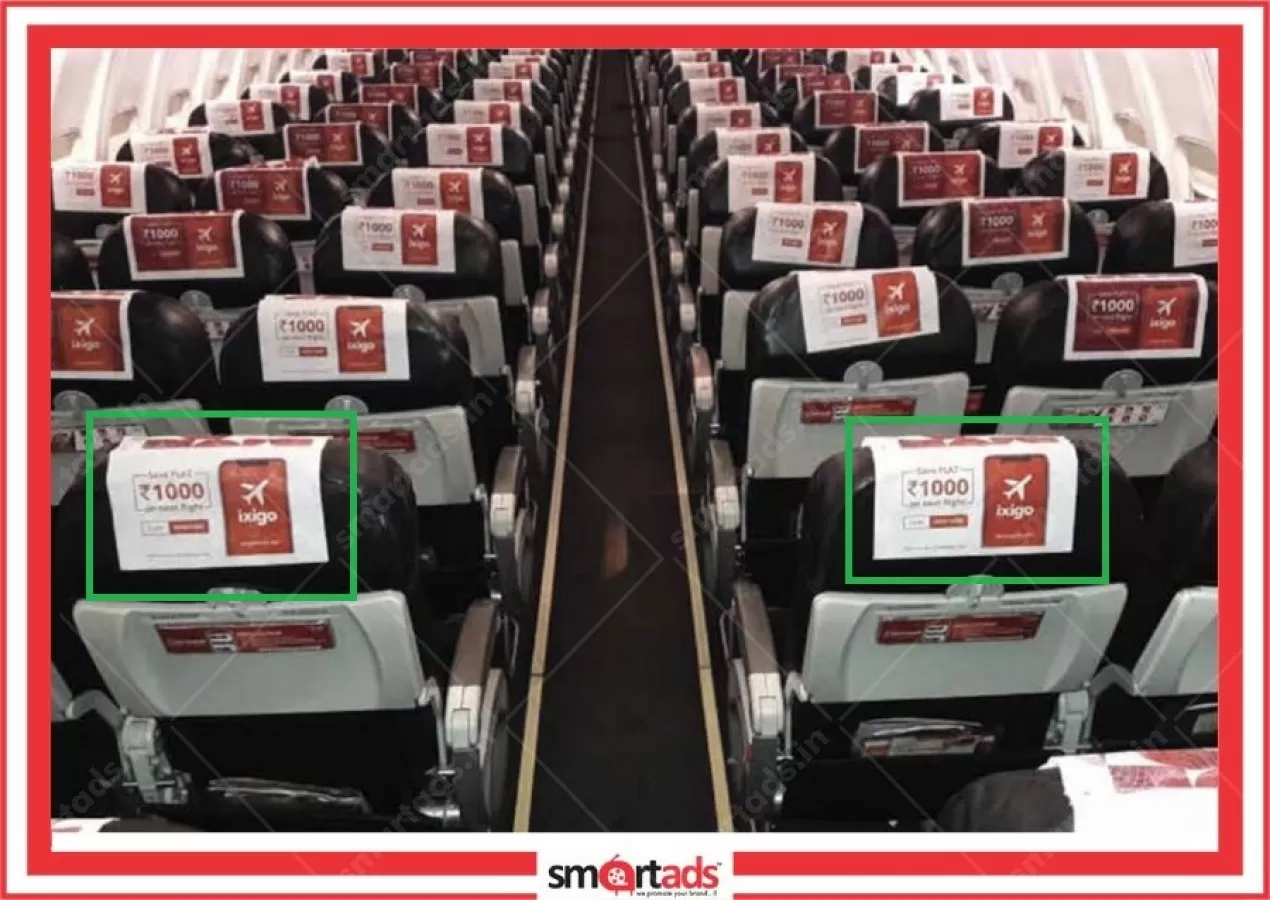
Headrest Cover
28 W x 32 H cm
Advertisements will be displayed on the
Rate per Aircraft / Month
Min 10 Aircraft
₹85000.00
Showing 1 to 7 of 7 Results
MEDIA DETAILS
28 W x 32 H cm
Advertisements will be displayed on the
Rate per Aircraft / Month
Min 10 Aircraft
₹85000.00
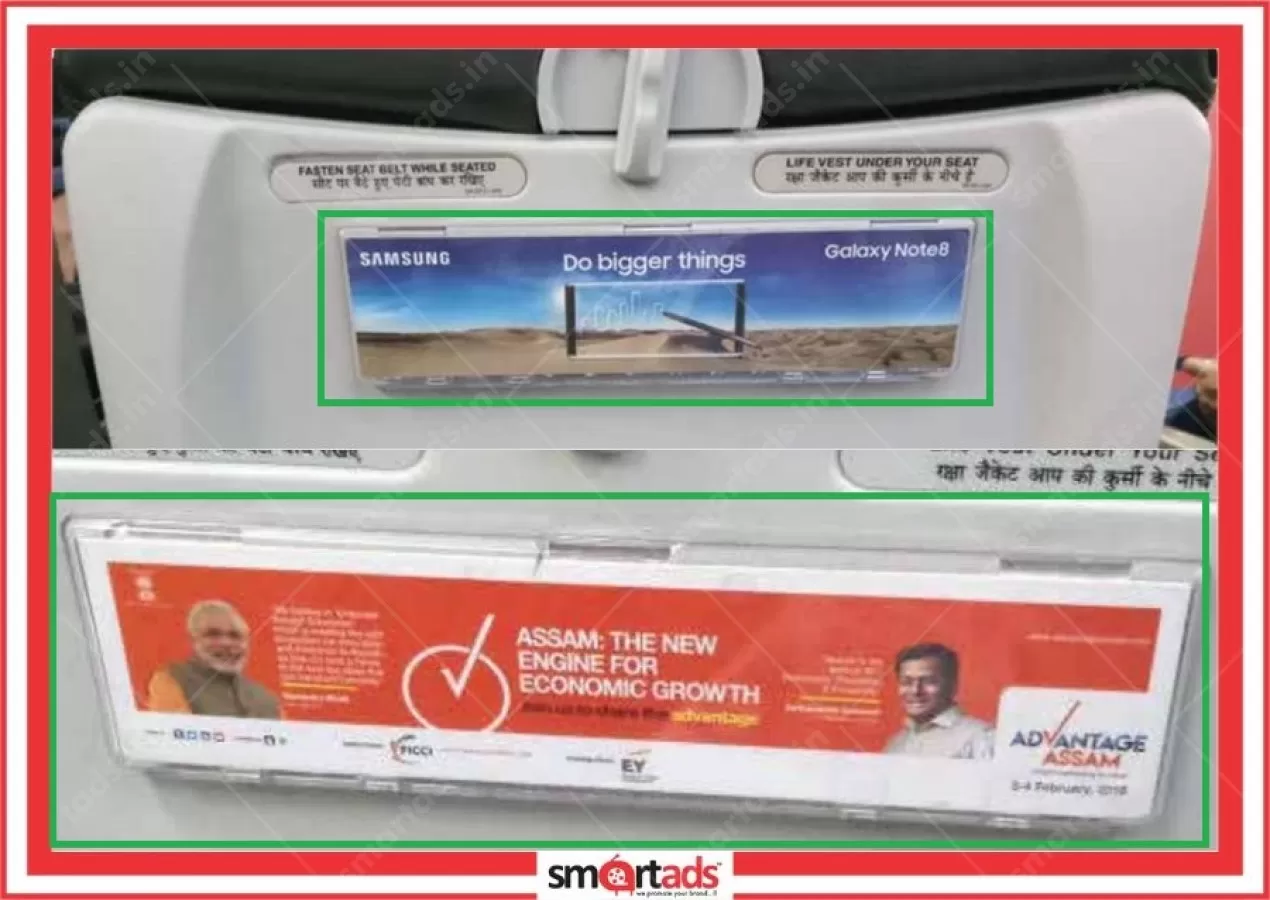
217.5 W x 53.5 H with 3mm bleed
Seat Back Branding is displayed on the m
Rate per Aircraft / Month
Min 10 Aircraft
₹180000.00
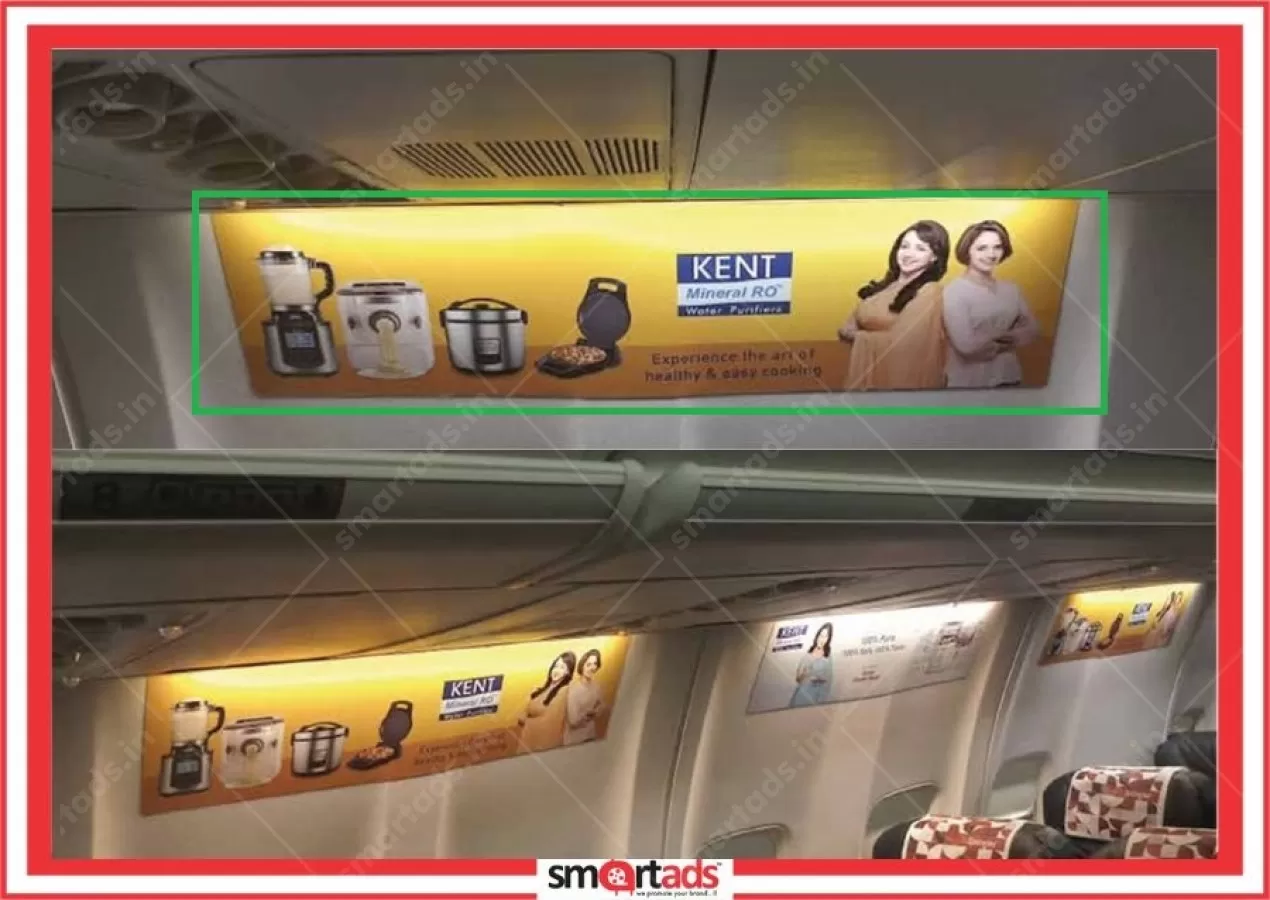
35 W x 5.5 H
Advertisements will be displayed inside
Rate per Aircraft / Month
Min 10 Aircraft
₹425000.00
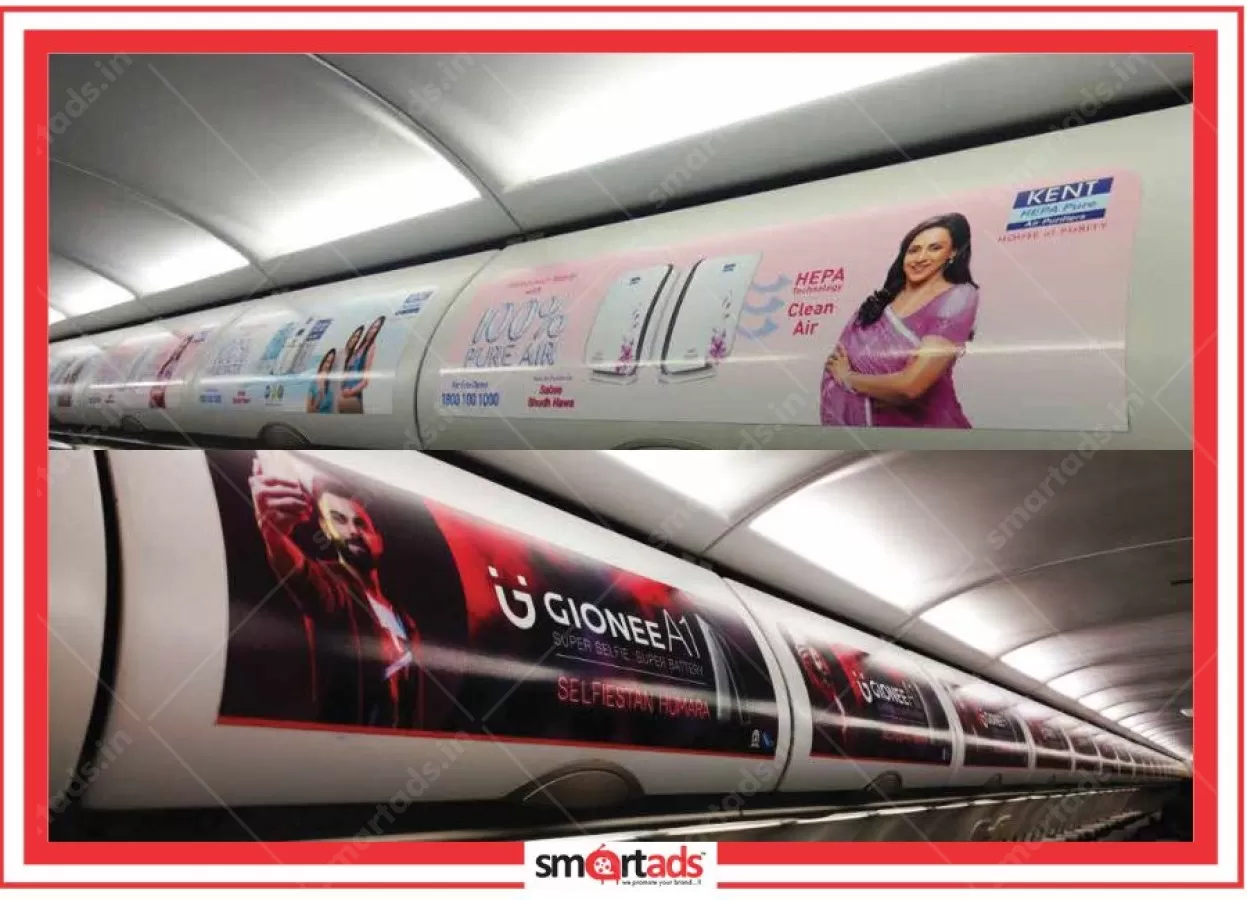
Custom Size
Maximum view. Maximum brand coverage. Ev
Rate per Overhead / Month
Min 10 Aircraft
₹500000.00

139*92 W X 35 H
Tray table branding is highly visible to
Rate per Aircraft / Month
Min 10 Aircraft
₹97000.00

580 W X 196 H Approx
Advertisements will be displayed on the
Rate per Boarding Pass / Time
Min 10 lac Qty
₹2.00

350-400 sq.feet display on both the side
Advertisements are displayed as a wrap c
Rate per Aircraft / Month
Min 3 Aircraft
₹3800000.00
MEDIA REACH

Airlines :
Airlines
AvgMonthlyPassenger :
674131
FleetSize :
19
BusinessClass :
Yes
DeptPerDay :
144
DeptPerMonth :
4449
AvgDeptPerAircraftDay :
8
AvgSeatsFlight :
176
OccupancyRate :
86
AvgJourneyTimeHrs :
1.8
TotalHoursFlight :
7560
MarketShare :
8

GoAir airlines advertising in India presents one of the most compelling opportunities for brands seeking captive audience engagement, which becomes increasingly valuable as traditional media faces fragmentation challenges. This comprehensive analysis covers actual advertising rates, passenger demographics, booking processes, and strategic insights based on real campaign data from India's aviation advertising market.
The thing is, most brands don't realize that GoAir airlines advertising encompasses far more than just the basic headrest advertising that everyone talks about; the airline, which rebranded as Go First Airlines, offers a sophisticated portfolio of advertising options that can deliver exceptional brand visibility across multiple touchpoints during the passenger journey. Our experience working with retail and automotive clients shows that the most effective campaigns combine at least three different GoAir advertising formats, which creates a cohesive brand narrative that follows passengers from check-in to destination.
Headrest advertising remains the flagship offering for GoAir airline advertising, primarily because it guarantees sustained brand exposure throughout the flight duration, which typically ranges from 90 minutes to 4 hours depending on the route. What makes this format particularly effective is the unavoidable nature of the placement; passengers naturally focus on headrests during boarding, takeoff, and throughout the flight when they're not engaged with personal devices. At SmartAds, we have found that headrest campaigns work exceptionally well for FMCG brands targeting middle-class consumers, particularly when the creative incorporates QR codes or promotional offers that passengers can act upon after landing.
Seat back advertising on GoAir flights offers brands the opportunity to deliver more detailed messaging, which works particularly well for financial services, education, and healthcare categories that require explanation rather than just awareness. The 180-seat capacity of GoAir's Airbus A320 fleet means that each flight carries substantial advertising inventory; however, the key is understanding that not all seats deliver equal value since business travelers in front rows tend to have higher engagement rates with seat back content compared to leisure travelers who might sleep or use personal entertainment throughout the flight.
Frankly speaking, GoAir advertising rates surprise most brand managers when they first encounter the numbers, particularly because the cost per impression works out to be significantly lower than what most digital platforms deliver for similar demographic targeting. Headrest advertising on GoAir flights typically costs somewhere between ₹2.5 lakh to ₹4.5 lakh per month for a pan-India campaign, which translates to roughly ₹0.85 per passenger impression when you factor in the airline's monthly passenger volume of approximately 12-15 lakh travelers.
The pricing structure for Go First airlines advertising varies considerably based on route selection, seasonal demand, and campaign duration; domestic flights connecting metro cities command premium rates compared to tier-2 city routes, though the latter often deliver better engagement metrics since passengers have fewer entertainment alternatives during shorter flights. We recently managed a campaign for a fintech client where the cost per acquisition from GoAir headrest advertising worked out to ₹180, which was roughly 40% lower than their Facebook advertising campaigns targeting similar demographics in the 25-45 age group.
Seat back advertising rates for GoAir typically range from ₹1.8 lakh to ₹3.2 lakh monthly, depending on creative complexity and route selection; however, what most brands miss is that the real value lies in the extended engagement time, which averages 8-12 minutes per passenger according to our tracking studies. Aircraft wrap advertising represents the premium end of GoAir airline advertising, with costs starting around ₹15 lakh for a 6-month campaign, but the brand visibility extends beyond just passengers to include airport ground staff, other airline crews, and social media amplification when passengers photograph the branded aircraft.
Here's where it gets interesting: GoAir's passenger profile skews heavily toward aspirational middle-class travelers and young professionals, which makes it an ideal platform for brands targeting India's growing consumer segment that traditional premium airlines might not capture effectively. The airline's positioning as a low-cost carrier means that passengers are typically more price-conscious and value-seeking, which translates to higher receptivity for promotional offers and discount-driven messaging compared to the business-heavy passenger mix on full-service airlines.
The captive audience advantage of GoAir airline advertising becomes particularly pronounced on domestic flights, where passengers have limited entertainment options and mobile connectivity restrictions create an environment where branded content receives undivided attention. Our campaign analysis shows that brand recall rates from in-flight advertising consistently outperform outdoor advertising by margins of 35-50%, primarily because the controlled environment eliminates competing visual distractions that plague roadside hoardings and transit advertising.
What sets GoAir apart from other airline advertising opportunities is the demographic consistency across routes; unlike premium carriers where passenger profiles vary dramatically between business and leisure routes, Go First airlines maintains a relatively uniform audience composition that simplifies targeting and creative strategy. At SmartAds, we always tell our clients that this consistency makes campaign planning more predictable, which is particularly valuable for national brands that need uniform messaging across multiple markets without worrying about audience mismatch.
To be fair, GoAir's operational reliability and route network expansion have created advertising opportunities that didn't exist five years ago, particularly in tier-2 cities where the airline has established strong connectivity to metro markets. The brand's focus on punctuality and operational efficiency means that advertising campaigns face fewer disruptions from flight cancellations or delays, which can significantly impact campaign delivery for brands that have committed to specific impression volumes or geographic coverage.
The fleet composition of GoAir, consisting entirely of Airbus A320 aircraft, provides advertising consistency that mixed-fleet airlines cannot match; this uniformity means that creative specifications, viewing angles, and passenger experience remain constant across all flights, which eliminates the variability that can affect campaign performance. One automotive client we worked with specifically chose GoAir over IndiGo because the standardized cabin layout made it easier to optimize headrest creative for maximum impact, resulting in a 28% higher brand recall score compared to their previous airline advertising campaign.
GoAir's route network increasingly focuses on connecting business centers with leisure destinations, which creates unique opportunities for brands that want to reach consumers during high-consideration moments such as vacation planning or business travel. The airline's expansion into international routes, particularly to Southeast Asia and the Middle East, has opened up possibilities for export-oriented brands and luxury categories that want to reach Indian travelers with higher spending power during international trips.
The booking process for GoAir airline advertising involves multiple stakeholders and requires advance planning that most brands underestimate; campaigns typically need to be finalized 45-60 days before launch date due to creative production timelines, regulatory approvals, and aircraft scheduling requirements. What complicates the process is that GoAir's advertising inventory is managed through a combination of direct sales and authorized advertising agencies, which means that pricing and availability can vary depending on your booking channel.
Our experience shows that brands achieve better rates and service when working through established advertising agencies like SmartAds that maintain ongoing relationships with GoAir's commercial team; direct bookings often result in higher costs and limited flexibility for campaign modifications once the contract is signed. The key is understanding that airline advertising operates on quarterly planning cycles, which means that last-minute bookings face significant premium pricing and limited format availability, particularly during peak travel seasons like Diwali, summer holidays, and year-end business travel periods.
Creative approval processes for Go First airlines advertising can take 15-20 business days, particularly for campaigns that include promotional offers, QR codes, or competitive messaging that requires legal review. The airline maintains strict guidelines about creative content, particularly regarding claims, disclaimers, and brand safety, which means that agencies need to factor in multiple revision cycles when planning campaign timelines. At SmartAds, we typically recommend starting the creative development process simultaneously with media booking to avoid delays that can push campaigns into less favorable travel periods.
Frankly speaking, headrest advertising consistently delivers the highest return on investment for GoAir airline advertising campaigns, primarily because of the guaranteed exposure duration and the natural eye-level positioning that ensures visibility regardless of passenger behavior during the flight. Our analysis of 50+ campaigns across different categories shows that headrest advertising generates brand recall rates of 65-78%, which significantly outperforms seat back advertising at 45-55% recall, though the latter excels for campaigns that require detailed information delivery or complex messaging.
The ROI equation for GoAir advertising becomes particularly favorable when brands factor in the demographic targeting precision that airline advertising provides; unlike mass media where significant wastage occurs due to irrelevant audience exposure, airline passengers represent a pre-qualified audience segment with disposable income for air travel, which translates to higher conversion potential for most consumer categories. A recent campaign we managed for an e-commerce client showed that customers acquired through GoAir headrest advertising had 40% higher lifetime value compared to those acquired through digital advertising, primarily because airline passengers tend to be more established in their careers and have higher spending capacity.
Boarding pass advertising on GoAir flights offers exceptional ROI for location-specific campaigns, particularly for brands that have presence in destination cities and want to drive immediate action upon passenger arrival. The format works exceptionally well for restaurants, hotels, and local services that can capitalize on the immediate relevance of their messaging when passengers land in their target markets. What makes this format particularly cost-effective is the extended engagement time; passengers typically retain boarding passes throughout their journey and often reference them multiple times, which creates repeated brand exposure at a fraction of the cost of traditional print advertising.
The passenger volume for GoAir airlines advertising has grown consistently over the past three years, with the airline now carrying approximately 15-18 lakh passengers monthly across its domestic and international network, which provides substantial reach for brands seeking national coverage. What makes this reach particularly valuable is the geographic distribution; GoAir's route network covers 28 domestic destinations and 9 international destinations, which means that advertising campaigns can achieve pan-India coverage while also reaching Indian travelers in key international markets like Dubai, Bangkok, and Muscat.
The demographic reach of Go First airlines advertising skews toward the 25-45 age group, with household incomes typically ranging from ₹8 lakh to ₹25 lakh annually, which represents India's aspirational middle class and emerging affluent segments that are often difficult to reach through traditional media. Our passenger survey data indicates that 68% of GoAir travelers are employed in corporate sectors, 23% are business owners or entrepreneurs, and 9% are students or young professionals, which creates a concentrated audience for B2B and premium consumer brands.
Route-specific reach analysis reveals that GoAir's Mumbai-Delhi sector alone delivers approximately 2.5 lakh passenger impressions monthly, while the airline's focus on connecting tier-2 cities like Guwahati, Jammu, and Kochi provides access to regional markets that are underserved by premium airline advertising options. At SmartAds, we have found that brands can achieve effective frequency of 3-4 exposures per passenger by combining headrest and seat back advertising, which optimizes the reach-frequency balance for maximum campaign impact.
Here's what most media planners miss when comparing airline advertising options: while IndiGo offers larger passenger volumes, GoAir's audience composition provides better alignment for mid-market brands that find premium airline passengers over-qualified and budget airline passengers under-qualified for their products. The average passenger profile on GoAir flights represents the sweet spot for categories like consumer durables, financial services, education, and lifestyle brands that target India's growing middle class.
Cost comparison between GoAir and competitor airlines reveals significant advantages for brands with limited budgets; headrest advertising on GoAir typically costs 25-30% less than equivalent inventory on IndiGo, while delivering comparable engagement metrics and superior creative flexibility. What sets GoAir apart is the willingness to accommodate customized advertising solutions, including co-branded boarding passes, themed aircraft interiors, and integrated digital campaigns that extend the airline advertising impact beyond the flight experience.
The operational advantages of choosing GoAir for airline advertising include more flexible booking terms, faster creative approval processes, and better account management support compared to larger airlines where advertising clients often receive standardized service. One FMCG client we worked with switched from Air India to GoAir specifically because of the superior campaign execution and real-time performance reporting that allowed for mid-campaign optimizations, resulting in 35% improvement in campaign effectiveness metrics.
The psychology behind headrest advertising effectiveness on GoAir flights relates directly to passenger behavior patterns during different flight phases; our observational studies show that passengers look at headrests most frequently during boarding (when they're locating their seats), during takeoff and landing (when electronic devices must be switched off), and during meal service when they're facing forward. This natural viewing pattern ensures that headrest advertising receives multiple exposure opportunities per flight, which amplifies brand recall beyond what single-exposure media can achieve.
Technical specifications for GoAir headrest advertising allow for creative flexibility that many brands don't fully utilize; the standard format accommodates both product imagery and promotional messaging, while premium options include QR codes, augmented reality triggers, and textured materials that create tactile engagement. What makes headrest advertising particularly effective for GoAir's passenger demographic is the extended consideration time; unlike outdoor advertising where exposure lasts seconds, airline passengers have minutes to process brand messaging, read promotional details, and even photograph offers for later reference.
The targeting precision of headrest advertising on GoAir becomes apparent when you consider route selection strategies; brands can choose specific sectors that align with their geographic priorities, seasonal campaigns, or demographic targeting requirements. At SmartAds, we always recommend that clients consider route-level passenger profiles rather than treating airline advertising as a mass medium; for instance, GoAir's Bangalore-Pune route carries significantly more IT professionals compared to the Mumbai-Goa route which skews toward leisure travelers, and creative messaging should reflect these audience differences.
GoAir's domestic network spans 28 cities across India, which provides comprehensive coverage of major metropolitan areas, tier-2 business centers, and emerging markets that represent the next wave of consumer growth in the Indian economy. The airline's route planning strategy focuses heavily on connecting business centers with leisure destinations, which creates unique advertising opportunities for brands that want to reach consumers during high-consideration travel moments when they're more receptive to premium products and services.
Metro city coverage through GoAir airline advertising includes all major markets like Mumbai, Delhi, Bangalore, Chennai, Hyderabad, and Kolkata, but the real value lies in the airline's strong presence in tier-2 cities like Chandigarh, Lucknow, Patna, Guwahati, and Kochi where advertising clutter is lower and brand messages receive higher attention from passengers. Our campaign experience shows that tier-2 city routes often deliver superior engagement metrics because passengers have fewer entertainment alternatives and longer dwell times with advertising content.
International route coverage for Go First airlines advertising extends to key destinations in the Middle East and Southeast Asia, including Dubai, Abu Dhabi, Kuwait, Bangkok, Phuket, and Muscat, which provides access to Indian travelers with higher spending capacity and international exposure. These international routes are particularly valuable for luxury brands, education services, and financial products that target affluent Indians traveling for business or leisure purposes. The passenger profile on international GoAir flights typically includes business owners, senior professionals, and affluent families, which justifies premium pricing for advertising inventory on these routes.
The measurement framework for GoAir airline advertising requires a combination of traditional brand tracking methodologies and airline-specific metrics that account for the unique characteristics of captive audience exposure. Brand recall studies consistently show that airline advertising outperforms most traditional media in terms of aided and unaided recall, primarily because of the extended exposure duration and the absence of competing messages during the flight experience.
At SmartAds, we have developed proprietary tracking mechanisms that measure passenger engagement with airline advertising through post-flight surveys, social media monitoring, and conversion tracking for campaigns that include promotional codes or QR code interactions. Our data indicates that GoAir headrest advertising generates average engagement rates of 12-15%, which is significantly higher than outdoor advertising (3-5%) and comparable to premium digital video advertising, but at a fraction of the cost per engagement.
The attribution challenge for airline advertising requires sophisticated tracking methodologies that account for the delayed response patterns typical of travel-based media exposure; passengers often act on airline advertising messages days or weeks after the flight, which means that standard attribution windows used for digital advertising are inadequate for measuring true campaign impact. We recommend extended attribution periods of 30-45 days for airline advertising campaigns, combined with brand lift studies that measure awareness, consideration, and purchase intent changes among exposed audiences.
Peak travel seasons create unique opportunities for GoAir airline advertising, particularly during Diwali, summer holidays, and year-end business travel periods when passenger volumes increase by 35-50% and audience receptivity to promotional messaging reaches annual highs. The challenge is that advertising rates also increase during these periods, which means that brands need to balance higher costs against superior reach and engagement opportunities.
Festival season advertising on GoAir flights works exceptionally well for categories like jewelry, apparel, consumer electronics, and gift items that align with increased consumer spending during Diwali and wedding seasons. Our experience shows that campaigns launched 2-3 weeks before major festivals generate the highest response rates, as passengers are actively planning purchases and more receptive to promotional offers that they can act upon after reaching their destinations.
Summer travel season represents the largest opportunity for GoAir airline advertising, with passenger volumes peaking during April-June when families travel for vacations and students travel for admissions and internships. This period is particularly valuable for education services, travel-related brands, and consumer products that target families, though the increased competition for advertising inventory means that early booking is essential for securing preferred routes and formats.
The evolution of airline advertising technology is creating new opportunities for brands to deliver personalized and interactive experiences that extend beyond traditional static formats; GoAir's investment in digital infrastructure and passenger connectivity is expected to enable dynamic content delivery, real-time campaign optimization, and integration with passengers' mobile devices for enhanced engagement.
Sustainability considerations are increasingly influencing airline advertising strategies, with brands seeking to align their messaging with environmentally conscious travel choices and airlines like GoAir exploring eco-friendly advertising materials and production processes. This trend creates opportunities for green brands and sustainable products to leverage airline advertising as a platform for demonstrating their environmental commitment to like-minded consumers.
The integration of airline advertising with digital marketing ecosystems represents the next frontier for campaign effectiveness; brands can now use airline passenger data (with appropriate privacy protections) to retarget exposed audiences through digital channels, create lookalike audiences based on airline passenger profiles, and measure cross-channel attribution that connects in-flight exposure to online conversions and store visits.
Q: What are the different GoAir airlines advertising options available in India?
GoAir airlines advertising options in India encompass a comprehensive range of formats designed to maximize brand visibility throughout the passenger journey, with headrest advertising serving as the flagship offering that guarantees sustained exposure during flight duration. The primary options include headrest advertising which provides eye-level brand placement for 90 minutes to 4 hours depending on route length; seat back advertising that accommodates detailed messaging and promotional content; boarding pass advertising that delivers location-specific targeting upon passenger arrival; overhead panel advertising that captures attention during boarding and deplaning; aircraft wrap advertising that extends brand visibility beyond passengers to include ground audiences and social media amplification; and in-flight magazine advertising through Go-getter Magazine that provides editorial context for brand messaging. Each format serves different strategic objectives, with headrest advertising excelling for awareness campaigns, seat back advertising working best for detailed product information, and boarding pass advertising delivering exceptional ROI for location-based offers and services.
Q: How much does GoAir airline advertising cost?
GoAir airline advertising costs vary significantly based on format selection, route preferences, campaign duration, and seasonal demand fluctuations, with headrest advertising typically ranging from ₹2.5 lakh to ₹4.5 lakh monthly for pan-India campaigns that deliver approximately 12-15 lakh passenger impressions. Seat back advertising rates generally fall between ₹1.8 lakh to ₹3.2 lakh monthly, while aircraft wrap advertising represents the premium investment starting around ₹15 lakh for six-month campaigns that provide extended brand visibility beyond passenger exposure. The cost per impression for GoAir advertising works out to roughly ₹0.85 per passenger, which compares favorably to digital advertising when you factor in the captive audience advantage and extended engagement duration. Route-specific pricing shows that metro city connections command premium rates compared to tier-2 city routes, though the latter often deliver superior engagement metrics due to reduced passenger entertainment alternatives. At SmartAds, our experience shows that brands achieve optimal cost efficiency through campaign durations of 3-6 months, which qualify for volume discounts while allowing sufficient time for brand recall optimization and audience frequency building.
Q: What is the reach and passenger count of GoAir airlines?
GoAir airlines advertising reach encompasses approximately 15-18 lakh monthly passengers across a network of 28 domestic destinations and 9 international destinations, which provides substantial coverage for brands seeking national market penetration combined with access to affluent Indian travelers in key international markets. The demographic reach concentrates heavily on the 25-45 age group with household incomes ranging from ₹8 lakh to ₹25 lakh annually, representing India's aspirational middle class and emerging affluent segments that are often challenging to reach through traditional mass media. Geographic distribution analysis reveals that GoAir's route network effectively connects major metropolitan areas with tier-2 business centers and emerging markets, with high-traffic sectors like Mumbai-Delhi delivering approximately 2.5 lakh passenger impressions monthly. The passenger composition includes 68% corporate employees, 23% business owners and entrepreneurs, and 9% students and young professionals, which creates concentrated targeting opportunities for B2B and premium consumer brands. International routes extend reach to Indian travelers in Dubai, Bangkok, Kuwait, Abu Dhabi, Muscat, and other key destinations where passenger profiles typically include higher-income business travelers and affluent families with superior spending capacity compared to domestic route passengers.
Q: Which advertising agencies offer GoAir advertising services?
GoAir advertising services are available through a network of authorized advertising agencies and media buying specialists, with SmartAds.in serving as a leading integrated advertising agency that manages GoAir campaigns across 500+ Indian cities and provides comprehensive media planning expertise for airline advertising strategies. The agency landscape includes both specialized airline advertising firms and full-service media agencies that maintain direct relationships with GoAir's commercial team, though working with established agencies typically results in better rates, superior service levels, and greater campaign flexibility compared to direct bookings. SmartAds offers end-to-end GoAir advertising services including route selection strategy, creative development and approval management, campaign execution and monitoring, performance tracking and optimization, and integration with broader media mix planning that connects airline advertising with outdoor, digital, and traditional media channels. Other agencies in the market include regional specialists and boutique firms, but the key selection criteria should focus on agency experience with airline advertising, established relationships with GoAir commercial team, creative capabilities that understand airline passenger behavior, and measurement expertise that can demonstrate campaign ROI through appropriate attribution methodologies. The agency selection process should prioritize partners who understand the unique requirements of airline advertising, including extended planning timelines, regulatory approval processes, and the importance of route-specific audience targeting for campaign optimization.
Q: What are the benefits of in-flight advertising with GoAir?
In-flight advertising with GoAir delivers exceptional benefits through captive audience engagement that eliminates the distraction competition faced by traditional outdoor and digital media, with passengers having limited entertainment alternatives during flight duration that ranges from 90 minutes to 4 hours depending on route selection. The demographic targeting precision represents a significant advantage, as GoAir passengers consistently fall within the aspirational middle-class segment with disposable income for air travel, which translates to higher conversion potential for consumer brands compared to mass media wastage. Brand recall rates for GoAir in-flight advertising consistently outperform outdoor advertising by 35-50% margins, primarily due to the controlled environment that ensures message visibility and the extended consideration time that allows passengers to process promotional details and even photograph offers for later reference. The geographic targeting flexibility enables brands to select specific routes that align with their market priorities, seasonal campaigns, or demographic requirements, with options ranging from high-frequency metro connections to tier-2 city routes that deliver superior engagement due to reduced advertising clutter. Cost efficiency becomes particularly apparent when comparing cost per engaged impression, as GoAir advertising delivers sustained brand exposure at roughly ₹0.85 per passenger impression, which significantly undercuts premium digital advertising rates while providing superior audience quality and engagement duration that translates to higher lifetime customer value for brands across multiple categories.
Q: How do I book advertising space on GoAir flights?
Booking advertising space on GoAir flights requires advance planning of 45-60 days before desired launch dates due to creative production requirements, regulatory approval processes, and aircraft scheduling coordination that must accommodate airline operational priorities. The optimal booking approach involves working with established advertising agencies like SmartAds that maintain ongoing relationships with GoAir's commercial team, which typically results in better rates, superior inventory access, and greater campaign flexibility compared to direct booking approaches that often face premium pricing and limited modification options. The booking process begins with route selection and format specification, followed by creative brief development that must align with GoAir's brand safety guidelines and regulatory requirements, particularly for campaigns including promotional offers, competitive messaging, or claims that require legal review. Creative approval timelines typically require 15-20 business days, which means that agencies should initiate creative development simultaneously with media booking to avoid campaign delays that can push launch dates into less favorable travel periods. Campaign planning should consider GoAir's quarterly inventory cycles, with peak travel seasons like Diwali, summer holidays, and year-end business travel commanding premium rates and requiring earlier booking commitments. At SmartAds, we recommend starting the booking process 60-90 days in advance for peak season campaigns, while off-peak periods can accommodate shorter lead times of 30-45 days depending on format availability and creative complexity requirements.
Q: What is the difference between GoAir and Go First advertising?
GoAir and Go First advertising refer to the same airline advertising opportunities, as the airline officially rebranded from GoAir to Go First Airlines while maintaining identical advertising inventory, passenger demographics, route network, and commercial partnerships that serve brand advertising requirements. The rebranding process has not affected advertising rates, format specifications, booking procedures, or campaign execution processes, which means that brands can reference either name when discussing airline advertising opportunities without any operational differences. Creative guidelines and brand safety requirements remain consistent under both names, though new campaigns may need to reference the updated Go First branding in contexts where airline identification is relevant to the advertising message. The passenger profile, route network covering 28 domestic and 9 international destinations, fleet composition of Airbus A320 aircraft, and monthly passenger volume of 15-18 lakh travelers remain unchanged following the rebranding, which ensures continuity for brands with ongoing or planned airline advertising campaigns. From a media planning perspective, the GoAir to Go First transition represents purely a nomenclature change without impact on advertising effectiveness, audience targeting, cost structures, or campaign measurement methodologies. At SmartAds, we continue to offer identical advertising services and strategic recommendations regardless of whether clients reference the airline as GoAir or Go First, with all commercial arrangements and campaign execution processes remaining fully consistent across the naming transition.
Q: Which cities and routes does GoAir advertising cover?
GoAir advertising coverage spans 28 domestic cities across India including all major metropolitan markets like Mumbai, Delhi, Bangalore, Chennai, Hyderabad, and Kolkata, combined with strong presence in tier-2 business centers such as Chandigarh, Lucknow, Patna, Guwahati, Kochi, Jammu, and Srinagar that provide access to regional markets with lower advertising clutter and higher message receptivity. International route coverage extends to 9 key destinations including Dubai, Abu Dhabi, Kuwait, Bangkok, Phuket, Muscat, and Male, which enables brands to reach affluent Indian travelers with higher spending capacity and international exposure during business and leisure travel. High-traffic domestic routes like Mumbai-Delhi, Bangalore-Mumbai, Delhi-Goa, and Mumbai-Pune deliver substantial passenger volumes with distinct demographic profiles that enable route-specific targeting strategies; for instance, Bangalore-Pune carries significantly more IT professionals while Mumbai-Goa skews toward leisure travelers requiring different creative messaging approaches. The route network strategy focuses on connecting business centers with leisure destinations, which creates unique opportunities for brands targeting consumers during high-consideration travel moments when receptivity to premium products and services reaches peak levels. Tier-2 city connections often deliver superior engagement metrics compared to metro routes due to passengers having fewer entertainment alternatives and longer dwell times with advertising content, making these routes particularly valuable for brands seeking cost-efficient reach in emerging markets. At SmartAds, we recommend route selection based on brand geographic priorities, target audience concentration, and seasonal travel patterns that align campaign timing with optimal passenger demographics and receptivity levels.
Q: What are the specifications for GoAir headrest advertising?
GoAir headrest advertising specifications accommodate creative flexibility within standardized dimensions that ensure consistent passenger viewing experience across the airline's uniform Airbus A320 fleet, with standard format dimensions allowing for both product imagery and promotional messaging while premium options include QR codes, augmented reality triggers, and textured materials for enhanced engagement. The technical requirements include high-resolution artwork suitable for fabric printing, color specifications that account for cabin lighting conditions, and design guidelines that optimize readability from typical passenger viewing angles during boarding, flight, and deplaning phases. Creative content must comply with GoAir's brand safety guidelines, which restrict competitive airline messaging, inappropriate content categories, and claims requiring regulatory disclaimers, while promotional offers and contact information are encouraged to maximize passenger response and campaign measurability. The production timeline for headrest advertising typically requires 15-20 business days from creative approval to installation, with additional time needed for campaigns requiring custom materials or special finishes that enhance tactile engagement. Artwork specifications should consider the extended viewing duration advantage of airline advertising, which allows for more detailed messaging compared to outdoor advertising, though key brand elements should remain prominent for quick recognition during brief passenger glances. The headrest placement ensures eye-level visibility regardless of passenger height or seating position, with natural viewing opportunities occurring during boarding when passengers locate seats, during takeoff and landing when electronic devices are restricted, and during meal service when passengers face forward. At SmartAds, we recommend creative strategies that leverage the unique advantages of headrest positioning, including QR codes for immediate engagement, promotional codes for tracking campaign effectiveness, and brand messaging that connects with the travel experience for enhanced relevance and recall.
Q: How effective is GoAir airline advertising for brand awareness?
GoAir airline advertising delivers exceptional brand awareness effectiveness through captive audience engagement that consistently outperforms traditional media channels, with brand recall studies showing aided recall rates of 65-78% for headrest advertising and 45-55% for seat back advertising compared to outdoor advertising recall rates of 25-35% in similar demographic segments. The effectiveness stems from the controlled environment that eliminates competing visual distractions, extended exposure duration ranging from 90 minutes to 4 hours depending on route length, and the natural viewing patterns that create multiple brand exposure opportunities during boarding, flight, and deplaning phases. Demographic targeting precision enhances awareness effectiveness by concentrating brand exposure among GoAir's passenger profile of aspirational middle-class travelers with household incomes of ₹8-25 lakh annually, which represents high-value audience segments for most consumer categories while minimizing wastage common in mass media campaigns. The psychological impact of airline advertising creates enhanced brand perception due to the premium context of air travel, which elevates brand status in consumer minds compared to exposure through traditional outdoor or print media channels. Campaign tracking through SmartAds shows that brands typically achieve effective frequency of 3-4 exposures per passenger through combined format strategies, which optimizes the reach-frequency balance for maximum awareness impact while maintaining cost efficiency compared to achieving similar frequency through digital advertising. The extended consideration time available during flight allows passengers to process detailed brand messaging, promotional offers, and contact information, which translates to higher engagement rates of 12-15% compared to outdoor advertising engagement of 3-5%. At SmartAds, our measurement framework demonstrates that GoAir airline advertising generates superior brand awareness lift compared to equivalent investments in traditional media, with the added benefit of reaching audiences during high-consideration travel moments when brand receptivity and purchase intent are elevated above normal levels.
GoAir airlines advertising represents one of India's most compelling opportunities for brands seeking captive audience engagement with measurable ROI; the combination of demographic targeting precision, extended exposure duration, and cost efficiency creates a media platform that consistently outperforms traditional advertising channels across awareness, engagement, and conversion metrics. Our experience at SmartAds demonstrates that successful airline advertising campaigns require strategic route selection, creative optimization for the unique viewing environment, and measurement frameworks that account for the delayed response patterns typical of travel-based media exposure.
The evolution of India's aviation market continues to create new opportunities for brands willing to invest in airline advertising, particularly as passenger volumes recover and airlines expand route networks to serve growing tier-2 and tier-3 markets where advertising clutter remains low and message receptivity stays high. For brands considering GoAir airline advertising as part of their media mix, the key success factors include early campaign planning to secure optimal inventory, creative strategies that leverage the captive audience advantage, and measurement approaches that capture the full impact of sustained brand exposure in premium travel contexts.
At SmartAds.in, we provide comprehensive GoAir airline advertising services that combine strategic media planning with creative excellence and performance measurement, helping brands achieve maximum impact from their aviation advertising investments across India's dynamic travel market.
