

Banner
Display
Banner advertising is shown in a rectang
Rate per Click / Month
Choose a geographic location that meets
₹135.00
Showing 1 to 3 of 3 Results
MEDIA DETAILS
Display
Banner advertising is shown in a rectang
Rate per Click / Month
Choose a geographic location that meets
₹135.00
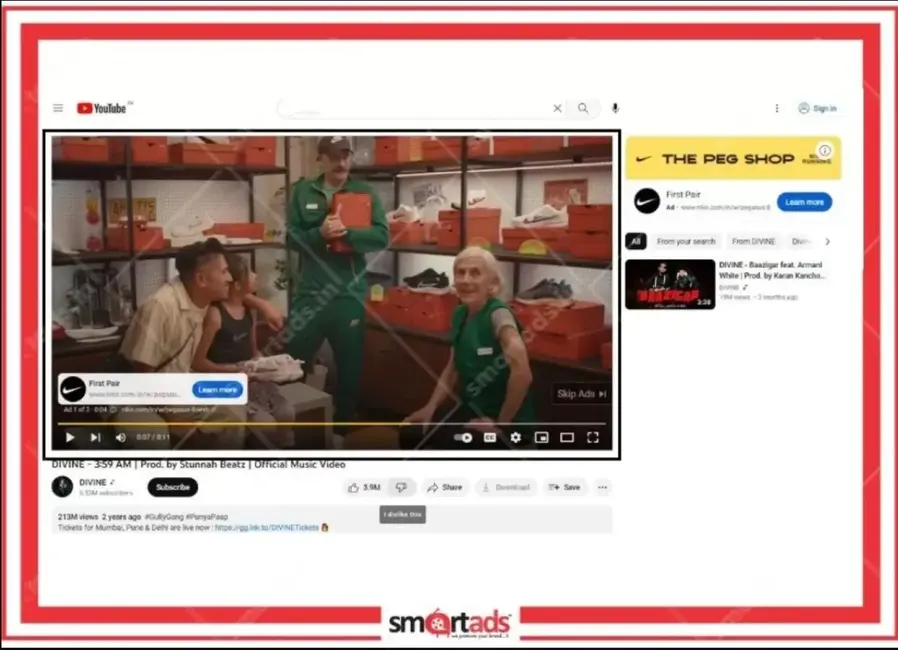
MP4/MKV
A video ad that includes a 0-20 second
Rate per Impressions / Month
Choose a geographic location that meets
₹130.00
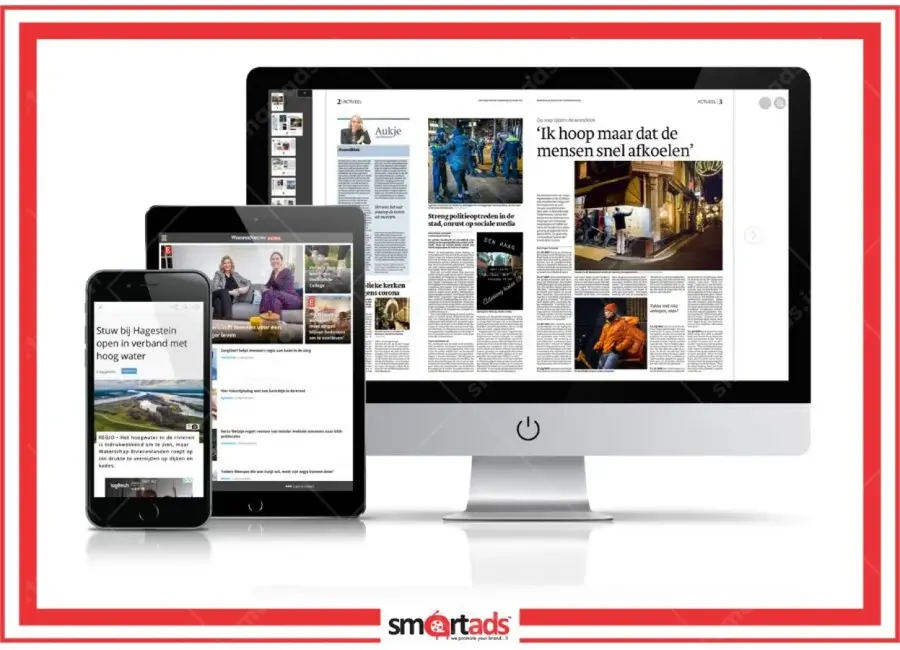
Min 500 words with video/Link
Min 300 to Max 1000 words in article inc
Rate per Article / Time
Choose a geographic location that meets
₹100.00
MEDIA REACH

Language :
English
MonthlyImpression :
4 Lakhs
Category :
Travel Tourism And Marketing
Medium :
Website
Duration :
10 Sec
PricingUnit :
CPM /CPC

Most planners optimise digital toward impressions. The ones who actually move the business optimise toward conversions — and Lonely Planet is built for the second model. Available placements include SEM campaigns, social media ads, programmatic banners, OTT video spots, app install campaigns, and WhatsApp broadcast marketing.
Digital marketing connects brands with audiences who are actively searching, browsing, or engaging with content relevant to their needs and interests. lonely planet campaigns work hardest when planned around demographic and psychographic targeting, geo-fencing for local relevance, frequency capping, creative rotation, and multi-platform budget distribution. Test 3-5 creative variants simultaneously and let data — not opinion — allocate budget. The creative you think will win rarely does.
Plan reach through audience targeting that maps to your customer profile, then optimise toward conversions rather than impressions — digital is most efficient when measured at the bottom of the funnel. Creative fit for the real viewing situation. That's the play.
If you're planning Lonely Planet advertising in India, start by matching the medium to real audience attention. Digital marketing connects brands with audiences who are actively searching, browsing, or engaging with content relevant to their needs and interests. Keep the message simple and run long enough to build frequency, because repetition is where recall compounds. Plan Lonely Planet campaigns across India through measurable digital placements. Use Language (English) and Reach (4 Lakhs) to keep the plan practical, with emphasis on creative fit for the real viewing situation.
Lonely Planet advertising in India uses Digital placements to keep a brand visible in moments that fit audience behavior. Unlike channels that are easy to skip, this medium works through contextual presence and repeated exposure. A good definition includes where it appears (SEM campaigns, social media ads, programmatic banners, OTT video spots, app install campaigns, and WhatsApp broadcast marketing), how it's planned (demographic and psychographic targeting, geo-fencing for local relevance, frequency capping, creative rotation, and multi-platform budget distribution), and what execution requires. For India, digital campaigns plan around audience signals, creative variants, and conversion tracking. When those parts are aligned upfront, campaigns feel intentional, look consistent, and build stronger recall over time.
Brands choose Lonely Planet advertising in India when they need dependable visibility and stronger recall than short one-time spikes. The channel performs best for launches, seasonal offers, store openings, and reputation building across India. What sets this medium apart is the planning advantage: you control placement quality, audience fit, timing, and frequency, giving you predictable campaign outcomes rather than guesswork. If you want faster decisions and fewer execution surprises, start with a clear shortlist and a plan built around creative fit for the real viewing situation.
Cost for Lonely Planet advertising in India varies mainly by placement quality, audience density, seasonality, and campaign duration. The strongest cost control comes from planning levers such as demographic and psychographic targeting, geo-fencing for local relevance, frequency capping, creative rotation, and multi-platform budget distribution. A smart mix of premium and value placements can protect both visibility and budget without over-spending on any single touchpoint. Digital ad cost is auction-driven, with CPM/CPC varying by audience competitiveness, creative quality, and bid strategy. Plan for production, approvals, and timelines early so you don't pay for last-minute fixes or rush charges.
Ready to plan Lonely Planet advertising in India? Share your goal, budget range, preferred dates, and priority zones. we'll recommend the right format mix from available Digital touchpoints, apply smart planning levers to protect your budget, and build a practical schedule that avoids wasted spend. If performance matters, we'll set tracking upfront so every impression is measurable. The final recommendation will stay focused on creative fit for the real viewing situation. Get a customized media plan and pricing from SmartAds.
For India, the levers that move outcomes are: demographic and psychographic targeting, geo-fencing for local relevance, frequency capping, creative rotation, and multi-platform budget distribution.
end-to-end funnel analytics, click-to-conversion ratios, cost-per-acquisition benchmarks, and attribution modelling across online and offline channels
Specifications
Language: English
Reach: 4 Lakhs
Category: Travel Tourism And Marketing
Medium: Website
Duration: 10 Sec
Pricing Unit: CPM /CPC
Creative requirements for India: Write headlines that match user intent: informational queries need educational content, transactional queries need offers, and brand queries need reassurance.
