

Commercial Prime Time
10 Sec Video
Commercial ads are one type of video whi
Rate per Slot / Day
17:00-24:00, Mon-Sun
₹750.00
Showing 1 to 6 of 6 Results
MEDIA DETAILS
10 Sec Video
Commercial ads are one type of video whi
Rate per Slot / Day
17:00-24:00, Mon-Sun
₹750.00

10 Sec Video
Commercial Ads In RODP simple term Comme
Rate per Slot / Day
06:00-24:00, Mon-Sun
₹460.00
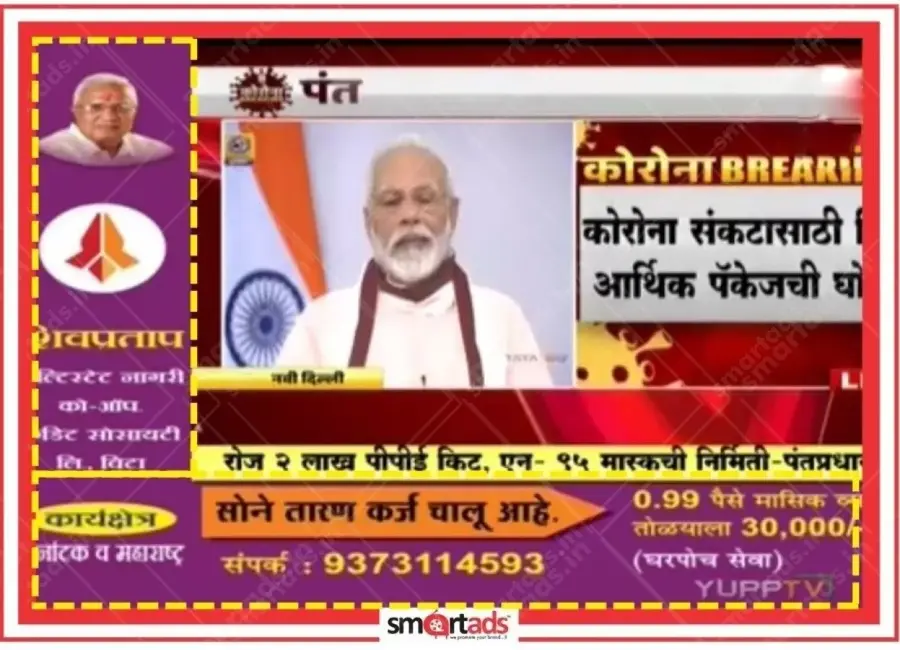
10 Second
L-Band ads are generally seen in News Ch
Rate per Slot / Day
17:00-24:00, Mon-Sun
₹1380.00
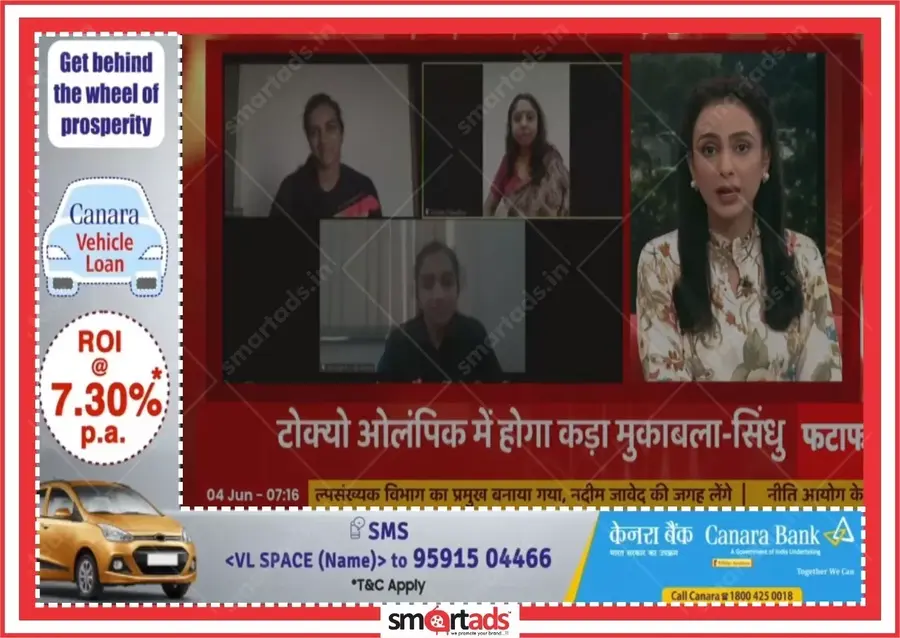
10 Second
L-Band ads are generally seen in News Ch
Rate per Slot / Day
06:00-24:00, Mon-Sun
₹920.00

10 Second
Aston Band ads are different from Commer
Rate per Slot / Day
17:00-24:00, Mon-Sun
₹1150.00

10 Second
Aston Band ads are different from Commer
Rate per Slot / Day
06:00-24:00, Mon-Sun
₹810.00
MEDIA REACH

Language :
Hindi
ChannelGenre :
News
MinimumBilling :
100000
WeeklyView :
632514
PricingUnit :
Per 10 Sec
ChannelName :
Zee Delhi NCR News
Broadcast :
National

Most brand managers we speak to are genuinely surprised when they learn that a 10-second ad slot on Zee Delhi NCR during prime time costs a fraction of what the same brand would spend on a national news channel — and yet reaches an audience that is far more precisely concentrated in the markets that actually matter to them. The Delhi NCR advertising ecosystem is crowded, competitive, and often misunderstood; regional television, in particular, tends to get underestimated by planners who default to national buys without running the numbers. What we have found, across hundreds of campaigns planned for clients operating in the national capital region, is that Zee Delhi NCR Haryana is one of the most underutilised yet genuinely effective platforms for brands that need to speak directly to Delhi, Noida, Gurgaon, and the surrounding Haryana belt.
Zee Delhi NCR Haryana, operated under the Zee Media Corporation Limited umbrella, occupies a specific and valuable position in the Delhi television landscape — it is a Hindi news channel with a hyper-regional mandate, which means its editorial content is built entirely around the concerns, politics, crime, weather, and civic affairs of the national capital region. That editorial specificity is not incidental; it is the very reason why the channel's viewership skews so heavily toward mid-market urban and semi-urban households in Delhi, Noida, Gurgaon, and the Haryana districts that feed into the NCR economy. When you advertise on Zee Delhi NCR, you are not buying reach across a diffuse national audience and hoping that Delhi viewers happen to be watching — you are buying an audience that is, by the channel's own programming logic, concentrated in the geography you care about.
What a lot of people miss is the sheer scale of the Hindi-speaking news television habit in Delhi NCR. BARC India data has consistently shown that Hindi news channels command significant daily reach in the Hindi belt, and within that category, regional Hindi news channels — those with a local feed rather than a national broadcast — often outperform their national counterparts on the metric that matters most for local advertisers: time spent per viewer. A viewer watching Zee Delhi NCR is watching because they want Delhi-specific content, which means their engagement with the channel's programming is qualitatively different from a viewer who has the national news on in the background. At SmartAds, we always tell our clients that contextual relevance is the invisible multiplier in television advertising — an ad for a real estate project in Noida lands very differently when it appears between bulletins about Noida infrastructure development than when it appears in a national news break covering stories from across the country.
The channel's reach extends meaningfully into the Haryana markets as well — Gurgaon, Faridabad, Sonipat, Rohtak — which makes it particularly valuable for brands whose distribution or service footprint covers the full NCR geography rather than just the Delhi municipal limits. For automotive dealerships, educational institutions, healthcare chains, real estate developers, and retail brands with stores spread across the NCR, the Zee Delhi NCR Haryana regional feed delivers something that no national channel can replicate: a single buy that covers the entire commercial catchment area of the capital region without paying for audiences in Mumbai, Chennai, or Kolkata who are irrelevant to the campaign objective.
The format menu on Zee Delhi NCR is broader than most first-time television advertisers expect, and choosing the right format is often where the real efficiency gains are made. The most familiar format is FCT advertising — Free Commercial Time — which refers to the standard commercial break spots where your TVC runs for a defined spot length, typically 10 seconds, 20 seconds, 30 seconds, or 40 seconds. FCT advertising on Zee Delhi NCR follows the standard broadcast structure where ad slots are sold in seconds, and the cost per second varies depending on the daypart, the programme adjacency, and the demand during any given booking window.
Non-FCT advertising formats are where things get genuinely interesting for brands that want presence beyond the commercial break. The L Band advertising format — that horizontal strip that appears at the bottom of the screen during live programming — delivers brand visibility without interrupting the viewer's content experience, which is particularly effective during high-engagement programmes like election coverage, live press conferences, or breaking news segments where viewers are unlikely to change channels. The Aston Band advertising format is a variant of this, typically a smaller text-based overlay that runs across the lower portion of the screen; it works well for brands that need to communicate a specific offer, a phone number, or a location address in a format that viewers can actually read and register. The logo bug format — a static or animated brand identifier placed in a corner of the screen — is typically sold as part of an associate sponsorship package, which bundles logo bug placement with a share of voice in commercial breaks and sometimes a verbal mention in programme transitions.
Scroll ads and ticker ads round out the non-FCT inventory, appearing as text that moves horizontally across the bottom of the screen — a format that Zee Delhi NCR uses extensively during news broadcasts, where the ticker is already a familiar part of the visual grammar. For brands that want a softer, more integrated presence, associate sponsorships of specific programmes or segments — the weather bulletin, the morning news hour, the crime report — offer a way to align brand identity with content that the target audience is actively seeking out. At SmartAds, our experience shows that a combination of FCT spots and non-FCT formats like L Band advertising tends to outperform a pure FCT buy in terms of brand recall, because the viewer encounters the brand in multiple visual contexts within the same viewing session.
Frankly speaking, the question of Zee Delhi NCR ad rates is one where we see the most confusion in the market — partly because rate cards are not publicly standardised, and partly because the actual cost of a campaign depends on so many variables that any single number quoted out of context is almost meaningless. That said, we know that transparency on pricing is exactly what media planners and brand managers need to make informed decisions, so we will share what our media buying experience tells us about the realistic cost landscape.
For FCT advertising on Zee Delhi NCR, the cost per 10-second ad slot during prime time — broadly defined as the 6 PM to midnight window — works out to somewhere in the ballpark of ₹3,000 to ₹8,000 per 10-second spot, depending on the specific programme, the time of year, and the volume of spots being booked. That number surprises most first-time television advertisers when they compare it to what they are paying for digital video reach in Delhi, because the CPM on a well-planned Zee Delhi NCR campaign can actually be quite competitive with mid-tier digital placements, especially when you factor in the quality of attention that a television viewer brings to a commercial break versus a pre-roll ad that gets skipped in five seconds. Non-prime time and RODP (Run on Day Period) rates are considerably more accessible — a 10-second spot in non-prime time can be secured for somewhere between ₹800 and ₹2,500 depending on the daypart, which opens up Zee Delhi NCR advertising to budgets that would have been considered too small for television just a few years ago.
Non-FCT formats are priced differently — L Band advertising on Zee Delhi NCR is typically sold in packages that combine a number of insertions across a defined period, and the cost per insertion works out to roughly ₹1,500 to ₹4,000 depending on the programme and duration of the L Band slot. Associate sponsorships are negotiated as packages and can range from a few lakhs for a short-duration programme sponsorship to higher investments for flagship shows or election coverage specials, which command a significant premium because of the viewership spike that news channels experience during election cycles. Seasonality plays a meaningful role in Zee Delhi NCR advertising cost — the festive quarter from October to December typically sees rate premiums of anywhere from 20% to 40% above base rates, which is something we factor into campaign planning well in advance for clients who need to be on-air during Navratri, Diwali, and the year-end period.
This is a question that comes up in almost every briefing we conduct for clients who are new to television advertising, and the distinction matters more than most people initially appreciate. FCT advertising — Free Commercial Time — is the inventory that broadcasters are legally permitted to sell as commercial airtime under TRAI regulations, which cap the amount of advertising time a channel can carry per hour of programming. On Zee Delhi NCR, as on all Indian news channels, this cap governs how many minutes of commercial breaks can be inserted per clock hour, and FCT spots are what your TVC occupies during those breaks. The rate for FCT advertising is directly tied to the programme's TRP or viewership rating, because higher-rated programmes command more advertiser demand and therefore higher prices per spot.
Non-FCT advertising, by contrast, refers to all the formats that appear on screen during the programme itself rather than during commercial breaks — L Band advertising, Aston Band advertising, logo bug placements, scroll ads, and ticker ads all fall into this category. Because non-FCT formats do not count against the TRAI-regulated commercial time cap, they represent an additional layer of inventory that the channel can monetise, and for advertisers they offer a genuinely different kind of brand exposure. The viewer who is watching a news bulletin and sees an L Band at the bottom of the screen has not been pulled away from content into a commercial break — they are still engaged with the news, and the brand appears within that engaged viewing context. We have seen this work particularly well for brands that want to build familiarity over time rather than drive immediate response, because the non-FCT formats accumulate impressions in a low-interruption environment.
The practical implication for media planning is that a well-constructed Zee Delhi NCR campaign typically blends both FCT and non-FCT elements — using FCT spots for the heavy creative messaging where you need 20 or 30 seconds to tell a story, and using non-FCT formats like L Band advertising and logo bugs to maintain visual presence throughout the broadcast day at a lower incremental cost. At SmartAds, we have found that clients who allocate roughly 60 to 70 percent of their television budget to FCT and the remainder to non-FCT formats tend to achieve better brand awareness metrics than those who put everything into commercial spots alone.
The booking process for Zee Delhi NCR advertising involves a few steps that are worth understanding before you begin, because the lead time and documentation requirements can catch first-time television advertisers off guard. Zee Media Corporation's sales team handles direct bookings for the channel, but the more common route — particularly for brands that are not large enough to have dedicated broadcast relationships — is to work through a registered media buying agency, which has pre-negotiated rate agreements and can often secure better positioning and more flexible terms than a direct advertiser approaching the channel cold.
The first practical step is establishing your campaign brief: the target audience, the geography within Delhi NCR you want to prioritise, the campaign duration, the budget envelope, and the creative assets you have available or are planning to produce. Once those parameters are defined, the media plan is built — specifying the dayparts, the programme adjacencies, the spot lengths, and the mix of FCT and non-FCT formats — and then submitted to the channel's traffic department for availability confirmation and rate negotiation. Ad slot booking on Zee Delhi NCR typically requires a confirmed booking order at least 7 to 10 working days before the campaign go-live date, though for high-demand periods like election coverage or the festive season, we recommend booking 4 to 6 weeks in advance because inventory in premium dayparts gets absorbed quickly.
Creative material submission is a step that causes delays more often than any other part of the process. Zee Delhi NCR, like all Zee Media channels, requires TVC material in a broadcast-quality format — typically a .mov or .mp4 file at a minimum resolution of 1920x1080 pixels, with stereo audio at broadcast-standard levels. Static ad formats for non-FCT placements like L Band advertising and Aston Band advertising are typically required as high-resolution PSD or PNG files with specific dimension templates provided by the channel's creative services team. At SmartAds, we manage the entire creative submission and compliance process for our clients, which eliminates the back-and-forth that can otherwise delay campaign launches by days or even weeks.
BARC India measures television viewership across Indian markets on a weekly basis, and the data for Hindi news channels in the Delhi NCR market consistently shows that regional Hindi news channels — those with a dedicated Delhi or NCR feed — command a loyal and habitual viewership that skews toward the 25 to 54 age group, with a meaningful concentration in the SEC B and SEC C households that represent the mass market of the national capital region. Zee Delhi NCR Haryana, as a channel with a specific editorial mandate covering Delhi, Noida, Gurgaon, and Haryana, draws its audience from precisely this demographic — viewers who are invested in local news, local politics, and local civic affairs in a way that national news channel viewers are not.
The channel is available across all major DTH platforms in Delhi NCR — DishTV, Airtel DTH, D2H, Tata Play, and Sun Direct all carry Zee Delhi NCR Haryana, which means its distribution footprint covers both urban households with DTH subscriptions and cable households served by MSO (Multi System Operator) networks across the city and its satellite towns. This dual distribution — DTH platform and cable — is significant for audience reach calculations, because Delhi NCR remains a market where cable television retains a substantial subscriber base alongside DTH, particularly in older residential colonies and lower-income urban areas. The combined unduplicated reach of Zee Delhi NCR across both distribution platforms gives it a meaningful footprint in the Delhi television universe, which BARC India estimates at tens of millions of television households across the full NCR geography.
What the raw reach numbers do not capture, and what we consider equally important in our media planning conversations, is the time spent per viewer on Zee Delhi NCR relative to other news channels. A viewer who turns on Zee Delhi NCR during the morning news hour or the prime time bulletin is typically watching for an extended session rather than channel surfing, which means the effective frequency of ad exposure per viewer is higher than the gross reach numbers might suggest. One real estate client we worked with in the NCR market — a mid-size developer with projects in Noida and Greater Noida — ran a 4-week campaign on Zee Delhi NCR and achieved an estimated reach of over 8 lakh unique households in the target geography, with a frequency of contact that their brand tracking research subsequently confirmed had driven measurable lift in unaided awareness among the SEC B audience segment they were targeting.
Prime time on Zee Delhi NCR, as on most Indian news channels, is broadly the evening and night window — roughly 6 PM to midnight — during which viewership peaks and the channel's flagship news programmes air. This is where the highest TRP ratings are recorded, where the audience is largest and most attentive, and consequently where the cost per 10-second ad slot is at its highest. Prime time advertising on Zee Delhi NCR makes the most sense for brands that need maximum reach within a short campaign window, that have a time-sensitive message to communicate, or that are launching a new product or offer and need the broadest possible exposure in the Delhi NCR market within a defined period.
RODP — Run on Day Period — is the alternative structure, where spots are distributed across the full broadcast day from 6 AM to midnight rather than being concentrated in specific high-demand dayparts. The cost per spot under RODP is significantly lower than prime time rates, which means a given budget buys considerably more gross rating points when deployed on an RODP basis; the trade-off is that some of those spots will run in lower-viewership dayparts like mid-morning or early afternoon, when the audience is smaller. For brands with sustained campaign objectives — building brand awareness over 4 to 8 weeks, maintaining share of voice in a competitive category, or reaching homemakers and work-from-home audiences during daytime hours — RODP can actually deliver a better CPRP (Cost Per Rating Point) than a prime time-only buy, because the aggregate GRP delivery across the full day period is higher per rupee spent.
The honest answer to which approach is right depends on the campaign objective and the budget, and we have seen both strategies work well in different contexts. A retail chain running a weekend sale promotion genuinely needs prime time concentration in the 3 to 4 days before the sale weekend; a bank building brand trust among middle-income Delhi NCR households over a quarter-long campaign is better served by RODP, which delivers consistent exposure across the viewing day and accumulates GRPs at a more efficient cost. At SmartAds, our media planning approach for Zee Delhi NCR campaigns typically involves a hybrid — anchoring the campaign with a defined prime time allocation for the highest-reach programmes, and supplementing with RODP spots to build frequency among the broader daypart audience.
The regional news channel landscape in Delhi NCR includes several players — DD Delhi, News18 India with its Delhi-specific programming, ABP News, and a handful of smaller local channels — and the choice between them is not simply a matter of rates but of audience composition, distribution strength, and editorial alignment with your brand's target consumer. Zee Delhi NCR Haryana, as part of the Zee Media Corporation network, benefits from the distribution infrastructure and brand recognition that comes with being part of one of India's largest media groups; this translates into stronger DTH platform carriage, better MSO relationships, and a more consistent viewership base than many of the smaller regional channels in the same market.
Where Zee Delhi NCR distinguishes itself from the national news channels that also reach Delhi audiences is in the specificity of its editorial content — and that specificity has a direct commercial value for advertisers. A brand advertising on a national news channel is paying for Delhi viewership as a fraction of a national audience; the same brand advertising on Zee Delhi NCR is paying only for Delhi NCR viewership, which means the cost per Delhi-relevant impression is structurally more efficient. To be fair, national news channels offer scale that Zee Delhi NCR cannot match — if your campaign needs to reach audiences across multiple markets simultaneously, a national buy makes more sense; but if Delhi NCR is your primary or sole target market, the regional channel delivers a better return on the advertising rupee.
We worked with an automotive brand — a dealership group with showrooms across Gurgaon and Faridabad — that had historically concentrated its television budget on national Hindi news channels because that was the established practice in the category. When we restructured their media plan to shift a meaningful portion of the budget to Zee Delhi NCR advertising, the cost per qualified enquiry from television-attributed leads dropped by roughly 30% over the campaign period, because the audience reached was far more geographically concentrated in the markets where the dealerships actually operated. That is the kind of efficiency that regional television advertising in Delhi can deliver when the media planning is done with precision rather than habit.
GRP — Gross Rating Points — is the currency of television media planning, and understanding how GRPs are accumulated and priced on Zee Delhi NCR is essential for any media planner or brand manager who wants to evaluate the channel's value proposition with rigour rather than intuition. One GRP represents one percent of the target audience being reached once; a campaign that delivers 100 GRPs has reached the equivalent of the entire target audience once, or half the audience twice, or any other combination that adds up to the same gross exposure. On Zee Delhi NCR, GRPs are measured by BARC India on a weekly basis, and the channel's ratings in the Delhi NCR market — while not at the level of the top national news channels — are meaningful enough to make it a viable vehicle for campaigns targeting 200 to 500 GRPs over a 4-week flight.
CPRP — Cost Per Rating Point — is the metric that allows you to compare the efficiency of different channels and dayparts on a common basis, and it is where Zee Delhi NCR advertising typically shows up very favourably against both national news channels and digital alternatives when the target audience is defined as Delhi NCR households. The CPRP on Zee Delhi NCR for a prime time campaign works out to somewhere between ₹4,000 and ₹10,000 per rating point depending on the programme and the season, which is substantially lower than what you would pay for equivalent rating points on a national Hindi news channel reaching the same Delhi NCR audience — because on the national channel, you are effectively paying for the full national audience and receiving Delhi NCR viewers as a subset. The FICCI-EY Media and Entertainment Report has consistently noted that regional television channels offer structurally lower CPRPs for geographically targeted campaigns, which is a data point we reference frequently in our media planning conversations with clients who are weighing regional against national buys.
The practical implication for campaign planning is that a media planner targeting 300 GRPs in Delhi NCR over 4 weeks can achieve that objective at meaningfully lower cost on Zee Delhi NCR than on a national news channel, and the GRPs delivered will be more concentrated in the target geography — which is exactly what local and regional advertisers need. At SmartAds, we build GRP delivery models for every Zee Delhi NCR campaign we plan, using BARC data to project weekly rating performance by daypart and programme, and we track actual delivery against the plan on a weekly basis to make mid-campaign adjustments if a particular daypart is underdelivering. This kind of active campaign management — rather than simply booking spots and waiting for the invoice — is where the real value of working with an experienced media buying partner becomes apparent.
Q: How much does it cost to advertise on Zee Delhi NCR in Delhi?
The cost of advertising on Zee Delhi NCR depends on several variables — the format you choose, the daypart, the programme adjacency, and the time of year. For a standard FCT 10-second ad slot during prime time, the cost works out to roughly ₹3,000 to ₹8,000 per spot, while non-prime time and RODP spots are considerably more accessible, often falling somewhere between ₹800 and ₹2,500 for a 10-second placement. Non-FCT formats like L Band advertising and Aston Band advertising are priced differently — typically as packages of insertions — and associate sponsorships are negotiated based on programme and duration. The festive season from October to December commands a premium of 20 to 40 percent above base rates, which is a factor worth building into your campaign budget planning. A realistic entry-level campaign — enough spots to build meaningful frequency in the Delhi NCR market — can be structured for budgets starting from around ₹2 to ₹3 lakh for a two-week run, though more substantial campaigns in the ₹10 to ₹25 lakh range will deliver significantly higher GRP accumulation and audience reach.
Q: What is the difference between FCT and Non-FCT advertising on Zee Delhi NCR?
FCT advertising refers to the standard commercial break spots — the TVC slots that air during the regulated advertising breaks in a broadcast hour. Non-FCT advertising covers all the formats that appear on screen during the programme itself: L Band advertising, Aston Band advertising, logo bug placements, scroll ads, and ticker ads. The key difference is not just placement but audience engagement context — FCT spots interrupt the viewer's content experience, which gives you their full attention for the duration of the spot but also means they may use the break to change channels or check their phone; non-FCT formats appear while the viewer is actively engaged with news content, which means the brand registers in a lower-interruption environment. Both have their place in a well-constructed campaign, and the most effective Zee Delhi NCR advertising strategies we have seen combine both formats rather than choosing one exclusively.
Q: What ad formats are available on Zee Delhi NCR channel?
Zee Delhi NCR offers a range of advertising formats across both FCT and non-FCT categories. On the FCT side, spot lengths of 10 seconds, 20 seconds, 30 seconds, and 40 seconds are available, with the 10-second ad being the most commonly booked format for frequency-building campaigns. Non-FCT formats include L Band advertising — the horizontal strip at the bottom of the screen — Aston Band advertising, logo bug placements in programme corners, scroll ads, and ticker ads that run as text across the lower screen. Associate sponsorships are available for specific programmes or segments, bundling logo bug placement with share-of-voice in commercial breaks. The channel also offers branded content integrations for select programmes, though these are typically negotiated as custom packages and require longer lead times.
Q: How do I book an ad slot on Zee Delhi NCR?
Booking an ad slot on Zee Delhi NCR can be done either directly through Zee Media Corporation's sales team or through a registered media buying agency. The agency route is generally recommended for first-time television advertisers, because agencies have pre-negotiated rate agreements, established relationships with the channel's traffic department, and the experience to navigate the booking process efficiently. The practical steps involve finalising your campaign brief, building a media plan with daypart and programme specifications, submitting a booking order at least 7 to 10 working days before the campaign start date — longer during peak periods — and delivering broadcast-quality creative material in the formats the channel requires. At SmartAds, we handle the full booking and campaign management process for clients advertising on Zee Delhi NCR, from media plan construction through creative submission and post-campaign delivery reporting.
Q: What is the viewership reach of Zee Delhi NCR in the Delhi NCR region?
Zee Delhi NCR Haryana reaches a substantial audience across the Delhi NCR geography, with its viewership concentrated in the 25 to 54 age group across SEC B and SEC C households — the mass market of the national capital region. The channel is distributed across all major DTH platforms including DishTV, Airtel DTH, D2H, Tata Play, and Sun Direct, as well as through MSO cable networks across Delhi and the satellite towns of Noida, Gurgaon, Faridabad, and the Haryana districts. BARC India measures the channel's weekly ratings in the Delhi market, and while specific rating figures fluctuate with programming and news cycles, the channel's reach across the combined DTH and cable universe in Delhi NCR makes it a meaningful vehicle for brands targeting the Hindi-speaking urban and semi-urban audience of the national capital region.
Q: What is the minimum budget required to advertise on Zee Delhi NCR?
There is no hard minimum, but in practical terms, a campaign that is too thin in terms of spots or duration will not deliver enough frequency to build brand awareness among the target audience. Our experience suggests that a meaningful entry-level campaign on Zee Delhi NCR — one that delivers enough GRPs to register with the audience — requires a budget of roughly ₹2 to ₹3 lakh for a two-week run using a mix of prime time and RODP spots. SME television advertising in India has become considerably more accessible over the past few years as regional channels have developed more flexible booking structures, and Zee Delhi NCR is no exception; local business advertising in Delhi through the channel is genuinely viable for brands that would have considered television out of reach a decade ago. For brands with budgets below this threshold, non-FCT formats like L Band advertising and scroll ads can provide brand visibility at lower entry points.
Q: What is RODP advertising and how does it work on Zee Delhi NCR?
RODP stands for Run on Day Period, and it is a buying structure where your spots are distributed across the full broadcast day — typically 6 AM to midnight — rather than being locked to specific programmes or dayparts. The channel's traffic team places the spots across available inventory throughout the day, which means you may get some prime time placements and some non-prime time placements depending on what inventory is available at the time of booking. The commercial advantage of RODP is that the cost per spot is significantly lower than a fixed prime time buy, which means a given budget accumulates more total GRPs; the trade-off is that you have less control over exactly when your ad runs. For campaigns focused on building frequency over a sustained period rather than maximising reach in a specific window, RODP is often the more cost-efficient structure on Zee Delhi NCR.
Q: What are the prime time slots on Zee Delhi NCR and how are they priced?
Prime time on Zee Delhi NCR runs broadly from 6 PM to midnight, with the peak viewership window typically falling between 7 PM and 10 PM when the channel's flagship evening news bulletins air. Specific programmes within this window — election result coverage, special investigative reports, and the main evening news hour — command the highest rates because they deliver the highest ratings. A 10-second FCT spot in the peak prime time window is priced in the range of ₹5,000 to ₹8,000 or higher during peak demand periods, while the broader 6 PM to midnight prime time window averages somewhat lower depending on the specific programme. Seasonality affects prime time pricing significantly — during election coverage periods and the festive quarter, prime time inventory on Zee Delhi NCR is in high demand and rates reflect that pressure.
Q: How does advertising on Zee Delhi NCR differ from advertising on Zee News or Zee TV?
Zee News is a national Hindi news channel, which means its audience is distributed across the full Hindi belt — UP, Bihar, Rajasthan, MP, Delhi, and beyond — and its rates reflect that national scale. Advertising on Zee News means paying for a national audience and receiving Delhi NCR viewers as a subset; if Delhi NCR is your primary target market, you are effectively subsidising reach in markets that are irrelevant to your campaign. Zee Delhi NCR Haryana, by contrast, is a regional feed channel with a Delhi-specific editorial mandate, which means its entire audience is concentrated in the geography you care about. Zee TV is an entertainment channel rather than a news channel, which means its audience demographics, viewing habits, and advertising context are entirely different — entertainment television delivers higher reach but lower contextual relevance for news-adjacent brands. The choice between these channels should be driven by target audience geography, campaign objective, and budget efficiency rather than brand familiarity with the channel name.
Q: What creative formats and file types does Zee Delhi NCR accept for TV commercials?
For FCT advertising, Zee Delhi NCR requires broadcast-quality TVC material, typically in .mov or .mp4 format at 1920x1080 pixel resolution, with stereo audio at broadcast-standard levels and a colour profile appropriate for television broadcast. The channel's traffic department will provide a technical specification sheet on request, and it is strongly advisable to have your creative reviewed against these specs before submission to avoid delays. For non-FCT formats — L Band advertising, Aston Band advertising, and logo bug placements — static creative is typically required as high-resolution PSD or PNG files with specific dimension templates that the channel provides. First-time television advertisers often underestimate the importance of getting the technical specifications right; a file that looks fine on a computer monitor can exhibit colour shift, audio clipping, or resolution issues when broadcast, which is why having an experienced agency manage the creative submission process is worth the investment.
Q: Can small and medium businesses advertise on Zee Delhi NCR within a limited budget?
Frankly, yes — and this is one of the most important things we try to communicate to SME clients who assume television is only for large national brands. Zee Delhi NCR advertising is structured in a way that allows smaller budgets to participate, particularly through RODP buying, non-FCT formats, and short campaign durations. A local business advertising in Delhi — a coaching institute, a hospital, a real estate developer, a retail chain with a few stores — can build meaningful brand awareness in the Delhi NCR market with a television campaign on Zee Delhi NCR at a fraction of what the same objective would cost on a national channel. The key is structuring the campaign correctly: concentrating the budget in the right dayparts, choosing the right spot length, and running for long enough that the frequency of exposure has time to build brand recognition. SME television advertising in India has matured considerably, and regional channels like Zee Delhi NCR have been an important part of making television accessible to brands at every budget level.
Q: Is Zee Delhi NCR available on all DTH and cable platforms in Delhi?
Zee Delhi NCR Haryana is available on all the major DTH platforms that serve the Delhi NCR market — DishTV, Airtel DTH, D2H, Tata Play, and Sun Direct all carry the channel, which means its distribution covers the full range of DTH-subscribing households in the national capital region. On the cable side, the channel is carried by MSO networks across Delhi and the satellite towns, giving it reach into cable households that may not have DTH subscriptions. The channel is also available on ZEE5, the OTT platform, which adds a digital viewership dimension that is increasingly relevant for brands that want to extend their television campaign reach into connected device audiences. For media planners, the broad DTH platform and cable availability of Zee Delhi NCR means that distribution is not a constraint on audience reach — the channel's viewership numbers reflect genuine household penetration across the full Delhi NCR geography rather than being limited by carriage gaps.
The case for Zee Delhi NCR advertising in Delhi is, at its core, a case for precision over scale — and in a media environment where every rupee of advertising spend is being scrutinised more carefully than ever, that precision has real commercial value. What we have seen across years of planning television campaigns in the Delhi NCR market is that brands which treat regional television as a secondary option — something to consider only after the national buys are done — consistently leave efficiency on the table; the brands that build their Delhi strategy around regional channels like Zee Delhi NCR from the outset tend to achieve better cost per reach, better contextual relevance, and better ROI on TV advertising than those that default to national buys out of habit.
The channel's position within the Zee Media Corporation network gives it distribution strength and brand credibility that smaller regional channels cannot match; its editorial mandate gives it audience specificity that national channels cannot replicate; and its rate structure, relative to the Delhi NCR audience it delivers, makes it one of the more efficient vehicles available for television advertising in Delhi. Whether
