
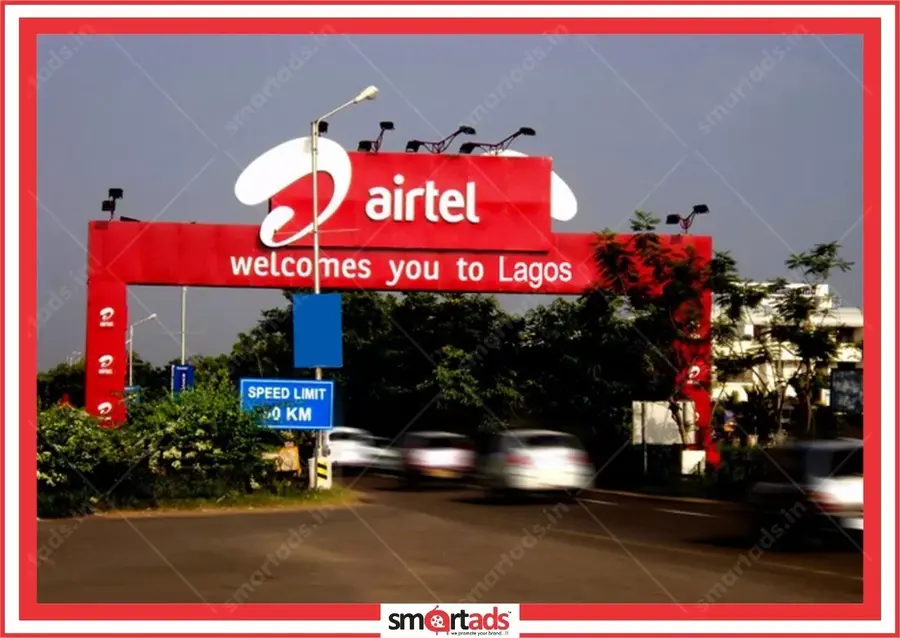
Gantry
50 x 8
Rate per Mediam / Month
₹150000.00
Showing 1 to 1 of 1 Results
MEDIA DETAILS
50 x 8
Rate per Mediam / Month
₹150000.00
MEDIA REACH

Size :
Mediam
Dimension :
50 x 8
SqFt :
400.00
Lighting :
Non-Lit
State :
Uttar Pradesh
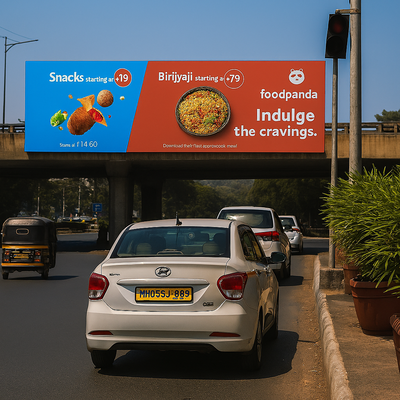
Delhi moves through outdoor sites like this every single day — and that's not an exaggeration. At ₹150,000 for a 400.00 sq ft canvas, the cost-per-impression math gets sharper the longer you commit.
Within Delhi near Kalindi Kunj is curated for metro commuter audience visibility under concentrated peak-hour spikes around transit and offices. Every commuter sees the same outdoor sites day after day, and that involuntary repetition is what makes OOH one of the strongest recall-building channels available. Every commuter sees the same outdoor sites day after day, and that involuntary repetition is what makes OOH one of the strongest recall-building channels available.
Want to know what most planners get wrong? Here's the thing. Reach in Delhi is built through repeated daily exposure across concentrated peak-hour spikes around transit and offices. The actual per-impression cost varies by traffic volume and campaign duration, with location catchment profile, time-of-day visibility, site exclusivity, competitive presence, and seasonal demand patterns being the primary planning levers — assuming you actually want results, not just impressions — which is why two sites at the same rate can produce wildly different results. Bridging physical brand presence with digital lead capture and tracking.
If you're planning Gantry advertising in Delhi, start by matching the medium to real audience attention. Every commuter sees the same outdoor sites day after day, and that involuntary repetition is what makes OOH one of the strongest recall-building channels available. Keep the message simple and run long enough to build frequency, because repetition is where recall compounds. This Mediam Non-Lit hoarding in Delhi (population 11 million) near Kalindi Kunj captures metro commuter audience attention. Use Size (Mediam) and Dimension (50 x 8) to keep the plan practical, with emphasis on consistent audience exposure and trackable frequency.
Gantry advertising in Delhi uses Outdoor placements to keep a brand visible in moments that fit audience behavior. Unlike channels that are easy to skip, this medium works through contextual presence and repeated exposure. A good definition includes where it appears (elevated highway panels, pedestrian skywalks, utility pole clusters, industrial zone boards, and neighbourhood entry gates), how it's planned (commute-path mapping, footfall heat zones, competitive gap analysis, creative rotation schedule, and seasonal rate negotiation), and what execution requires. Within Delhi, the placement near Kalindi Kunj is curated for metro commuter audience visibility under concentrated peak-hour spikes around transit and offices. When those parts are aligned upfront, campaigns feel intentional, look consistent, and build stronger recall over time.
There are three reasons brands keep returning to Gantry advertising in Delhi. First, it delivers frequency that compounds into genuine recall, not just impressions that vanish. Second, the planning controls let you match placements to your audience, budget, and timeline without the unpredictability of auction-based media. Third, it builds local credibility: consistent presence in Delhi signals commitment to the market. For the best results, plan around consistent audience exposure and trackable frequency.
Cost for Gantry advertising in Delhi varies mainly by placement quality, audience density, seasonality, and campaign duration. The strongest cost control comes from planning levers such as commute-path mapping, footfall heat zones, competitive gap analysis, creative rotation schedule, and seasonal rate negotiation. A smart mix of premium and value placements can protect both visibility and budget without over-spending on any single touchpoint. In Delhi, this site is available at ₹150,000, with the actual per-impression cost varying by traffic volume and campaign duration. Plan for production, approvals, and timelines early so you don't pay for last-minute fixes or rush charges.
Ready to plan Gantry advertising in Delhi? Share your goal, budget range, preferred dates, and priority zones. we'll recommend the right format mix from available Outdoor touchpoints, apply smart planning levers to protect your budget, and build a practical schedule that avoids wasted spend. If performance matters, we'll set tracking upfront so every impression is measurable. The final recommendation will stay focused on consistent audience exposure and trackable frequency. Get a customized media plan and pricing from SmartAds.
For Delhi, the levers that move outcomes are: commute-path mapping, footfall heat zones, competitive gap analysis, creative rotation schedule, and seasonal rate negotiation.
geofenced mobile data for exposure estimates, store visit lift analysis, branded search volume correlation, and QR-to-landing-page conversion tracking
Specifications
Size: Mediam
Dimension: 50 x 8
Sq Ft: 400.00
Lighting: Non-Lit
State: Uttar Pradesh
Desc.: Kalindi Kunj
Rate: 150000
Creative requirements for Delhi: Strip out everything except the brand mark, the offer, and one hero image; outdoor is a recognition medium, not an information medium.
