
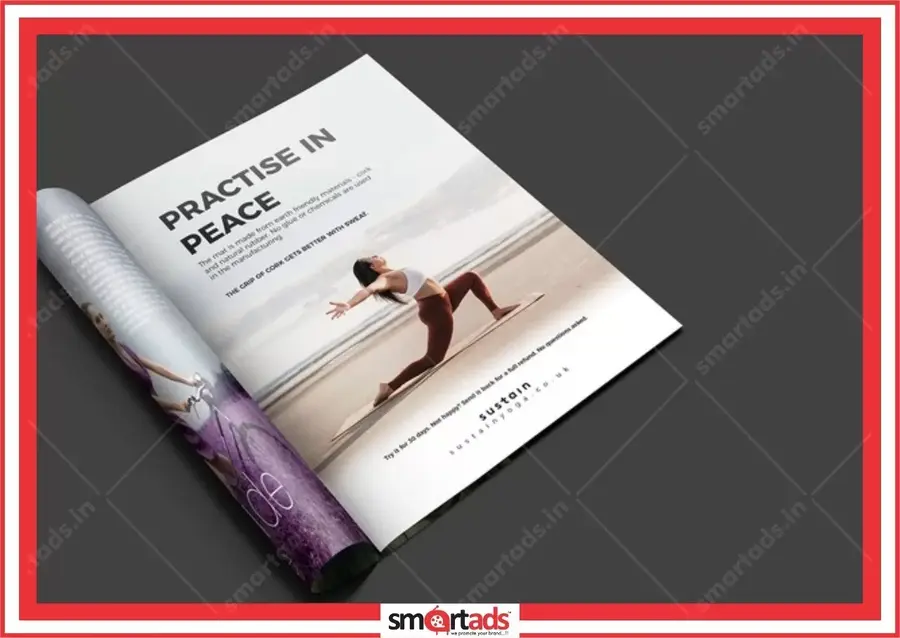
Full Page
Bleed : 20 x 27 cm|Non-Bleed : 17 x 24 c
Full-page Magazine ads rich with color a
Rate per Full Page / Issue
Assured Premium Page position*
₹52920.00
Showing 1 to 6 of 6 Results
MEDIA DETAILS
Bleed : 20 x 27 cm|Non-Bleed : 17 x 24 c
Full-page Magazine ads rich with color a
Rate per Full Page / Issue
Assured Premium Page position*
₹52920.00
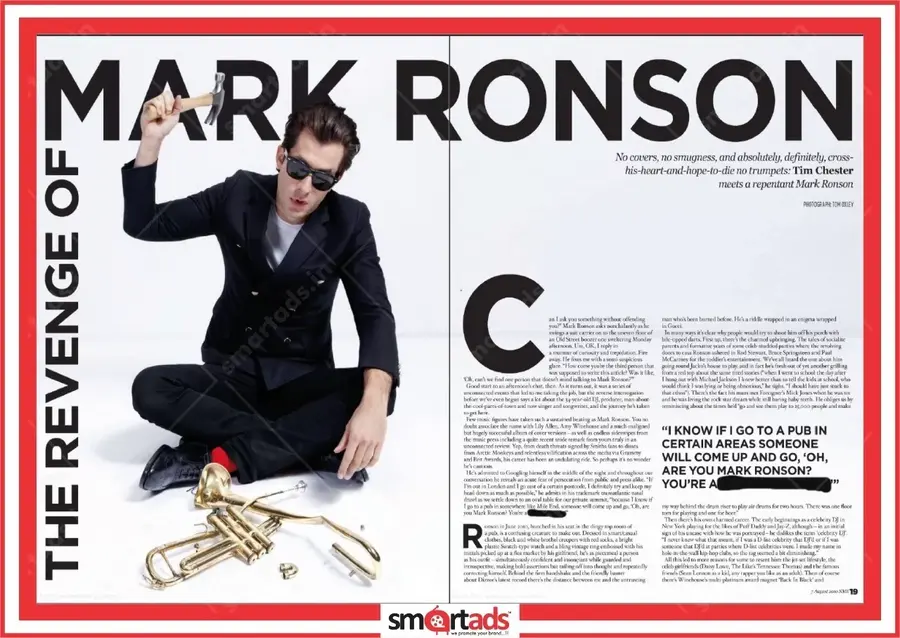
Bleed : 40 x 27 cm |Non-Bleed : 34 x 24
A Double Spread Ad spreads on two pages
Rate per Double Spread / Issue
Assured Premium Page position*
₹105840.00
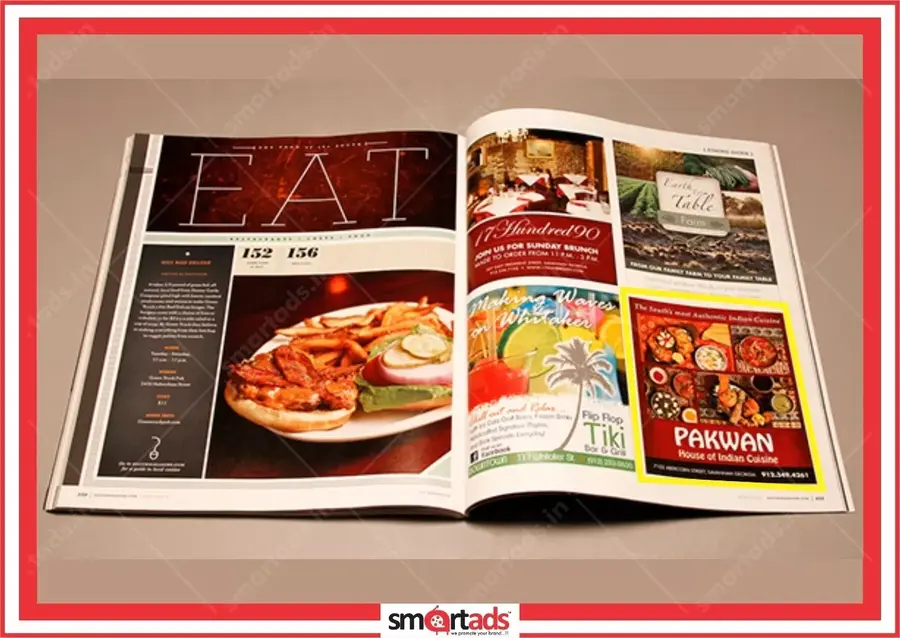
Bleed : 10.5 x 14 cm
Our most popular size is the quarter-pag
Rate per Quarter Page / Issue
Assured Premium Page position*
₹15300.00
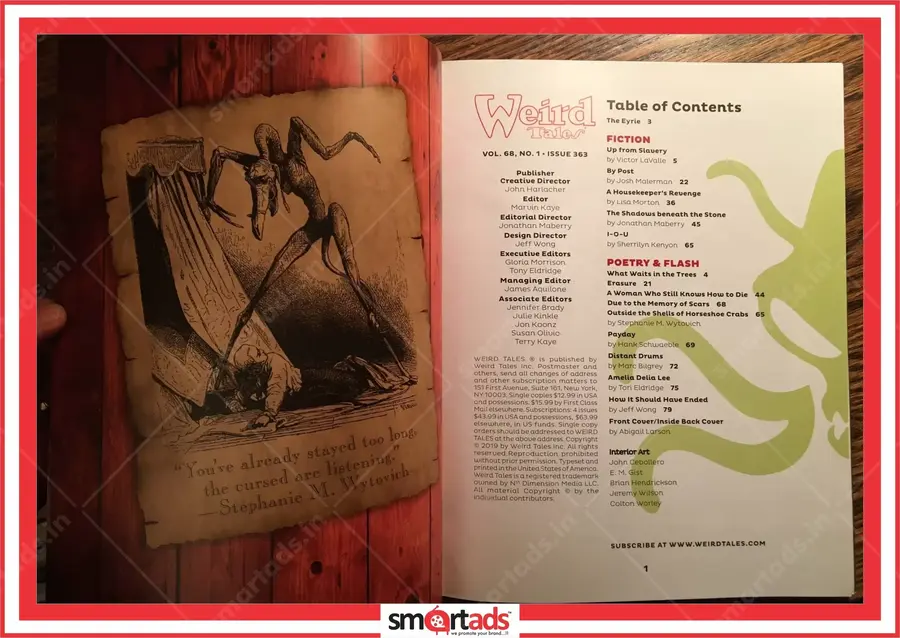
Bleed : 20 x 27 cm |Non-Bleed : 17 x 24
The advertising that appears on the fron
Rate per Page / Issue
Assured Premium Page position*
₹97020.00

Bleed : 20 x 27 cm |Non-Bleed : 17 x 24
The advertising that appears on the firs
Rate per Page / Issue
Assured Premium Page position*
₹101430.00

27.2 cms x 20 cms ( bleed size) 24 cms x
The back cover is usually the most expen
Rate per Page / Issue
Assured Premium Page position*
₹88200.00
MEDIA REACH

Language :
English
Frequency :
Monthly
Circulation :
10000
Readership :
30000
Category :
Art And Culture
BookingDeadline :
1 Week
ArtworkSubmission :
1 Week
AdvertisingStepsFile :
DigitalCopyAvailability :
yes

If your brand needs to feel premium, you can't fake the setting on Instagram. The Little provides the editorial environment that does the work for you. Available formats include front cover branding, inside back cover positions, multi-page advertorial features, insert cards with perforation, and co-branded editorial content.
In a world of fleeting screen impressions, a printed magazine ad offers a tangible brand experience that readers can touch, revisit, and share with others. the little advertising works hardest when planned around subscriber demographics versus newsstand buyer profiles, first-issue versus repeat-issue positioning, creative production value benchmarking, rate card negotiation windows, and circulation guarantee requirements. You're not buying a single placement; you're buying continuity across issues — and that's where the math actually works.
Look. Run repeated placements across consecutive issues rather than single high-impact bookings — magazine recall builds through cumulative trust, not one-off spectacle. Premium positioning that transfers publication trust to your brand.
If you're planning The Little advertising in India, start by matching the medium to real audience attention. In a world of fleeting screen impressions, a printed magazine ad offers a tangible brand experience that readers can touch, revisit, and share with others. Keep the message simple and run long enough to build frequency, because repetition is where recall compounds. Plan The Little campaigns across India for high-dwell magazine attention. Use Language (English) and Frequency (Monthly) to keep the plan practical, with emphasis on maximizing impression value per rupee through strategic planning.
The Little advertising in India uses Magazine placements to keep a brand visible in moments that fit audience behavior. Unlike channels that are easy to skip, this medium works through contextual presence and repeated exposure. A good definition includes where it appears (front cover branding, inside back cover positions, multi-page advertorial features, insert cards with perforation, and co-branded editorial content), how it's planned (subscriber demographics versus newsstand buyer profiles, first-issue versus repeat-issue positioning, creative production value benchmarking, rate card negotiation windows, and circulation guarantee requirements), and what execution requires. For India, magazine campaigns plan around issue cadence, reader profile, and ad position. When those parts are aligned upfront, campaigns feel intentional, look consistent, and build stronger recall over time.
Cost for The Little advertising in India varies mainly by placement quality, audience density, seasonality, and campaign duration. The strongest cost control comes from planning levers such as subscriber demographics versus newsstand buyer profiles, first-issue versus repeat-issue positioning, creative production value benchmarking, rate card negotiation windows, and circulation guarantee requirements. A smart mix of premium and value placements can protect both visibility and budget without over-spending on any single touchpoint. Magazine ad cost depends on issue placement, ad size, color, and category exclusivity. Plan for production, approvals, and timelines early so you don't pay for last-minute fixes or rush charges.
Effective reach isn't about volume alone; it's about how many times the right people in India see your message in contexts where they're attentive. Use planning levers like subscriber demographics versus newsstand buyer profiles, first-issue versus repeat-issue positioning, creative production value benchmarking, rate card negotiation windows, and circulation guarantee requirements to concentrate exposure where it drives recall rather than spreading budget thin. Reach for magazines in India builds through repeat readership and pass-along. Track reach quality, not just quantity, and optimize towards placements that generate response. Language (English) and Frequency (Monthly) anchor the plan with measurable benchmarks.
Ready to plan The Little advertising in India? Share your goal, budget range, preferred dates, and priority zones. we'll recommend the right format mix from available Magazine touchpoints, apply smart planning levers to protect your budget, and build a practical schedule that avoids wasted spend. If performance matters, we'll set tracking upfront so every impression is measurable. The final recommendation will stay focused on maximizing impression value per rupee through strategic planning. Get a customized media plan and pricing from SmartAds.
For India, the levers that move outcomes are: subscriber demographics versus newsstand buyer profiles, first-issue versus repeat-issue positioning, creative production value benchmarking, rate card negotiation windows, and circulation guarantee requirements.
issue-specific landing page analytics, printed response code redemption, circulation-weighted CPM calculations, and cross-channel attribution using matched reader panels
Specifications
Language: English
Frequency: Monthly
Circulation: 10000
Readership: 30000
Category: Art And Culture
Booking Deadline: 1 Week
Artwork Submission: 1 Week
Advertising Steps File: PDF
Digital Copy Availability: yes
Target Group: B2B & B2C
Creative requirements for India: Design for the medium's strength: high-quality paper reproduction means you can use photography, fine typography, and rich colour in ways that screens diminish.
