
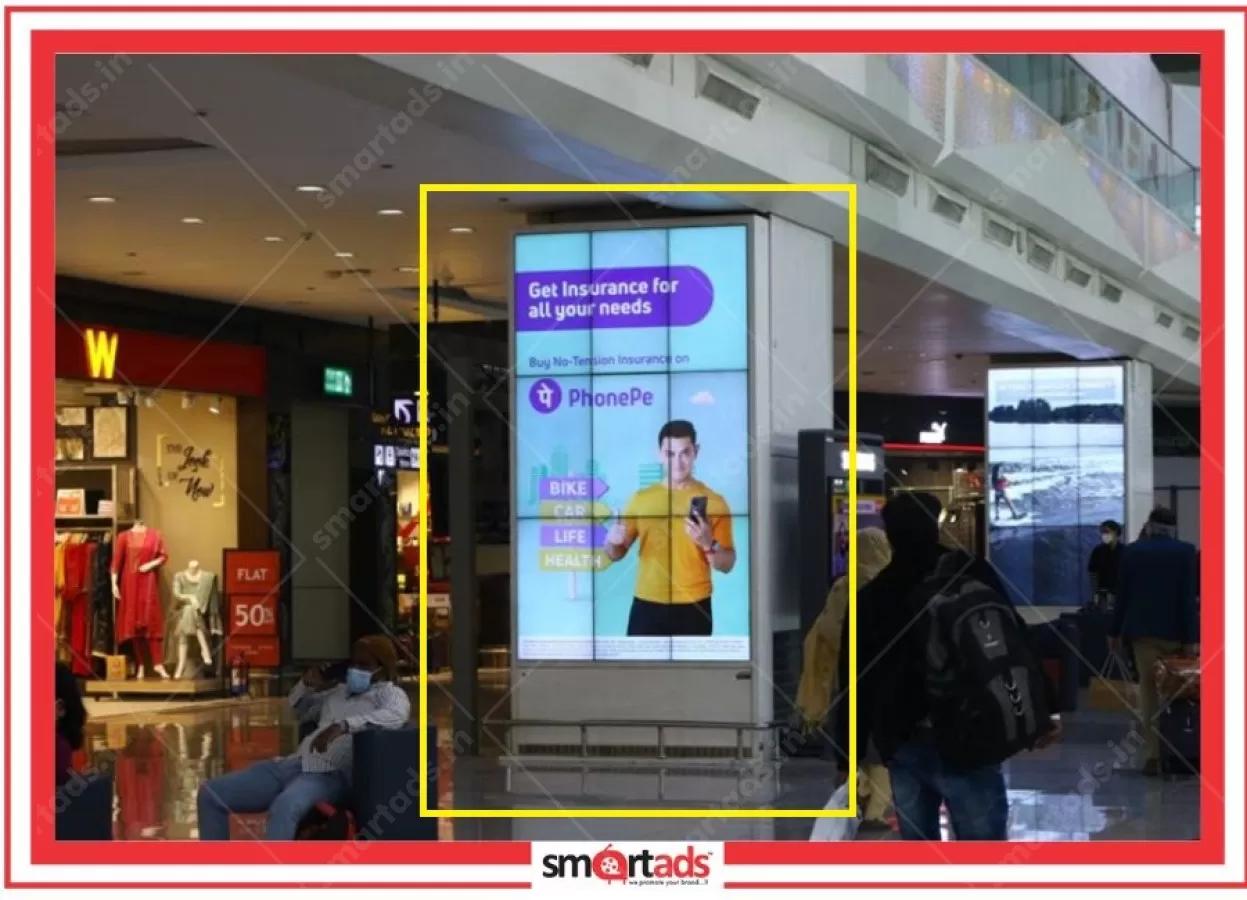
Video Wall
1620 x 2880 Pixels
Digital - T3 Domestic Departure Unit 1 S
Rate per Wall / Month
Digital - T3 Domestic Departure Unit 1 S
₹200000.00
Showing 1 to 12 of 13 Results
MEDIA DETAILS
1620 x 2880 Pixels
Digital - T3 Domestic Departure Unit 1 S
Rate per Wall / Month
Digital - T3 Domestic Departure Unit 1 S
₹200000.00
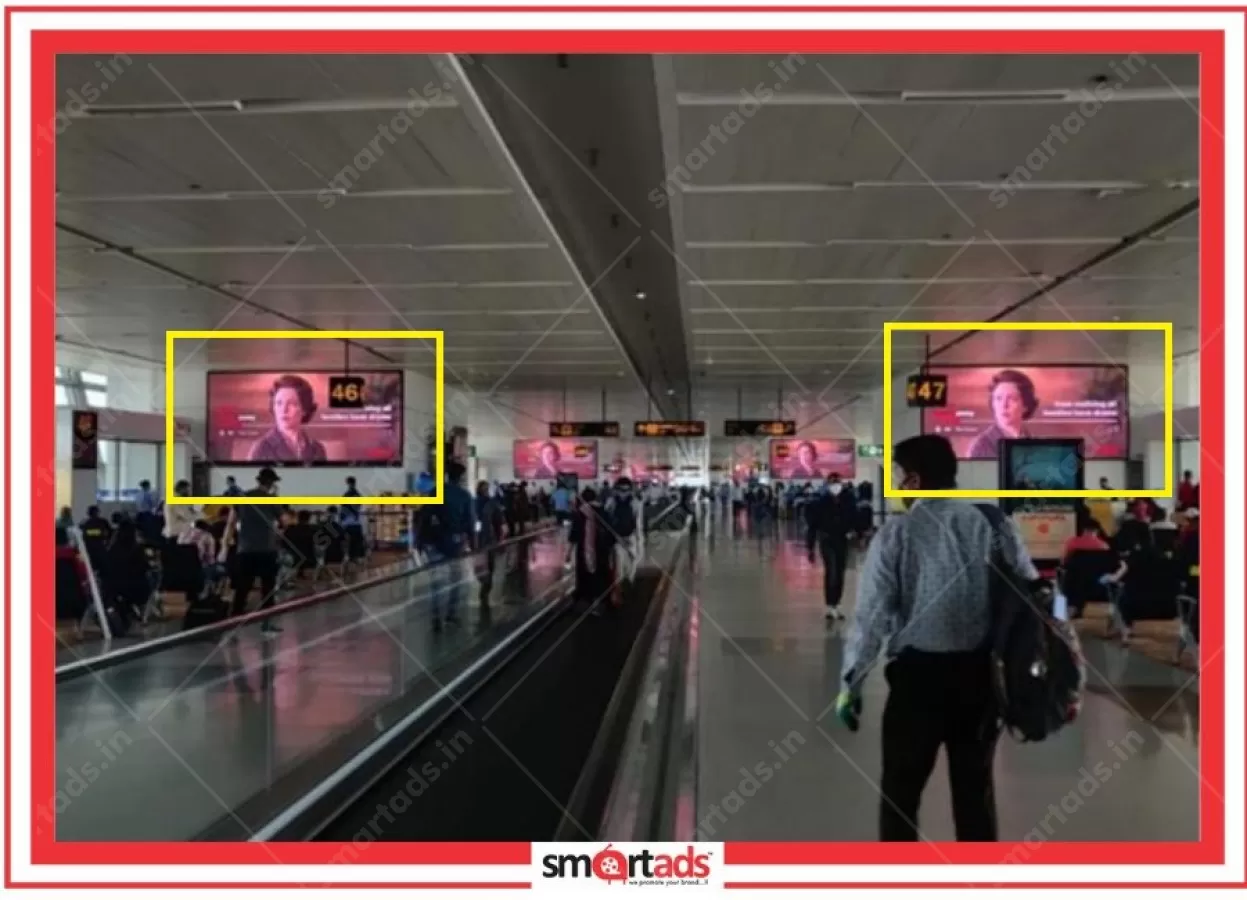
W16 Ft x H7 Ft
15 seconds Ads placed on 62 Digital scro
Rate per Screen / Month
Digital - T3 Departure Unit 24 (15 secon
₹160000.00
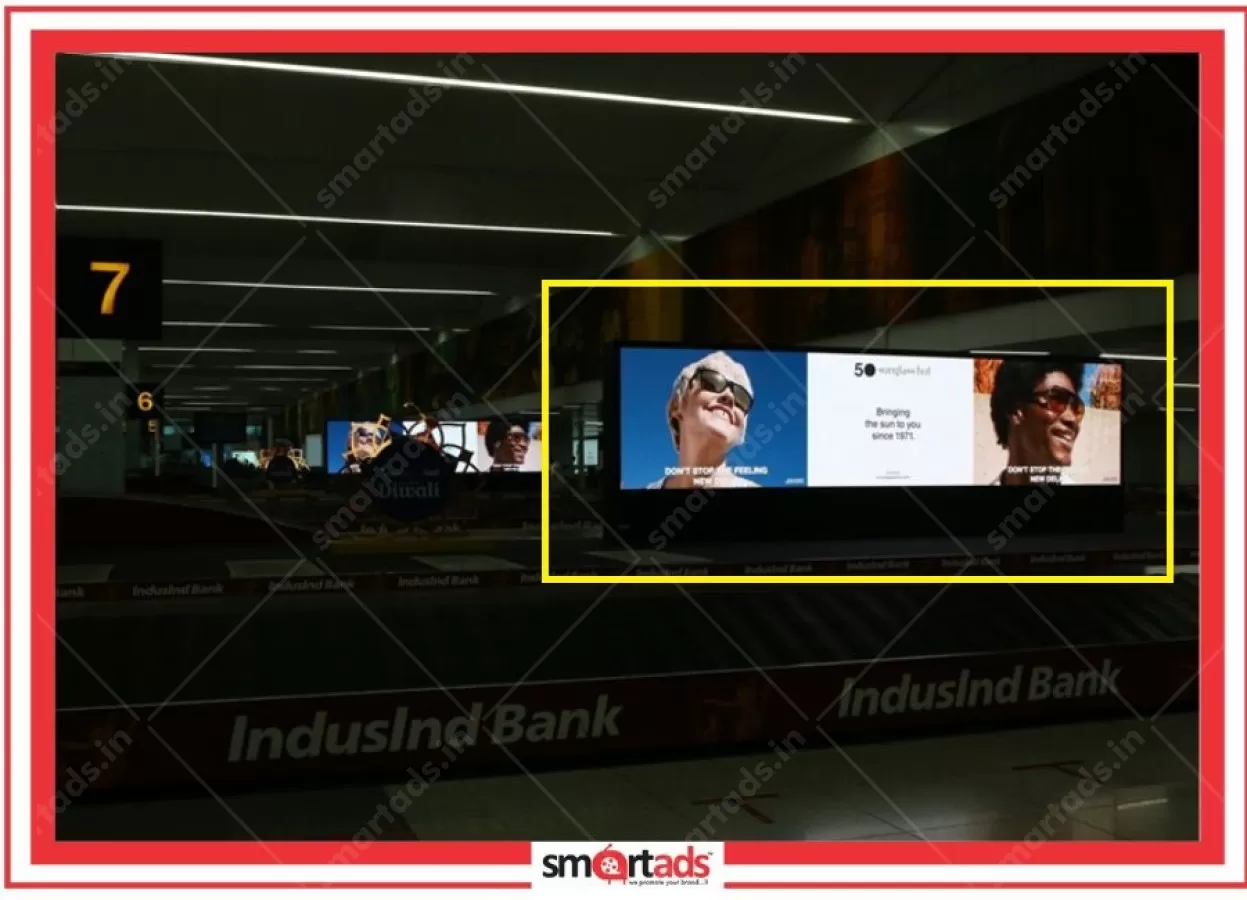
W16 Ft x H4 Ft
(Slot 10 - 12 Creative Duration per slo
Rate per Screen / Month
Digital - T3 Arrivals Unit 14 Double-sid
₹214500.00
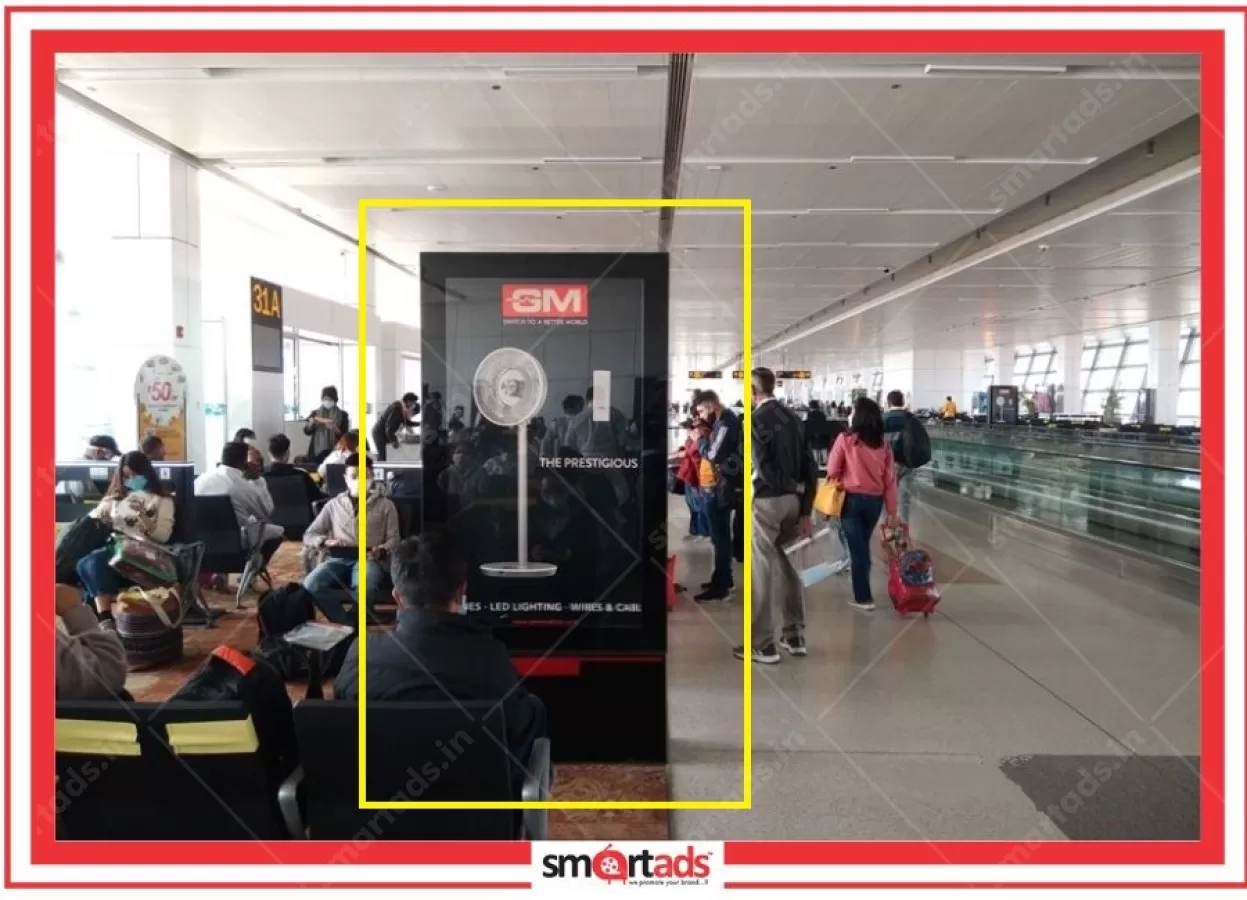
1080 x 1920 Pixels
An array of 63 screens placed strategica
Rate per Screen / Month
Digital - T3 Domestic Departure Unit 63
₹38500.00

1080 x 1920 Pixels
An array of 27 screens placed strategica
Rate per Screen / Month
Digital – T2 Unit 33(27 Dep + 6 Arr) scr
₹36500.00

1080 x 1920 Pixels
Ultra HD Digital signage N/W 4K Digital
Rate per Screen / Month
Digital – T2 Departure Unit 16 No. of sc
₹75000.00

W6.8 Ft x H4.8 Ft
8 stroller’s catering to 100% departing
Rate per Screen / Month
Digital – T1 Departure Unit 6 Slots in E
₹183500.00

W16 Ft x H3.5 Ft
High Dwell-time Location , 100% Arrivals
Rate per Screen / Month
Digital – T1 Arrival Unit 8 (4 Baggage B
₹200000.00

W30 Ft x H10 Ft
These banners are the only large format
Rate per Box / Month
Front lit - T1 Domestic Departure Caters
₹2000000.00

W30 Ft x H10 Ft
These banners are the only large format
Rate per Box / Month
Front lit - T1 Departure SHA Flex (Doubl
₹2000000.00

W21.7 Ft x H10.7 Ft
The integrated package of light boxes ha
Rate per Box / Month
Ambient Lit – T1 Departure SAV Unit 3
₹666700.00

W19.11 Ft x H6.2 Ft
This strategically placed large format m
Rate per Box / Month
Back Lit– T2 Unit 1 Departure caters to
₹900000.00
MEDIA REACH

Airports :
Indira Gandhi International Airport (IGI)
MonthlyFootfall :
6500000
MonthlyFlights :
43333
Terminal :
Domestic & International
Location :
Palam, NH-48, New Delhi

This comprehensive guide reveals actual airport lounge advertising rates, format specifications, and strategic insights for premium brand campaigns at Delhi T3, based on our experience managing 200+ airport advertising campaigns across India's busiest aviation hub.
The thing is, most brands completely underestimate the goldmine that airport lounge advertising represents at Delhi's Terminal 3; while they chase after billboard spaces and metro station hoardings, the real affluent audience — business travelers with purchasing power that dwarfs the general population — sits captive in premium lounges for hours at a time. We have found that airport lounge advertising in Delhi T3 delivers engagement rates that make even the most expensive digital campaigns look pedestrian, which is why luxury brands, financial services companies, and premium automotive manufacturers are increasingly shifting their OOH budgets toward these exclusive spaces.
What most media planners miss is that IGI Terminal 3 processes roughly 73.6 million passengers annually, but the lounge spaces capture the top 15-20% of this traffic — the segment that actually drives purchase decisions worth lakhs rather than thousands. Our experience managing campaigns for premium brands shows that T3 delhi airport lounge advertising delivers brand recall rates somewhere between 68-74%, which puts it ahead of most traditional outdoor advertising formats by a significant margin.
The advertising inventory at Terminal 3 lounges breaks down into several distinct categories, each designed to capture different moments in the premium passenger journey; what we tell our clients is that the most effective campaigns combine multiple touchpoints rather than betting everything on a single format. Static wall panels remain the backbone of most lounge advertising campaigns, which makes sense when you consider that passengers spend an average of 90-120 minutes in these spaces — far longer than they would engage with any street-level hoarding or mall display.
Digital displays have emerged as the premium option for brands that want dynamic content capabilities; these screens, typically measuring 55-65 inches, are positioned at key sight lines within the Encalm Lounge, Maharaja Lounge, and other premium facilities managed through TIMDAA's advertising inventory. The thing about digital displays in airport lounges is that they command attention without feeling intrusive, which is crucial when you are dealing with business travelers who are already stressed about flights and connections.
Interactive displays represent the newest addition to T3's lounge advertising options, though we generally recommend these for brands with specific engagement objectives rather than pure awareness campaigns. One automotive client we worked with installed an interactive display that allowed passengers to configure their ideal vehicle while waiting for flights; the engagement rates were impressive, but the cost per interaction worked out to roughly ₹340, which only makes sense for high-ticket purchases where a single conversion justifies the entire campaign spend.
Airport lounge advertising rates at Delhi T3 operate on a completely different pricing structure compared to traditional outdoor media, which catches most first-time buyers off guard when they see the initial quotes. Static wall panels in premium lounges typically cost somewhere between ₹2.8 to ₹4.2 lakh per month, depending on the specific lounge, panel size, and seasonal demand fluctuations that peak during October-March when business travel volumes surge.
Digital display advertising in T3 lounges commands premium rates that work out to roughly ₹6.5 to ₹9.8 lakh per month for a 30-second rotation slot; while this might seem steep compared to highway billboards, the CPM calculation tells a different story when you factor in the concentrated affluent audience exposure. We have calculated that lounge digital displays deliver a CPM of approximately ₹180-220, which actually undercuts most premium digital advertising when you account for the audience quality differential.
What surprises most brands is how seasonal pricing affects airport advertising cost structures at IGI Terminal 3; during peak travel months, rates can increase by 25-35%, but the passenger footfall also jumps significantly, which means your cost per impression often remains stable or even improves. At SmartAds, we always recommend booking lounge advertising space at least 45-60 days in advance to lock in standard rates and ensure inventory availability, especially for campaigns targeting the November-February business travel season.
Backlit displays consistently deliver the strongest performance metrics in our campaign analysis, primarily because they maintain visibility and impact even during the varied lighting conditions that characterize different lounge areas throughout the day. The technical specifications for these units — typically 6x4 feet or 8x6 feet — allow for creative executions that balance readability with visual impact, which is essential when passengers are viewing your message from various distances and angles while moving through the space.
Static wall panels work exceptionally well for brand positioning campaigns where the objective is sustained exposure rather than immediate action; we managed a campaign for a luxury watch brand where simple, elegant static displays in the Maharaja Lounge generated brand recall scores of 71% among surveyed passengers. The key insight here is that high dwell time in premium airport lounges allows for more sophisticated messaging that would be lost in the quick-glance environment of street-level advertising.
Interactive displays shine when the campaign objective involves lead generation or detailed product exploration, though they require more strategic placement to ensure passenger flow naturally brings people within interaction range. One financial services client achieved cost-per-lead figures of ₹1,240 through an interactive display that allowed business travelers to explore investment products while waiting for flights; these leads converted at 23%, which made the premium pricing worthwhile despite initial budget concerns.
The demographic profile of T3 lounge users represents exactly the audience that most premium brands struggle to reach through conventional media channels; we are talking about business executives, entrepreneurs, and affluent professionals whose media consumption habits have shifted away from traditional television and print toward highly selective, quality-focused touchpoints. Delhi airport terminal 3 advertising reaches this audience when they are relaxed, have time to process messages, and are often in a mindset associated with business success and premium experiences.
Geographic reach becomes a significant advantage when you consider that T3 processes passengers from across India and internationally, which means a single lounge advertising campaign can deliver exposure to decision-makers from Mumbai, Bangalore, Chennai, Hyderabad, and dozens of other major business centers. We tracked one B2B software campaign where 34% of the leads generated through lounge advertising came from cities where the client had no other marketing presence, which demonstrated the unique reach advantages of airport advertising.
The captive audience factor cannot be overstated when evaluating airport lounge advertising effectiveness; unlike outdoor advertising where exposure lasts 3-8 seconds, lounge advertising benefits from extended, repeated exposure as passengers move through different areas, return from restrooms, or simply spend time in seating areas facing your displays. At SmartAds, we have measured average exposure times of 12-18 minutes per passenger for well-positioned lounge advertisements, which creates brand familiarity levels that are difficult to achieve through any other OOH medium.
The booking process for T3 lounge advertising begins with TIMDAA (TIM Delhi Airport Advertising Private Limited), which holds the exclusive rights to advertising inventory across Terminal 3's premium spaces; however, working directly with TIMDAA often means navigating complex approval processes and minimum commitment requirements that can be challenging for first-time airport advertisers. Most brands find it more efficient to work through experienced airport advertising agencies that maintain established relationships with TIMDAA and understand the technical specifications, approval workflows, and seasonal availability patterns.
Campaign planning timelines for airport lounge advertising typically require 6-8 weeks from initial booking to campaign launch, which includes creative approval, production, and installation phases that must coordinate with airport security protocols and operational requirements. We always advise clients to factor in additional buffer time during peak travel seasons when installation schedules become more constrained due to increased passenger volumes and operational complexity at IGI Terminal 3.
Creative approval processes involve multiple stakeholders including TIMDAA, airport security, and sometimes individual lounge operators, which means your advertising creative needs to meet specific technical standards while avoiding content that could be considered inappropriate for the premium airport environment. At SmartAds, we maintain a database of approved creative guidelines and technical specifications that helps streamline this approval process, but brands should expect 10-14 days for complete creative clearance once all materials are submitted.
The psychological context of airport lounges creates an ideal environment for premium brand messaging, since passengers in these spaces have already demonstrated their willingness to pay for enhanced experiences and are often in a business-focused mindset that aligns with luxury positioning. We have observed that advertising messages in airport lounges benefit from what we call "aspiration amplification" — passengers who are experiencing premium services become more receptive to other premium brand propositions during the same timeframe.
Brand association effects work particularly well in T3 lounge environments because your advertising appears alongside other markers of premium service and exclusivity, which creates positive brand positioning through environmental context rather than just message content. One luxury automotive client reported that their lounge advertising campaign generated 40% higher consideration scores compared to identical creative running in mall environments, which we attribute to the elevated context and audience mindset present in premium airport spaces.
The international passenger mix at Delhi T3 adds another dimension to lounge advertising effectiveness, particularly for brands with global aspirations or products that benefit from international credibility signals. Business travelers who see your brand advertised in premium airport lounges often interpret this as evidence of market leadership and international presence, which can accelerate purchase consideration timelines compared to domestic-only advertising exposure.
Pricing structures for delhi airport branding in lounge environments typically follow monthly commitment models, though TIMDAA offers quarterly and annual packages that can reduce per-month costs by 15-25% for brands willing to make longer-term commitments. Premium lounge wall panels start at roughly ₹2.8 lakh per month for standard sizes, while prime locations near entrance areas or high-traffic zones can command rates up to ₹4.5 lakh monthly, depending on passenger flow patterns and seasonal demand.
Digital advertising packages in T3 lounges operate on rotation-based pricing where your content appears in a loop with other advertisers, typically showing for 30 seconds every 3-4 minutes throughout operating hours. The monthly cost for digital lounge displays works out to somewhere between ₹6.8 to ₹11.2 lakh, but the dynamic content capabilities and higher engagement rates often justify the premium for brands with complex products or seasonal messaging requirements.
Package deals become available when brands commit to multiple lounge locations or combine lounge advertising with other Terminal 3 inventory such as departure gate displays or security zone advertising; we have negotiated package rates that deliver 20-30% cost savings for clients willing to create integrated campaigns across multiple T3 touchpoints. The key is understanding which combinations create synergistic passenger journey coverage rather than redundant exposure that wastes budget without improving campaign effectiveness.
Entrance zone advertising in premium lounges captures passengers at their moment of arrival when they are transitioning from the general airport environment into the exclusive lounge space, which creates a psychological moment that is particularly receptive to luxury brand messaging. These placements typically cost 20-30% more than interior wall panels, but the impact on brand recall and message retention justifies the premium for most awareness-focused campaigns.
Seating area displays benefit from the longest exposure times since passengers naturally spend most of their lounge time in these zones while waiting for flight announcements or simply relaxing before departure. We have tracked viewing patterns that show seating area advertisements receive an average of 8-12 separate glances per passenger visit, which creates familiarity and message retention that exceeds most other OOH formats by significant margins.
Dining area advertising works exceptionally well for food and beverage brands, luxury lifestyle products, and financial services that target high-net-worth individuals who are likely to use premium airport dining facilities. One credit card campaign we managed in T3 dining areas generated application rates that were 340% higher than the same creative running in general terminal areas, which demonstrated the value of contextual alignment between advertising placement and audience behavior patterns.
Brand recall measurement for airport lounge advertising consistently shows performance levels that exceed traditional outdoor media by substantial margins; our post-campaign surveys typically reveal aided brand recall rates of 65-75% among passengers exposed to lounge advertising, compared to 35-45% for highway billboards or metro station displays. The extended exposure time and premium environment context combine to create deeper message processing that translates into stronger memory formation and brand association.
Lead generation campaigns in T3 lounges deliver cost-per-lead figures that work out to roughly ₹890 to ₹1,450, depending on the product category and campaign execution quality; while these numbers appear high compared to digital advertising, the lead quality differential often makes airport lounge leads more valuable on a lifetime customer value basis. We tracked one luxury real estate campaign where lounge-generated leads had an average deal size 280% higher than leads from other advertising channels, which completely changed the ROI calculation.
Sales attribution becomes more complex with airport advertising since passengers may not take immediate action, but purchase intent surveys show that lounge advertising influences buying decisions over 3-6 month timeframes rather than immediate conversion windows. At SmartAds, we recommend implementing tracking mechanisms such as unique promo codes or dedicated landing pages to capture the delayed conversion patterns that characterize high-consideration purchases influenced by premium airport advertising exposure.
Q: What are the different types of airport lounge advertising available at T3 Delhi?
Airport lounge advertising at Delhi T3 encompasses several format categories, each designed to capture different aspects of the premium passenger experience; static wall panels remain the most popular option, typically measuring 6x4 feet or 8x6 feet and positioned at strategic sight lines throughout lounges like Encalm, Maharaja, and other premium facilities. Digital displays offer dynamic content capabilities with 55-65 inch screens that rotate advertiser content every 30 seconds, while interactive displays allow passenger engagement through touch interfaces, though these work best for brands with specific lead generation objectives rather than pure awareness campaigns. Backlit displays provide consistent visibility across varying lighting conditions, and sponsorship opportunities allow brands to associate with specific lounge amenities or services, creating deeper brand integration than traditional advertising placements.
Q: How much does it cost to advertise in airport lounges at Delhi T3?
Airport lounge advertising cost at T3 varies significantly based on format, location, and seasonal demand, with static wall panels typically ranging from ₹2.8 to ₹4.2 lakh per month for standard placements in premium lounges. Digital displays command higher rates, working out to roughly ₹6.5 to ₹9.8 lakh monthly for rotation slots, while interactive displays can cost ₹8.5 to ₹12.5 lakh depending on technical requirements and engagement features; these rates increase by 25-35% during peak travel seasons from October through March when business travel volumes surge. Package deals become available for multi-location campaigns or longer-term commitments, often delivering 15-25% cost savings for quarterly or annual bookings, though the premium pricing reflects the concentrated affluent audience and extended exposure times that characterize airport lounge environments.
Q: What is the passenger footfall at Delhi Airport T3 lounges?
Delhi Airport Terminal 3 processes approximately 73.6 million passengers annually, with premium lounges capturing roughly 15-20% of this traffic, which translates to somewhere between 900,000 to 1.2 million monthly lounge visitors during peak periods. The demographic profile skews heavily toward business travelers, with average household incomes that are 4-6 times higher than general airport passengers, and dwell times averaging 90-120 minutes per visit, which creates extended exposure opportunities that exceed most traditional OOH formats. Seasonal variations affect these numbers significantly, with November through February showing 30-40% higher lounge usage due to increased business travel, while summer months see more leisure travelers who still represent affluent demographics but with different purchasing behavior patterns.
Q: How do I book airport lounge advertising space at IGI Terminal 3?
Booking airport lounge advertising space at T3 requires coordination with TIMDAA (TIM Delhi Airport Advertising Private Limited), which holds exclusive rights to Terminal 3 advertising inventory, though most brands find it more efficient to work through experienced airport advertising agencies that understand the approval processes and technical requirements. The booking timeline typically requires 6-8 weeks from initial reservation to campaign launch, including creative approval phases that involve multiple stakeholders and technical specifications that must meet airport security and operational standards. Campaign planning should begin at least 45-60 days before desired launch dates, especially during peak travel seasons when inventory becomes limited and installation schedules face greater constraints due to increased passenger volumes and operational complexity at IGI Terminal 3.
Q: Which advertising agency manages lounge advertising at Delhi Airport?
TIMDAA (TIM Delhi Airport Advertising Private Limited) holds the exclusive rights to manage advertising inventory across Terminal 3, including all premium lounge spaces, though they typically work through authorized advertising agencies rather than directly with individual brands for most campaigns. At SmartAds, we maintain established relationships with TIMDAA and understand the technical specifications, approval workflows, and seasonal availability patterns that affect campaign planning and execution timelines; this agency partnership model allows brands to access airport advertising inventory while benefiting from specialized expertise in creative development, installation coordination, and campaign optimization. The advantage of working through experienced airport advertising agencies lies in navigating the complex approval processes, understanding seasonal pricing variations, and ensuring creative executions meet the specific technical and content standards required for premium airport environments.
Q: What are the benefits of advertising in premium airport lounges?
Premium airport lounge advertising delivers several unique advantages that distinguish it from traditional outdoor media, starting with audience quality that represents the top 15-20% of income demographics with purchasing power that significantly exceeds general population averages. Extended dwell times of 90-120 minutes create repeated exposure opportunities that allow for more sophisticated messaging and deeper brand recall formation, while the premium environment context enhances brand positioning through association with luxury and exclusivity markers that passengers experience simultaneously. Geographic reach extends across India and internationally since T3 processes business travelers from major cities nationwide, allowing single campaigns to generate exposure among decision-makers from markets where brands may have limited advertising presence; the captive audience factor ensures higher engagement rates compared to outdoor advertising where exposure lasts only seconds, creating brand familiarity levels that influence purchase decisions over 3-6 month consideration periods.
Q: How long does it take to set up a lounge advertising campaign?
Airport lounge advertising campaign setup typically requires 6-8 weeks from initial booking to launch, though this timeline can extend during peak travel seasons when installation schedules become more constrained due to operational complexity at Terminal 3. The process begins with inventory reservation and creative development, followed by approval phases that involve TIMDAA, airport security, and sometimes individual lounge operators, which usually takes 10-14 days once all materials are submitted according to technical specifications. Production and installation phases must coordinate with airport security protocols and operational requirements, often requiring work during off-peak hours to minimize passenger disruption; at SmartAds, we recommend beginning campaign planning at least 45-60 days before desired launch dates to ensure adequate time for creative development, approval processes, and installation scheduling, especially for campaigns targeting high-demand periods like the October-March business travel season.
Q: What are the size specifications for lounge wall panel advertisements?
Standard lounge wall panel advertisements at T3 typically measure 6x4 feet or 8x6 feet, though custom sizes may be available depending on specific lounge layouts and available wall space, with technical specifications requiring high-resolution printing at 150-300 DPI to ensure visual quality under varied lighting conditions. Backlit displays follow similar dimensional standards but require translucent materials and specific color profiles that account for LED backlighting effects, while digital displays operate at 1920x1080 or 4K resolution depending on screen specifications and content rotation requirements. Creative specifications must account for viewing distances that range from 3-15 feet as passengers move through lounge areas, requiring typography and visual elements sized appropriately for readability across this range; material specifications vary by format but generally require fire-retardant, aviation-grade materials that meet airport safety standards, with installation methods designed to comply with emergency evacuation requirements and operational safety protocols.
Q: Can I target specific demographics through T3 lounge advertising?
T3 lounge advertising inherently targets affluent demographics since lounge access requires business class tickets, frequent flyer status, or premium credit card memberships, which creates a self-selecting audience with household incomes typically 4-6 times higher than general population averages. Geographic targeting becomes possible through strategic lounge selection, since different lounges attract varying passenger mixes — Maharaja Lounge skews toward Air India business travelers while international lounges capture more globally-focused executives and entrepreneurs. Temporal targeting allows brands to reach specific traveler segments by aligning campaigns with peak business travel periods (October-March) versus leisure travel seasons, though the premium lounge environment maintains affluent demographics year-round; behavioral targeting opportunities exist through placement selection, with dining area advertising reaching food and luxury lifestyle audiences while business center advertising captures productivity-focused professionals, though the overall demographic profile remains consistently upscale across all lounge advertising placements.
Q: What approval process is required for airport lounge advertisements?
Airport lounge advertisement approval involves multiple stakeholders including TIMDAA, airport security, and operational teams, with content guidelines that prohibit political messaging, competitive airline advertising, and any content deemed inappropriate for the premium airport environment. Creative submissions must include high-resolution artwork, technical specifications, and installation plans that demonstrate compliance with fire safety, emergency evacuation, and structural requirements specific to airport infrastructure; the approval timeline typically requires 10-14 days once complete materials are submitted, though complex installations or non-standard formats may require additional review time. Security clearance becomes necessary for installation teams, which must be arranged in advance and coordinated with airport operational schedules to minimize passenger disruption during setup phases; at SmartAds, we maintain pre-approved vendor relationships and understand the specific documentation requirements that streamline this approval process, but brands should expect thorough review of both creative content and technical execution plans before receiving final campaign authorization from Terminal 3 authorities.
The reality of airport lounge advertising at Delhi T3 is that it represents one of the few remaining opportunities to reach truly affluent audiences in a captive, premium environment where your brand message receives extended, quality attention rather than fleeting glances. What we have learned through managing hundreds of airport campaigns is that success depends on understanding the unique psychology of business travelers who are temporarily removed from their usual media consumption patterns and more receptive to premium brand propositions that align with their elevated travel experience.
The investment required for effective T3 lounge advertising — typically starting around ₹2.8 lakh monthly for static displays and scaling up to ₹12+ lakh for comprehensive digital campaigns — reflects the concentrated value of reaching decision-makers who influence purchase decisions worth crores across categories from luxury automotive to financial services to B2B technology solutions. Our campaign tracking shows that brands willing to commit to 3-6 month campaigns achieve significantly better ROI than short-term tests, primarily because airport advertising influences high-consideration purchases that unfold over extended decision cycles rather than immediate conversion windows.
At SmartAds, we have seen airport lounge advertising transform brand positioning for clients who understand that premium audience access requires premium investment, but delivers returns that justify the commitment through lead quality, brand recall, and long-term customer value metrics that exceed conventional advertising channels. The key insight for brands considering T3 lounge advertising is that this medium works best as part of an integrated premium marketing strategy rather than a standalone tactic, creating brand experiences that reinforce luxury positioning across multiple touchpoints in the affluent consumer journey.
For customized airport lounge advertising strategies and current inventory availability at Delhi T3, SmartAds.in provides comprehensive campaign planning that maximizes your investment through strategic placement selection, creative optimization, and performance tracking designed specifically for the unique dynamics of premium airport advertising environments.
