
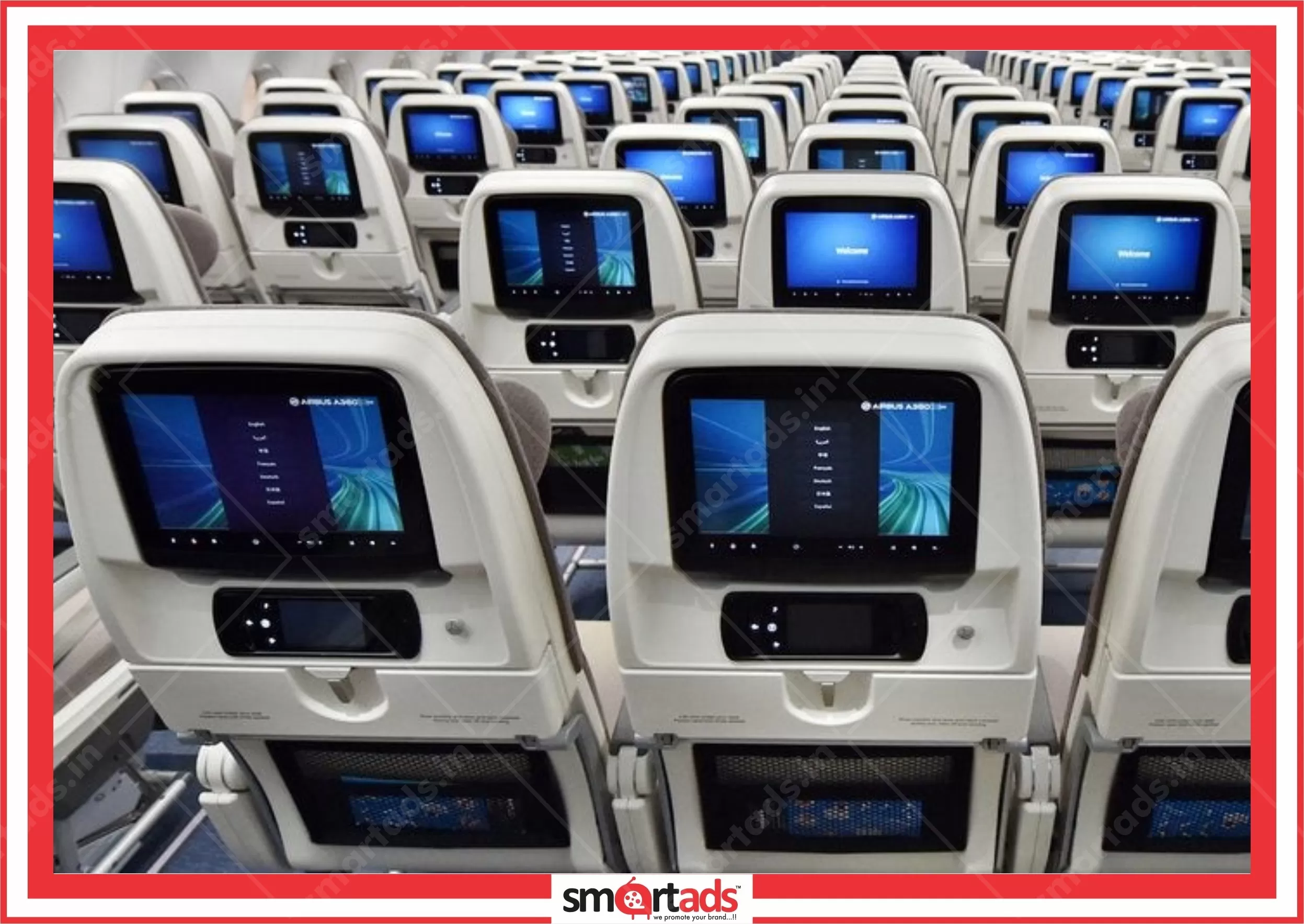
On Screen Regular
HorIzontal - 1280 x 720 px, VertICal - 4
Live video screens have a mix of content
Rate per Screen / 11 Day
₹990.00
Showing 1 to 9 of 9 Results
MEDIA DETAILS
HorIzontal - 1280 x 720 px, VertICal - 4
Live video screens have a mix of content
Rate per Screen / 11 Day
₹990.00
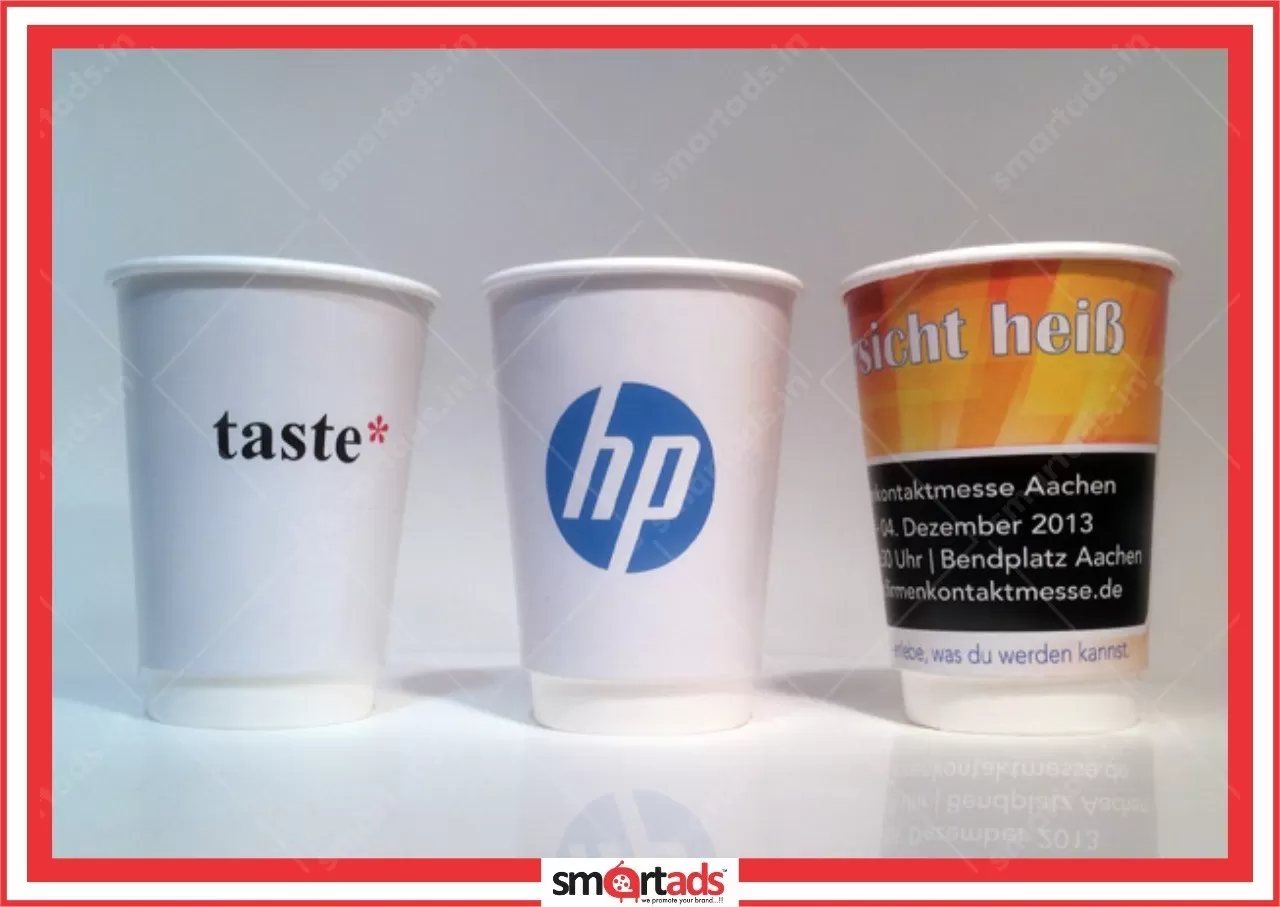
Branding on thick cardboard cups used fo
Rate per Cups / Month
₹807500.00
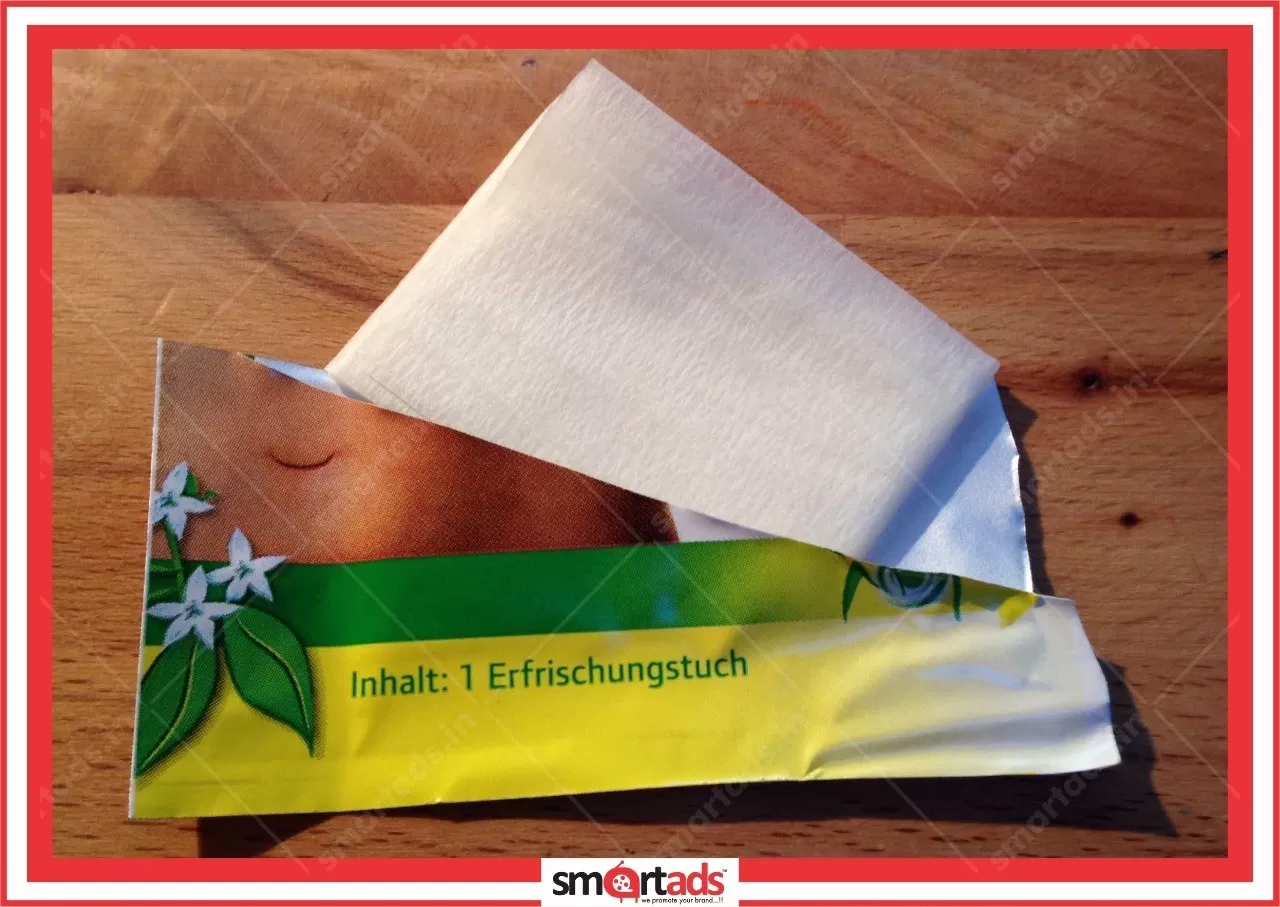
Branding on inflight Indigos tissues
Rate per Tissue / Month
₹950000.00

10 x 5 Cm
Ads can be placed on the tags that are a
Rate per Tag / Month
₹427500.00

18.73 x 8.25 Cm
Ads can be placed on back side of the bo
Rate per Pass / Month
₹456000.00

A full page ad in the menu card talks to
Rate per Page / Month
₹39900.00

Ads can be placed on the food area trays
Rate per Tray / Month
₹275500.00

Branding on cups used for serving Tea/Co
Rate per Cups / Month
₹237500.00

Boxes used to serve food are branded
Rate per Pack / Month
₹427500.00
MEDIA REACH

Airports :
Kempegowda International Airport (KIA)
MonthlyFootfall :
3167000
MonthlyFlights :
21113
Terminal :
Domestic & International
Location :
Devanahalli, NH-44, Bengaluru

Bangalore airport lounge advertising represents one of India's most lucrative opportunities for reaching affluent business travelers and premium passengers; this comprehensive guide reveals actual advertising rates, successful campaign strategies, and insider insights from managing 200+ airport branding campaigns across Karnataka's tech capital.
The thing is, most brands completely underestimate the concentrated purchasing power sitting in Bangalore's airport lounges on any given day. Kempegowda International Airport processes roughly 33 million passengers annually, which translates to approximately 2.7 million monthly footfall; what makes this particularly interesting for advertisers is that lounge passengers represent the top 15-20% income bracket of this already affluent traveler base. We have found through our campaigns that the average lounge visitor at Bengaluru International Airport has a household income exceeding ₹25 lakh annually, which is nearly four times the national urban average.
Airport lounge advertising creates what we call a "premium captive environment" – passengers typically spend 45-90 minutes in lounge areas before their flights, which gives brands extended dwell time that's impossible to achieve through traditional outdoor advertising formats. The relaxed atmosphere means travelers are more receptive to brand messaging; they're not rushing through security check or hunting for boarding gates, but instead settling in with refreshments and often conducting business calls or browsing on devices. One luxury watch brand we worked with reported that their lounge campaign at Bangalore airport generated 340% higher brand recall compared to their concurrent billboard campaign along Outer Ring Road.
What sets Bangalore apart from other Indian airports is the unique passenger demographic profile; the city's reputation as India's Silicon Valley means a disproportionate number of lounge users are C suite executives, tech entrepreneurs, and high-net-worth individuals traveling for business purposes. Our analysis of passenger traffic data shows that roughly 68% of lounge visitors are business travelers, with 42% holding senior management positions or above. This concentration of decision-makers makes airport lounge advertising particularly valuable for B2B brands, luxury products, and premium services targeting affluent consumers.
Frankly speaking, the advertising options within Bangalore airport lounges have evolved dramatically over the past three years, moving far beyond static posters to include sophisticated digital screens and interactive brand experiences. The primary advertising formats available include LED digital displays, which are typically mounted at eye level throughout seating areas and offer 15-30 second rotation slots; static backlit panels positioned near entrance areas and food counters; and branded amenity stations, which allow companies to sponsor charging ports, Wi-Fi access, or refreshment areas with subtle brand integration.
Digital screens represent the most popular choice among our clients because they allow for dynamic content updates and can showcase multiple creative executions throughout a campaign period; the standard digital display format measures 55-65 inches and supports full HD video content, which enables brands to run sophisticated animated advertisements that would be impossible with traditional static formats. We recently managed a campaign for a fintech company that used digital screens to display real-time stock market updates branded with their logo, which created genuine value for lounge passengers while building strong brand association with financial expertise.
The most premium option, though considerably more expensive, involves branded lounge zones where companies can sponsor entire seating sections or amenity areas; this format works particularly well for airlines promoting their own services, luxury car manufacturers, or high-end hospitality brands. One automotive client invested in a branded relaxation zone within the domestic lounge, complete with massage chairs featuring their logo and product brochures; the campaign generated over 1,200 direct inquiries during a three-month period, which worked out to a customer acquisition cost of roughly ₹2,800 per lead – exceptional for the luxury automotive segment.
Here's where it gets interesting – airport lounge advertising rates in Bangalore vary significantly based on lounge type, passenger volume, and advertising format, but the numbers often surprise brands who assume airport advertising is prohibitively expensive. Digital screen advertising in the main international departure lounge typically costs somewhere between ₹1.2 to ₹1.8 lakh per month for a 30-second slot rotating every 5 minutes; when you break this down by passenger exposure, the cost per thousand impressions works out to roughly ₹45-60, which is actually competitive with premium outdoor advertising locations in Koramangala or Indiranagar.
Static backlit panels command lower rates, usually in the ballpark of ₹80,000 to ₹1.2 lakh monthly depending on size and location within the lounge area; the prime positions near entrance points and food service areas naturally command premium pricing. What a lot of brands miss is that these base rates don't include several additional costs that can add 35-40% to the total investment – installation costs typically run ₹15,000 to ₹25,000, compliance fees charged by the airport authority add another ₹8,000 to ₹12,000, and GST taxes bring the final investment significantly higher than the quoted media rates.
At SmartAds, we always tell our clients that the most cost-effective approach involves booking lounge advertising for minimum three-month periods, which unlocks volume discounts of 15-20% and allows sufficient time for brand recall to build among regular business travelers who frequent the same lounges. The seasonal pricing fluctuations are also worth considering – rates increase by 25-30% during peak travel months of December, January, and April when passenger traffic surges due to holiday travel and the end of financial year business trips.
The advertising landscape at Kempegowda International Airport includes multiple lounge operators, each offering different passenger demographics and advertising possibilities; this diversity allows brands to target specific traveler segments based on airline preferences and spending patterns. The main international departure lounge, operated by BIAL, attracts passengers from all airlines and represents the highest-volume advertising opportunity with roughly 2,800-3,200 daily visitors during peak season; this lounge serves travelers on Air India, Lufthansa, Emirates, Singapore Airlines, and other international carriers, creating an ideal environment for luxury brands and premium services.
Vistara operates a dedicated premium lounge that caters specifically to business class passengers and their frequent flyer program members; the passenger demographic here skews heavily toward corporate executives and high-income leisure travelers, making it particularly valuable for financial services, luxury goods, and business travel-related advertising. We have found that campaigns in airline-specific lounges often generate higher engagement rates because passengers have already demonstrated brand loyalty to that airline, which creates a psychological openness to other premium brand messages.
The domestic departure area includes both shared lounge spaces and airline-specific facilities; IndiGo's lounge primarily serves their business class passengers and 6E Rewards program members, while Air India's lounge caters to a mix of business travelers and government officials. What makes these domestic lounges particularly interesting for advertisers is the repeat visitor pattern – many passengers use these facilities multiple times per month for business travel, which allows brands to build familiarity and recall through consistent exposure. One telecommunications company we worked with specifically chose the domestic lounge network because their target audience of enterprise decision-makers frequently traveled between Bangalore and Mumbai or Delhi for business meetings.
To be fair, Bangalore's unique position as India's tech capital creates an advertising environment unlike any other Indian airport; the passenger mix includes a disproportionate number of startup founders, venture capitalists, multinational executives, and high-earning professionals who represent prime targets for premium brands. The city's reputation as the "Silicon Valley of India" means that international passengers often include global business leaders, investors, and technology executives visiting Indian operations or attending conferences and meetings.
The economic profile of Bangalore airport passengers is particularly compelling when you examine the data – roughly 34% of international travelers and 28% of domestic business class passengers report annual household incomes exceeding ₹50 lakh, which places them in the top 2% of Indian consumers by purchasing power. This concentration of affluent travelers creates what we call a "premium advertising multiplier effect," where brand exposure in airport lounges carries significantly more weight than equivalent impressions in mass-market environments.
Karnataka's position as a major industrial and technology hub also means that airport lounge advertising reaches decision-makers from across multiple high-value sectors; we regularly see passengers who are senior executives at multinational corporations, founders of successful startups, real estate developers, and wealthy NRI passengers returning to visit family or explore investment opportunities. One luxury real estate client reported that their three-month lounge campaign generated 47 serious inquiries for premium properties, with an average deal value of ₹3.2 crore – demonstrating the exceptional quality of leads that airport lounge advertising can produce when targeting the right demographic.
The most successful airport lounge advertising campaigns we have managed share several common characteristics, which center around understanding passenger behavior patterns and optimizing creative messaging for the unique lounge environment. Peak effectiveness requires aligning campaign timing with high-value passenger traffic; our data shows that Tuesday through Thursday typically see the highest concentration of business travelers, while weekend traffic skews more toward leisure passengers with different demographic profiles and purchasing behaviors.
Creative design for lounge advertising demands a completely different approach than traditional outdoor advertising; passengers have extended dwell time and are often in a relaxed, receptive mindset, which allows for more sophisticated messaging that would be ineffective on busy highways or transit locations. We recommend incorporating QR codes or specific landing pages that allow immediate engagement, since lounge passengers typically have smartphones readily available and sufficient time to explore brand offerings in detail. One financial services client achieved remarkable results by creating lounge-specific content that addressed common business travel pain points, which generated 2,300 website visits and 340 qualified leads during a four-month campaign.
Integration with digital marketing strategies amplifies lounge advertising effectiveness significantly; we have found that combining airport exposure with targeted LinkedIn advertising to business travelers and retargeting campaigns creates a powerful multi-touch approach that builds brand familiarity across multiple channels. The key insight is that lounge passengers are often active on professional social networks and business publications, which allows brands to reinforce their airport messaging through coordinated digital touchpoints that reach the same audience in different contexts.
Airport advertising compliance involves navigating multiple layers of technical specifications and approval processes, which vary depending on the specific lounge location and advertising format selected; understanding these requirements upfront prevents costly delays and ensures smooth campaign execution. Digital screen content must be provided in specific video formats – typically MP4 files with H.264 encoding, 1920x1080 resolution, and file sizes under 500MB to ensure smooth playback on airport systems; the content should also include a 2-3 second fade transition at the beginning and end to create seamless rotation with other advertisements.
Static advertisements require high-resolution artwork files, usually delivered as PDF or AI formats with CMYK color profiles and minimum 300 DPI resolution; the airport authority also mandates that all creative content undergo review for compliance with advertising standards, which typically takes 5-7 business days once materials are submitted. What catches many brands off-guard is the requirement for multiple artwork versions – lounge displays often have different aspect ratios and sizes, which means creating 3-4 variations of the same creative concept to ensure optimal presentation across all selected locations.
At SmartAds, we always advise clients to factor in a 10-14 day buffer for technical approvals and installation coordination; the airport environment requires specialized installation teams who have security clearance and can work within the operational constraints of active lounge areas. Fire safety compliance is particularly stringent for any physical installations, and electrical requirements for digital displays must be coordinated with airport facilities management well in advance of campaign launch dates.
The booking process for airport lounge advertising involves multiple stakeholders and requires careful coordination to secure optimal placement and timing; successful campaigns typically begin planning 6-8 weeks before desired launch dates to accommodate approval processes and creative development requirements. The first step involves conducting a site survey to evaluate available advertising locations and assess passenger flow patterns during different times of day; this on-ground research is crucial because lounge layouts and passenger behavior can vary significantly from theoretical floor plans.
Inventory availability fluctuates throughout the year, with peak travel seasons seeing much higher demand for premium advertising locations; December through January and March through April represent the most competitive booking periods when rates increase and desirable locations may be unavailable. We have found that clients who commit to longer campaign durations – typically 3-6 months – have better access to prime locations and can negotiate more favorable rates than those seeking short-term placements.
The approval process requires submitting detailed creative concepts, brand information, and compliance documentation to both the airport authority and individual lounge operators; each entity has specific requirements and review timelines that must be carefully coordinated to avoid delays. Payment terms typically require 50% advance payment upon booking confirmation, with the balance due before campaign launch; this financial commitment secures the advertising space and prevents last-minute cancellations that could disrupt campaign planning.
Performance tracking for airport lounge advertising has evolved significantly with the introduction of digital measurement technologies and passenger behavior analytics; modern campaigns can provide detailed insights that go far beyond traditional outdoor advertising metrics. Digital screens equipped with audience measurement sensors can track viewer attention, dwell time, and demographic estimates, which provides valuable data for optimizing creative content and measuring engagement levels throughout the campaign period.
The most meaningful performance indicators for lounge advertising include brand recall surveys conducted among target demographics, website traffic analysis using campaign-specific landing pages or QR codes, and direct inquiry tracking through dedicated phone numbers or email addresses featured in the advertisements. We recently implemented a comprehensive measurement strategy for a luxury hospitality client that included pre- and post-campaign brand awareness studies, digital engagement tracking, and sales attribution analysis; the results showed 43% improvement in unaided brand recall among business travelers and directly attributed ₹2.3 crore in bookings to the airport campaign.
Integration with customer relationship management systems allows brands to track the complete customer journey from initial airport exposure through final purchase decision; this end-to-end measurement capability is particularly valuable for high-consideration purchases like luxury goods, financial services, or B2B solutions where the sales cycle extends well beyond the initial advertising exposure. What we tell our clients is that airport lounge advertising should be evaluated based on customer lifetime value rather than immediate conversion metrics, since the affluent passenger demographic typically represents high-value, long-term customers who justify premium acquisition costs.
Q: What is the cost of airport lounge advertising in Bangalore?
Airport lounge advertising costs in Bangalore typically range from ₹80,000 to ₹1.8 lakh per month depending on the format and location selected; digital screens in premium international lounges command the highest rates at ₹1.2-1.8 lakh monthly, while static backlit panels cost ₹80,000-1.2 lakh per month. These base rates don't include additional expenses like installation costs (₹15,000-25,000), compliance fees (₹8,000-12,000), creative development, and GST taxes, which can increase total investment by 35-40%. Volume discounts of 15-20% are typically available for campaigns lasting three months or longer, and seasonal pricing fluctuations can increase rates by 25-30% during peak travel periods in December, January, and April.
Q: Which lounges are available for advertising at Bangalore airport?
Kempegowda International Airport offers advertising opportunities across multiple lounge facilities including the main international departure lounge operated by BIAL, airline-specific lounges operated by Vistara, Air India, and IndiGo, and shared domestic departure lounges serving various carriers. The international lounge attracts the highest passenger volume with 2,800-3,200 daily visitors during peak season and serves travelers from all international airlines, making it ideal for luxury brands and premium services. Airline-specific lounges like Vistara's premium facility cater to business class passengers and frequent flyers, offering more targeted demographic reach but lower overall volume. Domestic lounges serve primarily business travelers on routes between Bangalore and major cities like Mumbai, Delhi, and Chennai, creating opportunities to reach repeat visitors who travel frequently for work.
Q: How long does it take to get approval for lounge advertising?
The approval process for airport lounge advertising typically requires 10-14 business days from submission of complete creative materials and compliance documentation; this timeline includes review by both airport authority and individual lounge operators who each have specific requirements and approval procedures. Technical specifications must be finalized first, including artwork files in required formats (PDF or AI for static ads, MP4 with H.264 encoding for digital content), followed by submission of brand information and compliance documentation. Fire safety compliance and electrical requirements for digital installations may require additional review time, particularly for custom installations or non-standard formats. We recommend starting the approval process 6-8 weeks before desired campaign launch dates to accommodate potential revisions and ensure smooth installation coordination.
Q: What are the technical specifications for lounge advertisements?
Digital screen advertisements require MP4 video files with H.264 encoding, 1920x1080 resolution, maximum file size of 500MB, and should include 2-3 second fade transitions for seamless rotation with other content; most digital displays are 55-65 inches and support full HD playback with 15-30 second duration slots. Static advertisements need high-resolution artwork delivered as PDF or AI files with CMYK color profiles, minimum 300 DPI resolution, and multiple size variations to accommodate different display dimensions throughout lounge areas. All creative content must undergo compliance review for advertising standards, and physical installations require fire safety certification and electrical specifications coordinated with airport facilities management. Brands should prepare 3-4 creative variations to optimize presentation across different screen sizes and aspect ratios found in various lounge locations.
Q: Can small businesses afford airport lounge advertising in Bangalore?
Small businesses can access airport lounge advertising through strategic campaign planning and format selection, though the investment typically requires monthly budgets of ₹1.5-2.5 lakh including all associated costs; this makes it most suitable for businesses with high-value products or services that justify premium customer acquisition costs. Static backlit panels represent the most cost-effective entry point at ₹80,000-1.2 lakh monthly base rates, while shared digital screen slots during off-peak periods can provide affordable access to premium passenger demographics. The key consideration is customer lifetime value – businesses serving affluent customers like luxury services, high-end real estate, premium healthcare, or B2B solutions targeting executives may find airport advertising cost-effective despite higher upfront investment. We recommend small businesses consider shorter campaign durations of 1-2 months to test effectiveness before committing to longer-term investments.
Q: What is the average dwell time of passengers in airport lounges?
Passengers typically spend 45-90 minutes in airport lounges at Bangalore airport, with business travelers averaging longer stays of 60-75 minutes compared to leisure passengers who may spend 35-50 minutes; this extended dwell time is significantly longer than other airport advertising locations where passengers may only have 2-5 minutes of exposure. International travelers generally have longer lounge stays due to earlier arrival requirements and longer check-in processes, while domestic passengers may have shorter visits of 30-45 minutes depending on flight timing and lounge crowding. The relaxed environment means passengers are more receptive to advertising messages since they're not rushing to gates or dealing with travel stress, creating opportunities for sophisticated brand messaging that wouldn't be effective in high-traffic transit areas. Peak dwell times occur during flight delays or early morning/late evening periods when passengers arrive well ahead of departure times.
Q: How do you measure the effectiveness of lounge advertising campaigns?
Campaign effectiveness measurement combines traditional brand awareness metrics with digital tracking technologies and passenger behavior analytics; modern approaches include pre- and post-campaign brand recall surveys among target demographics, website traffic analysis using campaign-specific landing pages or QR codes, and direct inquiry tracking through dedicated contact information featured in advertisements. Digital screens equipped with audience measurement sensors can provide data on viewer attention, demographic estimates, and engagement levels, while integration with CRM systems allows tracking of complete customer journeys from initial exposure through purchase decisions. We typically recommend measuring success based on customer lifetime value rather than immediate conversions, since airport lounge passengers represent high-value prospects with longer consideration cycles for premium products and services. Brand recall improvement of 25-40% and cost per qualified lead of ₹2,000-5,000 represent typical benchmarks for successful campaigns.
Q: What are the peak travel seasons for maximum advertising impact?
Peak travel seasons at Bangalore airport occur during December through January when holiday travel and year-end business trips create maximum passenger volume, and March through April when financial year-end business travel and early summer vacations drive increased traffic; during these periods, lounge occupancy can increase by 40-50% above average levels. Business travel peaks on Tuesday through Thursday throughout the year, creating optimal exposure windows for B2B brands and professional services targeting corporate executives. International travel shows additional peaks during October-November when favorable weather and festival seasons drive leisure travel, while tech industry conference seasons in February-March and September-October bring increased business travel from global executives visiting Bangalore's technology companies. Advertising rates increase by 25-30% during peak seasons, but the higher passenger volume and extended dwell times often justify the premium pricing for brands targeting affluent travelers.
Q: Are there any restrictions on the type of products that can be advertised?
Airport advertising regulations prohibit tobacco products, alcohol brands, political messaging, and any content deemed inappropriate for family environments; additionally, competitive restrictions may apply for certain categories like airlines, airport services, or ground transportation where existing partnerships create exclusivity arrangements. Religious or culturally sensitive content requires careful review, and all advertisements must comply with Indian advertising standards and airport authority guidelines regarding appropriate messaging for international passengers. Medical and pharmaceutical advertising faces additional scrutiny and may require regulatory approvals beyond standard airport compliance procedures. Content must be suitable for diverse passenger demographics including international travelers, families with children, and business professionals, which generally favors mainstream luxury goods, technology products, financial services, and premium consumer brands over niche or controversial products.
Q: How far in advance should lounge advertising be booked?
Airport lounge advertising should be booked 6-8 weeks in advance of desired launch dates to accommodate approval processes, creative development, and installation coordination; peak season campaigns during December-January and March-April require even longer lead times of 10-12 weeks due to higher demand for premium locations. The booking timeline includes initial site surveys and location selection (1-2 weeks), creative development and compliance approvals (2-3 weeks), technical specifications and installation planning (1-2 weeks), and final coordination with airport operations (1 week). Popular locations and premium time slots are allocated on a first-come, first-served basis, making early booking crucial for securing optimal placement and avoiding higher rates or limited availability during competitive periods. Last-minute bookings within 3-4 weeks of desired launch dates may face limited location options, expedited approval fees, and higher installation costs due to compressed timelines.
The most successful airport lounge advertising campaigns we have managed at SmartAds combine strategic timing, targeted messaging, and integrated measurement approaches that recognize the unique characteristics of Bangalore's premium passenger demographic. Our experience across 200+ airport campaigns reveals that brands achieve optimal ROI when they view lounge advertising as part of a broader premium customer acquisition strategy rather than a standalone awareness initiative; this perspective shift allows for more sophisticated campaign planning and realistic performance expectations that align with the high-value, longer-consideration purchase cycles typical of affluent travelers.
The evolving landscape of airport lounge advertising continues to present new opportunities as passenger volumes recover and digital advertising technologies become more sophisticated; brands that establish presence in this premium environment now will benefit from first-mover advantages as competition for lounge advertising space intensifies. What we consistently observe is that successful campaigns require patience and persistence – the affluent business travelers who frequent airport lounges represent exceptional long-term customers, but they also conduct thorough research and comparison shopping before making significant purchase decisions.
For brands considering airport lounge advertising in Bangalore, the key success factors include understanding passenger behavior patterns, creating lounge-appropriate creative content that leverages extended dwell time, and implementing comprehensive measurement strategies that track customer lifetime value rather than immediate conversions. The investment may seem substantial compared to traditional outdoor advertising, but the concentrated exposure to high-net-worth individuals and business decision-makers creates opportunities for customer acquisition that would be impossible to achieve through mass-market channels. At SmartAds.in, we specialize in developing customized airport advertising strategies that maximize brand exposure among Bangalore's most valuable passenger demographics while ensuring compliance with all technical requirements and approval processes.
