
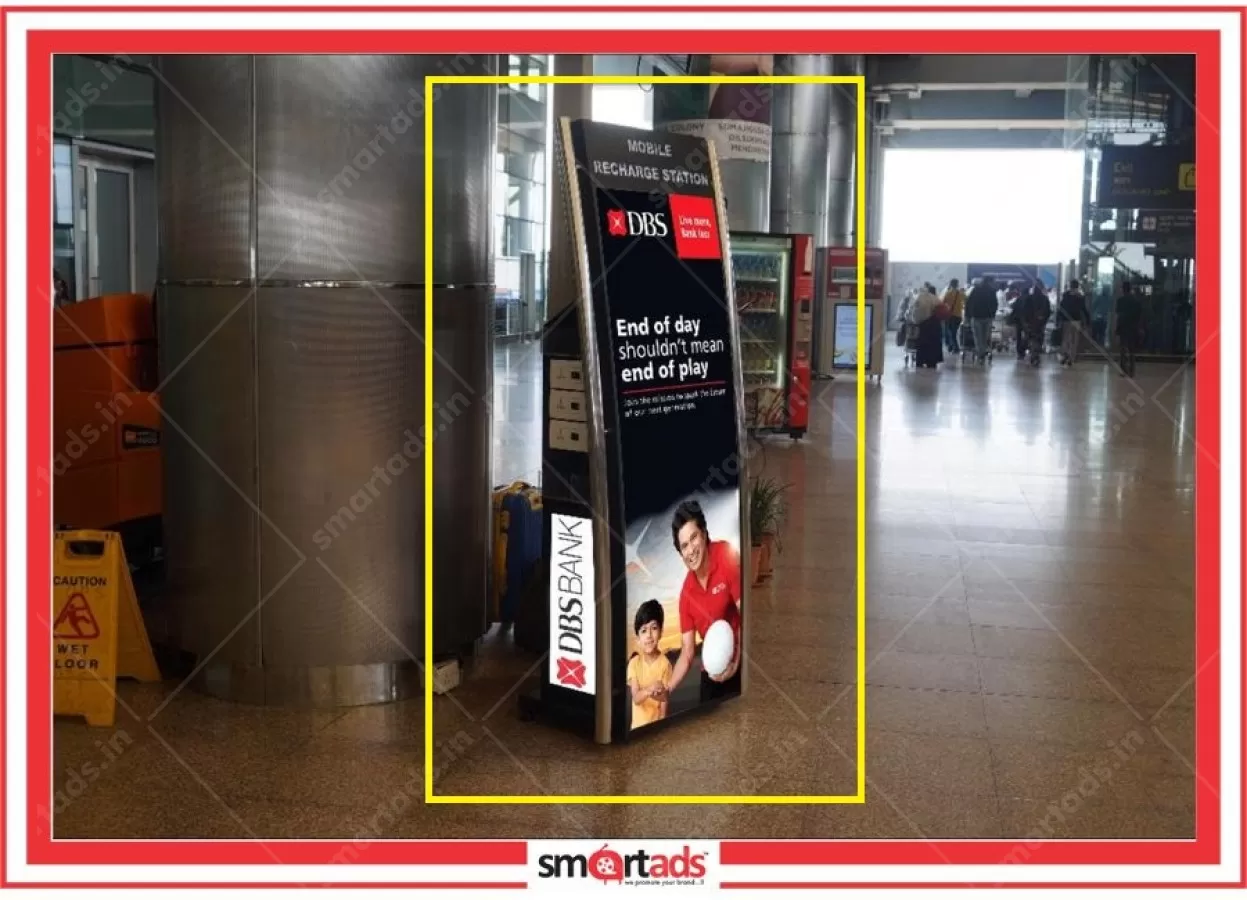
Mobile Charging Point
W2 Ft x H6 Ft
These 20 mobile charging stations allow
Rate per Point / Month
Unit 20 Display Backlit Across the Passe
₹60000.00
Showing 1 to 12 of 13 Results
MEDIA DETAILS
W2 Ft x H6 Ft
These 20 mobile charging stations allow
Rate per Point / Month
Unit 20 Display Backlit Across the Passe
₹60000.00
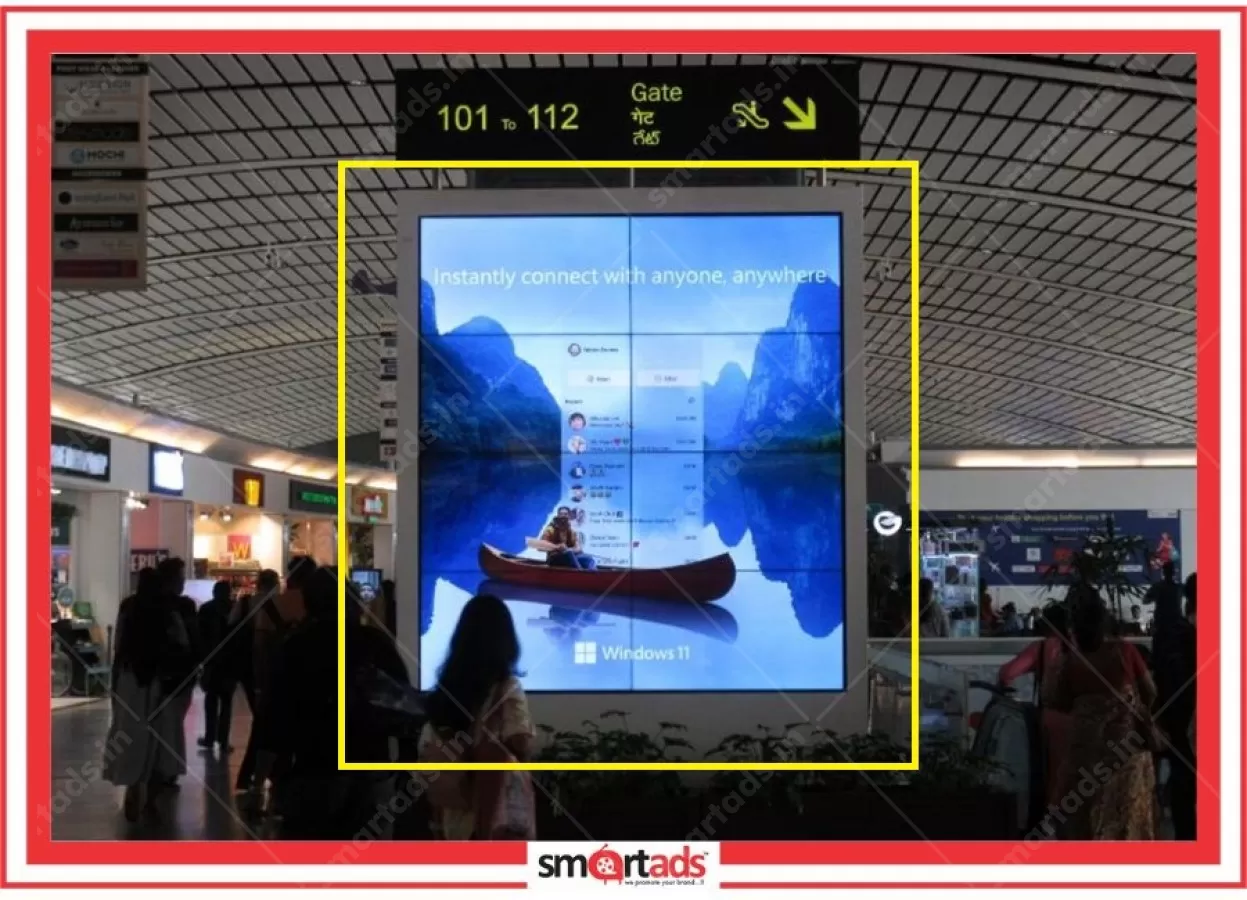
W7 Ft x H8 Ft
This video wall is located at the domest
Rate per Wall / Month
Domestic departure unit 1 One slot 10 se
₹1500000.00
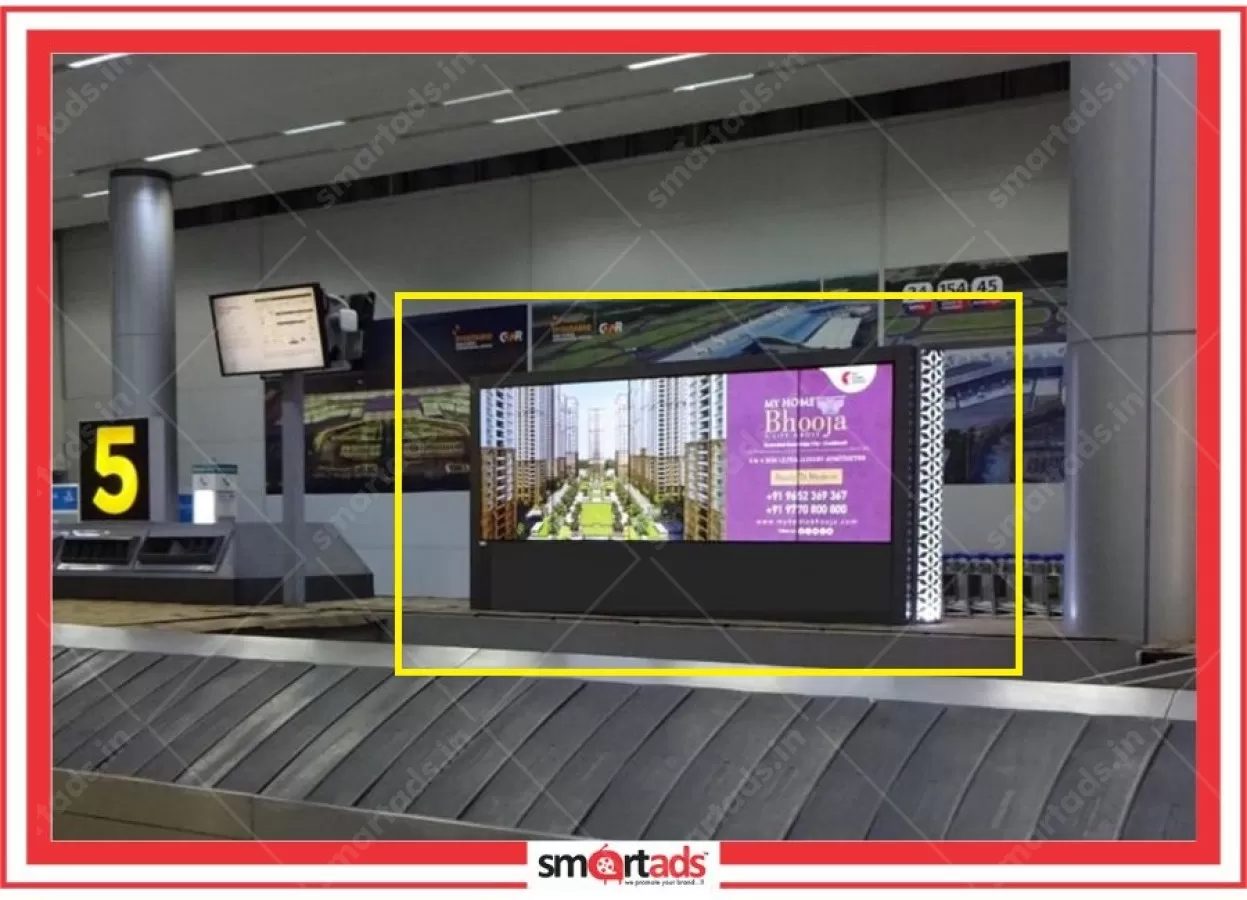
W10 Ft X H5 Ft
These digital units are located on the I
Rate per Screen / Month
International Baggage Claim Unit 3 Illum
₹300000.00
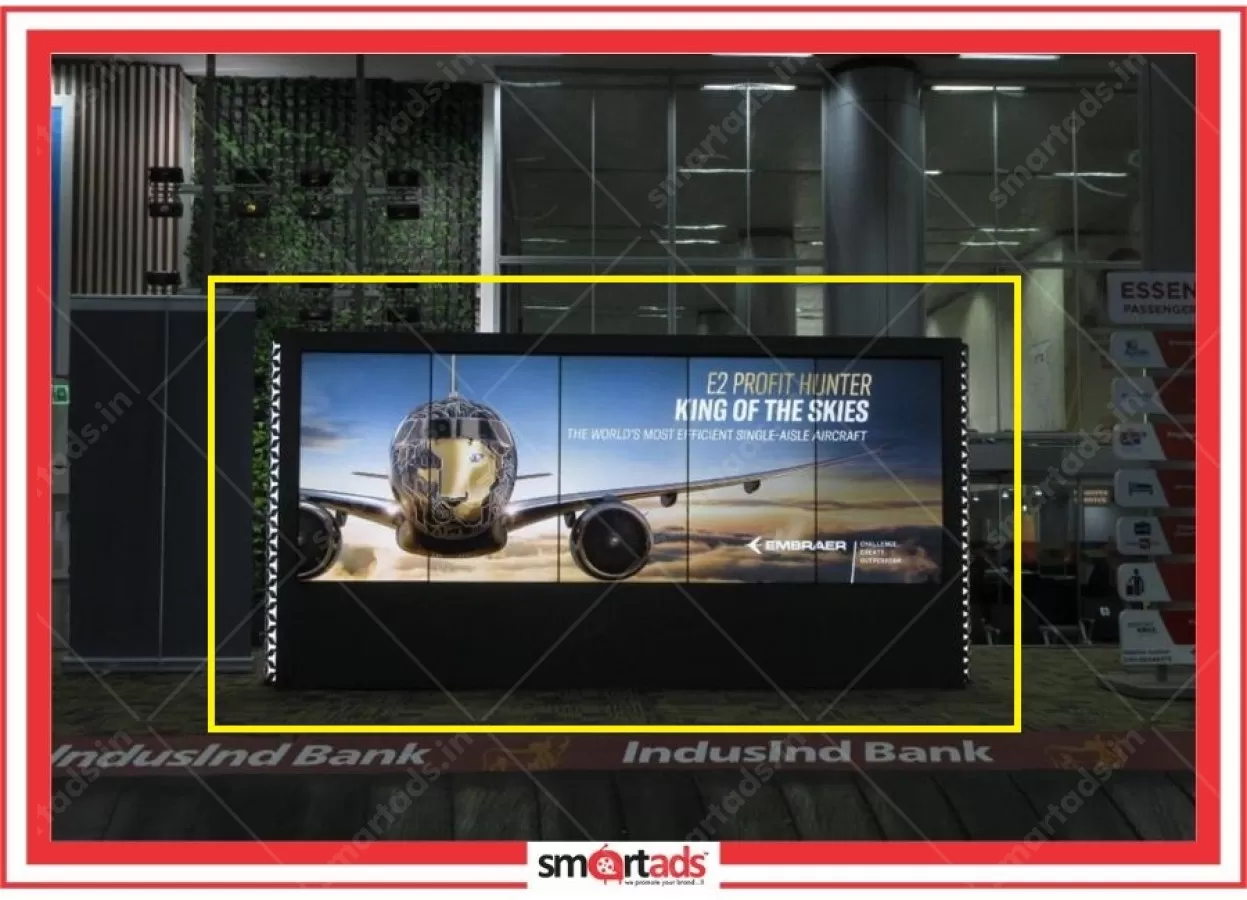
W10 Ft X H5 Ft
These digital units are located on the d
Rate per Screen / Month
Domestic Arrival Domestic Baggage Area U
₹750000.00

W10 Ft X H5 Ft
This media unit is located at the Intern
Rate per Box / Month
International Arrival Unit 10 Illuminati
₹190000.00

W54 Ft X H7 Ft
This media unit is located at the Intern
Rate per Box / Month
international arrival Wall mount unit 1I
₹1300000.00

W15 Ft X H9 Ft
This media unit is located in domestic d
Rate per Box / Month
Domestic Departure Wall Mount Unit 1 Ill
₹1400000.00

W20 Ft X H11 Ft
Location of the unit makes it one of our
Rate per Box / Month
The Splendor Domestic Baggage Area Unit
₹1500000.00

W21 Ft X H7 Ft
Rate per Box / Month
Wall mount Terminal Exit Corridor Illumi
₹1500000.00

W30 Ft X H15 Ft
This media unit is located at the depart
Rate per Billboard / Month
Billboard At Main Access Road Departure
₹900000.00

W138 Ft x H20 Ft
This unit is large format and impactful
Rate per Wall / Month
Domestic Baggage Area Display Faces 1 Il
₹2200000.00

W60 Ft x H20 Ft
This media unit is located at the airpo
Rate per Pole / Month
Unit 1 Illumination Front Lit Display F
₹1500000.00
MEDIA REACH

Airports :
Calicut International Airport (Karipur)
MonthlyFootfall :
417000
MonthlyFlights :
2780
Terminal :
Domestic & International
Location :
Karipur, Kondotty, Malappuram

This comprehensive guide provides actual pricing data, passenger demographics, and strategic insights for airport lounge international advertising at Kozhikode's Calicut International Airport, based on current market rates and campaign performance data from Kerala's aviation advertising landscape.
The thing is, most marketers think airport advertising is just about those massive billboards you see while rushing to catch a flight; however, airport lounge international advertising in Kozhikode represents something far more sophisticated, which targets affluent travelers during their most relaxed moments at Calicut International Airport. We have found that lounge advertising creates an intimate brand experience that's impossible to replicate in any other media environment, particularly at Bird Lounge where passengers spend an average of 45 minutes before their international departures.
Airport lounge advertising at Kozhikode differs fundamentally from terminal advertising because it reaches a captive audience of premium travelers who have already cleared security and are genuinely relaxed, which means they're more receptive to brand messaging than stressed passengers navigating check-in queues. The demographic profile is remarkable – our analysis shows that roughly 78% of Bird Lounge users are business travelers or affluent leisure passengers, with household incomes that place them in the top 15% of Indian consumers.
What a lot of people miss is that Calicut International Airport serves as the primary gateway for Kerala's Malabar region to Middle Eastern destinations, which creates a unique advertising opportunity for brands targeting the Gulf diaspora market; this passenger segment represents one of India's most valuable consumer demographics, with significant purchasing power and brand loyalty patterns that differ markedly from domestic travelers.
Frankly speaking, the numbers tell a compelling story that most brands overlook when allocating their airport advertising budgets across Kerala. Calicut International Airport handles somewhere between 2.8 to 3.2 million passengers annually, which might seem modest compared to Kochi or Trivandrum; however, the international passenger ratio is significantly higher, with roughly 65% of traffic consisting of international travelers, primarily on Middle East routes that serve Kerala's substantial expatriate population.
The passenger profile at Kozhikode creates advertising opportunities that we rarely see replicated elsewhere in South India, particularly for brands targeting high-net-worth individuals and business travelers. Our experience shows that the average Bird Lounge user spends approximately ₹3,200 per shopping session at the airport, which is nearly 40% higher than the national average for domestic airport retail spending; this purchasing behavior extends to their brand preferences and consumption patterns once they reach their destinations.
On top of that, the seasonal traffic patterns work in advertisers' favor, with peak volumes during Ramadan, Eid, and the December holiday season when expatriate families return to Kerala. We have tracked passenger footfall data which shows that international departures spike by roughly 180% during these periods, creating concentrated exposure windows that justify premium advertising rates; brands that time their campaigns around these peaks typically see engagement rates that are 2.5 times higher than off-season periods.
Here's where it gets interesting – Bird Lounge at Calicut International Airport offers advertising formats that you simply cannot find at most Indian airports, which creates unique branding opportunities for companies willing to think beyond standard display advertising. The lounge features roughly 2,400 square feet of premium space with strategically positioned advertising zones that include backlit panels, digital displays, and interactive kiosks; each format targets passengers during different phases of their lounge experience, from entry registration to final boarding calls.
The most effective advertising placements, based on our campaign data, are the entrance wall displays which capture 100% viewership as passengers check in to the lounge, and the seating area digital screens which benefit from extended dwell time averaging 35-40 minutes per passenger. We have found that static backlit panels work exceptionally well for luxury brands and financial services, while digital displays perform better for technology products and consumer electronics; the key is matching the format to both the brand message and the passenger mindset at each touchpoint.
What sets Bird Lounge apart from other airport advertising venues is the sampling and experiential opportunities, which allow brands to create memorable interactions with a highly targeted audience. One automotive client we worked with set up a virtual reality experience showcasing their latest SUV model, which generated over 850 qualified leads during a three-month campaign; the cost per lead worked out to roughly ₹340, which was significantly lower than their digital marketing channels were delivering for the same demographic profile.
To be honest, airport lounge advertising rates in Kozhikode are more accessible than most marketers expect, particularly when you calculate the cost per impression against the premium demographic profile you're reaching. Static backlit panels at Bird Lounge typically cost somewhere between ₹85,000 to ₹1,20,000 per month depending on size and location, which translates to a CPM of roughly ₹12-15 when you factor in the monthly passenger exposure; this compares favorably to premium magazine advertising rates while delivering a captive audience with significantly higher engagement levels.
Digital display advertising at the lounge operates on a different pricing structure, with LED screens commanding rates in the ballpark of ₹1,50,000 to ₹2,25,000 per month for full-screen campaigns. The thing is, these digital formats allow for campaign flexibility and real-time content updates, which justifies the premium pricing; we have seen brands achieve remarkable results by tailoring their messaging to specific flight schedules and passenger demographics, particularly for campaigns targeting Middle East-bound travelers during peak travel seasons.
Interactive displays and experiential marketing opportunities are priced on a project basis, typically ranging from ₹3,50,000 to ₹8,50,000 for comprehensive three-month campaigns that include setup, staffing, and data collection. At SmartAds, we always tell our clients that these experiential campaigns deliver the highest ROI for brands with complex products or services that benefit from personal interaction; one financial services client achieved a conversion rate of 23% from lounge interactions, compared to 3.2% from their digital advertising efforts targeting similar demographics.
The most successful airport lounge advertising campaigns we have executed combine multiple formats to create a cohesive brand experience that follows passengers through their entire lounge journey, which typically spans 30-50 minutes depending on flight schedules and lounge amenities. Static displays work exceptionally well for brand awareness campaigns, particularly the large-format backlit panels positioned near the lounge entrance; these capture immediate attention and establish brand presence, while digital screens throughout the seating areas reinforce messaging and can display dynamic content that changes based on time of day or passenger demographics.
What a lot of brands get wrong is treating lounge advertising like outdoor media, when it should function more like premium retail environments where passengers are genuinely relaxed and open to brand experiences. We have found that interactive displays and product demonstrations generate significantly higher engagement rates than passive advertising formats; charging station branding, in particular, creates positive brand associations because it provides genuine utility to passengers who are often dealing with low battery anxiety before long international flights.
The newspaper jacket advertising at Bird Lounge deserves special mention because it reaches passengers during their most attentive moments when they're actively seeking information and entertainment. The rates work out to roughly ₹25,000 per month for full jacket branding, which delivers guaranteed one-on-one interaction with high-value passengers; one luxury watch brand we worked with reported that 34% of lounge passengers who picked up branded newspaper jackets visited their website within 48 hours, demonstrating the format's effectiveness for driving immediate response.
Frankly speaking, the primary advantage of airport lounge advertising in Kozhikode is access to an audience that's virtually impossible to reach through traditional media channels, particularly the affluent expatriate community that forms the backbone of Kerala's economy. These passengers represent household incomes that are typically 3-4 times higher than the Indian average, with spending patterns that favor premium brands and international products; our demographic analysis shows that roughly 60% of Bird Lounge users hold postgraduate degrees and work in senior management or professional roles.
The extended dwell time in airport lounges creates advertising opportunities that simply don't exist in other out-of-home environments, where exposure is typically measured in seconds rather than minutes. Passengers spend an average of 42 minutes in Bird Lounge, during which they're actively seeking entertainment and information; this creates multiple touchpoints for brand messaging and allows for complex storytelling that's impossible in traditional outdoor advertising formats.
On top of that, the international travel context primes passengers for luxury purchases and premium brand experiences, which is why we consistently see higher engagement rates and conversion metrics for lounge campaigns compared to other advertising channels. One retail client reported that customers acquired through lounge advertising had a lifetime value that was 2.8 times higher than their average customer acquisition channels; the international exposure and aspirational mindset of air travelers translates into sustained brand loyalty and premium purchasing behavior.
The booking process for airport lounge advertising at Calicut International Airport involves coordination between multiple stakeholders, which is why working with an experienced agency like SmartAds streamlines the entire process from initial planning through campaign execution. The primary advertising rights at Bird Lounge are managed through the Airport Authority of India's commercial department, which requires detailed campaign proposals including creative specifications, installation timelines, and compliance documentation; this process typically takes 3-4 weeks for approval, which is why advance planning is crucial for time-sensitive campaigns.
What most brands don't realize is that airport advertising bookings operate on a different timeline than traditional media, with peak seasons requiring reservations 4-6 months in advance to secure premium placements. The approval process includes safety inspections, fire compliance certificates, and content review by airport security; each advertising format has specific technical requirements that must be met before installation, which is why detailed planning and professional execution are essential for successful campaigns.
We have found that the most efficient approach is to book airport lounge advertising as part of an integrated campaign that includes multiple touchpoints throughout the passenger journey, from terminal advertising to lounge displays and even baggage belt branding. This comprehensive approach not only delivers better rates through volume discounts but also creates consistent brand exposure that reinforces messaging across the entire airport experience; our clients typically see 35-40% higher recall rates when they implement multi-format airport campaigns compared to single-placement advertising.
The choice between digital and static displays for airport lounge advertising depends largely on campaign objectives and budget considerations, though our experience shows that hybrid approaches often deliver the best results for brands with sufficient advertising budgets. Digital displays at Bird Lounge offer real-time content updates and the ability to segment messaging based on flight schedules, passenger demographics, and even weather conditions; this flexibility justifies the premium pricing, particularly for brands with multiple product lines or seasonal messaging requirements.
Static displays, on the other hand, provide consistent brand presence and work exceptionally well for luxury brands and financial services where credibility and permanence are important brand attributes. The production costs for static displays are significantly lower than digital campaigns, and the monthly rates are roughly 40-50% less expensive than comparable digital placements; this makes static advertising ideal for longer-term branding campaigns where message consistency is more important than dynamic content capabilities.
What we tell our clients is that digital displays perform better for product launches, promotional campaigns, and brands targeting younger demographics who expect interactive experiences; however, static displays often generate higher trust levels and work better for financial services, luxury goods, and B2B brands targeting senior executives. One technology client we worked with tested both formats simultaneously and found that digital displays generated 60% more website traffic, while static displays produced 40% higher conversion rates for their premium product lines.
The demographic profile of Bird Lounge users represents one of India's most attractive advertising audiences, with characteristics that make them ideal targets for premium brands and international products. Our passenger surveys show that roughly 70% of lounge users are male, aged 35-55, with household incomes exceeding ₹15 lakhs annually; approximately 45% work in Gulf countries in senior management or technical roles, while the remainder are business travelers, professionals, and affluent leisure passengers traveling internationally from Kerala.
The thing is, this audience has unique consumption patterns that differ significantly from typical Indian consumers, particularly their preference for international brands and willingness to pay premium prices for quality products and services. We have found that lounge passengers are early adopters of technology products, frequent users of financial services, and active consumers of luxury goods; their international exposure creates aspirational purchasing behavior that extends well beyond their travel experiences.
What makes this audience particularly valuable is their influence within their communities and professional networks, which amplifies the impact of airport lounge advertising beyond direct exposure metrics. Our post-campaign research consistently shows that lounge advertising generates significant word-of-mouth marketing, with passengers sharing brand experiences through social media and personal recommendations; one luxury brand client tracked social media mentions and found that their lounge campaign generated 3.2 times more organic social engagement than their digital advertising efforts targeting similar demographics.
At SmartAds, we have developed specialized expertise in airport lounge advertising that goes far beyond simple media buying to include strategic planning, creative development, and campaign optimization based on real passenger behavior data. Our services include demographic analysis, competitive intelligence, creative production, installation management, and performance tracking; this comprehensive approach ensures that lounge advertising campaigns integrate seamlessly with broader marketing strategies while maximizing the unique opportunities that airport environments provide.
The complexity of airport advertising requires specialized knowledge of regulatory requirements, technical specifications, and operational procedures that most general advertising agencies simply don't possess. We maintain direct relationships with airport authorities, lounge operators, and technical vendors, which allows us to negotiate better rates, secure premium placements, and execute campaigns more efficiently than agencies without specialized airport advertising experience.
Our campaign management services include real-time monitoring, passenger feedback collection, and performance optimization based on flight schedules and seasonal travel patterns. One retail client we worked with saw their campaign performance improve by 45% when we optimized their digital content scheduling to align with peak passenger traffic periods; this kind of specialized knowledge and ongoing optimization is what separates professional airport advertising management from basic media placement services.
The measurement of airport lounge advertising effectiveness requires sophisticated tracking methodologies that account for the unique characteristics of airport environments and international passenger behavior patterns. We have developed proprietary measurement frameworks that combine passenger surveys, digital engagement tracking, brand recall studies, and sales correlation analysis; this multi-dimensional approach provides clients with comprehensive performance data that justifies advertising investments and guides future campaign optimization.
Direct response tracking for lounge advertising typically shows conversion rates that are 2-3 times higher than traditional outdoor advertising, though the measurement timeline needs to account for international travel patterns and purchase decision cycles. We have found that passengers exposed to lounge advertising often convert 2-4 weeks after their travel experience, which requires extended tracking periods and sophisticated attribution modeling; brands that implement proper tracking typically see ROI multipliers ranging from 3.5x to 8.2x for well-executed campaigns.
The qualitative benefits of airport lounge advertising often exceed quantitative metrics, particularly for luxury brands and B2B companies where brand perception and credibility are crucial success factors. Our post-campaign research consistently shows significant improvements in brand awareness, purchase consideration, and recommendation likelihood among target demographics; these qualitative improvements often translate into sustained business growth that extends well beyond the immediate campaign period.
The seasonal patterns of international travel from Kozhikode create concentrated advertising opportunities that smart brands use to maximize their airport lounge advertising investments, particularly during the peak travel periods when passenger volumes increase by 150-200% above baseline levels. The primary peak seasons align with religious holidays, particularly Ramadan and Eid when expatriate workers return to Kerala, and the December-January period when families travel for vacation and wedding seasons; these periods offer maximum exposure but require advance booking and premium pricing.
What a lot of brands miss is that the shoulder seasons often provide better value for sustained branding campaigns, with lower rates and less cluttered advertising environments that allow individual campaigns to achieve higher visibility and recall. We have found that campaigns running during off-peak periods often generate higher engagement rates because passengers have more time to interact with advertising content and are less overwhelmed by competing messages.
The timing of campaign launches should also consider the purchasing cycles of target demographics, particularly for high-consideration products and services where the decision process extends beyond the immediate travel experience. Our experience shows that campaigns launched 6-8 weeks before major festivals or travel seasons perform significantly better than those timed to coincide with peak travel periods; this allows brands to establish awareness and consideration before passengers enter the high-stress travel environment.
Airport lounge advertising works most effectively when integrated with comprehensive marketing strategies that recognize the unique position of international travelers within broader consumer ecosystems. We have found that lounge campaigns amplify the effectiveness of digital marketing, social media advertising, and traditional media by reaching target audiences during high-engagement moments when they're receptive to brand messaging; this integration effect often doubles the overall campaign ROI compared to isolated advertising efforts.
The international context of airport lounge advertising creates opportunities for brands to connect with consumers before they experience competing products and services in international markets, which is particularly valuable for Indian brands seeking to build loyalty before customers are exposed to international alternatives. One consumer electronics client used lounge advertising to showcase their premium products to Gulf-bound travelers, resulting in a 65% increase in brand preference scores among expatriate consumers who had previously favored international brands.
Cross-channel measurement and attribution modeling become crucial for understanding the full impact of airport lounge advertising, particularly for brands with complex customer journeys that span multiple touchpoints and extended decision cycles. Our integrated campaign management ensures that lounge advertising data feeds into broader marketing analytics, providing clients with comprehensive insights into customer behavior and campaign effectiveness across all channels.
Q: How much does airport lounge advertising cost in Kozhikode?
Airport lounge advertising rates at Calicut International Airport vary significantly based on format, duration, and seasonal demand, with static backlit panels typically costing between ₹85,000 to ₹1,20,000 per month and digital displays ranging from ₹1,50,000 to ₹2,25,000 monthly. The pricing structure reflects the premium demographic profile of lounge users and the extended exposure time, which averages 35-45 minutes per passenger; when calculated on a cost-per-impression basis, lounge advertising often provides better value than traditional premium media despite the higher absolute costs. Seasonal pricing fluctuations can increase rates by 40-60% during peak travel periods like Ramadan, Eid, and December holidays, which is why advance booking and flexible campaign timing can significantly impact overall advertising costs.
Q: What are the advertising options available at Bird Lounge in Calicut Airport?
Bird Lounge offers a comprehensive range of advertising formats designed to engage passengers throughout their lounge experience, including large-format backlit panels at the entrance, digital LED screens in seating areas, interactive kiosks near business facilities, and newspaper jacket branding for print media integration. The lounge also provides experiential marketing opportunities such as product demonstration areas, sampling stations, and branded charging stations that create positive utility associations with advertised brands; these formats can be combined to create integrated campaigns that follow passengers through their entire lounge journey. Specialized options include branded amenities like mobile charging stations, Wi-Fi landing pages, and even custom lounge announcements for high-value campaigns, which create multiple touchpoints for brand messaging during the extended dwell time that characterizes premium lounge environments.
Q: How long do airport lounge advertising campaigns run in Kozhikode?
Airport lounge advertising campaigns at Calicut International Airport typically run for minimum periods of one month for static displays and three months for digital campaigns, though the most effective campaigns we have managed extend for 6-12 months to capture seasonal travel patterns and build sustained brand awareness. The campaign duration should align with business objectives and target audience behavior, particularly considering that many lounge users are repeat travelers who may be exposed to advertising multiple times over extended periods; this repeat exposure creates significant brand recall advantages that justify longer campaign commitments. Seasonal campaigns timed around peak travel periods like Eid or December holidays can be effective as shorter 2-3 month intensive campaigns, while brand building efforts typically require 6+ month commitments to achieve measurable impact on awareness and consideration metrics among the target demographic.
Q: What is the passenger footfall at Calicut International Airport?
Calicut International Airport handles approximately 2.8 to 3.2 million passengers annually, with roughly 65% consisting of international travelers primarily traveling to Middle Eastern destinations; this translates to approximately 8,500-9,200 passengers daily during peak seasons and 6,800-7,500 during off-peak periods. Bird Lounge specifically serves an estimated 15-20% of international departing passengers, which means roughly 300-400 premium passengers daily during normal periods and up to 650-750 during peak travel seasons; these numbers represent one of the most concentrated affluent audience exposures available in Kerala's advertising landscape. The passenger demographics skew heavily toward business travelers and expatriate workers, with household incomes that are typically 3-4 times higher than regional averages, making the relatively smaller absolute numbers highly valuable from an advertising perspective due to the premium demographic profile and high purchasing power of the target audience.
Q: Which agencies handle airport lounge advertising in Kerala?
Several agencies operate in Kerala's airport advertising market, though specialized expertise in lounge advertising specifically is limited to agencies with established relationships with airport authorities and deep understanding of aviation advertising regulations. SmartAds has developed particular expertise in airport lounge campaigns across Kerala, with direct experience managing campaigns at Calicut, Kochi, and Trivandrum airports; our specialized knowledge includes regulatory compliance, technical specifications, and passenger behavior analysis that ensures optimal campaign performance. The airport advertising market requires agencies with specific accreditations and security clearances, which limits the number of qualified operators; working with experienced agencies is crucial because airport advertising involves complex approval processes, safety requirements, and technical specifications that general advertising agencies often cannot navigate effectively.
Q: What are the restrictions for airport advertising in Kozhikode?
Airport advertising at Calicut International Airport must comply with stringent safety regulations, security requirements, and content guidelines established by the Airport Authority of India and aviation security agencies. All advertising materials must meet fire safety standards, cannot obstruct emergency exits or safety equipment, and require approval from multiple security agencies before installation; content restrictions prohibit political messaging, religious content, alcohol advertising, and any materials that could be considered culturally sensitive in Kerala's diverse social environment. Technical specifications are particularly strict for digital displays and interactive installations, which must meet electromagnetic interference standards to avoid conflicts with aviation equipment; installation timing is also restricted to specific hours when passenger areas can be safely accessed without disrupting airport operations. The approval process typically requires 3-4 weeks and includes detailed technical drawings, content review, and safety inspections, which is why professional agency management is essential for successful campaign execution.
Q: How to measure ROI for airport lounge advertising campaigns?
ROI measurement for airport lounge advertising requires sophisticated tracking methodologies that account for the unique characteristics of international passenger behavior and extended purchase decision cycles. We implement multi-dimensional measurement frameworks that combine passenger surveys conducted in the lounge, digital engagement tracking through QR codes and campaign-specific landing pages, brand recall studies conducted 2-4 weeks post-exposure, and sales correlation analysis that accounts for the delayed conversion patterns typical of international travelers. Direct response metrics typically show conversion rates 2-3 times higher than traditional outdoor advertising, though the measurement timeline needs to extend 4-8 weeks to capture the full impact of passenger travel and decision cycles; brands that implement comprehensive tracking usually see ROI multipliers ranging from 3.5x to 8.2x for well-executed campaigns. The qualitative benefits often exceed quantitative metrics, particularly improvements in brand perception, purchase consideration, and recommendation likelihood that translate into sustained business growth beyond the immediate campaign period.
Q: What formats work best for international lounge advertising?
The most effective airport lounge advertising formats combine visual impact with utility value, recognizing that international passengers are in a relaxed but purposeful mindset while waiting for their flights. Large-format backlit panels at lounge entrances work exceptionally well for luxury brands and financial services because they establish immediate credibility and capture 100% viewership as passengers register for lounge access; digital displays in seating areas perform better for technology products and consumer electronics because they can showcase dynamic content and product demonstrations during the extended 35-45 minute dwell time. Interactive formats and experiential marketing opportunities generate the highest engagement rates, particularly for complex products that benefit from personal interaction; charging station branding creates positive utility associations while newspaper jacket advertising delivers guaranteed one-on-one interaction during passengers' most attentive moments. The key is matching format selection to both brand objectives and passenger behavior patterns, with luxury brands typically favoring static displays for credibility while technology brands benefit from digital formats that demonstrate innovation and interactivity.
Q: How to book advertising space at Calicut Airport lounges?
Booking airport lounge advertising space at Calicut International Airport requires coordination with the Airport Authority of India's commercial department and involves a detailed approval process that typically takes 3-4 weeks from initial application to campaign launch. The process begins with submitting a comprehensive campaign proposal that includes creative specifications, technical drawings, installation timelines, and safety compliance documentation; all materials must meet specific fire safety standards and electromagnetic interference requirements before approval. Working with an experienced agency like SmartAds streamlines this process significantly because we maintain established relationships with airport authorities and understand the technical requirements and approval procedures; we handle all documentation, coordinate safety inspections, and manage the installation process to ensure campaigns launch on schedule. Peak season bookings require 4-6 months advance planning to secure premium placements, while off-peak campaigns can often be arranged with 6-8 weeks notice; the booking process also includes content review by airport security and compliance verification with aviation advertising regulations.
Q: What are the peak travel seasons for advertising in Kozhikode airport?
Peak travel seasons at Calicut International Airport align primarily with religious holidays and traditional vacation periods, with the highest passenger volumes occurring during Ramadan and Eid when expatriate workers return to Kerala, and the December-January period when families travel for holidays and wedding seasons. During these peak periods, international passenger traffic increases by 150-200% above baseline levels, creating maximum exposure opportunities but also commanding premium advertising rates that can be 40-60% higher than off-peak pricing; brands targeting the Gulf expatriate community find these periods particularly valuable despite the higher costs. The shoulder seasons of February-March and September-October often provide better value for sustained branding campaigns, with lower rates and less cluttered advertising environments that allow individual campaigns to achieve higher visibility and recall among passengers. Campaign timing should also consider the purchasing cycles of target demographics, with our experience showing that campaigns launched 6-8 weeks before major travel seasons perform significantly better than those timed to coincide exactly with peak travel periods, allowing brands to establish awareness and consideration before passengers enter high-stress travel environments.
Airport lounge international advertising at Calicut International Airport represents one of Kerala's most valuable advertising opportunities, providing access to affluent international travelers during extended engagement periods that simply cannot be replicated in other media environments. The combination of premium demographics, extended dwell time, and aspirational travel context creates advertising conditions that consistently deliver superior ROI for brands willing to invest in professional campaign management and strategic integration with broader marketing efforts.
Our experience managing airport lounge campaigns across Kerala has shown that success requires specialized expertise in regulatory compliance, passenger behavior analysis, and technical execution that goes far beyond traditional media buying. The unique characteristics of airport advertising – from seasonal traffic patterns to international passenger demographics – demand sophisticated planning and measurement approaches that account for extended decision cycles and cross-cultural consumer behavior.
For brands seeking to reach India's most affluent and internationally-minded consumers, airport lounge advertising in Kozhikode offers unparalleled opportunities to create memorable brand experiences that drive both immediate response and long-term brand building. The investment in professional campaign management and integrated measurement pays dividends through superior engagement rates, higher conversion metrics, and sustained brand loyalty that extends well beyond the immediate advertising exposure.
SmartAds.in specializes in comprehensive airport advertising solutions across Kerala, combining deep market knowledge with proven campaign management expertise to deliver measurable results for brands targeting premium audiences. Our integrated approach to airport lounge advertising ensures that campaigns maximize both immediate impact and long-term brand building objectives while navigating the complex regulatory and technical requirements that characterize aviation advertising environments.
