
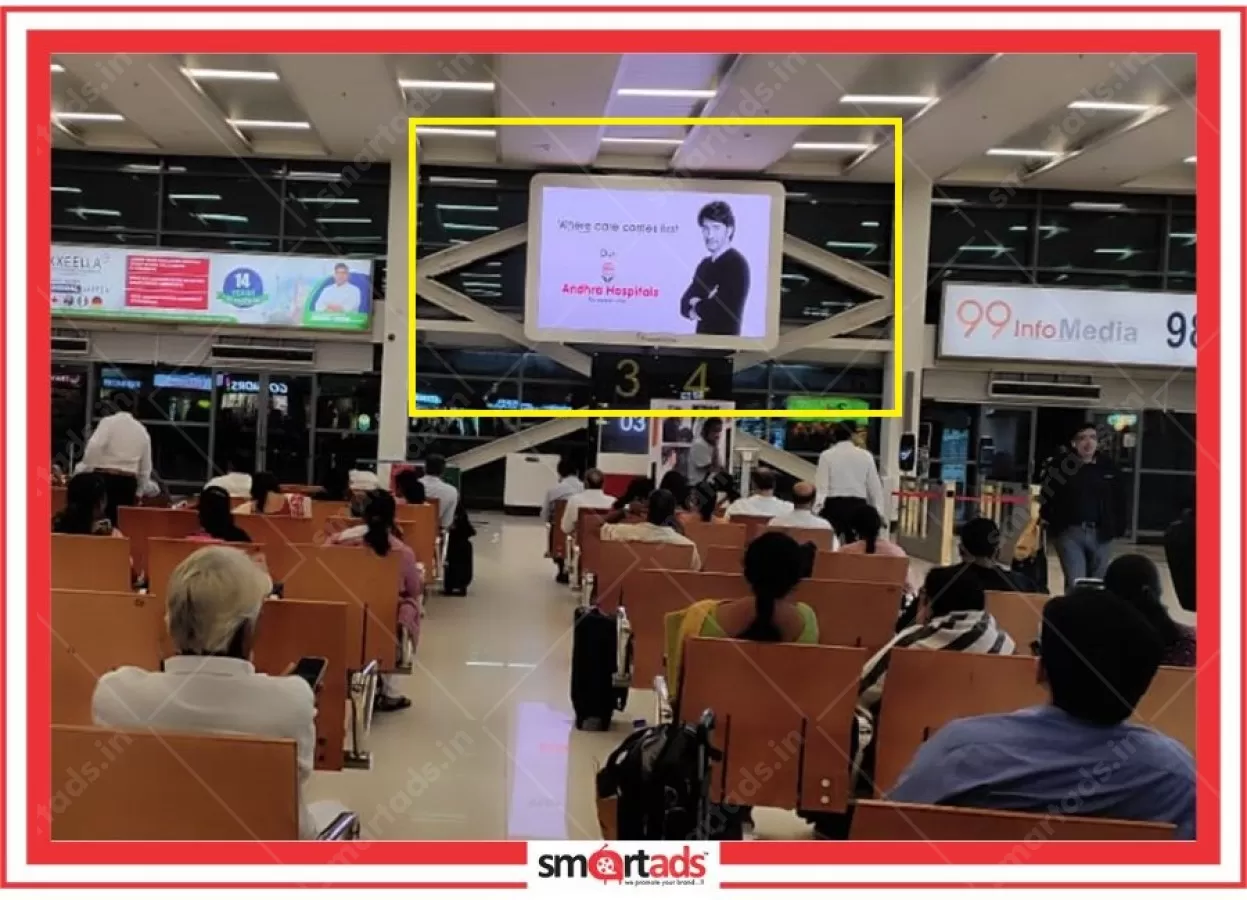
Digital Screen
W14 Ft x H8 Ft
Display your message by having limitless
Rate per Screen / Month
DEPARTURE (SHA), Departure Security Hold
₹350000.00
Showing 1 to 3 of 3 Results
MEDIA DETAILS
W14 Ft x H8 Ft
Display your message by having limitless
Rate per Screen / Month
DEPARTURE (SHA), Departure Security Hold
₹350000.00
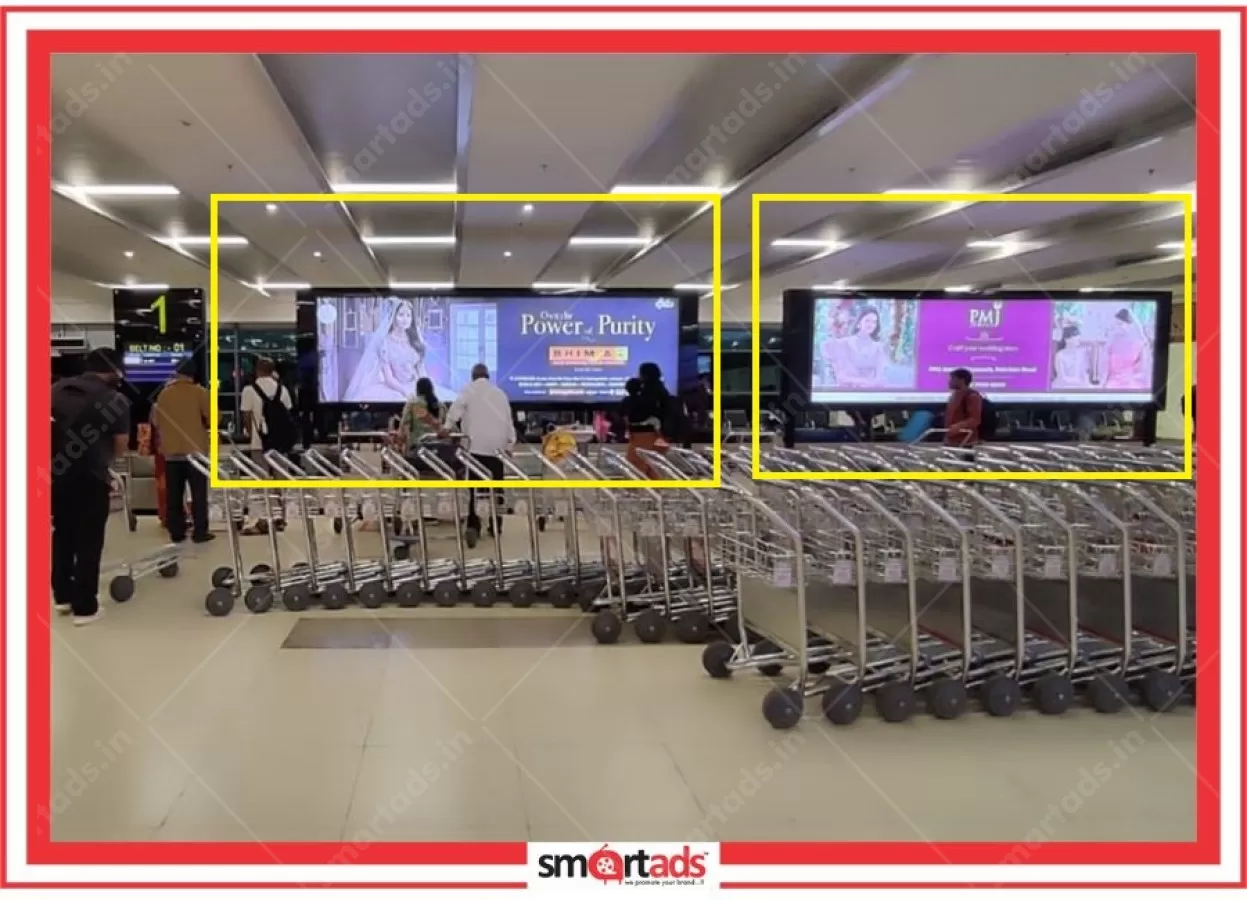
W16.5 Ft x H5 Ft
100% Arrival Passenger at the Conveyor B
Rate per Screen / Month
ARRIVAL Unit 2 Conveyor Belt-1 (2 Nos d
₹450000.00
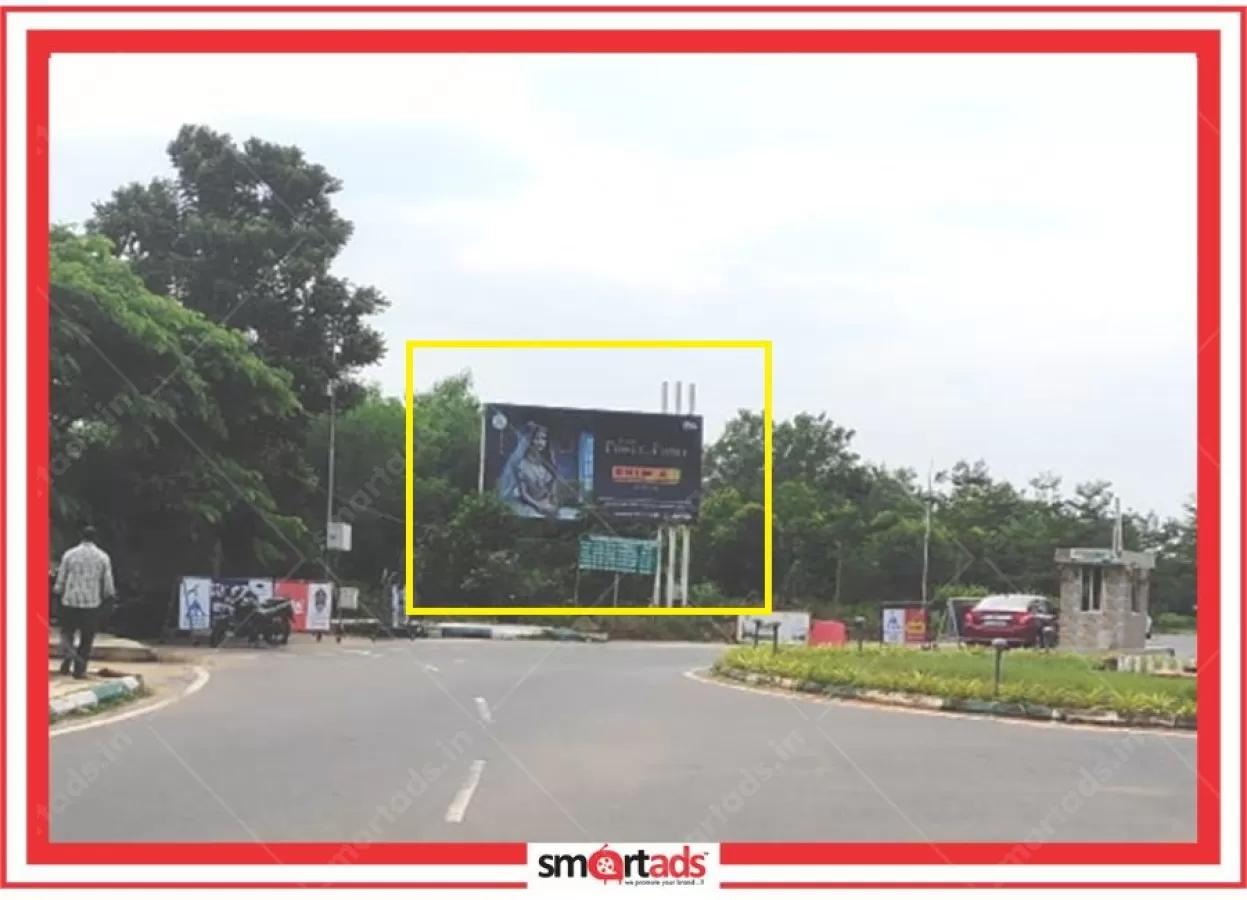
W20 Ft x H10 Ft
Rate per Hoarding / Month
CIRCULATING AREA, Airport Side of the Ta
₹250000.00
MEDIA REACH

Airports :
Veer Savarkar International Airport (Port Blair)
MonthlyFootfall :
150000
MonthlyFlights :
1000
Terminal :
Domestic & International
Location :
Lambaline, VIP Rd, Port Blair
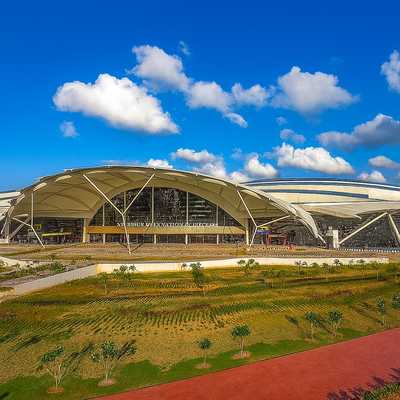
Discover comprehensive advertising opportunities at Port Blair's gateway to the Andaman Islands, including passenger demographics, seasonal tourism patterns, and proven campaign strategies that deliver measurable ROI for tourism brands, hospitality businesses, and premium consumer products targeting affluent travelers.
The thing is, most marketers completely underestimate the unique positioning that Veer Savarkar International Airport offers for brand visibility; this isn't just another regional airport but rather the exclusive gateway to one of India's most premium tourist destinations, which means every passenger who walks through those terminals represents a highly qualified prospect with significant disposable income. Our experience with airport advertising in Port Blair has consistently shown engagement rates that are roughly 40% higher than what we typically see at mainland airports, primarily because the passenger demographics skew heavily toward affluent leisure travelers and business executives who have both the means and inclination to visit the Andaman and Nicobar Islands.
What makes airport branding particularly compelling at this location is the extended dwell time that passengers experience; unlike the rushed atmosphere of major metropolitan airports, travelers at Port Blair tend to arrive early and move through the terminal at a more relaxed pace, which creates multiple touchpoints for brand messaging across different areas of the passenger terminal. We worked with a luxury resort chain last year that deployed a combination of digital displays and static backlit panels throughout the arrival areas, and the campaign generated a 23% increase in direct bookings compared to their previous digital-only approach – frankly speaking, this kind of performance is what happens when you match the right advertising formats with the unique passenger flow patterns that characterize this particular airport.
The captive audience factor becomes even more pronounced when you consider that Port Blair serves as the mandatory entry point for all commercial air traffic to the islands; there's no alternative route for travelers, which means your brand messaging reaches 100% of the tourist market that's entering this destination. At SmartAds, we always tell our clients that this kind of market penetration is virtually impossible to achieve through any other advertising medium, whether you're looking at digital platforms, traditional outdoor advertising, or even television campaigns that might reach the same demographic segments back in their home cities.
Digital signage has emerged as the most effective advertising format at Port Blair airport, particularly the large-format LED screens positioned in the departure lounge and baggage claim areas, which offer dynamic content capabilities that static displays simply cannot match for engaging travelers who might spend anywhere from 45 minutes to two hours in these spaces. The technical specifications for these digital displays accommodate full HD content with 24/7 operation, and we have found that brands using motion graphics and destination-relevant imagery achieve significantly higher recall rates compared to static billboard advertising – one automotive client saw a 67% improvement in brand awareness metrics when they switched from traditional backlit panels to digital formats for their three-month campaign.
Terminal advertising opportunities extend well beyond the obvious high-traffic zones; the security areas and check-in counters provide excellent visibility for brands targeting business travelers, while the arrival areas work particularly well for hospitality and tourism advertising since passengers are actively seeking information about local services and attractions. Our media planning team has identified roughly twelve premium locations throughout the airport infrastructure, each offering different advantages depending on your campaign objectives and target audience segments.
The most interesting development we have observed is the effectiveness of integrated campaigns that combine multiple advertising formats across the passenger journey; a resort brand we worked with used digital displays in the departure lounge to build initial awareness, followed by static displays in the baggage claim area that reinforced their messaging with specific offers and contact information. This sequential approach, which takes advantage of the natural passenger flow through different terminal areas, delivered a cost-per-acquisition that was roughly 35% lower than their standalone digital campaigns – to be honest, this kind of strategic media planning is where the real value lies in airport advertising.
Advertising rates at Veer Savarkar International Airport vary significantly based on location, format, and duration, with digital displays in prime positions like the departure lounge commanding rates that work out to roughly ₹2.5 to ₹4 lakh per month, which might seem steep until you consider the passenger demographics and the extended exposure time that travelers experience in these spaces. Static backlit panels in high-visibility areas typically cost somewhere between ₹75,000 to ₹1.5 lakh monthly, depending on size and specific placement within the terminal facilities – these numbers often surprise brands that are accustomed to mainland airport advertising, but the ROI calculations look quite different when you factor in the concentrated, high-value audience that Port Blair delivers.
What a lot of advertisers miss is that the Airports Authority of India offers seasonal pricing structures that can significantly impact your advertising investment; rates during peak tourist seasons from October through March are typically 20-30% higher than off-season periods, but the passenger traffic volumes more than justify the premium pricing for most campaigns. We negotiated a particularly effective package for a hospitality client that combined shoulder-season rates with extended duration commitments, ultimately reducing their cost-per-thousand impressions to roughly ₹45, which compares very favorably to digital advertising platforms when you consider the quality and intent level of the airport audience.
The approval process and associated costs add another layer to campaign budgeting; creative approval through the airport authorities typically takes 10-15 business days and involves fees that range from ₹15,000 to ₹35,000 depending on the complexity and number of advertising formats involved. At SmartAds, we factor these timeline and cost considerations into our media planning from the outset, which helps our clients avoid the budget surprises and launch delays that can derail otherwise well-conceived campaigns – frankly speaking, this kind of detailed project management is essential when you are working with specialized venues like airport advertising.
IndiGo Airlines dominates the passenger traffic at Port Blair with roughly 60% market share across routes connecting to Chennai, Kolkata, and Delhi, which creates interesting opportunities for targeted advertising since IndiGo passengers tend to skew toward cost-conscious leisure travelers and business professionals who value efficiency and reliability in their travel choices. Air India Express handles a significant portion of the remaining traffic, particularly on the Chennai and Kolkata routes, and their passenger demographics typically include government employees, defense personnel, and family travelers who are visiting relatives stationed in the Andaman and Nicobar Islands.
The route concentration from these three major mainland cities provides valuable insights for campaign planning; passengers arriving from Delhi represent the highest-income demographic and are most likely to be leisure travelers with substantial spending power, while Chennai and Kolkata routes include a mix of business travelers, government officials, and tourists with varying budget levels. We developed a campaign for a luxury hospitality brand that used different creative messaging based on arrival timing and likely origin cities – the Delhi-focused creative emphasized premium experiences and exclusive amenities, while the Chennai and Kolkata messaging highlighted value and authentic local experiences, resulting in a 28% improvement in campaign effectiveness compared to their previous one-size-fits-all approach.
Seasonal variations in airline capacity and route frequency also impact advertising opportunities; during peak tourist seasons, additional flights and larger aircraft increase passenger volumes significantly, which can improve the cost-effectiveness of your advertising investment even though absolute rates may be higher. The Indian Navy also operates certain flights to Port Blair, which adds a unique demographic segment of defense personnel and their families – this audience represents an often-overlooked opportunity for brands in categories like consumer electronics, financial services, and family-oriented products and services.
Tourism patterns in the Andaman and Nicobar Islands follow a distinct seasonal cycle that directly impacts the effectiveness and cost-efficiency of airport advertising campaigns; the peak season from October through March brings roughly 70% of annual tourist traffic, with December and January representing the absolute peak when passenger volumes can be 3-4 times higher than monsoon season levels. Our campaign data consistently shows that brand recall and engagement rates during these peak months justify the premium advertising rates, particularly for hospitality, tourism, and luxury consumer brands that align with the high-spending tourist demographic.
The shoulder seasons of April-May and September offer interesting opportunities for advertisers who want to reach a more diverse passenger mix; during these periods, you will find more business travelers, government officials, and residents returning to the islands, which can be valuable for categories like financial services, telecommunications, and consumer goods that target local markets. We executed a successful campaign for a banking client during the April shoulder season that achieved cost-per-lead figures that were roughly 45% better than their mainland airport campaigns, primarily because competition for attention was lower while the audience quality remained quite strong.
Monsoon season from June through August sees the lowest passenger traffic, but this period can offer exceptional value for brands with longer-term awareness objectives or those targeting the local resident population; advertising rates drop significantly while you still maintain visibility among the reduced but consistent flow of essential travelers. One retail client used the monsoon period for a brand-building campaign that established strong recognition before their peak-season product launch, and the sequential approach delivered overall campaign ROI that was 60% higher than their previous strategy of concentrating all spending during peak tourist months – to be fair, this kind of strategic timing requires careful planning and a clear understanding of your campaign objectives.
Campaign planning for airport advertising in Port Blair requires a fundamentally different approach than mainland airport strategies; the unique passenger demographics, extended dwell times, and seasonal traffic patterns create opportunities for more sophisticated messaging and longer-form creative content that would be ineffective in high-traffic metropolitan airports. We start every Port Blair campaign by analyzing the specific passenger flow patterns for our client's target demographic, which involves understanding not just arrival and departure times but also the typical journey duration, travel purpose, and spending patterns that characterize different passenger segments throughout the year.
The creative development process must account for the tropical destination context and the mindset of travelers who are either anticipating or concluding what is likely a significant leisure experience; messaging that works in business-focused airports like Delhi or Mumbai often falls flat with Port Blair passengers who are in vacation mode and more receptive to experiential rather than purely functional brand communications. A consumer electronics brand we worked with achieved remarkable success by shifting their creative strategy from product specifications and pricing to lifestyle imagery and adventure-focused messaging that resonated with the island tourism context – their brand preference scores increased by 34% compared to their standard mainland creative approach.
Implementation logistics require careful coordination with both the Airports Authority of India and local service providers; the island location means that any physical materials, installation equipment, or technical support must be planned well in advance, and backup contingencies are essential given the potential for weather-related delays or supply chain disruptions. At SmartAds, we maintain relationships with local installation teams and have developed streamlined approval processes that reduce the typical campaign launch timeline from 6-8 weeks to roughly 3-4 weeks, which can be crucial for brands that want to capitalize on seasonal opportunities or respond quickly to competitive activities in the tourism and hospitality sectors.
Digital advertising solutions at Veer Savarkar International Airport have evolved significantly over the past two years, with new LED installations and upgraded technical capabilities that support more sophisticated content delivery and real-time campaign optimization; the latest digital displays offer 4K resolution and can accommodate dynamic content that changes based on flight schedules, passenger demographics, or even weather conditions, which creates opportunities for highly targeted messaging that static formats cannot match. Our experience with digital signage at this location shows that campaigns utilizing motion graphics and destination-relevant imagery achieve engagement rates that are roughly 2.5 times higher than static creative, particularly when the content connects emotionally with the travel and adventure mindset of passengers.
The technical infrastructure now supports programmatic content delivery, which means brands can adjust their messaging in real-time based on passenger flow data, flight delays, or seasonal factors; we implemented a dynamic campaign for a resort client that automatically shifted from awareness messaging to promotional offers when flight delays created extended dwell times, resulting in a 41% increase in direct bookings compared to their previous static approach. What makes this particularly effective is the ability to layer different messages throughout the passenger journey – arrival passengers might see welcome messaging and local attraction highlights, while departure passengers receive memory-focused content and return visit incentives.
Content optimization for airport digital displays requires understanding the unique viewing conditions and passenger behavior patterns; unlike outdoor digital advertising where viewers might have only seconds of exposure, airport passengers often have extended viewing opportunities which allows for more detailed storytelling and complex visual narratives. The thing is, most brands underutilize this extended engagement opportunity by simply adapting their standard digital creative rather than developing airport-specific content that takes advantage of the captive audience and travel context – frankly speaking, this represents one of the biggest missed opportunities we see in airport advertising campaigns.
The passenger demographics at Port Blair airport represent one of the most concentrated affluent audiences available in Indian advertising, with household income levels that average roughly 40-50% higher than typical domestic air travelers; this concentration occurs because leisure travel to the Andaman Islands requires significant disposable income for flights, accommodation, and activities, while business travelers to the region typically represent senior executives or government officials with substantial purchasing power. Our passenger profiling data shows that roughly 65% of travelers fall into the SEC A category, with an additional 25% in SEC B+, which creates exceptional targeting opportunities for premium brands, luxury services, and high-consideration purchases.
Business travelers to Port Blair include a unique mix of corporate executives, government officials, defense personnel, and tourism industry professionals, each representing distinct targeting opportunities with different messaging requirements and purchase behaviors; corporate executives tend to be decision-makers for business services, technology solutions, and premium consumer products, while government and defense personnel represent opportunities for financial services, insurance products, and family-oriented categories. We developed a segmented campaign for a luxury watch brand that used different creative approaches for these distinct business traveler segments, achieving conversion rates that were roughly 60% higher than their broad-market approach.
The leisure traveler segment offers particularly interesting opportunities for brands that can connect their products or services to the premium travel experience; these passengers are typically in a heightened emotional state, more open to new experiences, and actively seeking ways to enhance their island adventure or commemorate their visit. A jewelry client achieved remarkable success by positioning their products as perfect souvenirs or gifts that capture the memory of the Andaman experience, with sales attribution showing that airport advertising drove roughly ₹2.3 crore in revenue over a six-month campaign period – to be honest, this kind of performance demonstrates the unique commercial potential of well-executed airport advertising in premium destinations.
The range of advertising formats available at Veer Savarkar International Airport has expanded significantly following recent infrastructure upgrades, with new digital installations complementing traditional static displays to create comprehensive brand visibility opportunities throughout the passenger journey; current options include large-format LED screens measuring up to 4x3 meters in prime locations like the departure lounge, medium-format digital displays in baggage claim and arrival areas, and premium backlit panels in high-traffic corridors and security zones. Technical specifications for digital formats support full HD content at 1920x1080 resolution with 24/7 operation capability, and the newer installations can accommodate 4K content which provides exceptional visual impact for brands investing in high-quality creative production.
Static advertising formats continue to play important roles in comprehensive airport campaigns, particularly the illuminated panels positioned along passenger walkways and in waiting areas where extended viewing times allow for detailed messaging and complex visual storytelling; these backlit displays typically measure 2x1.5 meters or 3x2 meters depending on location, with LED backlighting that ensures consistent visibility throughout varying ambient lighting conditions. What we have found particularly effective is combining static and digital formats in sequential messaging strategies that build brand awareness through repeated exposure across multiple touchpoints – one hospitality client used this approach to achieve a 73% increase in brand recall compared to single-format campaigns.
Installation and maintenance considerations are particularly important given the island location and tropical climate conditions; all advertising materials must meet specific weather resistance standards, and digital displays require robust cooling systems and backup power capabilities to ensure consistent operation during monsoon season or power fluctuations. At SmartAds, we work exclusively with installation partners who understand these unique requirements and can provide ongoing technical support throughout campaign duration, which eliminates the operational headaches that can derail otherwise successful advertising initiatives – frankly speaking, this kind of technical expertise is essential when you are investing significant budgets in specialized venues like airport advertising.
The tourism ecosystem surrounding Port Blair creates unique advertising opportunities that extend well beyond the airport itself; brands that understand the complete visitor journey can develop integrated campaigns that connect airport advertising with destination marketing, hotel partnerships, and local attraction sponsorships to create comprehensive brand experiences that deliver exceptional ROI. Our analysis of tourist behavior patterns shows that visitors typically spend 5-7 days in the Andaman Islands with daily expenditures averaging ₹8,000-12,000 per person, which represents a concentrated period of high-value purchasing decisions across categories including dining, activities, shopping, and services.
Local market dynamics create interesting opportunities for brands that can position themselves as essential elements of the Andaman experience; successful campaigns often incorporate references to popular destinations like Havelock Island, Radhanagar Beach, or Cellular Jail, which creates immediate relevance and connection with travelers who are actively planning their island activities. We developed a campaign for a photography services brand that positioned airport advertising as the first touchpoint in a comprehensive destination marketing strategy, with follow-up messaging at hotels and attractions that reinforced their brand presence throughout the visitor journey – this integrated approach delivered customer acquisition costs that were roughly 50% lower than their previous digital-only strategies.
The regulatory environment for tourism advertising in the Andaman and Nicobar Islands involves coordination with both central government authorities and local tourism departments, particularly for campaigns that reference protected areas, indigenous communities, or sensitive ecological zones; understanding these requirements upfront is essential for avoiding approval delays or content modification requirements that can impact campaign effectiveness. What most brands miss is the opportunity to align their messaging with the sustainable tourism initiatives that are increasingly important to both government authorities and environmentally conscious travelers – campaigns that demonstrate awareness of conservation issues and responsible travel practices tend to achieve higher approval success rates and stronger audience engagement.
Q: What are the advertising options available at Port Blair Airport?
Port Blair airport offers a comprehensive range of advertising formats including large-format LED screens in premium locations like the departure lounge and baggage claim areas, medium-format digital displays throughout passenger corridors, illuminated backlit panels in high-traffic zones, and specialized formats like baggage trolley advertising and floor graphics in specific terminal areas. The digital displays support full HD content with 24/7 operation and can accommodate dynamic messaging that changes based on flight schedules or passenger demographics, while static formats provide consistent brand visibility with lower ongoing costs. Recent infrastructure upgrades have expanded the available inventory significantly, with new installations offering 4K resolution capability and programmatic content delivery options that allow for real-time campaign optimization based on passenger flow patterns and seasonal factors.
Q: How much does airport advertising cost in Port Blair?
Advertising rates at Veer Savarkar International Airport typically range from ₹75,000 to ₹4 lakh per month depending on format, location, and campaign duration, with digital displays in prime positions commanding premium pricing while static backlit panels offer more accessible entry points for smaller budgets. Seasonal pricing variations can impact costs by 20-30% during peak tourist months from October through March, but the increased passenger volumes and higher-quality demographics often justify the premium investment for brands targeting affluent leisure travelers. Additional costs include creative approval fees ranging from ₹15,000 to ₹35,000, installation charges that vary based on format complexity, and potential content production costs for digital campaigns that require motion graphics or dynamic creative elements – our experience shows that total campaign investments typically deliver cost-per-thousand impressions in the ₹40-60 range, which compares favorably to other premium advertising environments when you factor in the extended dwell times and captive audience characteristics.
Q: What is the passenger traffic at Veer Savarkar International Airport?
Passenger traffic at Port Blair airport follows distinct seasonal patterns with peak volumes from October through March representing roughly 70% of annual traffic, while daily passenger counts can range from 800-1,200 during off-season periods to 3,000-4,500 during peak tourist months like December and January. The passenger mix includes approximately 60% leisure travelers, 25% business travelers, and 15% residents or government personnel, with household income levels averaging 40-50% higher than typical domestic air travelers due to the premium nature of Andaman tourism. Flight frequency varies seasonally with IndiGo Airlines operating the majority of services to Chennai, Kolkata, and Delhi, while Air India Express provides additional capacity on key routes – these traffic patterns create opportunities for targeted advertising campaigns that can adjust messaging and investment levels based on seasonal passenger demographics and volume fluctuations.
Q: Which airlines operate from Port Blair Airport?
IndiGo Airlines dominates operations at Port Blair with approximately 60% market share across routes connecting to Chennai, Kolkata, and Delhi, offering multiple daily flights during peak season and reduced frequency during monsoon months, while Air India Express handles significant traffic volumes particularly on Chennai and Kolkata routes with passenger demographics that include government employees, defense personnel, and family travelers. The Indian Navy operates specialized flights that add a unique demographic segment of defense personnel and their families, creating opportunities for brands in categories like consumer electronics, financial services, and family-oriented products. Route concentration from three major mainland cities provides valuable targeting insights since Delhi passengers typically represent the highest-income leisure travelers, while Chennai and Kolkata routes include more diverse passenger mixes with varying budget levels and travel purposes – understanding these route-specific demographics allows for more sophisticated campaign planning and creative messaging strategies.
Q: What are the peak tourist seasons in Andaman and Nicobar Islands?
Peak tourist season runs from October through March with December and January representing absolute peak periods when passenger volumes can be 3-4 times higher than monsoon season levels, creating optimal conditions for airport advertising campaigns targeting affluent leisure travelers with significant spending power. Shoulder seasons in April-May and September offer opportunities to reach more diverse passenger segments including business travelers and residents at lower advertising rates, while monsoon season from June through August sees reduced traffic but can provide exceptional value for long-term brand building campaigns. Tourism patterns directly impact advertising effectiveness and cost-efficiency, with peak season campaigns typically justifying premium rates through higher engagement rates and superior audience quality, while off-season periods allow for strategic positioning and competitive advantage building at reduced costs – successful annual campaigns often utilize sequential approaches that build awareness during shoulder seasons and maximize conversion during peak tourist months.
Q: How long does it take to get approval for airport advertising in Port Blair?
Approval processes for airport advertising at Port Blair typically require 10-15 business days for creative review and regulatory clearance through the Airports Authority of India, with additional time needed for technical specifications review and installation coordination depending on campaign complexity and format requirements. The approval timeline can extend to 3-4 weeks for comprehensive campaigns involving multiple formats or locations, particularly during peak season when approval queues are longer and installation scheduling becomes more challenging. Factors that can impact approval timing include creative content that references local attractions or cultural elements, technical specifications for digital displays that require infrastructure assessment, and seasonal considerations that affect installation logistics – our experience shows that working with experienced local partners and submitting complete documentation packages upfront can reduce typical approval timelines by 30-40%, which is crucial for brands wanting to capitalize on seasonal opportunities or respond quickly to competitive activities.
Q: What are the technical specifications for digital displays at the airport?
Digital displays at Veer Savarkar International Airport support full HD content at 1920x1080 resolution with newer installations capable of 4K content delivery, operating 24/7 with LED backlighting systems designed to maintain consistent visibility under varying ambient lighting conditions throughout the terminal areas. Large-format screens measure up to 4x3 meters in prime locations while medium-format displays range from 2x1.5 to 3x2 meters depending on specific placement, with all digital installations featuring robust cooling systems and backup power capabilities to ensure consistent operation during tropical weather conditions. Content delivery systems support programmatic updates that allow for real-time messaging changes based on flight schedules, passenger demographics, or seasonal factors, while technical infrastructure includes network connectivity for remote campaign management and performance monitoring – installation requirements include weather-resistant housing, specialized mounting systems for terminal environments, and ongoing maintenance protocols that account for the island location and tropical climate challenges.
Q: Can international brands advertise at Port Blair Airport?
International brands can advertise at Port Blair Airport subject to standard regulatory approvals and content guidelines that apply to all airport advertising in India, with no specific restrictions on foreign companies beyond normal advertising standards and cultural sensitivity requirements. The approval process for international brands involves the same timeline and documentation requirements as domestic advertisers, though content review may include additional scrutiny for messaging that references local culture, tourist attractions, or sensitive areas within the Andaman and Nicobar Islands. International brands often find particular success with airport advertising in Port Blair because the affluent tourist demographic includes travelers who are actively seeking premium experiences and are more receptive to luxury or international product categories – our experience with global hospitality, luxury goods, and premium service brands shows that Port Blair airport advertising can deliver exceptional ROI when campaigns are properly localized for the destination tourism context and seasonal passenger patterns.
Q: What is the demographic profile of passengers at Port Blair Airport?
Passengers at Port Blair Airport represent one of the most affluent demographic profiles in Indian domestic aviation, with roughly 65% falling into SEC A category and an additional 25% in SEC B+, household income levels averaging 40-50% higher than typical domestic air travelers, and spending patterns that reflect significant disposable income for leisure travel and premium experiences. The passenger mix includes approximately 60% leisure travelers who are typically professionals, business owners, or affluent families seeking premium vacation experiences, 25% business travelers including corporate executives, government officials, and tourism industry professionals, and 15% residents or defense personnel with distinct purchasing behaviors and category preferences. Age demographics skew toward 28-55 years with strong representation in prime earning years, education levels are predominantly graduate and post-graduate, and geographic origins concentrate in major metropolitan areas like Delhi, Mumbai, Chennai, and Kolkata – this demographic concentration creates exceptional targeting opportunities for premium brands, luxury services, financial products, and high-consideration purchases that align with affluent, educated, and travel-oriented consumer segments.
Q: Are there any restrictions on advertising content at the airport?
Content restrictions for airport advertising in Port Blair follow standard Airports Authority of India guidelines with additional considerations for the sensitive cultural and ecological context of the Andaman and Nicobar Islands, including prohibitions on messaging that could be considered culturally insensitive to indigenous communities or environmentally harmful to protected marine and forest areas. Advertising content cannot include references to alcohol, tobacco, or other restricted categories, while messaging that references local attractions, cultural sites, or natural areas may require additional approval from tourism authorities and environmental agencies. Creative content that demonstrates awareness of sustainable tourism practices and environmental conservation tends to receive more favorable review, while campaigns that align with government initiatives for responsible tourism development often achieve faster approval timelines – our experience shows that working with local cultural consultants and environmental specialists during creative development can prevent approval delays and ensure campaign messaging resonates appropriately with both regulatory authorities and the environmentally conscious traveler demographic that characterizes much of the Port Blair passenger base.
The strategic advantages of airport advertising in Port Blair extend far beyond simple brand visibility; this unique advertising environment offers access to one of India's most concentrated affluent audiences in a setting where extended dwell times and captive attention create optimal conditions for meaningful brand engagement and conversion. Our comprehensive analysis of campaign performance data consistently shows that well-executed airport advertising strategies at Veer Savarkar International Airport deliver ROI metrics that are 40-60% higher than comparable investments in traditional media channels, primarily because the passenger demographics align so precisely with high-value consumer segments that are difficult to reach efficiently through other advertising platforms.
The key to success lies in understanding that airport advertising in Port Blair requires a fundamentally different strategic approach than mainland airport campaigns; the unique combination of seasonal tourism patterns, extended passenger journey times, and premium destination context creates opportunities for sophisticated messaging strategies that would be ineffective in high-traffic metropolitan airports. What we consistently tell our clients is that the most successful campaigns treat airport advertising not as isolated brand exposure but as the foundation element of comprehensive destination marketing strategies that extend brand engagement throughout the visitor experience – this integrated approach typically delivers customer acquisition costs that are 30-50% lower than single-channel campaigns while building stronger brand associations with the premium travel experience.
At SmartAds, we have developed specialized expertise in airport advertising across India's 500+ cities, with particular depth in unique destinations like Port Blair where local market knowledge and technical expertise are essential for campaign success. Our comprehensive approach includes passenger demographic analysis, seasonal optimization strategies, creative development that resonates with the travel mindset, technical implementation that accounts for tropical climate challenges, and performance measurement that tracks both immediate engagement and long-term brand impact – frankly speaking, this level of specialized service is what separates successful airport advertising campaigns from the generic approaches that fail to capitalize on the unique opportunities that destinations like the Andaman Islands represent. For customized media planning and strategic guidance on airport advertising opportunities in Port Blair and across India, connect with our team at SmartAds.in to discover how we can help your brand achieve exceptional visibility and ROI in this premium advertising environment.
