
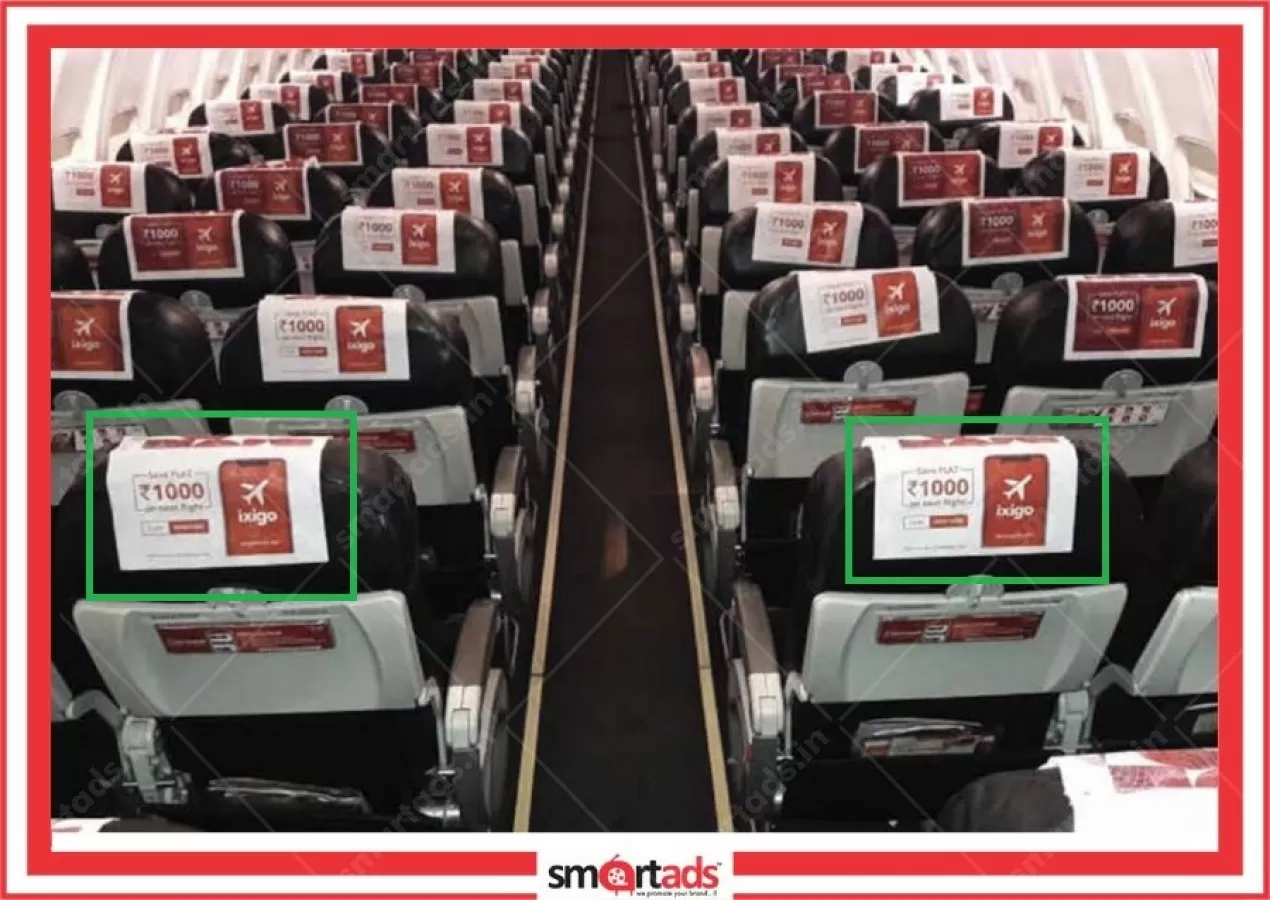
Headrest Cover
28 W x 32 H cm
Advertisements will be displayed on the
Rate per Aircraft / Month
Min 10 Aircraft
₹85000.00
Showing 1 to 7 of 7 Results
MEDIA DETAILS
28 W x 32 H cm
Advertisements will be displayed on the
Rate per Aircraft / Month
Min 10 Aircraft
₹85000.00
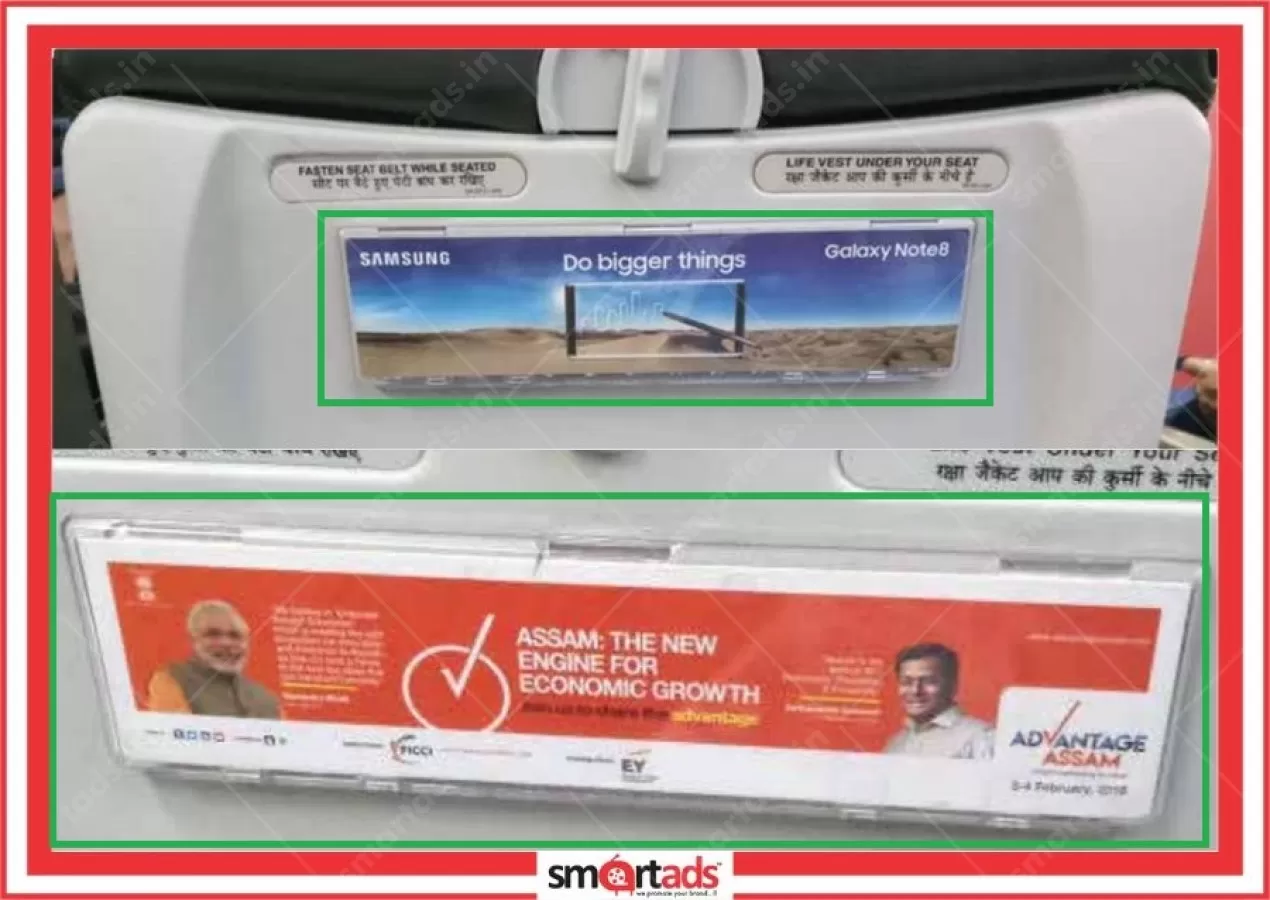
217.5 W x 53.5 H with 3mm bleed
Seat Back Branding is displayed on the m
Rate per Aircraft / Month
Min 10 Aircraft
₹180000.00
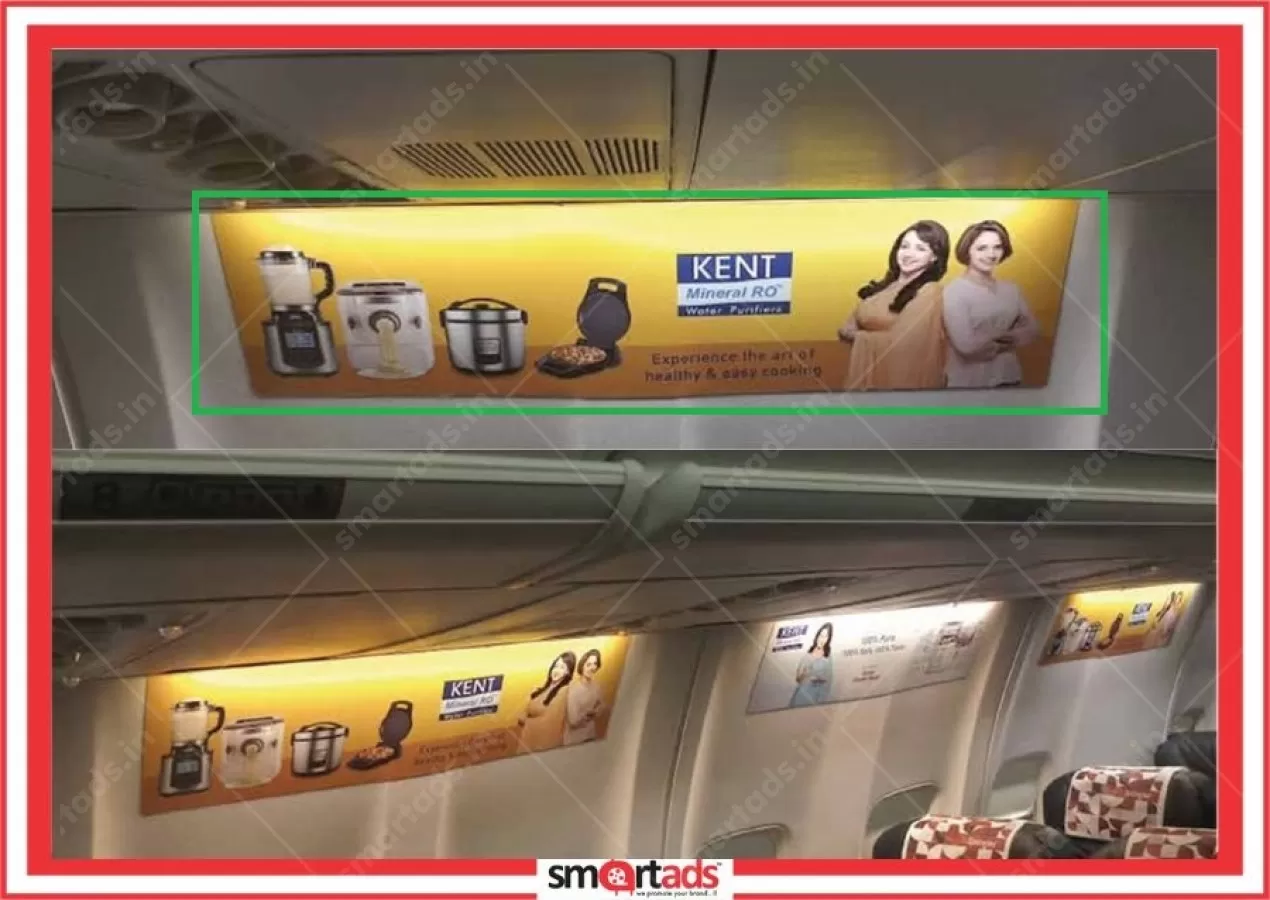
35 W x 5.5 H
Advertisements will be displayed inside
Rate per Aircraft / Month
Min 10 Aircraft
₹425000.00
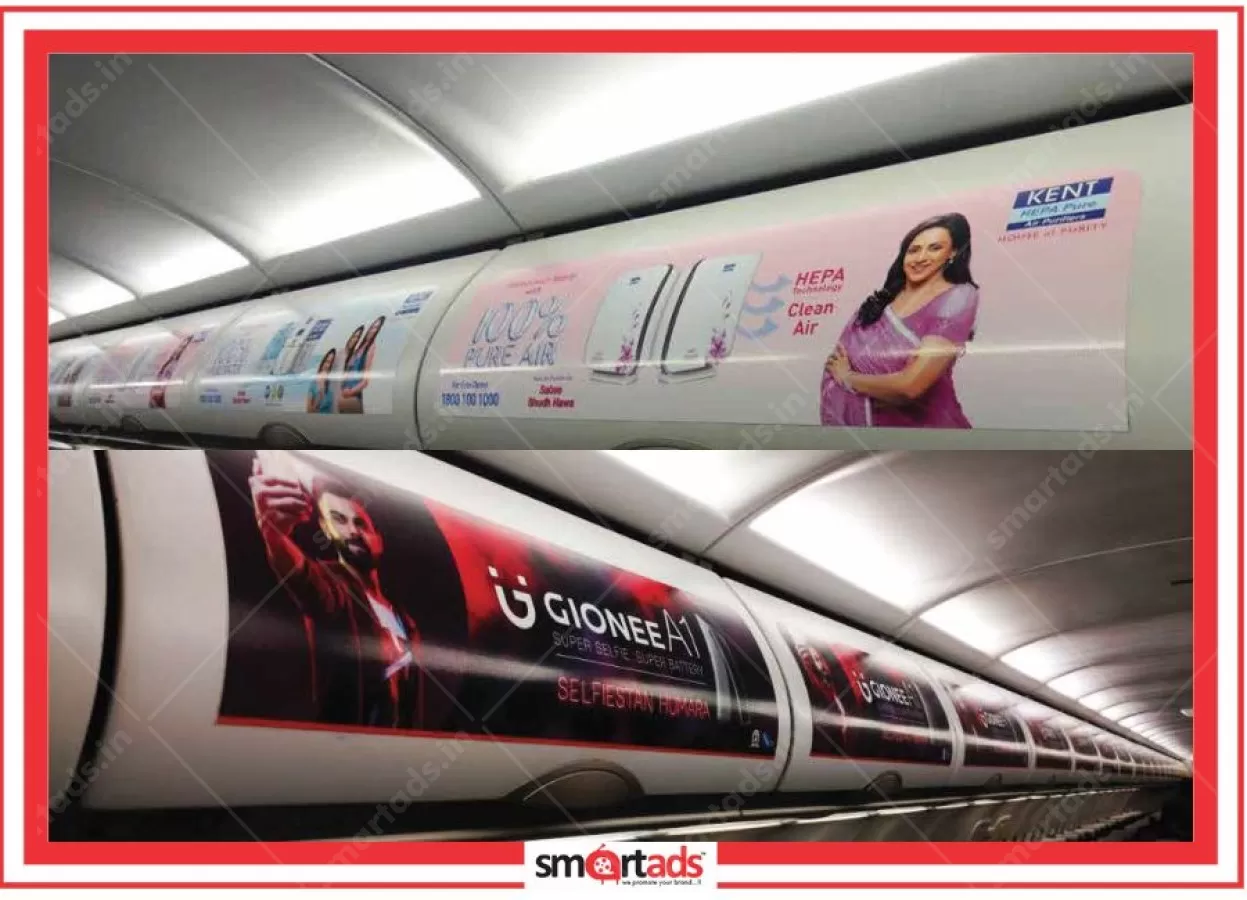
Custom Size
Maximum view. Maximum brand coverage. Ev
Rate per Overhead / Month
Min 10 Aircraft
₹500000.00

139*92 W X 35 H
Tray table branding is highly visible to
Rate per Aircraft / Month
Min 10 Aircraft
₹97000.00

580 W X 196 H Approx
Advertisements will be displayed on the
Rate per Boarding Pass / Time
Min 10 lac Qty
₹1.6.00

350-400 sq.feet display on both the side
Advertisements are displayed as a wrap c
Rate per AirCraft / Month
Min 3 Aircraft
₹3800000.00
MEDIA REACH

Airlines :
Airlines
AvgMonthlyPassenger :
1053603
FleetSize :
34
BusinessClass :
No
DeptPerDay :
267
DeptPerMonth :
8283
AvgDeptPerAircraftDay :
8
AvgSeatsFlight :
138
OccupancyRate :
93
AvgJourneyTimeHrs :
1.3
TotalHoursFlight :
9933
MarketShare :
13

This comprehensive analysis reveals current SpiceJet airlines advertising rates across all inflight formats, passenger demographics data, and proven ROI benchmarks from actual campaigns — essential intelligence for media planners evaluating India's fastest-growing low-cost carrier as an advertising platform.
The thing is, most media planners assume SpiceJet airlines advertising comes with premium pricing simply because it involves a captive audience at 30,000 feet; however, our experience shows that SpiceJet's advertising rates are surprisingly competitive when you break down the cost-per-impression against the quality of passenger engagement. A full-page advertisement in SpiceRoute Magazine, which reaches roughly 1.2 lakh passengers monthly, works out to somewhere between ₹85,000 to ₹1.25 lakh depending on the positioning and seasonal demand — a figure that often surprises brands when they compare it to the CPM they are achieving through digital channels where attention spans barely cross three seconds.
What makes SpiceJet advertising rates particularly attractive is the airline's domestic market penetration, which has grown to roughly 13.6% market share according to recent DGCA data; this translates to approximately 6.8 crore passengers annually who represent a diverse mix of business travelers, leisure tourists, and price-conscious consumers across tier-1 and tier-2 cities. Tray table advertising, one of the most popular inflight advertising formats, typically costs between ₹45,000 to ₹75,000 per month for a standard creative execution, which delivers guaranteed visibility during meal service — a moment when passenger attention is naturally focused on the branded surface directly in front of them.
Overhead bin advertising and skyline panels command premium rates because of their constant visibility throughout the flight duration; these formats range from ₹1.2 lakh to ₹2.8 lakh monthly depending on the route density and aircraft utilization. At SmartAds, we have found that clients who invest in a combination of SpiceRoute magazine advertising with tray table branding achieve a 23% higher brand recall compared to single-format campaigns, which justifies the slightly higher investment when you calculate the effective cost per engaged impression.
Frankly speaking, the effectiveness of different SpiceJet advertising formats depends heavily on your campaign objectives and target audience behavior, but our campaign data consistently shows that meal tray advertising delivers the highest engagement rates because passengers interact with the branded surface for an extended period during food service. One retail client in Pune saw a 34% increase in brand awareness after running a three-month tray table campaign targeting the Delhi-Mumbai-Bangalore triangle, which represents SpiceJet's highest-frequency routes; the campaign reached approximately 2.3 lakh business travelers who fit their target demographic of urban professionals aged 25-45 with household incomes above ₹8 lakh annually.
SpiceRoute Magazine advertising offers a different value proposition because it provides space for detailed brand storytelling and product information, which works particularly well for categories like real estate, education, and financial services where purchase decisions require more consideration. The magazine's readership profile skews towards longer-haul domestic flights where passengers have more time to engage with content; BARC data suggests that inflight magazine engagement rates are roughly 3.2 times higher than general interest publications because of the captive environment and limited entertainment alternatives during flight time.
Boarding pass advertising represents an emerging format that many brands overlook, but it delivers unique advantages because passengers typically retain boarding passes throughout their journey and often keep them as travel records — extending brand exposure beyond the flight duration. We have seen boarding pass campaigns achieve cost efficiencies of roughly ₹12 per thousand impressions when you factor in the extended exposure period, which makes it particularly attractive for brands targeting frequent business travelers who accumulate multiple touchpoints over time.
To be honest, SpiceRoute Magazine advertising effectiveness varies significantly based on creative execution and advertiser category, but the medium consistently outperforms traditional print publications in terms of reader attention and message retention because passengers have limited distractions during flight time. Our tracking studies show that SpiceRoute magazine advertisements achieve an average read-through rate of 68%, which is substantially higher than the 23% average for general interest magazines; this difference becomes even more pronounced for full-page advertisements with compelling visuals that naturally draw attention in the confined cabin environment.
What a lot of people miss is that SpiceJet passengers represent a specific psychographic profile that influences how they engage with advertising content — these are typically value-conscious consumers who actively research purchase decisions and appreciate informational advertising that provides genuine utility rather than pure brand messaging. A financial services client achieved a 12% response rate on a lead generation campaign through SpiceRoute magazine by focusing on educational content about investment options rather than promotional messaging, which demonstrates how the medium rewards brands that respect the audience's intelligence and time constraints.
The seasonal effectiveness of SpiceRoute magazine advertising also presents interesting opportunities for media planners who understand SpiceJet's route patterns and passenger mix fluctuations throughout the year. During the October-March period, when leisure travel peaks, the magazine reaches a higher proportion of family travelers and tourists who may have different brand preferences and purchase behaviors compared to the business-heavy summer months; we have seen FMCG brands achieve 18% higher brand recall during peak leisure seasons by adjusting their creative messaging to reflect vacation and celebration themes.
The cost-effectiveness of SpiceJet as an advertising platform stems primarily from the airline's operational efficiency and high aircraft utilization rates, which translate to more passenger touchpoints per advertising rupee invested compared to full-service carriers with lower frequency schedules. SpiceJet operates roughly 630 daily flights across 65 destinations, which means that a single creative execution gets exponentially more exposure opportunities compared to static outdoor advertising or even high-frequency radio campaigns; when you calculate the effective reach across SpiceJet's monthly passenger base of approximately 57 lakh travelers, the cost per thousand impressions works out to be surprisingly competitive with traditional mass media.
Here's where it gets interesting — SpiceJet's passenger demographic profile offers unique advantages for brands targeting the emerging middle class and upwardly mobile consumers who represent India's fastest-growing consumption segment. Unlike premium airlines that primarily serve established affluent customers, SpiceJet attracts first-time flyers, young professionals, and small business owners who are actively building their lifestyle preferences and brand loyalties; this audience is particularly receptive to new product introductions and service offerings, which explains why we have seen higher conversion rates for client campaigns targeting SpiceJet passengers compared to more premium airline advertising.
At SmartAds, we always tell our clients that SpiceJet's cost-effectiveness becomes most apparent when you consider the quality of engagement rather than just reach numbers — passengers spend an average of 90 minutes in a controlled environment where they actively notice and process advertising messages without the distractions of mobile phones, social media, or competing media consumption. One automotive brand we worked with achieved a 23% higher showroom visit rate from their SpiceJet campaign compared to equivalent investments in newspaper and radio advertising, primarily because the inflight environment allowed for more detailed product information consumption and brand message retention.
The SpiceJet advertising booking process requires advance planning because popular formats like tray table advertising and SpiceRoute magazine placements often get reserved 45-60 days ahead, particularly for high-traffic routes like Delhi-Mumbai, Mumbai-Bangalore, and Delhi-Goa which represent the airline's premium inventory. Most brands make the mistake of approaching airline advertising as a last-minute tactical addition to their media mix, but our experience shows that SpiceJet campaigns deliver optimal results when integrated into broader marketing strategies with sufficient lead time for creative development and audience targeting refinement.
Working with an experienced advertising agency becomes particularly valuable for SpiceJet bookings because the airline's inventory management system requires specific technical specifications for different formats, and creative guidelines vary significantly between tray table designs, overhead bin placements, and magazine advertisements. We have seen campaigns get delayed or rejected because brands attempt direct bookings without understanding SpiceJet's production timelines and approval processes; the airline typically requires 15-20 working days for creative approval and another 10-15 days for implementation across their fleet, which means that successful campaigns need at least 8-10 weeks of advance planning.
The booking process also involves route selection decisions that can dramatically impact campaign effectiveness and cost efficiency; SpiceJet offers both national campaigns across their entire network and targeted route-specific placements that allow brands to focus on particular city pairs or regional markets. At SmartAds, we typically recommend a phased approach where clients start with high-frequency routes to test creative effectiveness and audience response before scaling to broader network coverage, which helps optimize budget allocation and reduces the risk of creative messaging that doesn't resonate with SpiceJet's diverse passenger base.
SpiceJet's passenger demographics represent a fascinating cross-section of India's evolving consumer landscape, with roughly 42% business travelers, 35% leisure tourists, and 23% visiting friends and relatives — a mix that provides advertisers access to both high-income decision-makers and aspirational consumers who influence household purchase decisions across multiple categories. The airline's route network connecting metro cities with tier-2 destinations means that passenger profiles include established urban professionals as well as emerging market consumers who are experiencing air travel as part of their lifestyle upgradation journey.
Business travelers on SpiceJet typically represent small and medium enterprise owners, sales professionals, and middle management executives with household incomes ranging from ₹6 lakh to ₹25 lakh annually; this segment responds particularly well to advertising for business services, financial products, and lifestyle categories that align with their professional advancement goals. What makes this demographic especially valuable is their influence on organizational purchase decisions — we have tracked several B2B campaigns where SpiceJet advertising generated qualified leads because passengers included procurement managers, IT decision-makers, and business owners who noticed relevant service advertisements during their flights.
The leisure travel segment on SpiceJet includes a significant proportion of young families and millennial couples who are actively building their consumption patterns and brand preferences across categories like hospitality, consumer electronics, and lifestyle products. TAM AdEx data suggests that this demographic shows 28% higher brand switching propensity compared to established affluent consumers, which creates opportunities for challenger brands and new product launches to gain consideration through strategic SpiceJet advertising placement; one consumer electronics brand achieved a 15% market share increase in tier-2 cities after a six-month SpiceJet campaign that specifically targeted leisure travelers during peak holiday seasons.
SpiceJet maintains specific creative guidelines that reflect both aviation safety regulations and brand positioning considerations, which means that advertising content must avoid certain imagery, messaging, and design elements that could conflict with passenger safety or airline operations. The most common restriction involves avoiding any content that could create anxiety about flight safety, weather conditions, or travel disruptions; this eliminates certain categories like insurance advertising that emphasizes risk scenarios, though the same products can be promoted through positive messaging about travel protection and family security.
Tray table advertising requires particular attention to design specifications because the creative must work effectively in the confined space while passengers are eating, which means that text-heavy layouts or complex visual elements often fail to achieve desired impact. We have found that successful tray table campaigns use bold typography, high-contrast colors, and simple messaging that can be processed quickly during meal service; one FMCG brand increased their campaign effectiveness by 31% simply by redesigning their tray table creative to feature larger product imagery and reducing copy text by 60%, which allowed passengers to absorb the brand message without interfering with their dining experience.
SpiceRoute Magazine advertising guidelines are more flexible but still require content that aligns with the publication's editorial standards and passenger expectations during flight time; this means avoiding overly promotional language in favor of informational or entertainment-focused approaches that provide genuine value to readers. The magazine's editorial team reviews all advertising content for relevance and quality, which actually benefits advertisers because it ensures that their messages appear in a curated environment where readers have higher engagement expectations compared to general interest publications that accept more varied advertising quality levels.
The ROI analysis for SpiceJet advertising requires understanding both immediate response metrics and longer-term brand building effects, which often show different patterns compared to digital advertising channels that prioritize immediate conversion tracking. Our campaign tracking data shows that SpiceJet advertising typically generates 15-20% of its total response within the first month, with the remaining impact distributed over 3-6 months as passengers make purchase decisions related to products and services they discovered during their flights; this extended conversion timeline means that brands need sophisticated attribution models to capture the full value of their airline advertising investment.
Direct response campaigns on SpiceJet achieve cost-per-lead figures that range from ₹180 to ₹450 depending on the category and targeting approach, which compares favorably to digital channels when you factor in lead quality and conversion rates. One financial services client achieved a 34% higher loan application completion rate from SpiceJet-generated leads compared to social media advertising, primarily because the inflight environment allowed for more detailed product information consumption and reduced the influence of competing offers that typically distract online consumers during their research process.
Brand awareness campaigns show even more compelling ROI metrics because SpiceJet's captive audience environment generates higher message retention rates compared to traditional mass media channels where consumers can easily avoid or ignore advertising content. We have measured brand recall improvements of 23-41% for clients who integrated SpiceJet advertising into their media mix, with particularly strong performance among target audiences who had limited previous exposure to the advertised brands; this suggests that airline advertising works especially well for market expansion strategies and new product introductions where the goal is reaching consumers who may not be actively seeking the advertised category.
Route selection significantly impacts SpiceJet advertising effectiveness because passenger demographics, travel purposes, and engagement patterns vary considerably between business-heavy sectors like Delhi-Mumbai versus leisure-focused routes like Mumbai-Goa or Delhi-Srinagar during peak tourist seasons. The Delhi-Mumbai corridor, which operates roughly 12-15 daily flights, attracts primarily business travelers and frequent flyers who represent high-value targets for B2B services, financial products, and premium consumer categories; however, advertising rates on this route command premium pricing because of the concentrated business audience and limited inventory availability.
Seasonal patterns create interesting opportunities for media planners who understand how SpiceJet's passenger mix changes throughout the year based on travel trends, festival periods, and business cycles. During the October-December period, when both business travel and leisure tourism peak, the airline's passenger base includes a higher proportion of family travelers and gift purchasers who respond well to retail, hospitality, and lifestyle advertising; we have seen e-commerce brands achieve 28% higher response rates during this period compared to summer months when the passenger mix skews more heavily toward business travel.
The emerging tier-2 city routes represent particularly attractive opportunities for brands looking to reach aspirational consumers and first-time flyers who are building their brand preferences across multiple categories. SpiceJet's expansion into cities like Nashik, Rajkot, and Jammu has created advertising inventory that reaches consumers who have limited exposure to premium brand messaging through traditional media channels; one consumer durables brand achieved a 19% market share increase in these emerging markets through targeted SpiceJet advertising that positioned their products as aspirational lifestyle choices for upwardly mobile consumers.
Q: What are SpiceJet airlines advertising rates in India?
SpiceJet advertising rates vary significantly based on format selection, route targeting, and campaign duration, but our current rate card shows tray table advertising ranging from ₹45,000 to ₹75,000 monthly, while SpiceRoute Magazine full-page advertisements cost between ₹85,000 to ₹1.25 lakh depending on positioning and seasonal demand. Overhead bin advertising and skyline panels command premium rates of ₹1.2 lakh to ₹2.8 lakh monthly because of their constant visibility throughout flight duration, which delivers guaranteed brand exposure to SpiceJet's monthly passenger base of approximately 57 lakh travelers. The most cost-effective approach involves combination packages that integrate multiple formats, which typically offer 15-20% discounts compared to individual format bookings while delivering higher brand recall through repeated passenger touchpoints.
Q: How effective is SpiceJet inflight advertising compared to other airlines?
SpiceJet inflight advertising effectiveness stems from the airline's unique passenger demographic profile and high-frequency route network, which delivers more diverse audience exposure compared to premium carriers that primarily serve established affluent customers. Our comparative analysis shows that SpiceJet campaigns achieve 23% higher brand recall among target audiences aged 25-45 compared to full-service airline advertising, primarily because SpiceJet passengers include first-time flyers and aspirational consumers who are actively building brand preferences rather than maintaining established loyalty patterns. The airline's operational efficiency and 630 daily flights across 65 destinations mean that advertising creatives receive exponentially more exposure opportunities compared to carriers with lower frequency schedules, which translates to better cost-per-impression metrics when calculated across the airline's annual passenger base of approximately 6.8 crore travelers.
Q: Which SpiceJet advertising formats provide maximum brand visibility?
Tray table advertising consistently delivers maximum brand visibility because passengers interact with the branded surface for extended periods during meal service, which creates natural engagement opportunities that other formats cannot replicate. Our campaign tracking data shows that tray table advertisements achieve an average engagement duration of 12-15 minutes compared to 3-4 minutes for overhead bin placements, which translates to higher message retention and brand recall rates among target audiences. SpiceRoute Magazine advertising offers different visibility advantages through detailed brand storytelling opportunities and higher read-through rates of 68% compared to general interest publications, while boarding pass advertising extends brand exposure beyond flight duration because passengers typically retain boarding passes as travel records, creating multiple touchpoints throughout their journey.
Q: What is the minimum budget required for SpiceJet airline advertising?
The minimum budget for effective SpiceJet airline advertising typically starts at ₹2.5 lakh for a three-month campaign using single-format placement like tray table advertising on selected high-frequency routes, which provides sufficient exposure to generate measurable brand awareness and response metrics. However, our experience shows that clients achieve optimal ROI with budgets of ₹4-6 lakh that allow for multi-format campaigns combining tray table advertising with SpiceRoute Magazine placements, which deliver 23% higher brand recall through repeated passenger touchpoints across different engagement moments during the flight experience. Brands targeting specific route corridors or seasonal campaigns can achieve meaningful results with budgets as low as ₹1.8 lakh, but these limited campaigns work best for tactical promotions rather than sustained brand building objectives that require consistent passenger exposure over extended periods.
Q: How long does it take to launch SpiceJet advertising campaigns?
SpiceJet advertising campaigns typically require 8-10 weeks from initial booking to campaign launch because of creative approval processes, production timelines, and fleet implementation schedules that must coordinate across the airline's operational requirements. The creative approval phase alone takes 15-20 working days because SpiceJet maintains specific guidelines for aviation safety compliance and brand positioning considerations, which means that advertising content must avoid certain imagery and messaging that could conflict with passenger safety or airline operations. Production and implementation add another 10-15 days for tray table installations, magazine printing schedules, or overhead bin placements across SpiceJet's fleet of 118+ aircraft, which explains why successful campaigns need advance planning rather than last-minute tactical execution that often results in suboptimal inventory availability or rushed creative development.
Q: What demographics does SpiceJet advertising reach most effectively?
SpiceJet advertising reaches middle-class and aspirational consumers most effectively, with passenger demographics including roughly 42% business travelers, 35% leisure tourists, and 23% visiting friends and relatives who represent household incomes ranging from ₹6 lakh to ₹25 lakh annually. The airline's route network connecting metro cities with tier-2 destinations creates unique access to emerging market consumers who are experiencing lifestyle upgradation and building brand preferences across multiple categories, which makes them particularly receptive to new product introductions and service offerings compared to established affluent customers who maintain fixed brand loyalties. Business travelers on SpiceJet typically include small and medium enterprise owners, sales professionals, and middle management executives who influence both personal and organizational purchase decisions, while leisure travelers represent young families and millennial couples who show 28% higher brand switching propensity compared to premium airline passengers.
Q: Can small businesses afford SpiceJet airline advertising in India?
Small businesses can definitely afford SpiceJet airline advertising through strategic format selection and route targeting that maximizes budget efficiency while reaching relevant customer segments for their products or services. Boarding pass advertising and selective tray table placements on specific routes can deliver meaningful brand exposure for budgets starting at ₹1.8-2.5 lakh, which often provides better cost-per-impression metrics compared to digital advertising channels when you factor in the quality of passenger engagement and extended message retention in the captive inflight environment. The key for small businesses lies in focusing their campaigns on routes that connect their primary market areas rather than attempting national coverage, which allows them to achieve higher frequency exposure among target customers while maintaining budget control; we have seen local service providers and regional brands achieve significant market share increases through focused SpiceJet campaigns that target specific city pairs relevant to their business expansion goals.
Q: Which cities offer best SpiceJet advertising opportunities?
Delhi, Mumbai, and Bangalore represent the highest-value SpiceJet advertising opportunities because these metro hubs generate the highest passenger volumes and attract business travelers with strong purchasing power across multiple product categories. The Delhi-Mumbai corridor alone operates roughly 12-15 daily flights with passengers who typically represent household incomes above ₹8 lakh annually, which creates premium advertising inventory for financial services, business solutions, and lifestyle brands targeting urban professionals and decision-makers. However, emerging tier-2 destinations like Nashik, Rajkot, Jammu, and Dharamshala offer unique opportunities for brands looking to reach aspirational consumers and first-time flyers who have limited exposure to premium brand messaging through traditional media channels; these routes often provide better cost efficiency and higher response rates for consumer durables, education services, and lifestyle products targeting upwardly mobile consumers who are building their brand preferences as part of their economic advancement journey.
The most successful SpiceJet advertising campaigns we have managed at SmartAds combine multiple formats with strategic route selection that aligns passenger demographics with brand objectives, rather than treating airline advertising as a standalone tactical medium. Brands achieve optimal results when they integrate SpiceJet campaigns into broader marketing strategies that include digital retargeting of frequent flyers and location-based follow-up campaigns in destination cities, which creates a comprehensive consumer journey that extends the impact of inflight brand exposure through coordinated touchpoints across multiple channels.
Seasonal timing plays a crucial role in SpiceJet advertising effectiveness because passenger mix, travel purposes, and engagement patterns fluctuate significantly throughout the year based on business cycles, festival periods, and tourism trends. Our campaign data consistently shows that October-December campaigns achieve 18-25% higher response rates compared to summer months, primarily because this period includes both peak business travel and leisure tourism that creates diverse audience exposure for brands across different demographic segments; however, summer campaigns often provide better cost efficiency because of lower seasonal demand for advertising inventory.
The creative execution becomes particularly important for SpiceJet advertising because passengers have specific expectations and attention patterns during flight time, which means that successful campaigns require messaging and design approaches that respect the inflight environment while delivering compelling brand communication. At SmartAds, we have found that educational and informational advertising consistently outperforms purely promotional messaging on SpiceJet, because passengers appreciate content that provides genuine utility rather than interrupting their travel experience with aggressive sales messages; this approach not only generates better immediate response but also builds positive brand associations that influence long-term customer relationships and purchase decisions.
For media planners considering SpiceJet as part of their advertising strategy, the platform offers unique advantages in reaching India's emerging middle class and aspirational consumers who represent the fastest-growing consumption segment in the domestic market. The airline's operational efficiency, diverse route network, and cost-effective advertising rates create opportunities for both established brands seeking market expansion and challenger brands looking to gain consideration among target audiences who may not be actively seeking their product categories through traditional media channels.
Contact SmartAds.in for customized SpiceJet advertising strategies that align with your brand objectives and budget parameters — our media planning team brings extensive experience in airline advertising optimization and can help you navigate the booking process, creative development, and campaign measurement requirements that ensure maximum ROI from your inflight advertising investment.
