SmartAds
|
Media: BTLWhat Is An Advertisement - Comprehensive Guide For Advertising In India
Advertising is the bridge between brands and consumers. In formal terms, “ an advertisement is a form of promotion for a brand, product or service. ” Companies use ads to reach new customers, raise awareness, drive sales or even advocate causes. By informing and persuading audiences, ads help businesses achieve goals like brand awareness , engagement, or direct response (e.g. clicks or purchases). These goals guide every campaign – whether the aim is to introduce a new product, prompt immediate action, or shape brand perception.
“Advertising is the art of connecting a brand to its audience in a meaningful way,” says SmartAds. “Each ad must speak to customers’ needs and measure its impact on both brand and business results.”
In today’s market, advertisements come in countless forms, but all share the same purpose: to influence consumer behavior. An effective ad not only grabs attention, but also resonates with the target audience and drives a clear outcome – whether that’s greater brand recall, increased sales, or higher engagement. Modern ads are crafted and measured with data, blending creativity and analytics to ensure the “ right ad, right person, right time ”.
As SmartAds notes, “In the age of data, every ad should be crafted for a purpose and measured for impact.”
When planning campaigns, marketers define specific objectives. Common advertising goals include:
•Building Brand Awareness: Introducing or reinforcing a brand in the minds of consumers. Ads may focus on educating new prospects rather than driving immediate sales, ensuring the brand is considered later.
•Encouraging Action: Motivating audiences to take a step – like clicking a link, visiting a store, or making a purchase. These performance-driven ads often include strong calls-to-action and measurable conversion metrics (e.g. CPA, ROAS).
•Driving Engagement: Sparking conversation or sharing through creative content. Some ads deliberately provoke thought or debate, amplifying brand reach via social buzz.
•Changing Perceptions: Shaping how people view a brand or issue. Campaigns can address misconceptions or highlight corporate values to shift public opinion over time.
Every advertisement is crafted with at least one of these outcomes in mind. Performance metrics (clicks, conversions, ROI/ROAS) track direct response, while brand lift studies and surveys assess awareness and perception changes. Together, these metrics help advertisers prove the value of their spend. For example, SmartAds clients often set target ROAS (Return on Ad Spend) goals – the revenue generated per dollar of ad spend – to ensure campaigns are profitable.
Traditional advertising uses established media to broadcast messages widely. Classic channels include television commercials, print ads (newspapers, magazines), radio spots, outdoor billboards, and cinema ads . These channels excel at reaching mass audiences and building brand awareness. For decades TV and print dominated marketing budgets; even today in India, TV & video advertising is the largest ad market – projected at $6.64 billion by 2025. However, recent trends show these channels losing share. In 2024, India’s TV AdEx (advertising expenditure) fell by 5.9% from the year before. Similarly, print and radio spending declined by about 6% and 7% respectively. This shift reflects changing media consumption: audiences are fragmenting and moving online.
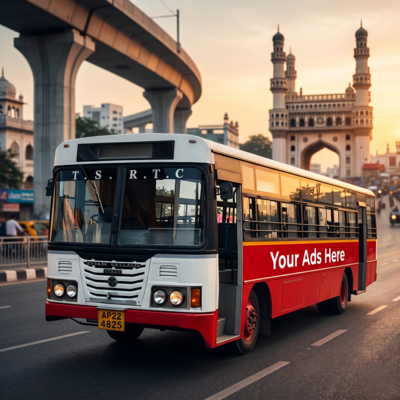
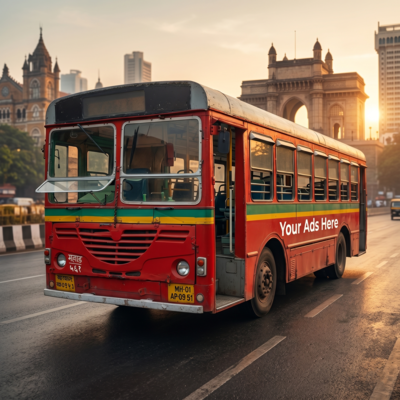
Nevertheless, traditional media still have strengths. TV ads can deliver emotional storytelling at scale, print ads can lend prestige, and billboards (as above) can reinforce messages in key locations. Advertisers often blend channels: for example, a new product launch might involve a TV spot for broad awareness and a print or outdoor ad for local reach. Today’s “phygital” world even blurs the lines – with Digital Out-of-Home (DOOH) displays and cinematic online ads combining old and new.
Digital advertising encompasses any online or electronic medium. Key digital formats include:
• Search Ads: Paid text ads on search engines (e.g. Google Ads) appear when users query relevant keywords. These ads are highly intent-driven, capturing customers actively looking for products or information. Indian search ad spend is forecast at about $2.28 billion in 2025, though its share of overall digital spend is expected to decline as other channels grow.
• Social Media Ads: Sponsored posts or videos on platforms like Facebook, Instagram, LinkedIn and Twitter. With 491 million social media users in India , social ads are vital for targeting demographics, interests, and behaviors. Short-form video ads (Reels, TikTok-style) are especially hot, driven by mobile usage.
• Display Ads (Banners): Graphical ads on websites and apps. Banner ad spending in India exceeds $1.31 billion (6.7% year-over-year growth). Display ads can be static or animated, and are often targeted via cookies or logged-in profiles.
• Video Advertising & Connected TV (CTV): Video ads on platforms like YouTube, streaming services (OTT), and internet-connected TV devices. Video is booming – an estimated 700 million of India’s ~800 million internet users watch video streaming. CTV ads (on smart TVs and devices) are growing rapidly; over 62 million Indians have cut the cord on cable TV for streaming alternatives. This trend suggests advertisers can use CTV to reach TV viewers migrating online.
• Mobile Advertising: Since 96% of Indian internet users access via mobile phones, mobile-specific ads (in-app ads, SMS/WhatsApp campaigns, game ads) are essential. Mobile ads allow location-based targeting and instant response (e.g. “Tap to call” or “Install app”).
• Programmatic Advertising: Automated buying of ads (video, display, social, etc.) through data-driven platforms. Programmatic is now central to digital media buying. It uses algorithms to target high-value users in real-time. (See next section.)
• Emerging Formats: These include influencer marketing on social, sponsored content (native ads), and innovative units like in-image ads . In-image advertising, for example, overlays a relevant ad on a published photo. This format “puts the ad where the viewer’s eyes are drawn,” creating units far more engaging than traditional display. Ads in virtual environments (AR/VR) and audio ads on podcasts are also gaining traction.
Digital channels now account for the majority of ad spend. In fact, India’s digital ad market officially overtook television in 2023–24. According to Ipsos, digital media spending in India grew steadily and “ officially overtook television spending in FY 2024 ”. This seismic shift is driven by affordable mobile data, rising internet penetration ( over 806 million Indians online ), and the need for more measurable, targeted campaigns.
Despite the rise of digital, many brands still use a mix of both: for broad awareness, they may run a national TV or newspaper campaign, while concurrently running targeted social and search ads for conversion. The smartest strategies integrate data from all channels to reach consumers wherever they are – from legacy TV viewers to mobile-savvy youth.
The advertising landscape is evolving fast. Recent data from India highlight several key trends:
• Digital’s Surge and Traditional Decline: As noted, 2024 saw digital ad expenditure up 21% , while TV fell ~6% and print/radio fell ~6–7%. By 2025, TV’s share of ad budgets is projected to drop to ~24%, with radio nearing extinction at 1% share. Marketers are reallocating budgets accordingly. Even conservative categories like Real Estate and Education are shifting spend off TV/print.
• Mobile and Internet Growth: India’s internet user base is among the largest globally (806M users, 55% penetration) and still growing. Mobile reigns supreme: 96% of Indians access online via smartphones. This fuels mobile-first ad formats: vertically-oriented video ads, in-app ads, and location-based offers. Social media use (52% of internet users go online for info; 50% to connect with friends) underscores why platforms like Instagram and WhatsApp are powerful ad venues.
•E-commerce Boom: The rapid growth of online shopping is a major catalyst for advertising. In 2024, 28 million new consumers shopped online (total ~238M shoppers, +13.2% YoY). Consumer goods e-commerce spend reached $59 billion , up 8.2%. Most importantly, 81.2% of online purchases were on mobile devices. In short, Indians are shopping online more and on their phones, which means digital ads (especially performance ads) can drive immediate ROI. Categories leading the surge include food ($17.2B), fashion ($14.7B), and electronics ($11.1B). Even grocery shopping is moving digital ( 158M Indians shopped online for groceries in 2024, +19.7% ). For marketers, this means tailoring campaigns to e-commerce events (like festivals and sales) and optimizing for mobile conversions is critical.
Data-driven strategies are now table-stakes. Advertisers leverage analytics and AI to target ads precisely. For example, programmatic advertising (covered below) allows real-time optimization and reaching “high-intent” users across the open internet. Gen-Z and millennials also expect personalized, interactive ads (e.g. shoppable videos). Meanwhile, creative trends show a hunger for short-form video and influencer content.
At the same time, consumers demand authenticity and privacy. Trends like ethical marketing, inclusivity, and transparent data use are rising. Brands are focusing on storytelling that resonates (not just flashy ads), and using data responsibly. In this environment, performance metrics (CPC, CPA, conversion rates) are balanced with long-term brand metrics (awareness, sentiment). Smart marketers combine both: an ad campaign might be optimized for conversions on one hand, and measured for brand lift on the other.
Programmatic advertising is the automated backbone of modern digital media buying. It uses algorithms and real-time data to purchase ad placements on websites, apps, and even OTT platforms. In India, programmatic is poised for explosive growth: the market is projected to reach about $96.1 billion by 2030 (CAGR ~26.2% from 2024–2030).
In essence, programmatic means “ using data-driven technology to automate the buying and selling of ad space ”. Brands set up campaigns in a Demand-Side Platform (DSP) and use audience data (demographics, interests, browsing history) to bid on impressions in real time. This enables several advantages:
• Precision Targeting: Ads can be served only to specific user segments (e.g. young urban professionals who shop online, or women interested in fitness) – even with narrow, niche audiences.
• Real-Time Optimization: Campaign parameters (bids, creative, channels) adjust on the fly. If one ad is performing better in a region or time of day, programmatic systems shift budget accordingly to maximize ROI.
• High Reach and Efficiency : By connecting with many publishers and ad exchanges, programmatic reaches users across thousands of sites and apps, ensuring broad visibility with less manual effort.
•Transparency and Fraud Reduction: Reputable platforms include fraud detection and brand-safety tools. Advertisers can set blacklists, use viewability tracking, and get detailed performance reports.
As MDSP’s analysis notes, India’s programmatic boom is backed by rising internet usage: “46 million smartphone shipments in Q3 2024 (5.6% growth YoY)” means more consumers can be targeted by mobile ads. Key verticals leading programmatic adoption include eCommerce, FinTech, and OTT platforms , which have large online audiences and measurable results.
Overall, programmatic makes campaigns more scalable and measurable. For instance, an OTT streaming service can run a programmatic campaign delivering video ads only to users who have watched similar content, optimizing every hour. Or a retailer can use dynamic creative optimization (DCO) to automatically generate thousands of personalized banner variations based on user data. As one industry study notes, AI-driven optimization can noticeably improve campaign ROI while reducing wasted spend.
In marketing, ROI (Return on Investment) is king. Advertisers track a variety of metrics to gauge an ad’s success: impressions (reach), clicks (engagement), conversions (sales/actions), and cost metrics like CPM, CPC, CPA. A common ROI measure is ROAS (Return on Ad Spend) – revenue earned per dollar spent on ads. For example, if an online ad campaign generated $200 in sales on a $50 ad spend, the ROAS is 4:1.
Data on ROI can come from ad platform analytics (like Google Ads or Facebook Ads reports), or from web analytics (Google Analytics conversion tracking). Attribution models (last-click, multi-touch) help assign credit to different ads or channels. For brand campaigns (where sales may not be immediate), companies run brand lift studies or surveys to measure changes in awareness, recall, and perception.
Studies show that data-driven optimizations often pay off. For instance, an Indian FMCG company (ITC’s e-commerce arm) used AI-based ad budgeting and audience optimization. As a result, it achieved a 25% improvement in ROAS and halved cost per transaction. Such results illustrate how smarter ad spend not only raises awareness but directly boosts profitability.
Brand advertising (e.g. TV, mass-media campaigns) is often evaluated on softer metrics: survey recall, aided/un-aided awareness, and share-of-voice. According to industry reports, even categories known for mass media are shifting some spend to digital for better ROI. In 2024, India’s FMCG sector still spent 40% of its budget on TV (down from 47% in 2023), reflecting a rebalancing toward digital. The real estate and consumer durables sectors also cut TV spend, moving dollars to online.
In short, every rupee spent on advertising is now tightly monitored. Agencies like SmartAds advise clients to set clear targets ( e.g. “We want 10% sales lift and 20% ROAS” ) and to run ads with test-and-learn models. This means A/B testing creatives, channels, and audiences continuously. The blend of quantitative data and creative strategy is what makes modern advertising both an art and a science.
E-commerce: The rapid growth of India’s online shoppers means e-commerce brands are major advertisers. During festive sales (Diwali, Prime Days), top e-tailers run omni-channel campaigns combining TV, digital video, search and social ads. For example, one e-retailer reported a 3× lift in site visits during a targeted festival campaign by syncing digital ads with TV commercials. SmartAds has helped clients reallocate budgets so that nearly 80% of marketing dollars now go to digital channels (search/social video) during peak shopping seasons. The result: higher conversion rates at lower cost-per-acquisition. Industry data backs this: over 28 million Indians shopped online in 2024, up 13.2%, and 81% of those purchases were on mobile phones. Advertisers who tailor their ads to mobile-first, high-traffic days see outsized returns.
FMCG: Consumer goods companies use advertising for both brand-building and performance. A notable example is an FMCG conglomerate that optimized its e-commerce advertising through AI (as discussed above). In that case, shifting budgets dynamically across products and times achieved a 25% higher ROAS . More broadly, FMCG brands leverage TV and digital ads to reach families. For instance, family-oriented products often run TV commercials during prime time or cricket matches (still high-audience events in India), while also engaging younger consumers via social media contests. SmartAds often encourages FMCG clients to measure both reach (via TRPs and viewership data) and online traffic lift. The recent dentsu report notes FMCG’s TV ad share dropping (40% of budgets) as these brands seek digital efficiencies.
Tech/FinTech: Technology companies (smartphones, apps, software) focus heavily on programmatic and social advertising to acquire users. For example, a mobile app startup might run geo-targeted video ads on YouTube and Instagram to boost installs, measuring CPI (cost per install) closely. A Bangladeshi social app “ Kumu ” achieved an 8% lower Cost Per Install and 11% higher conversion rate by using AI-powered audience targeting, demonstrating how digital tactics scale tech products (even though this example is global, Indian tech brands use similar approaches). Similarly, fintech platforms (like payment apps) offer referral bonuses promoted via digital ads. MDSP notes that FinTech and OTT sectors in India are “at the forefront” of programmatic adoption, because they can finely target customers with relevant credit or entertainment offers.
Each case reinforces a key point: data-driven creative wins . Marketers who study their audience and tailor ads – whether on a big TV screen or a tiny phone – can influence both brand loyalty and bottom-line metrics.
Advertising will continue to evolve with technology and consumer habits. Some emerging trends to watch:
•AI and Personalization: Advances in AI will make ads ever more personalized. Chatbots and AI can create custom ad copy or visuals for each user. Dynamic Creative Optimization (DCO) is already letting brands generate thousands of tailored banners or video ads on the fly. SmartAds predicts more use of generative AI: “Our campaigns will produce adaptive ads that change in real-time based on user behavior,” says SmartAds.
• Connected TV & Over-the-Top (OTT): As more Indians cut the cord, CTV/OTT ad budgets will grow. These ads combine TV’s storytelling power with digital targeting. Advertisers can use programmatic to place 15–30 second spots on streaming content watched by specific demographics. NT Technology’s report projects CTV as a key growth area, complementing legacy TV.
• Interactive and Immersive Formats: AR (augmented reality) ads, shoppable videos, and interactive stories are on the rise – especially for younger consumers. For example, an apparel brand might let shoppers “try on” clothes virtually through AR ads in social media. Metaverse and VR (virtual reality) advertising are nascent but emerging, with brands experimenting in these new arenas.
• Privacy and Measurement Innovations: Cookieless targeting and privacy regulations will reshape how ads are tracked. Advertisers are adopting first-party data strategies and contextual targeting. Meanwhile, measurement is improving: platforms and agencies are focusing on holistic metrics (e.g. incrementality tests) and blending online/offline data to truly gauge impact.
Across all these changes, one thing stays constant: advertising must connect with people. Even as mediums shift, the fundamental art of storytelling and persuasion remains. As SmartAds emphasizes, “ At the end of the day, an ad is only as good as the result it achieves for the brand. ”
Advertising is no longer just about blasting messages; it’s about delivering the right message in the right way, to the right people, at the right time. For marketers and brands in India’s fast-growing market, this means embracing both creativity and data. Traditional channels like TV and billboards still build mass awareness, but digital channels offer unprecedented precision and measurability. Trends show digital spend surging (now bigger than TV) as mobile and internet penetration deepens. Programmatic and AI are making campaigns smarter and more scalable.
Case studies demonstrate the payoff: brands optimizing ads with technology have seen significant boosts in ROI. Brands in e-commerce, FMCG, tech, and beyond are already reaping benefits by aligning ads with consumer behavior.
SmartAds is ready to partner with marketers in this new era. By combining deep local market knowledge (India-only focus) with cutting-edge tools, SmartAds helps clients craft campaigns that not only stand out, but also deliver measurable growth. As the advertising landscape evolves, one constant remains: the most powerful ads tell a story that resonates. When creativity meets data, brands win – and that’s what SmartAds is all about.