Transit Advertising In India: Formats, Trends, Case Studies & ROI
Top
Metro Train
Metro Train
Auto Rickshaw
Food Packaging
Cab Advertising
Lookwalker
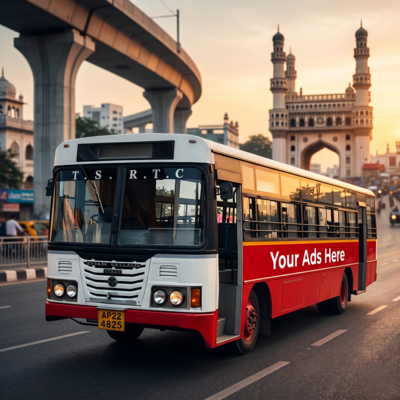
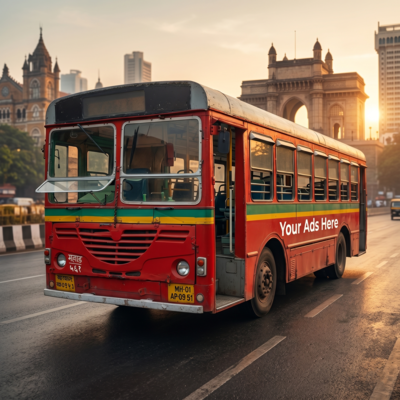
<p>Transit advertising – ads placed on vehicles and transit hubs – is a dynamic subset of out-of-home (OOH) media that has surged in importance for marketers in India. By turning buses, metro trains, autorickshaws, and even airport lounges into moving billboards, brands embed their messages into daily commutes. This strategy reaches millions of consumers in transit, often at a lower cost per impression than traditional channels. In a rapidly urbanizing India, transit media’s share of the OOH market has jumped (from roughly 25% to 35% in recent years) and is projected to reach about 40% by 2026. At SmartAds, we’ve seen firsthand how transit ads convert routes into brand touchpoints. The following guide – rich with data, trends, and case studies – shows why transit advertising is a must-have in any media plan for brands and agencies today.</p><p><br></p><p>Transit ads cover a range of formats, but all share the advantage of engaging captive, on-the-move audiences. People spend significant time commuting – on average <strong>45–60 minutes a day on public transport</strong> – and transit ads capitalize on these dwell times. For example, a well-wrapped city bus can generate over <strong>30,000 impressions per day</strong> as it winds through traffic. Because transit vehicles traverse diverse neighborhoods, a single bus or train ride can deliver both mass reach and targeted exposure. Pedestrians, drivers, and commuters alike repeatedly encounter the branding on these vehicles – effectively turning every bus route into a rolling campaign. Importantly, transit ads often cost a fraction of high-profile billboards. As SmartAds research notes, transit campaigns can achieve a <strong>much lower cost per mille (CPM)</strong> than comparable TV or digital buys. In short, transit media offers <strong>mobile ubiquity</strong> and <strong>high frequency</strong> – a combination that drives strong brand recall and engagement for advertisers.</p><p><br></p><p><br></p><p><br></p><p><br></p><p><br></p><p><br></p><p><br></p><p><br></p><p><br></p><h2><strong>Why Transit Advertising Works for Brands</strong></h2><p><br></p><ul><li><strong>Mass Audience & Urban Reach:</strong> India’s cities are built around transit. Millions rely on buses, metros, local trains, and autos daily. For example, Delhi’s transit network carries <strong>over 4 million bus riders</strong> <strong>per day</strong> (DTC and cluster buses combined), plus around **7.2 million metro rides daily. Brands gain enormous visibility by meeting this massive commuter base where they already are. Transit ads reach a wide spectrum of demographics – from students and office-goers to shoppers and tourists.</li><li><strong>High Dwell Time & Repetition:</strong> Commuters often ride 15–20 minutes or more, creating captive attention. Autorickshaw rides average about <strong>15–20 minutes,</strong> and bus commuters in metros can spend an hour on the road each day. Ads on these vehicles have a captive audience: people tend to look at their surroundings – and at each other – during transit stops or slow traffic. Crucially, regular commuters see the same ads <em>frequently.</em> Repetition builds recall. As one SmartAds campaign observed, consistent exposure (e.g. seeing the same wrapped bus multiple times a week) reinforces brand messages much more strongly than a one-off exposure.</li><li><strong>Cost-Effectiveness:</strong> Transit media delivers a large volume of impressions for the investment. Production costs (vinyl wraps or panels) are relatively low, and the audience is large. In fact, industry research finds transit advertising <strong>maximizes visibility at lower costs</strong> than many other OOH media. Our Delhi bus campaigns, for example, achieved up to <strong>30,000 impressions per bus per day</strong> at a CPM far below that of TV or large-format hoardings. SmartAds clients routinely find transit ads to be <strong>high</strong> <strong>ROI</strong> – the ability to “blanket” city routes with a fleet of buses or a network of autos often beats the reach of multiple static billboards for the same budget. One Delhi FMCG campaign saw <strong>market share rise a couple of percentage points</strong> after a bus-side campaign, despite costing much less than TV.</li><li><strong>Targeting Flexibility:</strong> Transit routes can be chosen to match audience demographics. Advertisers can focus on corridors serving business districts, colleges, suburban markets or shopping hubs. For instance, SmartAds advised one fintech client to deploy bus ads on routes linking Gurgaon and Noida to Delhi’s office hubs. By timing the campaign around tax season and using unique promo codes on each ad, we directly generated over <strong>8,000 new app sign-ups</strong> and cut customer acquisition costs by about <strong>30%</strong> versus prior channels. This illustrates how transit OOH can be both broad and focused: high reach with the ability to dial in specific zones or populations.</li><li><strong>Premium and Niche Placements:</strong> Transit hubs offer access to hard-to-reach audiences. Metro and train stations see huge footfalls in concentrated areas. Delhi Metro, for example, reported daily ridership of over <strong>7 million</strong> on its network, with flagship stations like Rajiv Chowk acting as city center crossroads. Advertising here captures both commuters and passersby in captive environments (long underground platforms or concourses). Airports are another transit medium – these “digital malls” have affluent, premium audiences. Industry reports note Indian airport advertising is <strong>booming,</strong> with double-digit revenue growth year-over-year. Combined, these placements let marketers build holistic campaigns: a brand might accompany a highway bus wrap with station banners and airport displays to dominate high-value traveler touchpoints.</li></ul><p><br></p><p><br></p><p><br></p><p><br></p><p><br></p><p><br></p><p><br></p><p><br></p><p><br></p><h3><strong>Key Transit Media Formats</strong></h3><p><br></p><p>Transit advertising spans many formats. Common examples include:</p><p><br></p><p><br></p><ul><li><strong>Bus Advertising (Surface Transit):</strong> Ads applied to city buses – full wraps or panels on sides, backs, and interiors. In India’s large cities, bus fleets are enormous: Delhi’s DTC runs ~7,000 buses (plus 1,600 electric buses) serving ~2.5 million passengers daily, and Mumbai’s BEST, Bengaluru’s BMTC, etc. provide similar scale. A well-executed bus campaign can blanket a metropolis and reach diverse neighborhoods. Ads on buses are highly visible (front and sides face other drivers; rear panels catch traffic behind). Because buses operate all day on fixed routes, they offer <strong>consistent</strong> <strong>exposure</strong> – commuters often see the same bus ads repeatedly, reinforcing the message. Notably, transit planning has made bus advertising easier: Delhi recently auctioned major bus terminals and eased wrap guidelines, creating thousands of new square feet for creative billboards on wheels. In practice, bus campaigns can run from a few lakhs of rupees upward – for example, SmartAds notes budgets starting ~?50,000 for single-side placements.</li><li><strong>Autorickshaw Advertising:</strong> Small but ubiquitous, autorickshaws are among the most cost-effective transit media. There are roughly <strong>10 lakh autorickshaws</strong> on India’s roads, with fleets growing (nearly 700,000 electric three-wheelers were sold in 2024). These “rolling billboards” navigate narrow lanes and suburban roads that larger vehicles can’t, reaching audiences in dense markets and remote pockets alike. Each auto typically carries ads on the back and sides and moves continuously through streets. Riders spend 15–20 minutes in each rickshaw, and autos stop frequently at junctions, meaning pedestrians and drivers get plenty of ad impressions (one SmartAds study found waiting commuters often “read” the ad while stopped at signals). Crucially, autorickshaw campaigns are extremely affordable. As SmartAds observes, auto ads are “the most affordable outdoor medium” – production costs are low (simple vinyl skins) and each vehicle reaches thousands daily. Campaigns can target local markets with precision by circulating fleets in chosen zones (e.g., near colleges or markets). The same medium also thrives in Tier-2 and Tier-3 cities: where TV and print have limited reach, colorful auto ads on local roads grab eye-level attention. Case in point: a SmartAds autorickshaw campaign for a Delhi restaurant chain boosted footfall by about <strong>30%</strong> in three months, and a multi-city “Rick Pics” promo on pink autos generated <strong>17 million</strong> social media impressions for a beauty brand.</li><li><strong>Taxi/Cab Advertising:</strong> Metered cabs and ride-hailing vehicles offer captive audiences. Ads can be placed on seat-back screens or exteriors. Although inventory is smaller (compared to autos or buses), taxis often carry higher-income passengers. Brands use taxi ads to target business districts and premium venues. For example, airport-to-city cab wraps reach affluent travelers and executives. Cabs also allow digital integration (in-car screens can show dynamic ads or QR codes). While less common than autos, taxi campaigns are valued for targeting professionals and turning travel time into ad time.</li><li><strong>Metro and Train Advertising:</strong> Urban rail systems are goldmines of impressions. In Delhi, the Metro carries over 7 million rider journeys daily; Mumbai’s local trains carry even more. Platforms, concourses, escalators, and train interiors offer vast ad space. Ads on pillars, turnstiles, trains or digital screens in stations capture commuters’ attention during dwell times. These formats have a <strong>captive</strong> and often upscale audience. Just as malls merge shopping with transit, metro stations (like Rajiv Chowk in Delhi) are bustling hubs – think “stations-as-destinations.” Transit advertising here sees high dwell: passengers waiting for trains engage with ads on nearby walls or video panels. Station ads can deliver long messages since commuters have a few extra moments to read. SmartAds notes that metro audiences tend to be young, urban, and tech-savvy; we often include digital calls-to-action (QR codes or hashtags) on station ads to bridge to online engagement.</li><li><strong>Railway & Intercity Train Ads:</strong> Beyond urban metros, India’s long-distance and suburban trains are moving platforms for branding. Exterior coach wraps and interior posters reach travelers on lengthy journeys. Railway stations (especially premium ones like New Delhi or Mumbai VT) also host static and digital billboards, tapping local commuters and travelers. Though less frequently cited than city transit, these ads benefit from high dwell (long waits) and broad reach (passengers disembark at many stops). In fact, rail ads can sometimes outshine static hoardings for reach: the All-India Railway Catering & Tourism Corporation (IRCTC) actively sells ad space on its trains, recognizing that rail travel touches every corner of the country.</li><li><strong>Airports and Transit Hubs:</strong> International and domestic airports are transit advertising at its most premium. Ads here reach affluent, attentive audiences – people waiting for flights spend extra time and attention on digital displays and kiosks. Industry data shows Indian airports have seen <strong>double-digit growth</strong> in ad revenue recently, reflecting booming demand from luxury, fashion, and tech brands. Airports offer high-impact formats: large-format digital billboards, 360° lounge installations, and interactive screens at duty-free areas. Other hubs like bus terminals or metro depots similarly capture waiting crowds. In sum, “transit” extends to any transport node – capturing consumers the moment they are away from home and tuned into their surroundings.</li></ul><p><br></p><p><br></p><p><br></p><p><br></p><p><br></p><p><br></p><p><br></p><p><br></p><p><br></p><h4><strong>Campaign Benefits and Best Practices</strong></h4><p><br></p><p>Transit media offers multiple strategic advantages for advertisers. Key benefits include:</p><p><br></p><p><br></p><ul><li><strong>Mass Reach with Local Precision:</strong> A fleet of buses or autos can cover entire cities, reaching office-goers in the morning, students in the afternoon, and shoppers in the evening. For example, one SmartAds campaign in Delhi achieved <strong>“city takeover”</strong> saturation – 60 fully wrapped buses roaming for a month – resulting in a 25% jump in unprompted brand recall. Yet transit also allows hyper-local targeting. Brands can choose routes or zones that align with their demographic. A tech firm might focus on buses around IT parks, while a mall might target routes near shopping districts. This flexibility means transit ads blend mass reach with targeted impact.</li><li><strong>High Frequency & Creative Impact:</strong> Transit ads are large and memorable. A full bus wrap or brightly painted auto stands out in traffic and on streets. Because many commuters travel the same routes daily, a single wrapped vehicle can deliver multiple exposures to the same person each week. That repetition is gold for brand memory. For instance, SmartAds found that a Delhi commuter riding the bus five days a week might see the same ad over 20 times in a month, dramatically boosting recognition. Creative teams often get bold with transit: striking visuals (a bus painted as a product), 3D embellishments, or humor that sparks social shares. The “Rick Pics” campaign mentioned earlier had commuters taking selfies with pink autos; such virality extends the campaign far beyond physical routes.</li><li><strong>Measurable ROI:</strong> Modern transit campaigns integrate tracking. Agencies use GPS on branded vehicles to log routes and estimate impressions. Unique QR codes or promo URLs on ads make response quantifiable. As noted in our fintech bus example, <strong>8,000 sign-ups</strong> were directly traced to seeing bus ads. Moreover, survey data and lift studies can quantify brand recall. SmartAds routinely measures footfall and sales lifts: one retailer found store visits rose ~30% following an auto campaign. We also monitor digital analytics (website visits, app downloads) around campaign dates. The result is full transparency: transit advertising, once seen as “unmeasurable,” is now treated like any other channel. Indeed, agencies report transit can deliver ROI on par with (or better than) some digital ads – often at a much lower spend.</li><li><strong>Complementing Digital:</strong> Transit media and digital can work hand-in-hand. QR codes on bus wraps or AR filters at stations bridge offline to online. Some campaigns link to social media hashtags or short URLs, turning physical ads into interactive experiences. Transit ads can also serve as part of omni-channel planning: for a new movie release, for example, an OTT platform might run city buses <strong>and</strong> digital video ads. In one case, full-bus wraps in Delhi drove a 20% spike in online trailer views. In effect, transit ads amplify digital efforts by creating an “everywhere” effect – audiences encounter the campaign on the streets and on their screens.</li></ul><p><br></p><p><br></p><p><br></p><p><br></p><p><br></p><p><br></p><p><br></p><p><br></p><p><br></p><h5><strong>Case Studies: Transit Campaign Successes</strong></h5><p><br></p><p>SmartAds has executed numerous transit campaigns with impressive results. These real-world examples illustrate how data-driven planning and creative execution pay off:</p><p><br></p><p><br></p><ul><li><strong>Entertainment Launch (Delhi, June 2025):</strong> A major streaming platform launched a new series and needed street-level buzz. SmartAds implemented a <strong>full-wrap campaign on 40 Delhi buses</strong> focused around college areas and metro hubs. Each bus featured the show’s characters and a QR code linking to the trailer. Over three weeks, these buses delivered an estimated <strong>2.5 million</strong> impressions across the city. Online, trailer views in Delhi jumped <strong>20%</strong> during the campaign. Social media lit up with fans posting photos of the buses – effectively making the ads go viral. This case proved that transit ads can drive both awareness and digital action simultaneously.</li><li>Retail/Sales Lift (Delhi-NCR): A well-known FMCG brand launched a new detergent variant. SmartAds advised a mixed bus campaign: 10 full-bus wraps for high visibility plus 100 bus back-panel ads for broad coverage, targeting residential areas and markets frequented by homemakers. The result: in the following month, Delhi’s market share for the brand rose by a couple of percentage points, outpacing other regions. Retailers reported customers mentioning seeing the detergent ad on buses. Notably, the campaign’s cost-per-thousand-impressions was <strong>much lower than the brand’s</strong> <strong>parallel TV ad</strong> spend, yet it achieved <strong>strong uplift in sales and awareness.</strong> This demonstrates transit media’s efficiency: a fraction of the cost, driving comparable (or better) business results.</li><li><strong>App User Acquisition (Delhi Metro Area):</strong> A fintech startup aimed to onboard new traders. SmartAds recommended a <strong>targeted bus-ad blitz</strong> on routes linking Gurgaon/Noida and Delhi’s tech parks. We deployed 25 buses with bold side-panel ads (“Invest for Free!”) each carrying a unique promo code. The timing was strategic (end-of-financial-year tax season). Within weeks, the firm tracked <strong>8,000+ new users</strong> signing up with those codes. Importantly, their cost-per-acquisition was about <strong>30%</strong> lower than comparable digital campaigns. Analytics confirmed the conversions came from targeted local areas – proof that bus media can be not just for reach but for direct response.</li><li><strong>City Takeover (Delhi Fashion Campaign):</strong> A national fashion brand (with pop-up stores) wanted to “own the city” in Delhi. SmartAds mounted a multi-platform transit campaign: <strong>metro station</strong> <strong>branding, airport displays, and 60 fully wrapped DTC buses</strong> over one month. The creative showed models strutting on a moving bus (tagline: “Fashion that moves with you”). The saturation was palpable – commuters in late 2024 recalled seeing this brand everywhere. Independent surveys found <strong>unprompted recall jumped 25%</strong> in Delhi after the campaign. Foot traffic to the brand’s pop-up stores was higher in Delhi than any other city, partly thanks to the transit ads. Meanwhile, the campaign also boosted online metrics (app traffic and search queries rose) – an example of how bold transit execution can amplify across channels.</li></ul><p><br></p><p>These cases share common lessons: strategic route planning and creative design are critical, and when executed well, transit ads can deliver <strong>measurable ROI.</strong> They can drive metrics (calls, sales, app installs) just like digital campaigns, but often with a lower spend.</p><p><br></p><p><br></p><p><br></p><p><br></p><p><br></p><p><br></p><p><br></p><p><br></p><p><br></p><p><br></p><h6><strong>Industry Trends & Data Insights</strong></h6><p><br></p><p>Several market trends underscore why transit media is on the rise:</p><p><br></p><p><br></p><ul><li><strong>OOH Budget Shifts:</strong> Industry analyses note that transit is now the fastest growing segment of OOH. For example, U.S. transit OOH spend jumped <strong>18.8% year-over-year</strong> in Q1 2024, and transit ads now account for ~16% of total OOH spend there. India is seeing a similar surge. Experts project transit media’s share of the Indian OOH market could hit <strong>40% by 2026,</strong> up from around 25% a few years ago. This growth is driven by rapid urbanization and new transport projects. The government plans <strong>400 new airports by 2047 and over 1,000 km of new metro lines</strong> under construction – creating vast new ad inventory. In other words, transit hubs (train stations, airports, bus terminals) are becoming advertising goldmines.</li><li><strong>Digital Integration (DOOH):</strong> As transit environments become more digitized, <strong>digital out-of-home (DOOH)</strong> is rising. Currently DOOH assets are a small slice of transit media, but they’re expected to grow. One report projects Indian DOOH (including transit screens) will jump from about 9% of OOH inventory today to roughly 15% in the next 2–3 years. Smart billboards, video walls, and interactive kiosks are being installed in airports and metro stations nationwide. These digital formats allow programmatic buying and dynamic targeting (time-of-day or content changes). For instance, a digital screen in a metro station can serve different ads to commuters in the morning versus the evening. Globally, programmatic DOOH is exploding, and India is following suit. Transit’s semi-controlled environments (indoors, sheltered) are ideal for bright digital displays that grab attention without weather issues.</li><li><strong>Data-Driven Campaigns:</strong> Modern transit campaigns use data at every step. Agencies utilize location analytics, audience demographics, and even Wi-Fi/Beacon tracking at hubs. For example, audience profiling in a Delhi bus terminal might inform peak hours or popular routes. SmartAds pioneered using GPS trackers on every vehicle to log exact routes and dwell times. This lets us report to clients exactly how many impressions each ad likely got. Crucially, linking offline to online data has become common. Embedding QR codes on bus ads has yielded measurable spikes in web traffic. Industry best practices now treat transit like any accountable channel: detailed analytics and post-campaign reports on “auto-kilometers covered” and estimated reach are standard.</li><li><strong>Sustainability & Smart Cities:</strong> Government initiatives (e.g. Smart Cities Mission) are upgrading urban transit infrastructure. Better maintained, more frequent bus services and new metro lines mean longer routes and hours for ads to run. Additionally, as fleets go electric (Delhi is rolling out thousands of e-buses), advertisers can tout “greener” campaigns (the ads can celebrate the city’s modernization). The upshot: brands can confidently invest in transit advertising knowing that media owners are collaborating closely on clear policies, better measurement, and new formats (e.g. digital screens on buses).</li><li><strong>Global Context:</strong> India’s transit boom mirrors global trends. Worldwide, transit ad markets are expanding. A recent study shows the global transit advertising market is projected to reach about <strong>$25</strong> <strong>billion by 2032</strong> (from $16.7B in 2024). In the U.S., similar growth drivers (urbanization, digitalization) are at play. This global momentum bodes well for India: it means more technology and best practices flowing into the market.</li></ul><p><br></p><p>In summary, the data shows transit advertising is far from old-fashioned: it’s a modern media powerhouse. With increasing share of ad budgets, tighter ROI measurement, and rapid digitization, transit media stands at the forefront of the OOH renaissance.</p>
FAQ's
What is transit advertising?
Transit advertising is a form of out-of-home (OOH) advertising that places ads on vehicles and in transportation hubs. This includes bus wraps, auto-rickshaw panels, ads on trains or metros (both inside and out), and signage in stations or airports. Essentially, anytime your ad travels on a moving vehicle or is shown in a transit zone, it’s transit media. It works because it embeds brand messages directly into people’s daily commutes.
How is transit advertising different from other outdoor ads?
Both transit ads and traditional outdoor (billboard) ads are OOH, but transit media is mobile and location-flexible. Billboards are static and fixed; a transit ad moves through many neighborhoods each day. This mobility gives transit ads unique reach: a well-routed bus or auto can cover dozens of streets and demographics, whereas a billboard only covers its one location. Also, transit ads often have captive audiences (commuters on board or waiting), unlike billboards which people might only glance at briefly.
What media formats count as transit advertising?
Transit media covers any ad on public/private transport or at transit points. Examples: bus advertising (exterior wraps, interior panels), autorickshaw and taxi ads, ads on car dashboards or ride-sharing screens, subway/metro train wraps and station posters, in-train video screens, ads in railway stations, airport display panels, and even ads on ferry boats in cities with waterways. Essentially, if a consumer encounters it while traveling, it’s transit advertising.
Is transit advertising effective in Tier-2 and Tier-3 cities?
Absolutely. In many smaller cities, shared mobility (autos, buses) is the dominant transport mode. Autorickshaws are ubiquitous in Tier-2/3 towns, offering reach into markets that other media miss. For example, an autorickshaw campaign in a Tier-2 city can saturate local corridors and rural roads very economically. While Tier-1 metros may add digital or high-tech formats, the core benefits (high frequency, local targeting, low cost) apply in lower-tier cities as well. Many SmartAds campaigns in semi-urban areas have produced double-digit growth in inquiries and foot traffic, because transit ads cut through clutter where TV/digital penetration is lower.
What kind of results can brands expect?
Transit campaigns can drive a range of outcomes. At minimum, they significantly boost awareness and recall – customers simply notice your brand more. But as our case studies show, they can also drive foot traffic, app downloads, inquiries, and sales. For instance, auto campaigns have yielded ~30% increases in store visits, and bus campaigns have delivered thousands of direct app sign-ups. Many advertisers find transit ROI matches or exceed digital metrics at a fraction of the cost. Key to success is setting clear goals (awareness vs. leads) and integrating ways to measure (promo codes, QR tracking, rider surveys, etc.).
How much does transit advertising cost?
Costs vary by medium and market. As a rough guide, placing one standard bus-side or panel ad in a metro city can start around ?50,000 (for a short-term campaign). Autorickshaw campaigns are even cheaper – you can run ads on a fleet of 200 autos for around ?10,000 and up. Naturally, full-bus wraps or large metro station campaigns cost more (often lakhs of rupees), while back-panel or interior ads cost less. The key is that each rupee goes a long way: even modest transit buys generate thousands of impressions daily, so small budgets can still make a noticeable splash.
Transit vs. digital – should I still try transit ads?
While digital channels are powerful, transit advertising adds a dimension digital alone cannot replicate. Transit ads are unskippable – nobody can “close a tab” on a bus wrap – and they engage a local audience physically. In fact, transit media often complements digital: many campaigns use both. For example, a commuter might first see a product on a transit ad, then later see its website on their phone, reinforcing the message. Also, transit ads excel at local branding and meeting people “in the moment” – such as a commuter noticing a coffee shop ad on the bus just before afternoon tea time. As a result, savvy marketers view transit as an essential leg in the media mix.
What is transit advertising classified as?
By industry definition, transit advertising is a form of out-of-home (OOH) advertising. It sits under the OOH umbrella, alongside billboards, street furniture, and place-based media. The distinction is simply that transit OOH specifically involves moving or transportation-related environments.
How should I measure a transit campaign?
Common metrics include estimated impressions (based on vehicle mileage and traffic density), engagement actions (QR scans, promo code usage), and changes in brand metrics (awareness, footfall). SmartAds always provides clients with route maps and GPS logs to verify coverage. Post-campaign, you can conduct brand lift surveys or analyze uplift in calls/sales against control markets. Many brands track digital behavior too – for instance, a surge in search or site traffic during the campaign often indicates offline-to-online influence. In all cases, combining smart planning (geographic targeting, creative calls-to-action) with tracking tools ensures clear ROI for transit investments.
In summary:
Transit advertising turns everyday commutes into powerful marketing opportunities. With its blend of massive reach, targeted flexibility, and cost efficiency, it’s an ideal channel for brands in India’s urban and semi-urban markets. SmartAds has helped countless advertisers tap this “secret weapon” – driving awareness and conversions across cities. As public transit infrastructure continues to expand, now is the time to board the transit advertising bandwagon and put your brand in motion.