+91 900 400 1000
FREE
QUOTE

ATL And BTL Marketing In India « TTL Strategies & Trends 2025

ATL And BTL Marketing In India TTL Strategies & Trends 2025

ATL And BTL Marketing In India TTL Strategies & Trends 2025

atl-btl-ttl-marketing-in-india-data-trends-and-case-studies.png
Top

News article

Metro Train

Bangalore Green Line

Add to favorites
News article

Metro Train

Mumbai Red Line

Add to favorites
News article

Auto Rickshaw

Ahmedabad

Add to favorites
News article

Food Packaging

Pune

Add to favorites
News article

Cab Advertising

Tadipatri

Add to favorites
News article

Lookwalker

Hamirpur

Add to favorites
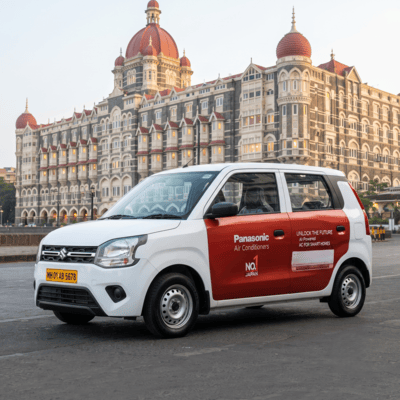
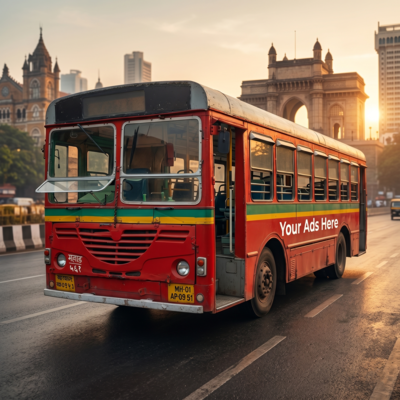
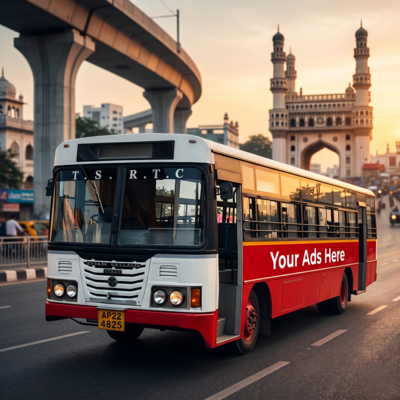
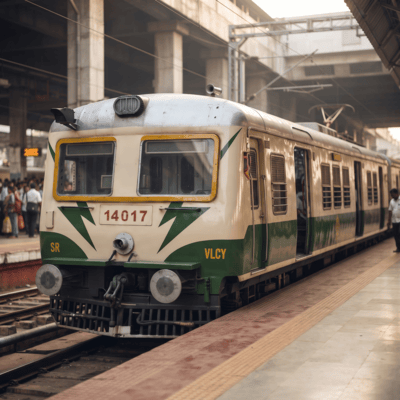
<p><strong>Above-the-Line (ATL)</strong> and <strong>Below-the-Line (BTL)</strong> are two fundamental approaches to advertising, with <strong>Through-the-Line (TTL)</strong> denoting their integrated use. ATL marketing uses mass media (TV, radio, print, outdoor) to build broad brand awareness. In contrast, BTL marketing targets specific customer segments through direct channels (events, in-store promotions, direct mail, guerrilla stunts, etc.). In practical terms, ATL casts a wide net to “raise brand awareness” among the general population, whereas BTL seeks to “reach consumers directly, instead of casting a wide net”. TTL (Through-the-Line) combines both: it uses mass media to generate initial buzz and then follows up with targeted, personalised tactics. For example, Amazon’s annual “Great Indian Festival” employs celebrity TV ads (ATL) alongside targeted digital and influencer campaigns (BTL) to engage consumers at scale. Understanding these modes is key for Indian marketers, especially as current data shows both traditional and digital media are rapidly evolving.</p><p><br></p><p><br></p><p><br></p><p><br></p><p><br></p><p><br></p><p><br></p><p><br></p><p><br></p><p><br></p><p><br></p><h2>What is Above-the-Line (ATL) Marketing?</h2><p>Above-the-Line marketing refers to campaigns that target a wide, often national audience through mass media channels. Typical ATL channels include:</p><p><br></p><p><br></p><ul><li>Television commercials: Widely used by FMCG, automotive, and telecom brands for instant reach (e.g. festival or sports event ad spots).</li><li>Radio ads: Popular for reaching commuters and rural listeners.</li><li>Print media: Newspapers and magazines offering in-depth brand stories.</li><li>Outdoor hoardings and billboards: High-visibility placements in cities</li></ul><p><br></p><p>The <strong>goal of ATL</strong> is broad brand-building and recall. Because it aims at mass viewership, ATL campaigns can be expensive and less targeted. For instance, a national TV spot ensures tens of millions of impressions, but brands cannot easily measure which individual consumers took action. As one marketing guide explains, ATL is “designed to reach a large audience and boost brand awareness”. Classic examples include Coca-Cola’s nationwide TV ads (like the “Share a Coke” campaign) and Nike’s star-studded commercials – campaigns meant to be seen by as many people as possible.</p><p><br></p><p>The <strong>advantages of ATL</strong> are high reach and credibility. A broad TV or radio campaign can quickly build mindshare. For example, India’s largest car maker, Maruti Suzuki, often launches new models with big TV campaigns, creating buzz across the market. Mass media can also give a premium feel to a brand. However, <strong>ATL’s drawbacks</strong> include high costs and difficulty in tracking ROI. Modern platforms have blurred the line – for instance, a digital video ad can function like ATL (broad exposure) or BTL (precise targeting) depending on strategy. Still, traditional ATL channels remain crucial for mass-market brands in India.</p><p><br></p><p><br></p><p><br></p><p><br></p><p><br></p><p><br></p><p><br></p><p><br></p><p><br></p><p><br></p><p><br></p><h3>What is Below-the-Line (BTL) Marketing?</h3><p>Below-the-Line marketing covers <strong>targeted, promotional activities</strong> that directly engage consumers. BTL tactics <strong>zero in on niche segments or local audiences</strong> through personalised channels. Common BTL examples include:</p><p><br></p><p><br></p><p><br></p><ul><li><strong>In-store activations and sampling:</strong> Demonstrating products or giving samples at supermarkets, malls, or markets.</li><li><strong>Live events and roadshows:</strong> Temporary stalls at fairs, expos, or village haats (rural markets).</li><li><strong>Point-of-sale displays:</strong> Shelf talkers, kiosks, or branded counters in shops to trigger impulse purchases.</li><li><strong>Transit branding:</strong> Wrapping buses, auto-rickshaws, or metro trains with ads for high-frequency exposure.</li><li><strong>Digital direct marketing:</strong> Targeted emails, SMS/WhatsApp blasts, or social media ads aimed at specific demographics.</li><li><strong>Cinema advertising:</strong> Ads played before movies, reaching captive audiences (often younger and affluent) in theaters.</li></ul><p><br></p><p>BTL is valued for its <strong>direct targeting and measurability.</strong> Campaigns can be tailored by location, language, or demographic. According to SmartAds, BTL “is an advertising strategy where products are promoted in media other than mainstream radio, television, billboards, [and] print”. The emphasis is on <strong>personal interaction:</strong> BTL drives often allow consumers to touch products, ask questions, and respond immediately. SmartAds highlights that <em>in-person</em> BTL tactics tend to yield higher conversion rates – for example, an Indian Institute of Management study found a >15% conversion for hands-on marketing campaigns in Bangalore.</p><p><br></p><p>Another big benefit of BTL is <strong>cost-effectiveness.</strong> Creative BTL media can cost a fraction of classic ATL buys. SmartAds notes that distributing pamphlets or posters in a local area might cost <em>just 1/10th of a newspaper advertisement.</em> Small businesses and regional campaigns often leverage BTL precisely for this reason. For example, mall activations require only leasing a kiosk or digital screen rather than buying expensive airtime. This cost efficiency, coupled with direct audience feedback (surveying passersby, collecting leads), often means BTL campaigns deliver better ROI for specific goals. In one rural marketing case, Malav Seeds (an agricultural brand) engaged <strong>9,000+ farmers</strong> across 480 villages through on-the-ground BTL efforts, generating 770 callback leads and ~5,000?kg of seed sales.</p><p><br></p><p>BTL is especially crucial in India’s vast and diverse market. With <strong>over 65% of Indians living in rural areas</strong> , grassroots BTL is vital. Rural outreach through <strong>mobile vans, local fairs, and village events taps</strong> into the surging rural consumption (up 5.2% in early 2024 vs. 2.8% urban). SmartAds points out that traditional BTL like auto-rickshaw ads and wall paintings “cover schools, markets and highways…signifying the reach” even in smaller towns. In healthcare and community marketing, for instance, advertising in a local clinic’s waiting room can reach thousands weekly and influence nearby customers. In short, BTL’s strength lies in its <strong>targeting, engagement, and flexibility</strong> – it lets brands craft highly localised promotions that resonate directly with key audiences.</p><p><br></p><p><br></p><p><br></p><p><br></p><p><br></p><p><br></p><p><br></p><p><br></p><p><br></p><p><br></p><p><br></p><h4>Through-the-Line (TTL) Marketing</h4><p>Through-the-Line (TTL) marketing represents an <strong>integrated approach,</strong> blending both ATL and BTL techniques into one cohesive strategy. The idea is to harness the broad awareness of ATL with the precise engagement of BTL. In practice, a TTL campaign might start with a mass-media ad to attract attention, then use digital retargeting or local events to convert interested consumers. As Wisestamp notes, TTL “uses both of these approaches to gain both widespread brand awareness and focused, targeted returns”.</p><p>TTL has grown in importance with digital media’s rise. Many campaigns now span multiple channels: for example, India’s e-commerce giants exemplify TTL. During the Great Indian Festival, Amazon ran national TV commercials (ATL) featuring celebrities, while simultaneously using digital ads, email offers, and in-app notifications (BTL) targeted at shoppers who watched or engaged with those ads. This ensured both <strong>reach and relevance.</strong> Research shows such blended campaigns can boost ROI significantly – one industry analysis found brands using TTL saw ?25% higher ROI than those relying on a single approach.</p><p>For Indian marketers, TTL is often the rule rather than the exception. Major festival campaigns, product launches, and sales events almost always mix media. In TTL strategies:</p><p><br></p><p><br></p><p><br></p><ul><li>ATL sets the stage: e.g., nationwide TV and radio spots to announce a new offering or promote an upcoming sale.</li><li>BTL drives action: e.g., targeted social ads, retail coupons, exclusive in-store events, or celebrity meet-and-greets for engaged consumers.</li></ul><p><br></p><p>This synergy <strong>maximizes impact</strong> – broad visibility leads to brand recall, and the follow-up targeted push converts interest into sales. Indeed, marketers report that integrated messages across ATL and BTL reinforce brand identity. As one marketing consultant explains, combining broad exposure with personalised touches “ensures your brand is seen by more potential customers” and creates “deeper connections”. In practice, TTL is now central to campaigns from <strong>FMCG to technology to automotive</strong> sectors, which we discuss below.</p><p><br></p><p><br></p><p><br></p><p><br></p><p><br></p><p><br></p><p><br></p><p><br></p><p><br></p><p><br></p><p><br></p><h5>ATL vs. BTL: Key Differences</h5><ul><li><strong>Reach vs. Targeting:</strong> ATL reaches millions indiscriminately (e.g. a national TV audience), whereas BTL narrows focus (e.g. shoppers in select stores or attendees at a tech expo).</li><li><strong>Cost Structure:</strong> ATL media buys (TV spots, large billboards) are expensive but broad; BTL tactics can be executed on smaller budgets (samplings, local posters). SmartAds highlights that BTL media often cost “a fraction” of traditional buys.</li><li><strong>Messaging:</strong> ATL messages are broad and brand-focused; BTL messages can be highly customised (local language, specific offers).</li><li><strong>Measurability:</strong> BTL allows concrete response tracking (redeemed coupons, scanned QR codes, leads collected), whereas ATL success is gauged via general brand lift or reach metrics.</li><li><strong>Engagement:</strong> BTL is interactive (face-to-face demos, experiential events), fostering personal connections. By contrast, ATL is one-way communication.</li></ul><p><br></p><p>Overall, ATL casts a wide <em>net</em> to build brand fame, while BTL throws hooks into carefully chosen ponds. A SmartAds analysis summarises it: “Unlike ATL tactics (TV, print, radio) that cast a wide net, BTL strategies seek to reach consumers directly”. In the real world, many campaigns use both: for instance, a detergent brand might run a TV advert while also offering free samples in urban supermarkets, leveraging both breadth and precision.</p><p><br></p><p><br></p><p><br></p><p><br></p><p><br></p><p><br></p><p><br></p><p><br></p><p><br></p><p><br></p><p><br></p><p><br></p><h6>Advertising Trends & Data in India</h6><p>The Indian advertising landscape is rapidly evolving, with <strong>digital media surging even as traditional channels remain significant.</strong> Recent reports paint a detailed picture:</p><p><br></p><p><br></p><p><br></p><ul><li><strong>Market Size and Growth:</strong> The industry closed 2024 at about Rs.1,01,084 crore (US$12–13?billion) after growing ~6.3% year-on-year. Election-year and sports events (IPL, Asia Cup) drove a surge in spends. Forecasts anticipate ~6.5% growth in 2025 (Rs1,07,664 crore) and 7.2% in 2026.</li><li><strong>Digital’s Share:</strong> Digital has emerged as the largest category. Dentsu’s 2025 India report shows digital accounted for roughly <strong>49% of total ad spend</strong> by end-2024, with television second at 28% and print 17%. Another analysis (Pitch Madison) finds digital climbing to ~42% share in 2024. In short, almost half of India’s ad budget now goes to online and mobile channels. Video (especially OTT and YouTube) is a key growth driver.</li><li><strong>Traditional Media:</strong> Despite digital’s lead, traditional media still command a large share (over 50%). Television remains vital (accounting for over a quarter of spend), though growth has slowed (TV grew just 5% in 2024, the weakest in years). Print (newspapers/magazines) is declining in share, but certain sectors (like tourism or regional brands) momentarily revived print budgets in 2024. Outdoor/OOH is an exception among legacy media: it saw ~12% growth recently, buoyed by digital billboards and transit ads.</li><li><strong>Regional Trends:</strong> India’s rural market is expanding fast. Kantar reports a 5.2% rise in rural consumption in Q1 2024 (versus just 2.8% in urban). Rural India already accounts for roughly a third of FMCG volume and is on track to surpass urban volumes. This has spurred brands to invest more in village fairs, local melas, and rural BTL campaigns.</li><li><strong>Sector Shifts:</strong> Some industries are shifting media mix. For example, India’s tourism sector <strong>cut TV ad spend by 38% in 2024</strong> and scaled back digital by 10%, <strong>while ramping up print by 36%</strong> . Overall, reports suggest India’s digital ad market alone was about ?571?billion in 2024 and could reach ?957?billion by 2027 (nearly doubling at ~19% CAGR).</li></ul><p><br></p><p>The bottom line for marketers: <strong>Digital is dominating the growth.</strong> WARC notes that India’s digital ad spend grew ~14% in 2024 and is expected to drive much of the industry’s expansion (digital share to ~44% in 2025). However, India still trails global norms – digital is only ~42–49% of spend locally (versus ~75% globally). This means <strong>both</strong> <strong>ATL and BTL remain relevant.</strong> In fact, industry analysts emphasize that <strong>“traditional channels” (</strong> TV, print, radio, cinema, OOH) still command ~58% of budgets.</p><p>Mobile and digital platforms have become pivotal. With nearly 950 million smartphone users and booming video consumption, marketers leverage mobile targeting for BTL (e.g. location-based coupons) and ATL (e.g. viral campaigns). Reportedly, connected TV (streaming) grew 35% recently, and brands increasingly buy programmatic DOOH (digital out-of-home) in transit hubs. As one expert notes, <em>“digital is now the dominant media… it’s unlikely to reverse back in favor of television”</em> . Thus, contemporary campaigns often fuse mobile, social, OTT video and classic media into one seamless TTL strategy.</p><p><br></p><p><br></p><p><br></p><p><br></p><p><br></p><p><br></p><p><br></p><p><br></p><p><br></p><p><br></p><p><br></p><p><br></p><h6>ATL Marketing in Action (Examples)</h6><p>In India, ATL tactics continue to drive large-scale brand awareness. Some illustrative ATL activities include:</p><p><br></p><p><br></p><p><br></p><ul><li><strong>TV Commercials:</strong> For decades, TV ads have been prime movers. Big-budget cinema advertisements (e.g. IPL finals, prime-time shows) are staple ATL events for FMCG and auto brands. For example, soft drink brands and auto companies routinely launch star-endorsed TV ads to create a country-wide buzz. These ads create “significant exposure” and strong recall.</li><li><strong>Print Advertising:</strong> Full-page ads in newspapers or magazines (often in multiple languages) remain important for sectors like education, real estate, finance, and travel. Festival supplements and event tie-ins (e.g. back-to-school campaigns) can still reach millions. Notably, tourism advertisers in 2024 found print more effective than TV – increasing their print share to over 50% of their budgets.</li><li><strong>Radio Spots:</strong> Radio ads target daily commuters and are especially effective in regional markets. Every day, millions of listeners tune in – radio offers frequency and reminder effects. Modern radio also streams online, blurring ATL/BTL lines, but classic radio jingles are still ATL in spirit.</li><li><strong>Outdoor Billboards & Transit:</strong> Large billboards at highways, city junctions, and airports attract mass eyeballs. While traditionally considered ATL, many OOH formats (like digital hoardings) allow dynamic targeting. For instance, brands promote movie releases or e-commerce sales on electronic billboards in metro stations, grabbing broad attention in urban corridors.</li></ul><p><br></p><p>Several brands <strong>exemplify ATL success.</strong> Coca-Cola’s long-running TV campaigns (e.g. “Thanda Matlab Coca-Cola”) have embedded its name in India’s public lexicon. Apple’s “Think Different” ads with celebrity figures focused on imagery and messaging rather than products. These ATL efforts primarily sought brand fame, not immediate sales. In summary, ATL remains the go-to for brand-building, using India’s mass media outlets to reach millions quickly.</p><p><br></p><p><br></p><p><br></p><p><br></p><p><br></p><p><br></p><p><br></p><p><br></p><p><br></p><p><br></p><p><br></p><p><br></p><h6>BTL Marketing in Action (Examples)</h6><p>Below-the-Line tactics in India are incredibly diverse and often creatively adapted. Key BTL channels and illustrative examples include:</p><p><br></p><p><br></p><ul><li><strong>Cinema Advertising:</strong> Movie theaters offer a captive ATL/BTL hybrid. Audience engagement is high during previews. SmartAds notes that <strong>57%</strong> of Indians visit cinemas at least once every six months, and in-theater ads have exceptional recall. The cinema ad market in India is growing – about <strong>USD 120 million in 2024,</strong> projected to reach USD 200 million by 2033 (CAGR ~6.2%). Brands use cinema footers (bottom-of-screen ads), lobby displays, and even sponsoring films to appeal to urban youth and families.</li><li><strong>Mall Activations & Retail Promotions:</strong> In big cities, shopping malls are fertile ATL/BTL grounds. Digital video walls and banners in mall entrances reach affluent shoppers. SmartAds emphasises that top malls (e.g. Delhi’s Select Citywalk) provide “an amazing horizon to exhibit your brand to audiences which are different as well as rich”. Brands often set up temporary kiosks or product demonstrations (e.g. new smartphones in a Vodafone store) to let passersby interact directly. Sampling and couponing at the point of purchase (in-store marketing) is a standard FMCG/retail BTL tactic.</li><li><strong>Transit Branding:</strong> Moving vehicles turn into mobile billboards. Companies wrap city buses, metro trains, and auto-rickshaws in ads. SmartAds points out that a single auto-rickshaw campaign can traverse “residential colonies, schools, markets…signifying the reach” in a day. For example, LED-lit rickshaws promoting a beverage brand or an ambulance-turned-healthcare van drive brand visibility into neighborhoods. Transit ads deliver high frequency since commuters often see the same bus or billboard regularly.</li><li><strong>Rural and Community Marketing:</strong> Grassroots BTL is huge in India. Village fairs (haats), local festivals, and community events draw crowds. Brands send mobile vans, street performers, or sponsor local cricket tournaments. The Malav Seeds case is a prime example: over 25 days, three vans toured onion-growing villages in Central India, engaging farmers through games, free seeds and posters. The campaign covered 480 villages, reached 9,000+ farmers, and generated substantial sales. In health or finance sectors, pop-up camps (e.g. free checkups at a local clinic) also serve as BTL activations, leveraging community trust.</li><li><strong>Experiential & Guerrilla Marketing:</strong> Some brands use stunts to grab attention. Street art, flash mobs, or themed installations around cities create social media buzz. For instance, a tech startup once staged an overnight parking spot “transformation” into a mini-habitat to highlight space efficiency. These BTL stunts are short-lived but memorable.</li><li><strong>Digital Direct Marketing:</strong> Though online, targeted ads often behave like BTL. Personalised email campaigns, WhatsApp messaging to opt-in users, and influencer collaborations reach niche audiences. For example, e-commerce brands retarget visitors with special offers after an ATL campaign has aired. This integration of digital channels into BTL lets marketers measure clicks, sign-ups, and conversions directly.</li></ul><p><br></p><p>The <strong>impact of BTL is clear:</strong> it drives engagement and action. Experiencing a product or event first-hand can convert consumers more effectively than a passive TV spot. Moreover, as SmartAds highlights, BTL tactics (pamphlets, posters, local events) are much cheaper per impression, making them cost-effective for local markets. In practice, modern campaigns often blend BTL with ATL. For example, Cadbury’s Diwali “Shubh Aarambh” ran TV ads broadly, but also had interactive festival booths in malls – combining ATL’s scale with BTL’s personal touch.</p><p><br></p><p><br></p><p><br></p><p><br></p><p><br></p><p><br></p><p><br></p><p><br></p><p><br></p><p><br></p><p><br></p><p><br></p><h6>Integrating ATL, BTL & TTL: Best Practices</h6><p><br></p><p>Given the above, most successful marketing plans in India today <strong>blend multiple channels.</strong> Here are key strategic takeaways:</p><p><br></p><p><br></p><p><br></p><ul><li><strong>Define Clear Objectives:</strong> Use ATL for brand-building (awareness, recall) and BTL for direct response (leads, sales). For example, if a brand launches a new product, an ATL TV spot can announce it widely, while BTL in-store demos can close sales.</li><li><strong>Know Your Audience:</strong> Match channels to customer profiles. Mass brands (cola drinks, telecom) benefit from ATL’s reach, whereas niche products (speciality snacks, local services) get more lift from targeted BTL. Tailoring language and placement (e.g. regional TV vs. community events) is crucial.</li><li><strong>Ensure Consistent Messaging:</strong> Consistency strengthens impact. As one guide notes, combining broad and targeted channels “ensures your brand is seen by more potential customers” and creates a cohesive experience. A TV slogan might be echoed on social media banners or event signage, reinforcing the theme.</li><li><strong>Leverage Data and Analytics:</strong> Track all channels. Digital platforms provide dashboards; for offline, use unique offer codes or dedicated landing pages to link back to ATL ads. Continually measure metrics like reach, engagement, conversion, and cost per acquisition. For example, if a radio promo yields many website visits, increase that spend.</li><li><strong>Iterate and Optimize:</strong> The market changes fast. If a particular medium underperforms, reallocate the budget. For example, if print ads in a specific region aren’t moving the needle, shift that budget to more digital or experiential outreach. Successful marketers run small pilots and scale what works, adapting strategy quarterly.</li></ul><p><br></p><p>By thoughtfully integrating ATL, BTL, and TTL, brands maximize impact. For instance, a 360° campaign for Maruti Suzuki might include a TV-driven teaser (ATL), followed by dealer roadshows and test drives (BTL), and bolstered by social media posts and e-vouchers (digital TTL). Studies suggest this synergy drives roughly 25% higher ROI than single-mode campaigns. In the Indian context, where media fragmentation is increasing, such <strong>omnichannel thinking</strong> is no longer optional – it’s essential.</p>
FAQ's
Atl Btl Marketing
Atl And Btl
Atl Vs Btl
Btl Activities Meaning
Atl Marketing India
Ttl Marketing
Above The Line Marketing
Below The Line Marketing
Through The Line Marketing
Atl And Btl Activities
What Is Atl And Btl Marketing
Examples Of Btl Marketing
Indian Marketing Strategies
2025 Advertising Trends
Smartads.In
FEATURED
OUR HAPPY CLIENTS