SmartAds
|
Media: OutdoorHoarding (Billboard) Advertising: Unlocking Outdoor Brand Impact In India
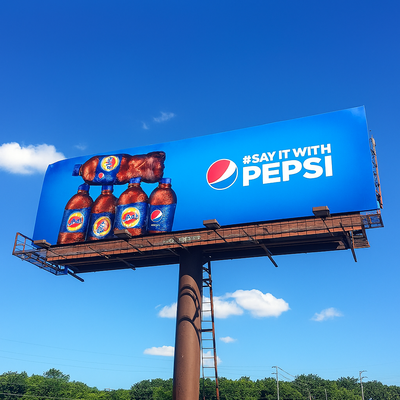
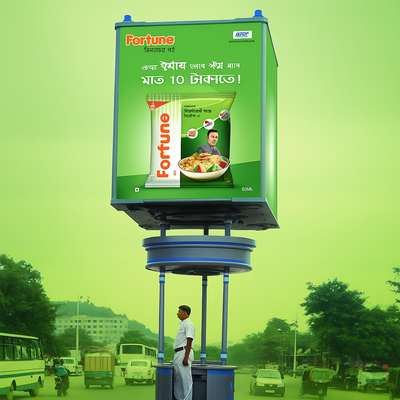
Hoarding advertising – the large billboards and gantries you see on highways, city streets and transit hubs – remains one of the most powerful tools for Indian marketers. Unlike fleeting digital ads, hoardings deliver a huge, unavoidable presence 24/7, blanketing urban and even rural landscapes with your brand’s message. With India’s OOH (Out-of-Home) ad market booming (expected to grow ~7–8% annually), hoardings are enjoying a resurgence. For example, SmartAds.in’s analysis shows India’s combined OOH+DOOH market rising from about USD 470 million in 2024 to over USD 670 million by 2030 . This isn’t just hype – it translates into real returns. When high-impact creative meets strategic placement, hoarding campaigns can amplify reach, recall and trust.
Why Hoardings Matter: Reach, Recall and Trust
Hoardings are massive billboards – often lit at night or printed in vivid color – that interrupt the everyday commute. They reach drivers, shoppers and pedestrians when they’re physically on the move. This in-the-real-world exposure drives high engagement and memorability. Industry studies and SmartAds experience show that combining OOH with digital/TV lifts brand recall by 30–40%. In concrete terms, a single highway billboard (seen daily by thousands) can cost a fraction of a TV spot but deliver many times the impressions. Moreover, billboards lend credibility: consumers tend to trust brands they see on giant public ads. SmartAds notes that clients often report a “trust spike” after an outdoor campaign – OOH adds gravitas to a brand.
In short, hoardings offer a high-visibility, high-impact complement to any media plan. They reach people who might be disconnected online (drivers, shoppers, tourists) and imprint messages in a tangible way. As one marketing insight notes, “Outdoor ads have broad reach and high visibility that can penetrate both urban and rural markets”. For brands aiming to dominate mindshare, the billboard is a trusted ally.
Market Trends: India’s Booming OOH Industry
India’s outdoor ad industry is growing fast, powered by urbanization, infrastructure projects and evolving tech. According to SmartAds research, the traditional billboard segment alone was about USD 706.7 million in 2024 , projected to hit USD 1,090.8 million by 2030 (CAGR 7.6%). Overall, the combined OOH+DOOH market is forecast to grow ~6–8% annually through 2030. This surge far outpaces many regional norms – PwC reports India’s OOH grew 12.9% in 2023 to Rs.4,140 crore, exceeding Asia-Pacific averages.
Several forces fuel this growth:
City-Level & Tier Segmentation
Location is everything in hoarding advertising. Costs and impact vary dramatically from mega-metros to smaller cities. For example, a prime billboard in Mumbai’s Bandra or Delhi’s Connaught Place can cost Rs.200,000– Rs.600,000 per month , while a similar-sized hoarding in a Tier-3 city like Ranchi might be only Rs.20,000–Rs.60,000. Even within metro areas, rates jump in premium spots. A Delhi NCR highway gantry or Mumbai airport billboard can be several times pricier than a roadside poster downtown.
SmartAds typically advises brands to pick locations based on target audience. High-traffic urban centers (IT parks, malls, transit hubs) deliver massive footfall and brand impressions, which fits FMCG, retail, and consumer campaigns. In contrast, hyperlocal shops or regional retailers might prioritize hoardings near local marketplaces or key roads in Tier-2 towns, where competition is lower and impact can be more memorable.
“Hoarding costs in India vary widely by city tier and location,” notes industry data. SmartAds leverages such market insights to negotiate the best placements – for example, securing a Pune main-road hoarding at mid-range rates while maintaining prime visibility. By analyzing traffic flow and consumer demographics, SmartAds pinpoints where a billboard will reach the right eyes (and budget-friendly deals). In our experience, allocating a portion of an outdoor budget to a mix of Metro and Tier-2 sites often maximizes ROI. For instance, a campaign blending Mumbai and Jaipur billboards for the same brand can reach diverse demographics at different CPMs, optimizing spend.
Creative & Case Studies: Real Success Stories
Hoardings shine when paired with innovative creative. Here are a few inspiring case studies, courtesy of SmartAds, showing how brands used hoardings to drive engagement and business results:
These cases share a formula: insight-driven creativity + prime locations . For FMCG or tech brands, concise messaging on large billboards boosts awareness. For aspirational categories (like real estate), turning hoardings into an “event” builds aspiration. In every example, SmartAds emphasizes that “ the right creative plus the right location = instant viral appeal.”
Measuring Impact & ROI
Unlike clicks on digital ads, hoarding ROI is measured in more tangible ways: footfall, impressions, and business lift. SmartAds employs several tactics:
In short, SmartAds treats each hoarding placement as a marketing investment . Rather than “just parking a sign,” we measure its value. Agencies like SmartAds use location analytics and multi-channel attribution to demonstrate that every billboard is contributing to brand goals. The bottom line: when done strategically, hoarding advertising can yield impressive returns – far beyond what the raw CPM suggests. Even conservative industry estimates suggest OOH can deliver 3–5X the impact (in brand awareness and sales lift) of its cost, thanks to its broad reach and persistent presence.
Why SmartAds.in for Your Hoarding Campaign
Planning an effective hoarding campaign involves expertise and local knowledge. SmartAds.in is one of India’s leading outdoor-ad agencies, specializing in hoardings and billboards. Here’s how we ensure your campaign wins:
In short, SmartAds.in owns the process of turning a blank hoarding into a profitable ad. Our clients consistently report that partnering with SmartAds improved their campaign outcomes. As one marketing director put it, “Our SmartAds.in campaign increased foot traffic by 30%, well beyond what we achieved with digital ads alone.”
Ready to paint the town with your brand? Contact SmartAds.in today to plan a high-impact hoarding strategy. Whether it’s a single flagship billboard in Mumbai or a nationwide outdoor rollout, we’ll ensure you get maximum bang for your outdoor ad budget.
Ready to amplify your reach? Let SmartAds.in help you harness the full potential of hoarding advertising. Whether you seek a bold launch or sustained city-wide presence, our team will craft a data-driven, high-ROI outdoor strategy.
Contact SmartAds.in today for a free consultation and start painting the town with your brand’s message.